Kenya eTA Application Guide 2026

What Is the Kenya eTA Application?
The Kenya eTA application is a mandatory digital travel authorization that screens travelers before they depart for Kenya. Introduced to streamline entry and enhance border control, it acts as a pre-approval system—meaning airlines will only allow boarding once a valid eTA has been issued. While many travelers confuse it with a visa, the Kenya eTA application is not a visa; it is a pre-travel clearance granted before arrival.
Once approved, the eTA confirms that a traveler meets the basic entry conditions, but it does not grant automatic entry into Kenya. Final admission remains at the discretion of immigration officers at the point of arrival, making accuracy during the Kenya eTA application process essential. A few key conditions define how the Kenya eTA application works:
- It is typically valid for entry within 90 days from the date of approval, meaning travel must occur within that window
- The length of stay is determined on arrival by immigration authorities, not during the application
- It is required for all travelers, including infants and children, regardless of age
Understanding the Kenya eTA application as a pre-screening step—not a guaranteed entry pass—helps set the right expectations and reduces the risk of complications during travel.
Who Needs to Apply for a Kenya eTA Application?
The Kenya eTA application is a mandatory requirement for nearly all foreign nationals traveling to Kenya. Before boarding a flight, travelers are expected to secure this pre-travel authorization, regardless of the purpose or duration of their visit. In simple terms, unless you fall under a specific exemption category, completing the Kenya eTA application is not optional—it is a required step for entry.
Who Is Exempt from the Kenya eTA Application?
While the requirement applies broadly, a limited group of travelers are exempt from the Kenya eTA application. These exemptions are based on regional agreements, immigration status, and specific travel conditions. Identifying whether you fall into one of these categories is essential, as the rules are strictly enforced at both airline check-in and arrival points. Below is a detailed breakdown of who does not need to complete a Kenya eTA application:
1. Citizens of East African Community (EAC) Countries
Nationals of East African Community member states—such as Uganda, Tanzania, and Rwanda—are exempt from the Kenya eTA application due to regional free movement agreements. These arrangements allow citizens to travel between member countries with minimal restrictions, often using national ID cards or passports. This exemption supports regional integration and applies regardless of travel purpose, whether for tourism, business, or family visits.
2. Holders of Valid Kenyan Immigration Status
Travelers who already hold recognized legal status in Kenya are not required to submit a Kenya eTA application. This includes individuals who have been formally authorized to live or work in the country. Eligible categories include:
- Kenyan Permanent Residents – Individuals with permanent residency status can enter Kenya without additional travel authorization
- Valid Work Permit or Pass Holders – Those employed or officially permitted to stay in Kenya under a government-issued pass do not need to apply again
In these cases, the existing immigration documentation serves as sufficient authorization for entry.
3. Transit Passengers (Airside Only)
Passengers transiting through Kenya to another destination are exempt from the Kenya eTA application only if they remain within the airport’s international transit area. To qualify for this exemption:
- You must not exit the airport or pass through immigration control
- You should have a confirmed onward ticket to your next destination
- Your layover must comply with airline and airport transit rules
Once a traveler exits the transit zone—even briefly—the Kenya eTA application becomes mandatory.
4. Citizens of Select Visa-Exempt Countries
Kenya maintains bilateral agreements with certain countries whose citizens are exempt from both visa requirements and the Kenya eTA application. Examples include South Africa, Ghana, and Malaysia, among others. However, this category can change based on government policy updates. Travelers are strongly advised to verify their eligibility before travel, as assumptions based on past visa-free access may not always apply under the current eTA system.
Understanding whether you qualify for exemption is critical. Applying unnecessarily can create confusion or processing delays, while failing to complete the Kenya eTA application when required can result in denied boarding or entry restrictions at the airport.
Kenya eTA Application Requirements (Documents Checklist)
A successful Kenya eTA application starts with one thing—having the right documents, correctly prepared and consistent across all details. Most delays and rejections don’t happen because documents are missing, but because they don’t match or meet the required standards. Before starting your Kenya eTA application, make sure you have the following core documents ready:
Core Documents Required for All Kenya eTA Applications
Every applicant, regardless of travel purpose, must provide these essentials for a complete and successful Kenya eTA application:
a. Valid Passport
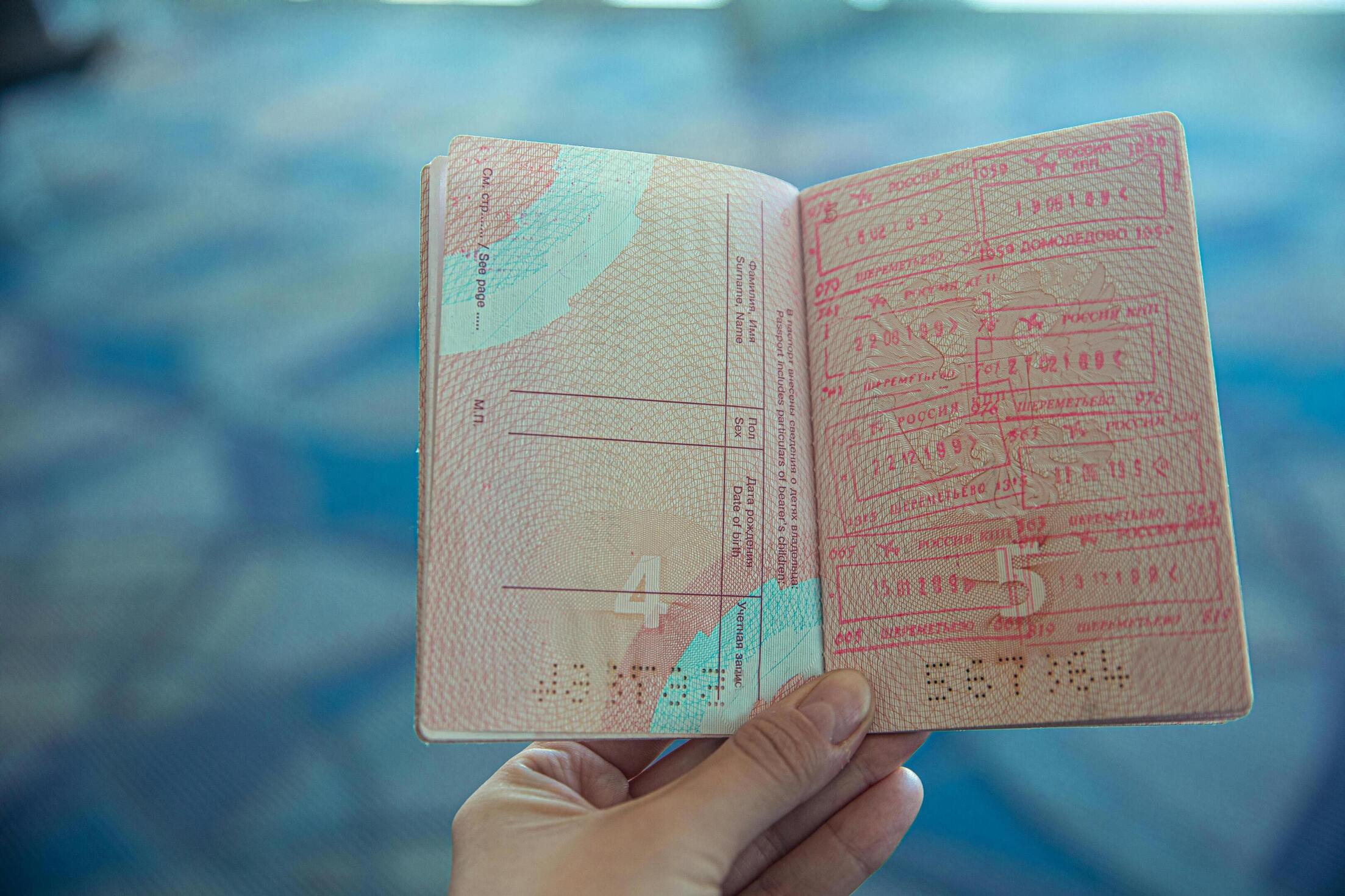
Your passport must have at least 6 months validity from your intended date of arrival in Kenya and include at least one blank page for entry stamps. Any damage or inconsistency in passport details can lead to delays or rejection.
b. Passport-Style Photo or Clear Selfie
A recent, high-quality image is required. It should be well-lit, clear, and free from obstructions such as hats or heavy shadows, ensuring your facial features are fully visible.
c. Active Email Address and Phone Number
You must provide a working email address and phone number, as all communication—including approval notifications—will be sent through these channels.
d. Flight Itinerary
A confirmed or verifiable flight itinerary showing both arrival and departure details is required. The dates must align with the rest of your application to avoid inconsistencies.
e. Accommodation Confirmation
Proof of where you will stay during your visit is mandatory. This can be a hotel booking confirmation or verified host details if staying with friends or family.
f. Payment Method
A valid credit or debit card is required to complete the application by paying the processing fee. Ensure your card is enabled for online transactions.
Additional Documents for Different Kenya eTA Application Types
Beyond the standard requirements, the Kenya eTA application process often demands extra supporting documents depending on the purpose of travel. These documents are used to verify the authenticity of your visit, confirm your intentions, and ensure that your application aligns with your stated travel category. Providing the correct supporting evidence significantly improves approval confidence and reduces back-and-forth requests:
1. Tourism / General Visit
Travelers coming to Kenya for leisure, sightseeing, safaris, or holidays must demonstrate clear arrangements for their stay. Immigration authorities use this to confirm that your visit is properly planned and temporary.
- Confirmed hotel reservation showing your full stay details, OR
- Host details if staying with friends or family in a private residence (including address and contact information)
This helps verify that your eTA application aligns with a genuine travel itinerary and stable accommodation plan.
2. Business Travel
Applicants traveling for meetings, partnerships, or corporate engagements must clearly show the professional nature of their visit. This ensures the trip is legitimate and time-bound.
- Official invitation letter from a Kenyan company or registered organization outlining the purpose and duration of the visit
- Supporting company registration documents, where applicable, to validate the legitimacy of the inviting business
Clear business documentation strengthens the credibility of your eTA application and reduces the risk of clarification delays.
3. Visiting Family or Friends
When traveling to visit relatives or close contacts, authorities require proof of both the relationship and the host’s legal presence in Kenya.
- Invitation letter from your host explaining the purpose and duration of your stay
- Copy of the host’s Kenyan ID, passport, or Alien Card to confirm legal residency or citizenship
This combination helps establish a genuine personal connection and supports the intent stated in your eTA application.
4. Medical Travel
Individuals traveling for treatment or medical consultation must provide verified proof of their medical arrangements in Kenya.
- Appointment letter or official communication from a recognized hospital, clinic, or medical practitioner
This ensures that the eTA application reflects a legitimate healthcare purpose with confirmed arrangements.
5. Conferences or Events
Participants attending conferences, workshops, exhibitions, or official gatherings must demonstrate confirmed participation.
- Official invitation letter from the event organizer OR
- Event registration or participation confirmation showing your role and attendance details
This helps verify that your eTA application aligns with a structured and recognized event.
6. Relocation or Special Cases
For applicants with long-term stays, relocation plans, or unique travel circumstances, additional supporting documentation is often required.
- Documents supporting resettlement, extended stay arrangements, or special immigration circumstances
These cases are assessed more carefully, and strong documentation is essential for a smooth Kenya eTA application review.
Preparing the correct supporting documents based on your travel purpose is a critical step in the eTA application process. It not only improves approval chances but also minimizes delays caused by additional verification requests or incomplete submissions.
Step-by-Step Guide on How to Apply for Kenya eTA Application
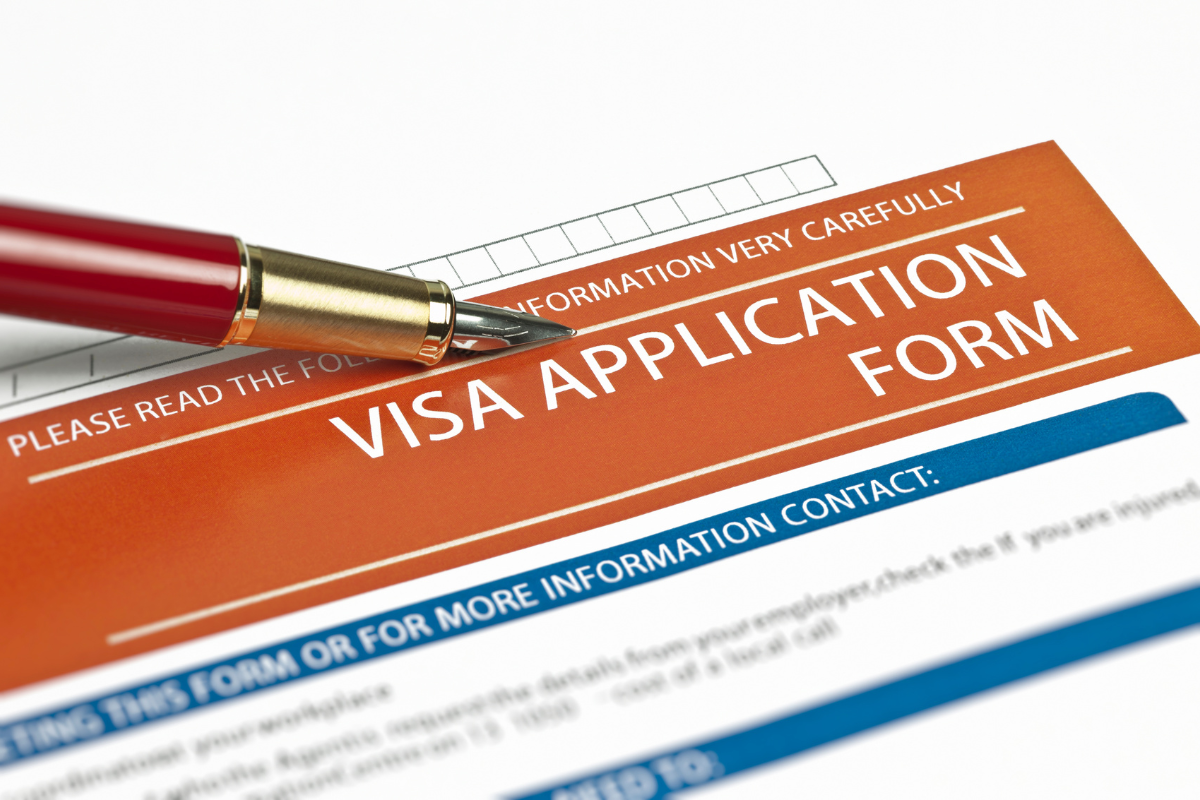
The Kenya eTA application process is fully online, but accuracy matters more than speed. Each step is designed to verify identity, travel intent, and supporting documentation before approval is granted. Even small inconsistencies can lead to delays, so following the process carefully is essential:

Step 1: Start Your Kenya eTA Application
The process begins by filling in your personal and travel details through the official eTA portal. This is the stage where most errors occur, especially when information is entered quickly or copied incorrectly.
You will be required to provide:
- Personal details exactly as they appear on your passport
This includes full name, nationality, passport number, and date of birth. Even minor spelling differences can cause mismatches during verification. - Travel details including dates, flights, and accommodation
Your entry and exit dates must align with your flight itinerary, and your accommodation details must match your booking or host information.
At this stage, consistency is critical. All information entered in your eTA application should match your supporting documents exactly.
Step 2: Upload Supporting Documents
Once your details are completed, the next step is uploading your required documents. This is where clarity and file quality become very important.
Ensure the following before uploading:
- All files are clear, readable, and not blurred or cropped
Poor-quality uploads are one of the most common reasons for delays or rejection. - Names match your passport exactly across all documents
Any mismatch between your passport, booking details, or invitation letters may trigger additional checks or application rejection.
Depending on your travel purpose, this may include your passport copy, photo, itinerary, accommodation proof, and any additional supporting letters.
Step 3: Pay the Kenya eTA Application Fee
After uploading your documents, you will proceed to payment. The Kenya eTA application cannot be processed without successful fee payment.
- Payment is made using a debit or credit card
- Some systems may support additional online payment methods depending on your country
- Ensure your card is enabled for international online transactions to avoid payment failure
Once payment is confirmed, your application moves into the review stage.
Step 4: Submit and Wait for Processing
After submission, your Kenya eTA application enters the official processing phase. During this time, immigration officers review your details and supporting documents.
- Standard processing time is approximately 3 working days
- Some applications may be approved sooner depending on completeness and accuracy
- Certain cases may take longer, especially if:
- Documents require further verification
- Information is inconsistent or incomplete
- The applicant has a complex travel history or special circumstances
You will receive your approval notification via email once the Kenya eTA application has been successfully processed.
Completing each step accurately and carefully is key to a smooth eTA application experience. Most delays are not caused by the system itself, but by avoidable errors in personal details, document uploads, or mismatched travel information.
Important Kenya eTA Application Rules and Declarations
Before completing your Kenya eTA application, every traveler is required to formally accept a set of legal declarations. These are not just procedural checkboxes—they form part of Kenya’s immigration enforcement framework and are used to assess credibility, intent, and eligibility before and upon arrival. By submitting your application, you are making several binding confirmations to immigration authorities:
1. Accuracy of Information Provided
You are legally confirming that all details submitted in your Kenya eTA application are:
- Accurate and truthful
- Complete with no missing or misleading information
- Fully aligned with supporting documents such as your passport, flight details, and accommodation bookings
Any mismatch between your application data and your supporting documents can trigger delays, additional verification, or outright rejection.
2. Financial Capacity for Your Stay
You are also confirming that you have sufficient financial means to support yourself during your time in Kenya. This includes:
- Accommodation costs
- Daily living expenses
- Transport and any planned activities
Although proof of funds may not always be requested upfront, immigration authorities reserve the right to verify this at any stage, including upon arrival.
3. Valid Return or Onward Travel
A key requirement in the Kenya eTA application process is demonstrating clear intent to leave the country after your visit. You are required to confirm that:
- You hold a confirmed return or onward ticket
- Your travel plans show departure within the permitted stay period
This helps immigration assess that your visit is temporary and compliant with entry regulations.
4. Understanding of Entry Discretion
Approval of a Kenya eTA application does not guarantee entry into Kenya. By submitting your application, you acknowledge that:
- Final entry decisions are made by immigration officers at the port of entry
- You may be denied entry even with an approved eTA if requirements are not fully met at arrival
This is a standard international immigration principle that applies in most countries.
5. Consequences of False or Misleading Information
You also agree that providing incorrect, incomplete, or misleading information in your Kenya eTA application may result in serious consequences, including:
- Application rejection or cancellation
- Denial of entry upon arrival
- Future travel restrictions or flagged immigration records
Even minor inconsistencies—such as incorrect dates or mismatched passport details—can impact your application outcome.
Understanding these declarations is essential before submitting your eTA application. They are designed to ensure compliance, protect border security, and maintain the integrity of Kenya’s entry system.
Common Kenya eTA Application Mistakes to Avoid
Many Kenya eTA applications are delayed or rejected not because applicants are ineligible, but because of simple, preventable errors during submission. The system relies heavily on consistency between your details and supporting documents, so even small discrepancies can raise red flags during review. Below are the most common mistakes travelers make—and why they matter:

1. Mismatched Travel Dates vs. Flight Bookings
One of the most frequent issues is inconsistency between the dates entered in the application and the actual flight itinerary. For example:
- Your application shows different arrival or departure dates than your ticket
- Accommodation bookings do not match your stated travel period
These mismatches create doubts about the accuracy of your eTA application and may trigger additional verification or rejection.
2. Uploading Unclear or Incorrect Documents
Document quality plays a major role in approval decisions. Many applications are delayed because of poor uploads. Common problems include:
- Blurry or cropped passport copies
- Overexposed or dark photos
- Missing pages or incomplete documents
- Wrong file uploads (submitting unrelated documents)
All uploaded files must be clear, complete, and fully readable to support your Kenya eTA application.
3. Missing Supporting Documents (Especially for Business or Family Visits)
Applicants often forget that certain travel purposes require extra proof beyond basic documents. This is especially common in:
- Business travel (missing invitation letters or company details)
- Family visits (missing host ID or invitation letter)
Failure to provide supporting documents weakens the credibility of your Kenya eTA application and may lead to delays or requests for additional information.
4. Selecting the Incorrect Travel Purpose
Choosing the wrong category is a serious but avoidable mistake. Each travel purpose has different documentation requirements and verification checks. Examples include:
- Selecting tourism when actually traveling for business
- Misclassifying a family visit as a general holiday
This can cause inconsistencies between your declaration and supporting documents, affecting the outcome of your Kenya eTA application.
5. Incomplete Application Fields
Every section of the application must be fully completed. Leaving gaps or skipping fields that seem optional can still impact processing. Common issues include:
- Missing passport details or contact information
- Incomplete travel history or accommodation details
- Unanswered mandatory fields
An incomplete eTA application is often flagged automatically, leading to delays in processing.
6. Incorrect Use of Third-Party Auto-Fill Systems
While auto-fill tools can speed up the process, they often introduce hidden errors that are easy to miss. Typical risks include:
- Incorrect passport number formatting
- Auto-filled names that do not match official documents
- Outdated saved information from previous forms
Always manually review every section before submitting your Kenya eTA application to ensure full accuracy.
Avoiding these mistakes significantly improves your chances of a smooth approval process. Most eTA application issues are not caused by eligibility problems, but by preventable inconsistencies in data and documentation.
Expert Tips for a Successful Kenya eTA Application
A smooth Kenya eTA application is rarely about luck—it’s about precision, consistency, and understanding what immigration officers look for during review. While the process is straightforward, small details often determine whether an application is approved quickly or flagged for further checks. The following expert tips will help you improve accuracy and reduce avoidable delays:
1. Ensure Your Itinerary Is Consistent Across All Documents
Consistency is one of the most important factors in a successful Kenya eTA application. Immigration officers cross-check all submitted details to confirm that your travel plans are realistic and coherent. Make sure the following match exactly:
- Flight arrival and departure dates
- Accommodation booking dates
- Travel dates entered in the application form
- Any invitation letters or supporting documents
Even minor inconsistencies—such as a one-day mismatch—can trigger additional verification or delays in your eTA application.
2. Each Traveler Must Submit an Individual Application
Every person traveling to Kenya must apply separately, regardless of age or group status. This includes children and infants. Key points to remember:
- Each applicant must have their own Kenya eTA application
- Each passport is assessed individually
- Group travel does not mean a shared approval process
Even if traveling as a family or tour group, applications are not linked automatically, so accuracy must be maintained for each submission.
3. Provide Strong Documentation for Complex Travel Cases
Some applicants require additional attention due to nationality, residency status, or travel history. In such cases, stronger supporting documents improve clarity and reduce delays. This may apply to:
- Travelers with mixed residency status or dual nationality situations
- Applicants holding passports that require closer verification (e.g. Afghan passport holders or similar cases)
- Individuals with non-standard travel purposes or long-term stays
In these situations, the eTA application should be supported with clear, verifiable documentation that explains the purpose and structure of the visit in detail.
4. Double-Check Critical Details Before Submission
Most Kenya eTA application delays are caused by simple input errors that could have been avoided with a final review. Before submitting, carefully verify:
- Full names – Must match exactly as shown on your passport
- Passport number – Even a single incorrect digit can invalidate the application
- Travel dates – Ensure they align with flights and accommodation bookings
A careful review of these details significantly improves approval speed and reduces the likelihood of follow-up requests or rejection.
Applying these expert tips helps ensure your eTA application is accurate, consistent, and fully aligned with immigration expectations, increasing your chances of a smooth and timely approval.
Kenya eTA Application Fee and Processing Time
The Kenya eTA application is processed online through a centralized system, and both the fee structure and approval timeline are designed to be straightforward. However, timing and preparation play a crucial role in ensuring a smooth experience, especially during peak travel periods or when additional verification is required. While the application is generally efficient, it is important to understand how processing works and how to plan your submission strategically:
1. Processing Time for the Kenya eTA Application
In most cases, the eTA application is reviewed and processed within a short timeframe once all required documents and information have been correctly submitted.
- The standard processing period is approximately 3 working days
- Applications that are complete, accurate, and consistent are often processed faster
- Delays may occur if additional verification is required or if documents need clarification
Factors that can influence processing time include:
- Peak travel seasons or high application volumes
- Incomplete or unclear documentation
- Mismatched information across submitted details
- Special or complex travel cases requiring manual review
It is important to note that processing begins only after successful submission and confirmation of payment.
2. Recommended Application Timeline
Although the standard processing time is relatively quick, early preparation is strongly advised to avoid last-minute complications.
- It is recommended to apply at least 7–10 days before your intended travel date
- This buffer allows time for unexpected delays or document review requests
- Early submission also reduces stress and ensures smoother coordination with flight and accommodation plans
Applying too close to your departure date increases the risk of travel disruption, especially if corrections or additional documents are requested during review.
3. Kenya eTA Application Fee Overview
The Kenya eTA application includes a mandatory processing fee that must be paid before submission is finalized. The system only begins review after successful payment confirmation. Key points to understand:

- Payment is made online through secure digital channels
- A valid debit or credit card is required
- Fees are non-transferable and tied to each individual application
- Each traveler must pay separately, even when applying as a family or group
Because the fee is linked directly to processing and administrative review, accuracy during submission is essential to avoid unnecessary reapplications.
Proper timing and preparation are just as important as document accuracy in the eTA application process. Submitting early and ensuring completeness significantly improves approval efficiency and reduces the risk of travel delays.
Why Choose Sparwild African Tours and Safaris for Your Kenya eTA Application Support
1. Personalized Guidance for Every Traveler
At Sparwild African Tours and Safaris, we don’t believe in one-size-fits-all solutions. We assess each traveler’s situation individually and provide tailored guidance based on the purpose of travel. Whether it is tourism, business, or family visits, we ensure your eTA application aligns with the correct requirements from the start. This personalized approach reduces errors and improves approval confidence.
2. Expert Review of Application Details
We carefully review all critical details before submission, including passport information, travel dates, and accommodation arrangements. Even minor inconsistencies can affect your Kenya eTA application outcome, so we ensure everything matches perfectly. Our goal is to eliminate common mistakes that often lead to delays or rejections. This level of precision gives travelers peace of mind throughout the process.
3. Strong Understanding of eTA Requirements
Our team has a clear understanding of the Kenya eTA application system and its documentation standards. We stay updated on requirements and procedural changes to ensure clients are always guided correctly. This helps avoid outdated or incorrect submissions that could cause complications. With us, you benefit from accurate, current, and reliable travel guidance.
4. Support for Complex Travel Cases
Not all applications are straightforward, especially for travelers with unique circumstances such as mixed residency status or special travel purposes. We provide additional support in such cases to ensure the Kenya eTA application is well-prepared and properly documented. Our experience allows us to anticipate potential issues and address them early. This improves the chances of smooth processing even in complex situations.
5. Reduction of Common Application Errors
Many delays in the Kenya eTA application process are caused by avoidable mistakes. We help clients avoid issues such as incorrect travel purpose selection, mismatched documents, and incomplete forms. By guiding you through each step, we significantly reduce the risk of rejection or reapplication. This makes the entire process more efficient and stress-free.
6. Reliable Travel Support Beyond Applications
With Sparwild African Tours and Safaris, support does not end at the Kenya eTA application stage. We also assist travelers with broader travel planning needs, ensuring a seamless experience from preparation to arrival. Our goal is to make your journey to Kenya as smooth as possible, both on paper and in reality. This holistic support is what makes us a trusted travel partner for many visitors.
Frequently Asked Questions About Kenya eTA Application
1. What is the Kenya eTA application and why is it required?
The Kenya eTA application is an electronic travel authorization that allows foreign travelers to enter Kenya after pre-screening approval. It is required to enhance border security and streamline entry procedures before travelers board their flights. Unlike a visa, it is issued before travel and confirms eligibility for entry consideration. However, final admission into Kenya is still determined by immigration officers upon arrival.
2. Who needs to complete the Kenya eTA application before traveling?
Almost all foreign nationals must complete the Kenya eTA application before traveling to Kenya. This includes tourists, business travelers, students, and individuals visiting family or attending events. Only a limited group of travelers from exempt countries or specific immigration statuses may not be required to apply. It is always recommended to verify eligibility before travel to avoid boarding issues.
3. Who is exempt from the Kenya eTA application process?
Certain travelers are exempt from the Kenya eTA application, including citizens of East African Community countries such as Uganda, Tanzania, and Rwanda. Holders of valid Kenyan residency permits or work passes are also exempt. Transit passengers who do not leave the airport’s international zone may not need to apply. Additionally, some citizens from visa-exempt countries may be excluded depending on current immigration policies.
4. What documents are required for the Kenya eTA application?
The Kenya eTA application requires a valid passport with at least six months validity and a blank page. Applicants must also provide a recent passport-style photo, travel itinerary, accommodation details, and a valid payment method. Depending on the purpose of travel, additional documents such as invitation letters may be required. All documents must be clear, accurate, and consistent with the application details.
5. How do I apply for the Kenya eTA application online?
The Kenya eTA application is completed online through the official eTA portal. Applicants must fill in personal details, travel information, and upload supporting documents. After that, payment is made electronically using a debit or credit card. Once submitted, the application is reviewed and processed by immigration authorities.
6. How long does the Kenya eTA application take to be processed?
The Kenya eTA application is typically processed within about three working days if all information is correct and complete. However, some applications may take longer if additional verification is required. Processing times can also vary depending on travel seasons and application volume. It is always advisable to apply early to avoid last-minute delays.
7. When should I submit my Kenya eTA application before travel?
It is recommended to submit your Kenya eTA application at least 7–10 days before your planned travel date. This allows enough time for processing and any unexpected document requests. Applying early reduces stress and helps avoid disruptions to your travel plans. Last-minute applications may risk delays or missed flights.
8. What is the cost of the Kenya eTA application?
The eTA application requires a mandatory processing fee that must be paid online during submission. The fee is tied to each individual application and cannot be shared between travelers. Payment is made securely using a debit or credit card. Without successful payment, the application cannot be processed.
9. Can my Kenya eTA application be rejected?
Yes, a eTA application can be rejected if there are errors or inconsistencies in the information provided. Common reasons include mismatched documents, incomplete forms, or incorrect travel details. Failure to meet documentation requirements can also lead to rejection. In some cases, applicants may be asked to reapply with corrected information.
10. What are common mistakes in the Kenya eTA application process?
Many issues in the eTA application arise from simple mistakes such as incorrect passport numbers or mismatched travel dates. Uploading unclear documents or selecting the wrong travel purpose is also common. Missing supporting documents for business or family visits can delay approval. Careful review before submission helps avoid most of these errors.
11. Does approval of the Kenya eTA application guarantee entry into Kenya?
Approval of the Kenya eTA application does not guarantee entry into Kenya. Final entry is determined by immigration officers at the point of arrival. Travelers may still be questioned or denied entry if requirements are not fully met. The eTA only confirms eligibility for travel consideration, not automatic admission.
12. Can I apply for the Kenya eTA application for my family or group?
Each traveler must submit an individual Kenya eTA application, even when traveling as a family or group. This includes children and infants, who must also have their own approved authorization. Applications are processed separately, even if submitted at the same time. Ensuring each form is accurate helps avoid delays or inconsistencies during processing.

Apply for Kenya eTA Application Support with Sparwild African Tours and Safaris
Avoid costly delays and rejections in your Kenya eTA application by getting professional guidance from Sparwild African Tours and Safaris. We help you prepare accurate documents, review your details, and ensure everything meets the required standards before submission. Our team streamlines the entire process so you can focus on your travel plans with confidence. Reach out today and let us handle your application quickly, correctly, and efficiently.