

Home » Africa weather in February

Africa weather in February

February offers diverse travel experiences across Africa, with many regions enjoying warm, dry conditions ideal for safaris, beach holidays, and cultural exploration. Understanding Africa weather in February helps travelers plan itineraries, pack appropriately, and enjoy outdoor activities comfortably. From savannahs to highlands and coastal destinations, the climate varies, making preparation key. Knowing what to expect ensures safe, enjoyable, and memorable adventures across the continent.

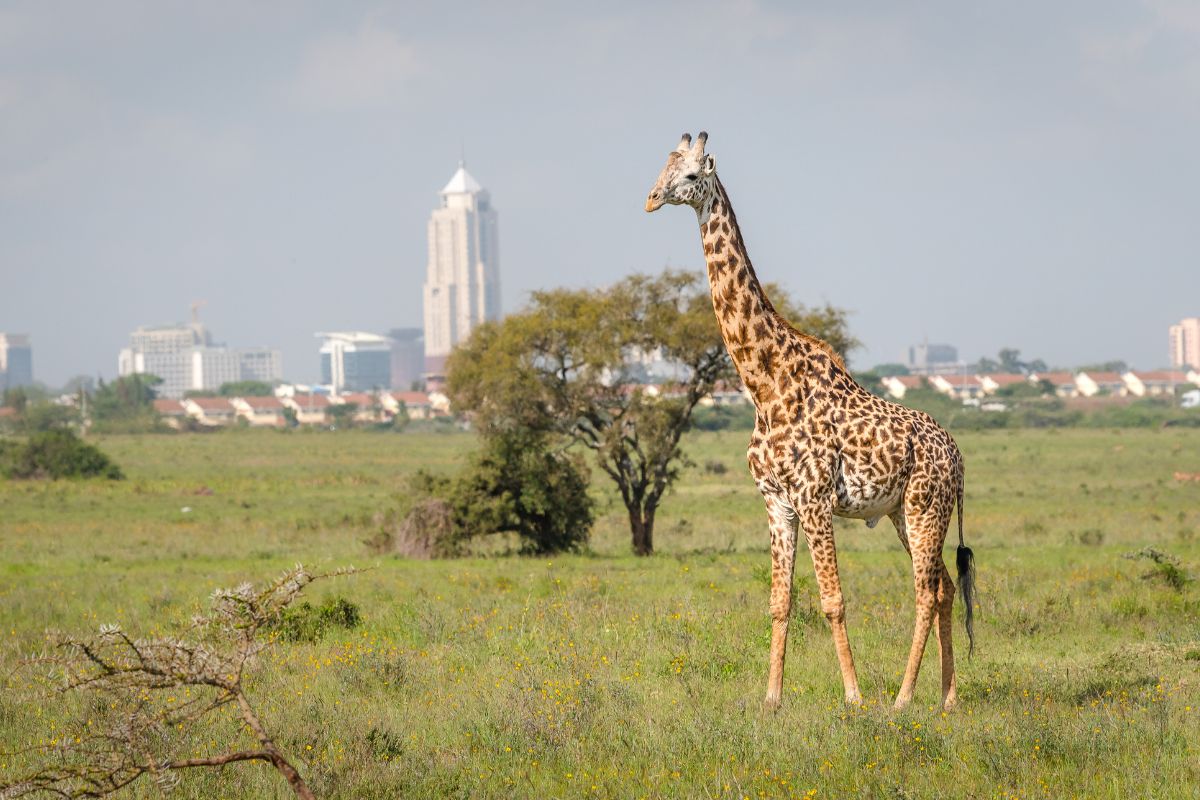
Nairobi National Park

Top 12 Destinations to Visit in February in Africa

February is an ideal month to explore Africa’s diverse wildlife, landscapes, and cultural experiences. The continent experiences varied climates during this period, and understanding Africa weather in February helps travelers plan trips for safaris, trekking, and coastal escapes. Whether you’re seeking dramatic savannahs, lush forests, or pristine beaches, these destinations provide unforgettable experiences. Here are 12 must-visit locations to include in your February itinerary:

1. Maasai Mara National Reserve, Kenya

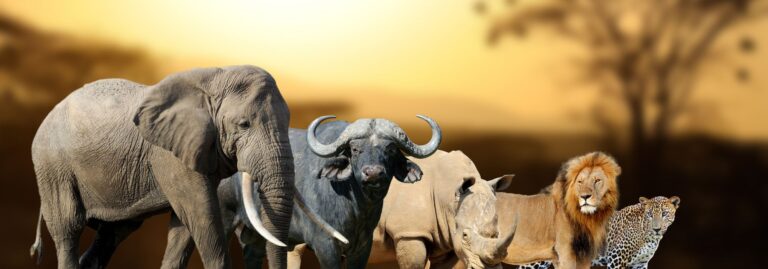
Africa weather in February is dry, which means wildlife congregates around rivers and open plains, making it one of the best times for spotting the Big Five. The expansive Maasai Mara reserve provides excellent photographic opportunities, and the clear skies enhance game viewing. Visitors can enjoy both guided and self-drive safaris for immersive wildlife encounters.
Highlights:

  • Lions, elephants, leopards, buffalo, rhinos

  • Migratory and resident bird species

  • Hot air balloon safaris for aerial views

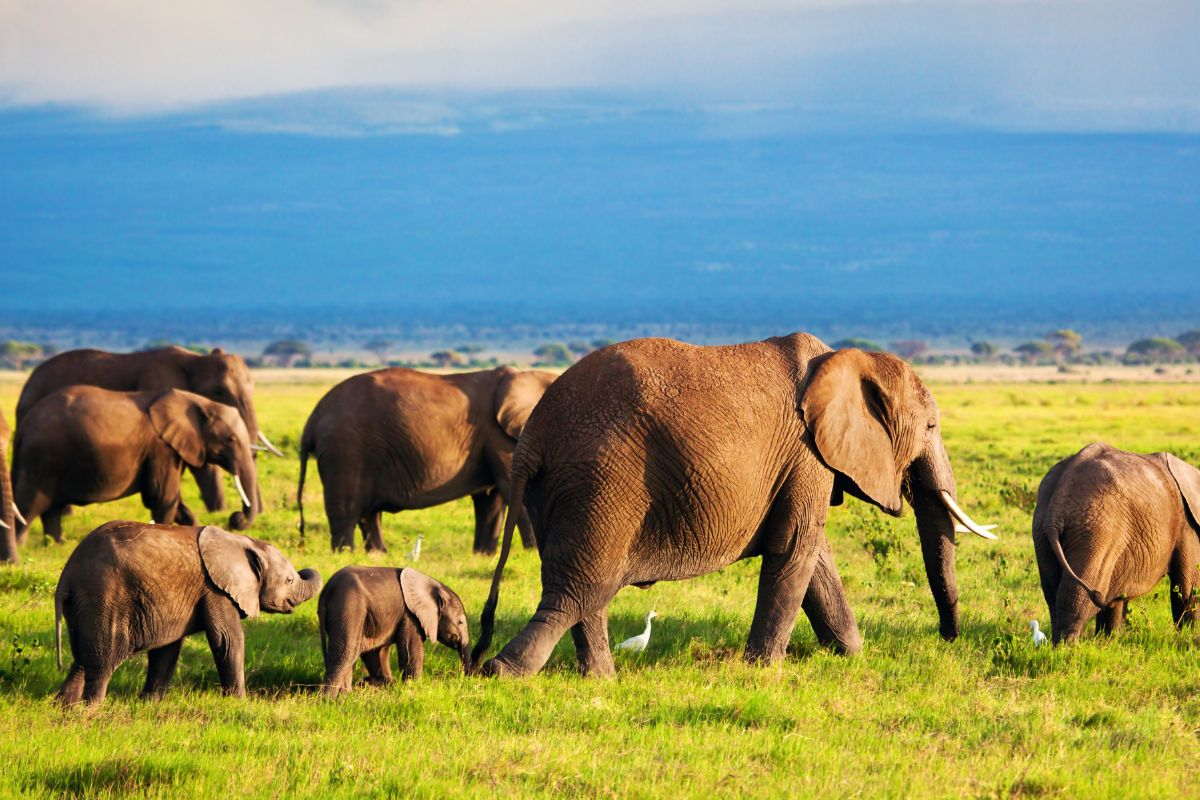
2. Amboseli National Park, Kenya

With clear skies and minimal rainfall, February allows unobstructed views of Mount Kilimanjaro. Africa weather in February creates perfect conditions for photographing elephant herds against the dramatic mountain backdrop. Amboseli’s wetlands attract large numbers of wildlife, providing memorable safari experiences.
Highlights:

  • Elephant herds in wetlands

  • Iconic photography opportunities

  • Abundant birdlife

3. Tsavo East & West National Parks, Kenya

The dry weather enhances access to Tsavo’s red-dust plains and volcanic landscapes. Africa weather in February makes it easier to navigate the park’s varied terrain and spot predators on game drives. Both parks offer unique contrasts: Tsavo East’s vast savannahs and Tsavo West’s rugged hills and water features.
Highlights:

  • Lions, cheetahs, elephants

  • Mzima Springs and waterfalls

  • Birdwatching and scenic drives

4. Lake Nakuru & Lake Naivasha, Kenya

February brings clear skies and dry conditions, allowing unobstructed views of the lake Nakuru and Naivasha and surrounding wildlife. Africa weather in February ensures comfortable walking safaris and boat trips to observe flamingos, hippos, and other species along the lakeshores.
Highlights:

  • Flamingos and rhinos at Nakuru

  • Hippos and birdwatching at Naivasha

  • Crescent Island walking safaris

5. Nairobi National Park, Kenya

Just a short drive from the city, Nairobi National Park offers a convenient wildlife experience. Africa weather in February provides pleasant conditions for day trips, photography, and exploring diverse habitats including open grasslands and riverine forests.
Highlights:

  • Lions, giraffes, rhinos, and zebras

  • Easy day trips

  • Scenic landscapes

6. Diani Beach, Kenya

Sunny coastal weather makes Diani Beach a perfect destination for relaxation and water activities. Africa weather in February ensures warm, calm days ideal for swimming, snorkeling, and exploring marine life along the turquoise coastline.
Highlights:

  • White sandy beaches and turquoise waters

  • Snorkeling, swimming, and water sports

  • Coastal wildlife and local culture

7. Mount Kenya National Park, Kenya

Dry trails and moderate temperatures make February an excellent month for trekking Mount Kenya. Africa weather in February enhances the experience of hiking through montane forests, scenic rivers, and waterfalls while observing endemic wildlife.
Highlights:

  • Mountain climbing and hiking

  • Endemic wildlife

  • Scenic rivers and waterfalls

8. Serengeti National Park, Tanzania

The dry season in February makes predator-prey interactions highly visible, providing incredible safari photography opportunities. Weather in February ensures clear skies and easier navigation across the Serengeti’s vast plains.
Highlights:

  • Large predator populations

  • Green plains for photography

  • Migratory birds and wildlife diversity

9. Ngorongoro Conservation Area, Tanzania

The Ngorongoro crater floor is easily accessible, and weather in February makes wildlife viewing spectacular. Visitors can enjoy panoramic views, spotting dense wildlife congregations amid the dry yet lush landscapes.
Highlights:

  • Dense wildlife in the crater floor

  • Stunning crater views

  • Birdwatching and photography

10. Bwindi Impenetrable Forest, Uganda

Dryer trails make gorilla trekking safer and more enjoyable during February. Weather in February allows for easier access to forest trails while maintaining the lush Bwindi rainforest environment for wildlife spotting.
Highlights:

  • Gorilla trekking in lush rainforest

  • Primate and bird sightings

  • Scenic rainforest photography

11. Volcanoes National Park, Rwanda

Cool, dry conditions in February create ideal trekking and wildlife viewing opportunities. Weather in February makes visiting Rwanda’s Volcanoes National Park comfortable for gorilla encounters and exploring volcanic landscapes.
Highlights:

  • Mountain gorillas and golden monkeys

  • Scenic volcanic landscapes

  • Ideal trekking temperatures

12. Queen Elizabeth National Park, Uganda

Africa weather in February provides dry and sunny conditions, making it easier to explore Queen Elizabeth National Park’s diverse habitats. Visitors can enjoy game drives across savannahs, wetlands, and crater lakes while spotting elephants, lions, hippos, and buffalo. The calm weather also makes boat cruises on the Kazinga Channel more enjoyable, providing excellent wildlife viewing and photography opportunities.

Highlights:

  • Elephants, lions, hippos, and buffalo

  • Boat cruises along Kazinga Channel

  • Birdwatching and scenic landscapes

Tips for Traveling in Africa During February

Traveling in Africa during February requires preparation for diverse climates and occasional rainfall. Understanding weather in February helps you pack layers, lightweight clothing, and waterproof gear. Sun protection, insect repellent, and comfortable shoes are essential. Early planning for accommodations and tours ensures availability. Following these tips improves comfort, safety, and enjoyment.

1. Carry Light, Breathable Clothing with a Waterproof Jacket

Prepare for warm plains, cooler highlands, and brief rains.

Africa Weather

2. Use Sun Protection

Hats, sunglasses, and sunscreen are essential under Africa’s strong February sun.

3. Bring Sturdy Walking Shoes

Durable shoes are required for hiking, safaris, and uneven terrain.

4. Keep Insect Repellent Handy

Forest and wetland areas may have mosquitoes and other insects.

5. Book Accommodations and Tours Early

February is a busy travel month, so early reservations are recommended.

6. Stay Hydrated and Adjust Activity Levels

Carry water, pace yourself, and take breaks to maintain energy during excursions.

Frequently Asked Questions About Africa Weather in February

Africa weather in February varies across the continent, raising questions about temperature, rainfall, and travel conditions. These FAQs help travelers plan safaris efficiently. Understanding weather in February ensures better packing, comfort, and wildlife viewing experiences:

1. Is Africa weather in February good for visiting Africa?

Yes, Africa weather in February is generally favorable, with dry and sunny conditions in many regions.

2. What should I pack considering Africa weather in February?

Light clothing for plains, layers for highlands, waterproof gear, sun protection, and sturdy walking shoes.

3. Will Africa weather in February bring heavy rains?

Rainfall is usually brief and localized, refreshing landscapes without affecting travel significantly.

4. Which regions are driest during Africa weather in February?

Kenya, Tanzania, and Uganda savannahs are typically dry, while highlands and rainforests may see occasional showers.

5. Are safaris still possible during Africa weather in February rains?

Yes, brief rains do not prevent safaris and often enhance wildlife viewing opportunities.

6. What wildlife can I expect during Africa weather in February?

Most iconic African species are visible, and seasonal rains support vibrant birdlife and active wildlife.

7. Are gorilla treks safe during Africa weather in February?

Yes, trails remain manageable, making gorilla trekking safe in Uganda and Rwanda.

8. Is February a busy travel month due to Africa weather in February?

It coincides with school holidays and peak tourism in some regions, so early bookings are recommended.

9. How does Africa weather in February affect photography?

Bright skies, lush landscapes, and fewer crowds create excellent photography conditions.

10. Do temperatures vary significantly with Africa weather in February?

Yes, coastal regions are warm, savannahs moderate, and highlands cool, so packing layers is advisable.

7 Day Big Five Kenya Safari Package

Book Your February Trip with Sparwild African Tours and Safaris Today!

Experience Africa at its best in February with Sparwild African Tours and Safaris. We offer personalized itineraries, transparent pricing, and expert guidance to make your trip unforgettable. Whether it’s a safari, trekking adventure, or beach escape, we help you plan every detail for comfort, safety, and maximum enjoyment. Contact us today to secure your February journey and explore Africa with confidence.