


Home » 20 words related to tourism with their meaning

20 words related to tourism with their meaning

Tourism is a dynamic global industry that connects cultures, economies, and people across borders. Whether you are studying hospitality management, working in the travel sector, or planning a personal trip, understanding 20 words related to tourism with their meaning strengthens both knowledge and confidence. These foundational terms provide clarity when navigating travel services, communicating professionally, and making informed decisions, ensuring that students, professionals, and travelers alike can fully engage with the tourism world.

Arusha National Park

Why Understanding Tourism Vocabulary Is Important

Tourism terminology forms the backbone of travel education and hospitality operations. Understanding these concepts improves clarity, professionalism, and industry readiness in multiple contexts. Whether you are a student, a traveler, or an industry professional, knowing these terms helps you navigate the world of tourism more confidently:

1. Academic and Hospitality Studies

Tourism vocabulary is essential in hospitality and tourism education programs. Students encounter these terms in coursework, research, and professional certifications. Knowing the right terminology makes it easier to grasp concepts, write reports, and engage in discussions effectively.

2. Travel Planning and Communication

Clear knowledge of tourism terms helps travelers interpret travel documents, compare packages, and communicate effectively with service providers. It ensures smoother planning and avoids misunderstandings during trips.

3. Career Development in Tourism

Professionals rely on correct terminology to maintain service standards and operate efficiently within the global travel industry. Using proper terms enhances credibility, supports clear communication with clients, and helps with career growth in hotels, tour operations, and travel agencies.

20 Words Related to Tourism With Their Meaning

Tourism terminology defines travel behavior, services, destinations, and industry structures. Knowing these terms helps students, travelers, and professionals communicate effectively, plan better, and understand the industry more deeply. Below are 20 words related to tourism with their meaning:

1. Accommodation

Accommodation refers to lodging facilities where travelers stay during trips, including hotels, resorts, lodges, hostels, and guesthouses. These can range from budget-friendly to luxury, offering various levels of comfort, amenities, and service to suit different traveler needs.

2. Adventure Tourism

Adventure tourism involves travel experiences that include physical activity and exploration, such as safaris, trekking, mountain climbing, or water sports. It often combines thrill, cultural exposure, and outdoor activities for an immersive experience.

3. Cultural Tourism

Cultural tourism focuses on experiencing the traditions, heritage, and lifestyles of specific communities or destinations. Activities may include visiting museums, heritage sites, attending festivals, or participating in local rituals and crafts.

4. Destination

A destination is a geographical location visited for leisure, business, or exploration. Popular destinations are often characterized by unique attractions, landscapes, cultural significance, or recreational opportunities.

5. Domestic Tourism

Domestic tourism refers to residents traveling within their own country for leisure, business, or cultural purposes. It supports local economies and encourages exploration of national landmarks and attractions.

6. Ecotourism

Ecotourism promotes responsible travel to natural areas that conserve the environment, sustain local communities, and educate travelers about ecological preservation. Examples include wildlife safaris, rainforest tours, and nature conservation projects.

7. Guide

A guide is a trained professional who assists, informs, and leads tourists during tours. Guides provide historical, cultural, or environmental context, ensuring travelers have safe and engaging experiences.

8. Heritage Site

A heritage site is a place recognized for its cultural, historical, or natural importance, often protected by law or international conventions. Examples include UNESCO World Heritage Sites, ancient ruins, and protected landscapes.

9. Hospitality

Hospitality refers to the relationship between host and guest, encompassing accommodation, service, and care. Strong hospitality ensures positive guest experiences and satisfaction in tourism and travel industries.

10. Hospitality Industry

The hospitality industry includes businesses providing lodging, food services, and tourism experiences, such as hotels, resorts, restaurants, and tour operators. It is a key component of global tourism and travel services.

11. International Tourism

International tourism involves travel across national borders for leisure, business, or cultural purposes. It requires awareness of visas, international regulations, and cross-cultural communication.

12. Itinerary

An itinerary is a structured travel plan detailing activities, accommodations, transportation, and timings. A well-prepared itinerary helps travelers organize their trip efficiently and ensures a smooth experience.

13. Package Tour

A package tour combines travel services such as transportation, accommodation, meals, and activities, sold at a single price. Packages simplify planning and provide convenience for travelers seeking guided experiences.

14. Sustainable Tourism

Sustainable tourism minimizes environmental impact while supporting local communities and economies. It encourages eco-friendly practices, responsible resource use, and cultural preservation.

15. Tourism

Tourism is the activity of traveling outside one’s usual environment for leisure, business, or other purposes. It drives economies, promotes cultural exchange, and fosters global understanding.

16. Tourist

A tourist is a person traveling away from their place of residence for leisure, business, or cultural experiences. Tourists contribute to local economies and help preserve heritage and natural sites.

17. Tourist Attraction

A tourist attraction is a site, event, or activity that draws visitors due to its appeal, significance, or uniqueness. Examples include natural parks, museums, monuments, and cultural festivals.

18. Tour Operator

A tour operator organizes and sells combined travel services, including transport, accommodation, and guided activities. They help travelers access experiences they might not be able to arrange independently.

19. Travel Agency

A travel agency assists customers in booking flights, accommodations, tours, and other travel services. Agencies simplify planning, offer expert advice, and can provide packaged deals for convenience.

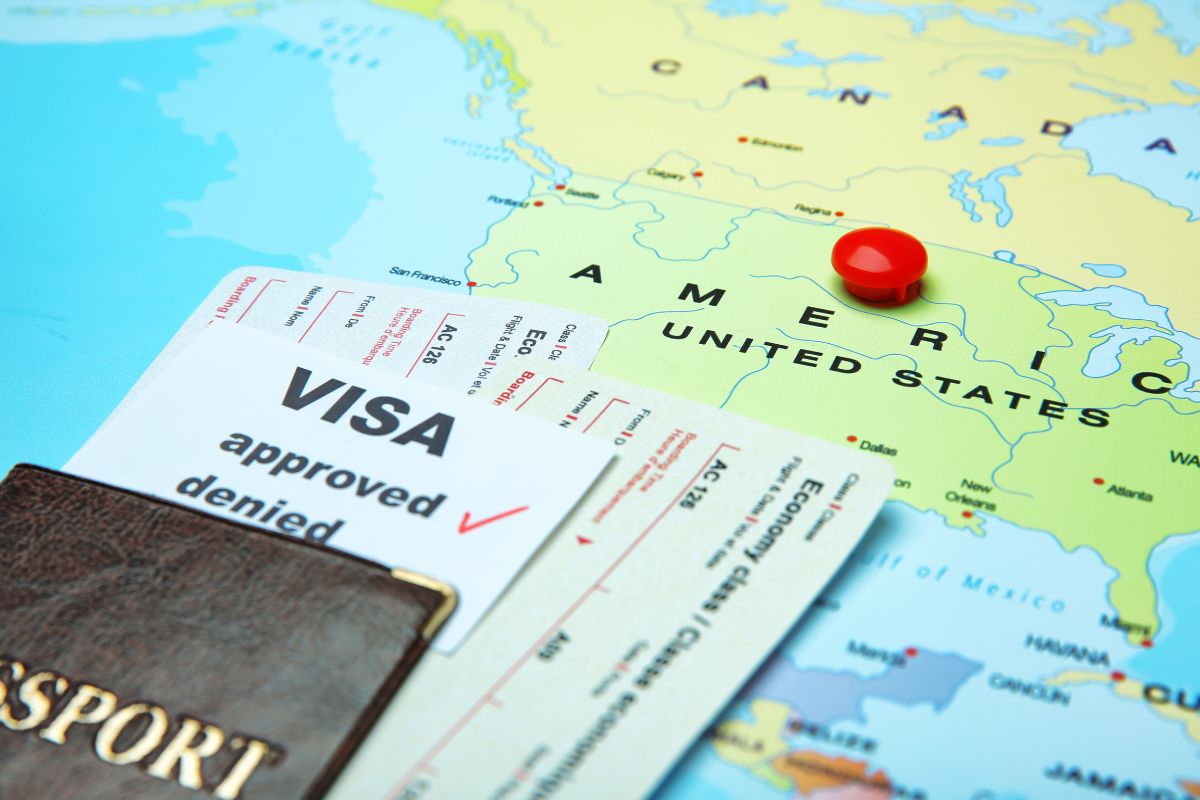
20. Visa

A visa is official permission granted by a country allowing entry for a specific purpose, duration, or number of entries. It is often required for international tourism and ensures compliance with immigration laws.

East African travel visas

How These 20 Words Related to Tourism With Their Meaning Apply in Real Travel Scenarios

Understanding tourism terminology isn’t just academic—it directly influences real-world travel decisions, enhances experiences, and supports professionalism in the industry. Being familiar with these key terms ensures clarity, prevents misunderstandings, and allows travelers and professionals to navigate the tourism landscape confidently. Here’s how these 20 words apply in everyday scenarios:

1. Planning a Trip

Travelers rely on terms like itinerary, destination, and accommodation to structure their trips efficiently. Knowing the meaning of these words helps in selecting suitable lodging, organizing activities, and scheduling transport. For example, when planning a safari or city tour, having a clear itinerary ensures you maximize sightseeing while avoiding scheduling conflicts.

2. Booking Through Agencies

Understanding the roles of a tour operator and a travel agency prevents confusion during bookings. Travelers can make informed choices about which services to purchase, whether it’s a pre-packaged tour or customized experience. Being aware of these roles ensures smoother coordination, better pricing, and clarity on what’s included in travel packages.

3. Making Sustainable Travel Choices

Knowledge of sustainable tourism and ecotourism enables travelers to make responsible decisions that protect natural environments and support local communities. For instance, selecting eco-friendly accommodations or participating in conservation-focused tours helps minimize negative impacts while enriching the travel experience.

4. Enhancing Cultural Experiences

Familiarity with terms like cultural tourism, heritage site, and tourist attraction allows travelers to identify meaningful experiences. Understanding these concepts encourages engagement with local traditions, appreciation of historical sites, and participation in authentic cultural events, making trips more enriching and educational.

5. Ensuring Smooth International Travel

Terms such as visa and international tourism are crucial for travelers crossing borders. Awareness of entry requirements, travel regulations, and proper documentation helps prevent travel disruptions and ensures compliance with legal procedures.

6. Improving Professional Competence in Tourism

For those pursuing careers in tourism, hospitality, or travel management, mastering this vocabulary enhances communication with colleagues, clients, and stakeholders. Whether explaining services to guests, drafting itineraries, or providing guided tours, using precise terminology reflects professionalism and competence.

FAQs About 20 Words Related to Tourism With Their Meaning

Common questions clarify how these tourism terms are applied in education, travel planning, and industry practice. Here are the most frequently asked questions:

1. What are 20 words related to tourism with their meaning?

These are essential tourism terms that define travel activities, destinations, services, and industry roles. They serve as a foundation for understanding travel concepts and navigating the tourism sector effectively.

2. Why are 20 words related to tourism with their meaning important?

Understanding these words improves academic learning, enhances professional communication in hospitality and travel services, and helps travelers make informed decisions when planning trips or booking services.

3. How can 20 words related to tourism with their meaning help students?

Students in tourism, hospitality, or travel management programs benefit from these terms by applying them in coursework, research, exams, and professional certifications. Mastery of this vocabulary prepares students for industry-ready roles.

4. Are these 20 words related to tourism with their meaning used in real travel businesses?

Yes, these terms are widely used in hotels, tour companies, airlines, travel agencies, and other tourism-related businesses to maintain professional standards, communicate clearly with clients, and deliver services efficiently.

5. Can beginners easily understand 20 words related to tourism with their meaning?

Absolutely. When defined clearly and accompanied by examples, these 20 terms are accessible to beginners, travelers, and anyone interested in the tourism industry, helping them quickly grasp essential concepts.

5-Day Tanzania Fly-In & Drive Safari

Turn Tourism Knowledge Into Real Experiences with Sparwild African Tours and Safaris

Learning 20 words related to tourism with their meaning builds foundational knowledge, but applying these concepts through real travel experiences deepens understanding. At Sparwild African Tours and Safaris, we transform tourism terminology into structured, immersive, and memorable journeys, allowing you to see theory come alive while exploring Kenya’s iconic destinations. Book your next adventure with us and experience tourism in action.