Top Best Places for an African Hot Air Balloon Safari
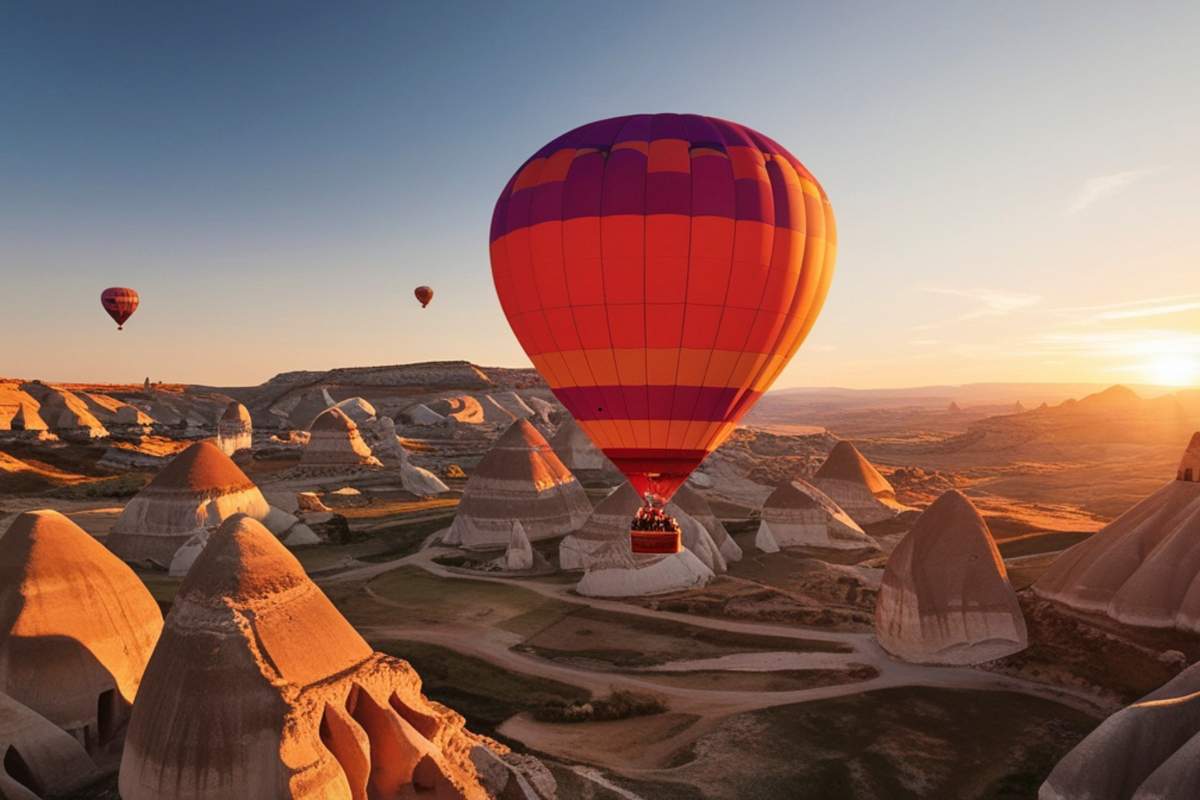
An African hot air balloon safari is one of the most extraordinary ways to experience the continent’s wildlife and landscapes. Instead of viewing animals from the ground, you rise silently above the savannah at sunrise, watching herds move across vast plains painted in golden light. The experience combines adventure, serenity, and exclusivity in a way that traditional game drives cannot fully replicate. If you are planning a safari in East Africa, adding a balloon flight can transform your trip from memorable to truly exceptional.
Kenya and Tanzania are widely regarded as the premier destinations for hot air balloon safaris in Africa. Their expansive ecosystems, abundant wildlife populations, and dramatic scenery make them uniquely suited for aerial viewing. When you float above these landscapes, you see not only individual animals but entire ecological systems unfolding beneath you. The perspective is cinematic, immersive, and deeply emotional.
What Is a Hot Air Balloon Safari?
A hot air balloon safari is an early morning aerial wildlife experience conducted in a specially designed balloon that gently floats above the savannah. Unlike helicopters or small planes, balloons operate silently, allowing you to observe animals without disturbing their natural behavior. The flight typically lasts about one hour, depending on weather conditions and wind direction. After landing, the experience concludes with a bush breakfast set up in the wilderness.
You begin before sunrise, often departing your lodge while it is still dark. As the balloon inflates and the burners roar to life, anticipation builds. Once airborne, the silence settles in, broken only by the occasional burst of flame from the burner. From that vantage point, you watch the African wilderness awaken beneath you — predators returning from a night hunt, elephants walking in family formations, and herds grazing in soft morning light.
This is not a fast-paced thrill ride. It is a calm, drifting journey that relies on wind currents for direction. The pilot adjusts altitude to catch different wind layers, giving you varied perspectives — sometimes just above treetop level, other times hundreds of feet high for panoramic views. You are not simply sightseeing; you are observing an ecosystem from a privileged and rare angle.
Why You Should Book a Hot Air Balloon Safari
Adding a balloon safari to your itinerary elevates your entire safari experience. While game drives offer proximity and detail, a balloon ride offers scale and context. You begin to understand migration patterns, herd structures, river systems, and the vastness of Africa’s protected areas. It complements your ground safari rather than replacing it.
Below are key reasons you should seriously consider booking one:
-
Unmatched Aerial Perspective: From the air, you see how wildlife interacts with the landscape as a whole. Rivers snake through plains, elephants carve paths across grasslands, and herds form organic patterns that are invisible from ground level. This perspective provides a deeper appreciation of how ecosystems function. It also allows you to spot wildlife concentrations that even experienced drivers might miss.
-
Incredible Photography Opportunities: The soft golden light at sunrise creates ideal photographic conditions. Shadows stretch dramatically across the plains, adding depth and contrast to every image. From above, you can capture sweeping panoramic shots that convey the scale of Africa in ways ground photography cannot. Even if you are not a professional photographer, the visual impact is extraordinary.
-
Exclusive and Romantic Experience: Balloon safaris often feel private and intimate, even when shared with a small group. The quiet atmosphere and breathtaking scenery create a sense of exclusivity. For honeymooners or couples celebrating a special occasion, it becomes a deeply romantic highlight. The champagne bush breakfast afterward enhances that celebratory feeling.
-
Unique Wildlife Encounters: Because balloons move silently, animals are generally undisturbed. You may drift above a pride of lions resting after a hunt or glide past giraffes feeding on acacia trees. Observing wildlife from above often reveals behavioral patterns not easily noticed from a vehicle. The experience feels immersive yet respectful of nature.
Best Places in Kenya for a Hot Air Balloon Safari
Kenya is one of the pioneers of balloon safaris in Africa. The country’s well-established conservation areas and strong safari infrastructure make the experience seamless and professionally managed. If you are traveling through Kenya, there are two standout destinations where balloon safaris are particularly spectacular.
Maasai Mara National Reserve
The Maasai Mara is Kenya’s most iconic safari destination, and it is arguably the best place in the country for a hot air balloon safari. The reserve’s open savannahs provide unobstructed views, making aerial wildlife viewing exceptionally rewarding. If you visit during the Great Migration (typically July to October), you may witness thousands of wildebeest and zebra moving across the plains beneath you.
From above the Mara River, you can observe crossing points and large herd movements that are impossible to fully appreciate from the ground. Predator-prey dynamics become more visible, especially when lions or cheetahs track herds across open plains. The sheer density of wildlife makes nearly every balloon flight visually dramatic. If you want a classic, high-impact balloon safari, this is your prime location.
Amboseli National Park
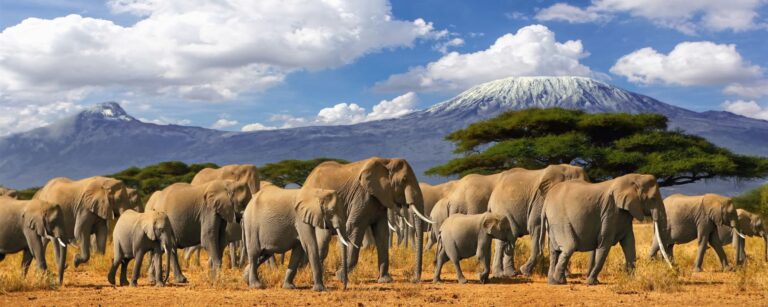
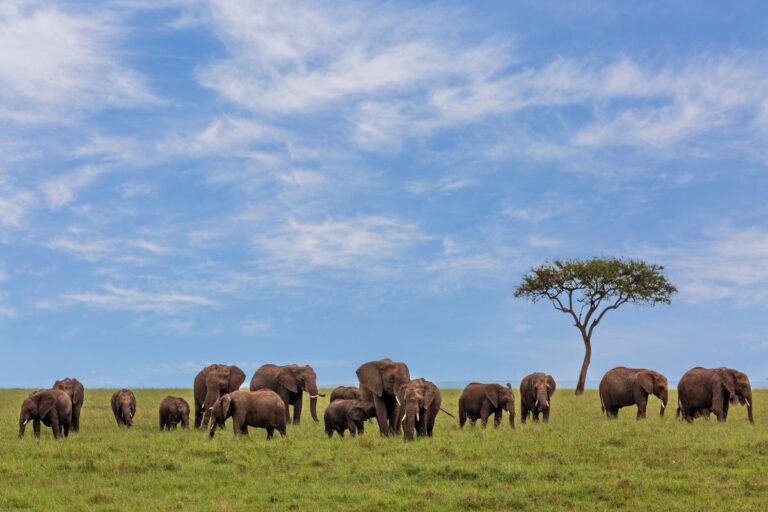
Amboseli offers a completely different but equally impressive experience. The park is famous for its large elephant herds and the dramatic backdrop of Mount Kilimanjaro. From the air, you see elephants moving in long lines across dusty plains with Africa’s highest mountain towering in the distance.
The landscape here is more varied, with wetlands, acacia woodlands, and dry lake beds. This diversity creates striking contrasts when viewed from above. Flamingos, buffalo, and giraffes are often visible in the early morning light. If you are drawn to scenic photography and iconic African backdrops, Amboseli delivers powerfully.
Best Places in Tanzania for a Hot Air Balloon Safari
Tanzania offers vast, untamed landscapes that are perfectly suited for balloon safaris. The scale of its national parks enhances the sense of freedom and wilderness. When you float above Tanzania’s plains, you truly feel the magnitude of Africa.
Serengeti National Park
The Serengeti is world-renowned for its endless plains and massive wildlife populations. A balloon safari here is both dramatic and humbling. The open terrain provides uninterrupted views stretching to the horizon.
During the Great Migration, the Serengeti becomes one of the most spectacular balloon destinations on earth. You may witness thousands of wildebeest moving in coordinated waves across the grasslands. The aerial view helps you understand the true scale of this natural phenomenon. Even outside migration season, the Serengeti’s resident predators and herbivores ensure a rewarding flight.
Tarangire National Park
Tarangire offers a more intimate but equally captivating balloon experience. Known for its massive baobab trees and dense elephant populations, the park presents unique scenery from above. The Tarangire River attracts wildlife concentrations, especially in the dry season.
From the balloon, you see elephants gathered along riverbanks and scattered among ancient baobabs. The contrast between dry golden grass and green river corridors creates beautiful visual compositions. If you prefer slightly fewer crowds but excellent wildlife density, Tarangire is an excellent choice.
3 Practical Considerations Before Booking
Before reserving your balloon safari, you should understand a few important logistical aspects. Planning properly ensures you maximize both value and experience.
-
Timing and Seasonality: Balloon safaris operate year-round in many locations, but wildlife density varies seasonally. If you want to witness the Great Migration, timing is critical. Even outside peak migration months, resident wildlife guarantees strong sightings. Discuss your travel dates with your tour consultant to align expectations with season.
-
Weather Dependency: Flights are highly weather-dependent and can be canceled if wind conditions are unsafe. Safety is always prioritized, and reputable operators will not compromise on this. If canceled, most providers reschedule or refund. You should allow some flexibility in your itinerary if the balloon experience is important to you.
-
Cost and Value: Balloon safaris are premium add-ons, typically ranging between USD 450–600 per person. While this may seem significant, it includes the flight, professional pilot services, park coordination, and a bush breakfast. When evaluated as a once-in-a-lifetime experience, most travelers consider it well worth the investment. It often becomes the highlight of the entire safari.
Frequently Asked Questions About African Hot Air Balloon Safaris (Kenya & Tanzania)
Before you commit to a balloon safari, it’s natural to have practical questions. This is a premium experience, often added as a highlight to your Kenya or Tanzania safari itinerary. Below are ten detailed FAQs to help you make an informed, confident decision:
1. Is a hot air balloon safari safe?
Yes, hot air balloon safaris in Kenya and Tanzania are operated under strict aviation and tourism safety regulations. Flights are conducted by licensed commercial balloon pilots with extensive bush flying experience, often thousands of flight hours. Equipment is regularly inspected and maintained to international standards.
In addition, flights are weather-dependent. If wind speeds or conditions are not ideal, the flight is canceled or rescheduled. Operators prioritize safety over schedule, which is exactly what you want when dealing with aerial activities in remote wilderness areas.
2. What time does the balloon safari start?
Balloon safaris begin very early in the morning, typically departing camp between 4:30 am and 5:00 am. This timing allows you to be airborne at sunrise, when wildlife activity is high and lighting conditions are optimal. You will be transferred from your lodge or camp to the launch site in the dark.
The early start is part of what makes the experience magical. As the balloon inflates against the pre-dawn sky, you feel the anticipation building. Once airborne, you witness the savannah gradually illuminated by golden light, which dramatically enhances wildlife viewing and photography.
3. How long does the balloon flight last?
The actual flight typically lasts about 45 minutes to 1 hour. The exact duration depends on wind conditions, terrain, and landing logistics. Pilots adjust altitude throughout the flight, sometimes flying low over treetops and sometimes climbing higher for panoramic views.
After landing, the experience continues with a bush breakfast in the wilderness. This breakfast is not rushed; it often includes a full spread with hot beverages, fresh fruit, and sometimes even champagne. Altogether, you should allocate approximately 4–5 hours for the full experience from pickup to return.
4. Is it worth the cost?
Balloon safaris usually range between USD 450 and 600 per person in destinations like the Maasai Mara or Serengeti. While this is a significant additional expense, many travelers describe it as the highlight of their entire safari. The combination of exclusivity, scenery, and perspective is difficult to replicate through any other activity.
You are not simply paying for a one-hour flight. The cost includes aviation-grade equipment, licensed pilots, park fees, logistical coordination, and the bush breakfast. When viewed as a once-in-a-lifetime experience rather than a routine excursion, most travelers consider it a valuable investment.
5. Will I see wildlife from the balloon?
Yes, but the experience is different from a game drive. From above, you see wildlife in context — herds moving across plains, elephants following ancient paths, or predators resting after nighttime hunts. The perspective emphasizes patterns, scale, and ecosystem dynamics rather than close-up detail.
Because balloons move silently, animals are rarely disturbed. You may drift over giraffes browsing or buffalo gathering near rivers without altering their behavior. While sightings are never guaranteed, areas like the Maasai Mara and Serengeti have such high wildlife density that flights are typically rewarding.
6. What should I wear?
Dress in layers, as early mornings in the savannah can be quite cool before sunrise. Neutral safari clothing is recommended, along with closed-toe shoes suitable for uneven terrain at landing sites. A hat is helpful once the sun rises, and sunglasses are strongly recommended.
Avoid overly loose items that could snag during entry or exit from the basket. Since landings may occur in open plains, footwear should be practical rather than decorative. Comfort and mobility are more important than style during this activity.
7. Are there age or weight restrictions?
Most operators require children to be at least 6 or 7 years old, depending on company policy. This is primarily for safety reasons, as passengers must be tall enough to see over the basket and follow safety instructions. Very young children may not be permitted.
There are also weight considerations, as balloon balance and load distribution are carefully calculated. If a passenger exceeds a certain weight threshold, additional fees may apply due to fuel and load adjustments. It is always best to disclose accurate information at booking to avoid complications.
8. What happens if the flight is canceled due to weather?
Balloon safaris are highly weather-sensitive. If wind conditions are unsafe, the pilot will cancel the flight, sometimes even at the launch site. This decision is made purely on safety grounds and is non-negotiable.
In most cases, operators will attempt to reschedule for the following morning if your itinerary allows. If rescheduling is not possible, you are typically refunded in full. It is advisable to schedule the balloon early in your stay to allow flexibility in case of postponement.
9. Is the landing rough?
Landings vary depending on wind conditions. Some are very gentle and upright, while others may involve the basket tipping slightly as it comes to rest. Pilots provide clear instructions on landing posture, which you must follow carefully.
The crew on the ground assists with stabilizing the basket immediately after landing. While the experience can feel adventurous, it is not dangerous when instructions are followed. Most passengers describe it as exciting rather than uncomfortable.
10. Should I book in advance?
Yes, especially if you are traveling during peak season (July–October or festive periods). Balloon safari capacity is limited because only a certain number of balloons operate in each reserve. Availability can fill up weeks or even months in advance.
Booking early ensures you secure a slot and allows your tour consultant to plan the rest of your safari schedule around the early start. Last-minute bookings are sometimes possible but should not be relied upon during high-demand periods in the Maasai Mara or Serengeti.
Book an Hot Air Balloon Safari Now: Contact Sparwild African Safari Specialists
If you are already investing in a safari to Kenya or Tanzania, a hot air balloon flight is one of the few activities that truly changes your perspective — both literally and emotionally. When properly planned and aligned with your itinerary, it becomes more than an add-on; it becomes the defining memory of your journey.