Best Safari Tour Operator for Maasai Mara Great Migration Safaris in Kenya
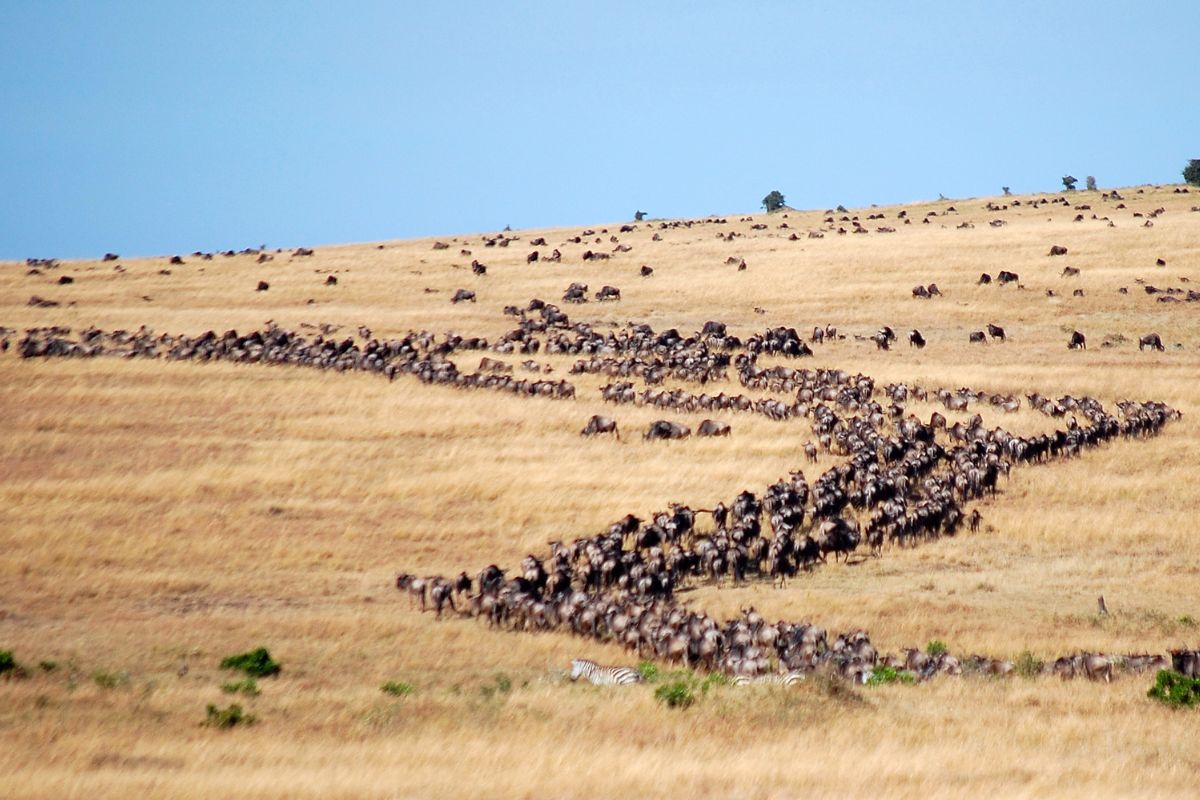
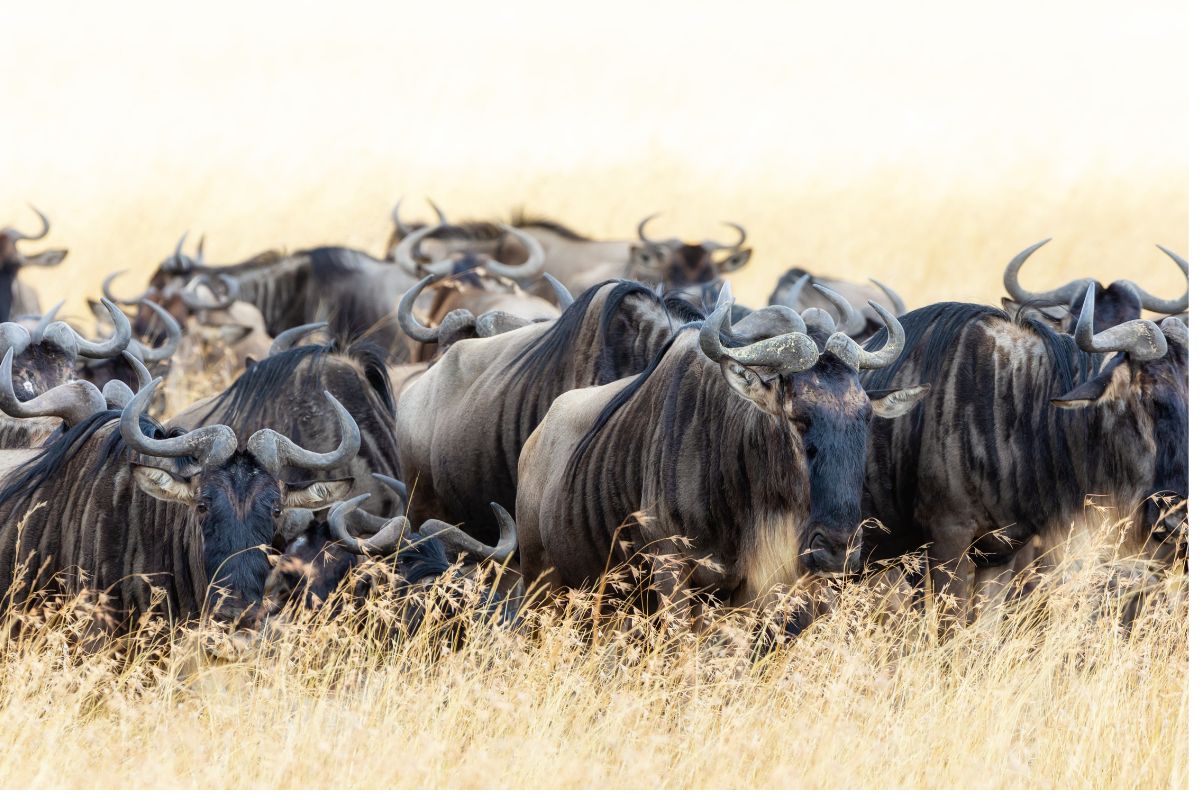
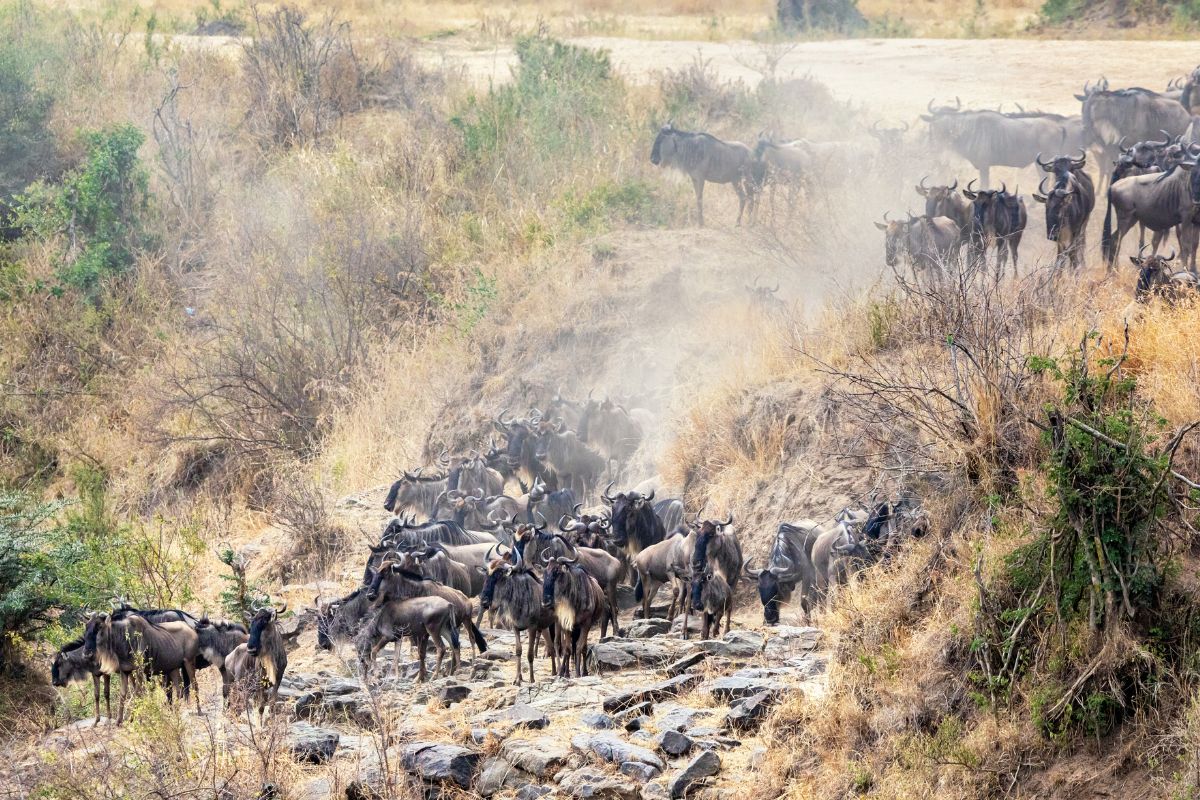
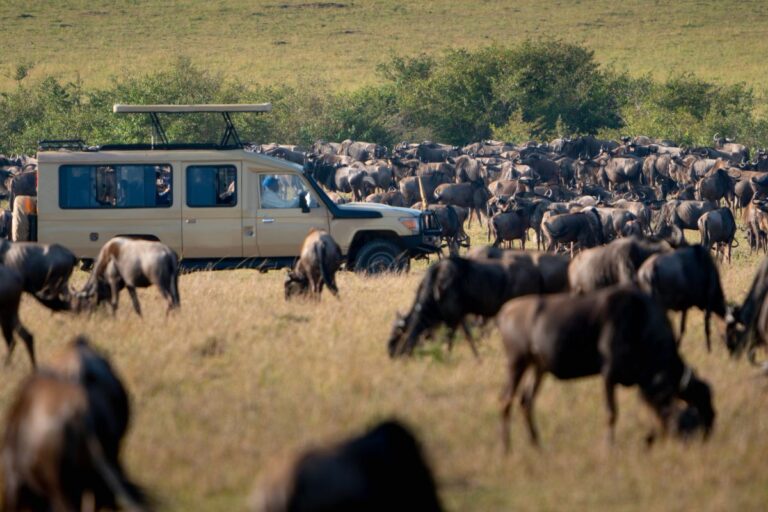
In the Maasai Mara, migration viewing is entirely dependent on timing, positioning, and field intelligence, making the choice of safari operator a decisive factor in the quality of the experience.
1. Predictive Wildlife Movement Interpretation
Instead of reacting to sightings after they happen, expert safari operators actively interpret environmental signals such as grazing pressure, rainfall shifts, and herd density patterns. These indicators help them anticipate where migration activity is likely to intensify within hours or days. This predictive capability ensures guests are positioned ahead of movement rather than chasing it after it has already occurred.
2. Precision Positioning at Critical Viewing Zones
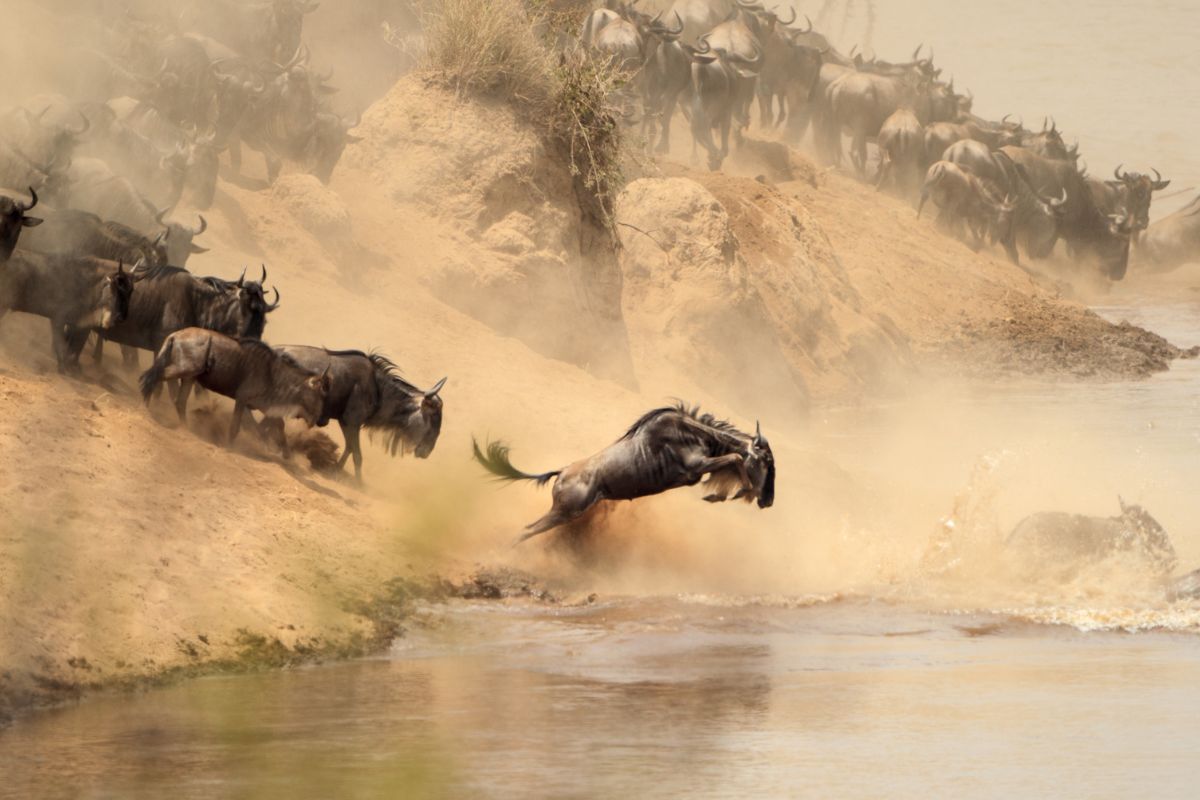
The Maasai Mara features multiple river crossing points along the Mara River, but only a few are active at any given time. Skilled operators use real-time field intelligence to position vehicles at high-probability crossing zones. This strategic placement significantly increases the chances of witnessing dramatic crossings instead of spending time at inactive locations.
3. Adaptive Safari Routing in Real Time
During migration season, fixed itineraries quickly become ineffective. Reliable operators continuously adjust safari routes throughout the day based on live sightings, guide communication networks, and herd movement direction. This flexibility ensures that every game drive responds dynamically to wildlife behavior rather than following a rigid schedule.
4. Deep Field Experience and Guide Intelligence
Experienced safari guides function as real-time wildlife analysts. They interpret subtle behavioral cues such as herd clustering, hesitation at riverbanks, predator proximity, and directional movement shifts. These micro-signals often indicate imminent crossings or predator activity long before they fully unfold.
5. Ecosystem-Level Understanding of Maasai Mara Dynamics
The Great Migration is not confined to a single area; it moves across conservancies, river systems, and open savannahs. Operators with ecosystem-level understanding recognize how these zones interact, enabling them to predict movement corridors and plan more effective safari routes across the entire landscape.
6. Access to Strategic Viewing Networks
Professional operators maintain constant communication with other guides, camps, and field teams across the Maasai Mara. This shared intelligence creates a live information network that tracks herd movements in real time. Independent travelers without this network often miss critical updates that determine where the action is happening.
7. Controlled Safari Flow for Maximum Exposure
Rather than rushing from one point to another, experienced operators structure game drives around peak activity windows. Early mornings, mid-day shifts, and late afternoon predator activity are carefully prioritized to maximize exposure to meaningful wildlife encounters instead of random sightings.
8. Risk-Aware Wildlife Engagement
Migration viewing often places vehicles near riverbanks and predator zones where conditions can shift quickly. A competent operator balances proximity with safety, ensuring guests experience close-up wildlife action while maintaining strict safety protocols and situational awareness.
9. Continuity of Experience Across Days
The migration is not a single event but a continuous movement over weeks and months. Reliable operators track herd progression across multiple days, ensuring that each safari builds on the previous one rather than treating every game drive as an isolated experience.
10. Outcome-Driven Safari Philosophy
Ultimately, the most defining trait of a high-quality safari operator is a focus on outcomes. Every decision—route selection, timing, positioning, and duration—is designed to maximize the probability of witnessing key migration moments, rather than simply completing a planned itinerary.
Luxury Safari Packages
Mid-Range Packages
Budget-Friendly
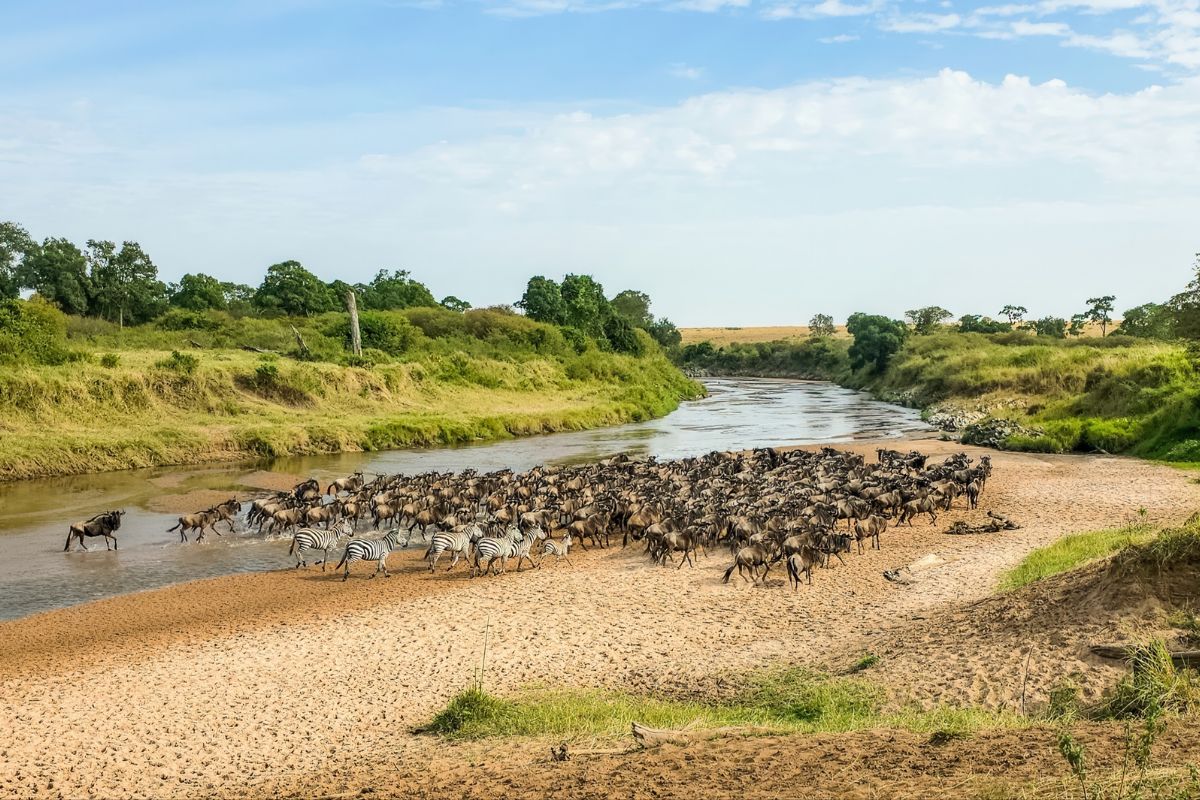
Timing is one of the most important factors when planning a Great Migration safari. While wildlife activity in the Maasai Mara is present throughout the year, the migration follows seasonal patterns, and understanding these patterns significantly improves your chances of witnessing the most dramatic moments.
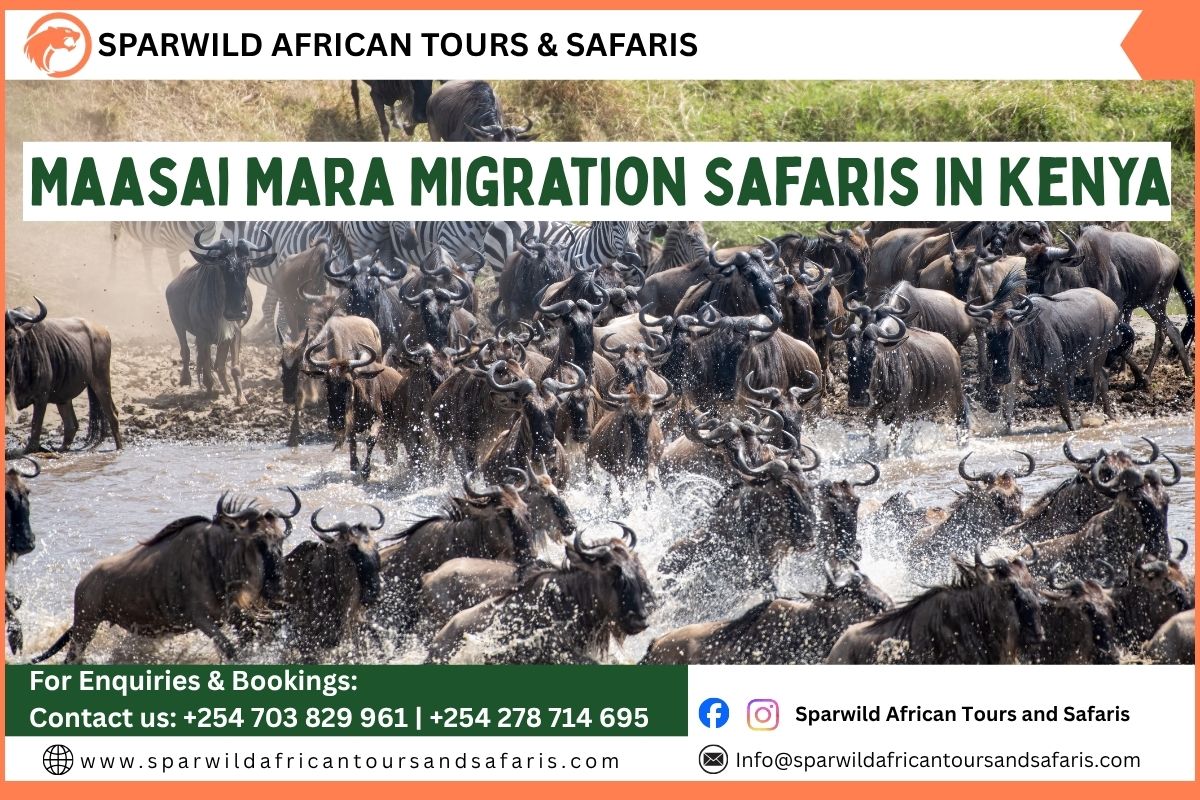
The peak migration season in the Maasai Mara typically runs from July to October, when massive herds cross from the Serengeti into Kenya in search of fresh grazing. This period is widely considered the best time because it offers the highest concentration of wildlife and the most anticipated river crossing events.
However, each phase of the migration offers a different experience:
July to August – Arrival and River Crossings
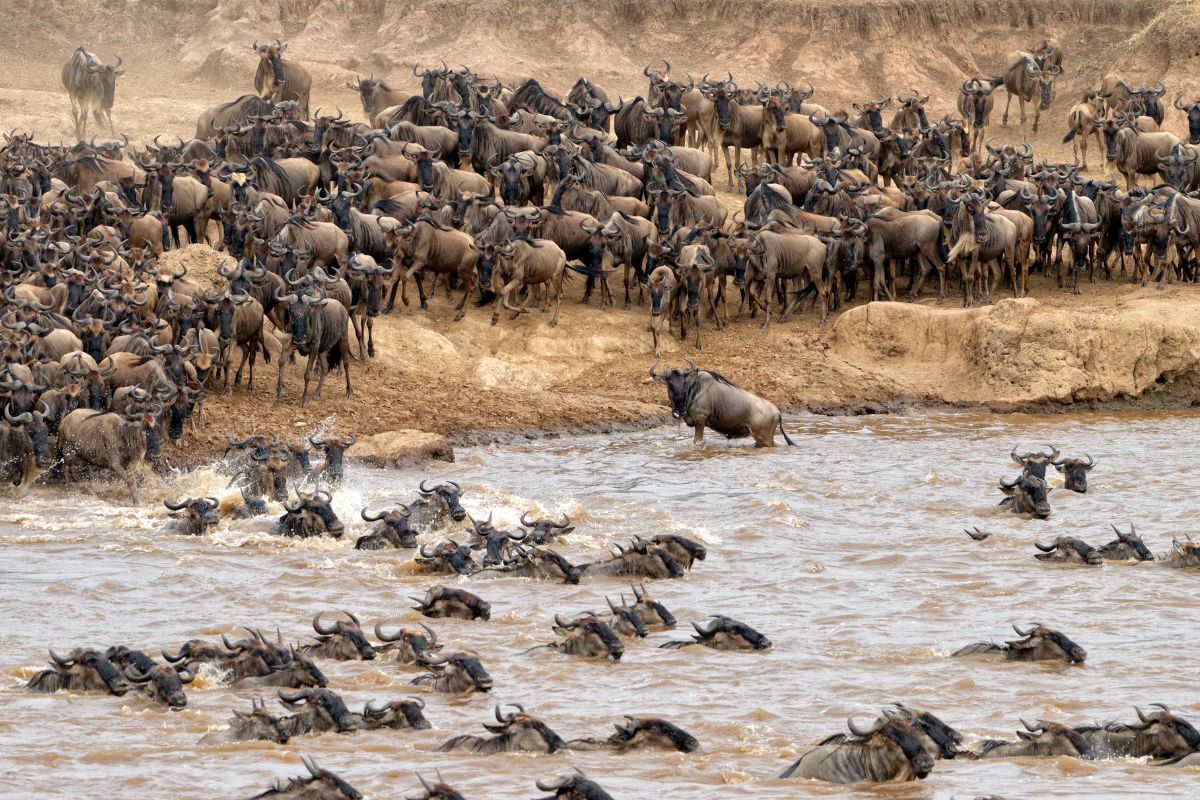
This is when the first major herds begin entering the Maasai Mara. River crossings become more frequent, creating intense scenes as wildebeest navigate crocodile-infested waters while predators wait nearby.
Best for:
- First migration arrivals
- Early river crossing action
- Predator activity near crossing zones
September to October – Peak Migration Viewing
This is often the most rewarding period, as herd numbers are at their highest across the Maasai Mara plains. Wildlife density increases significantly, making game drives more active and visually dramatic.
Best for:
- Large herd concentration
- Continuous migration movement
- Big cat hunting activity
November – Return Movement Begins
As rainfall patterns shift, some herds begin moving back toward the Serengeti. While river crossings reduce, wildlife viewing remains strong due to predator movement following the herds.
Best for:
- Less crowded safari experiences
- Extended predator interactions
- Late migration tracking
Ultimately, the best booking strategy is to plan early, especially for July to October, as camps and lodges near strategic migration zones fill quickly. Working with an experienced Maasai Mara Great Migration safari operator in Kenya helps align your travel dates with the most active migration phases, ensuring better timing and stronger wildlife viewing opportunities.
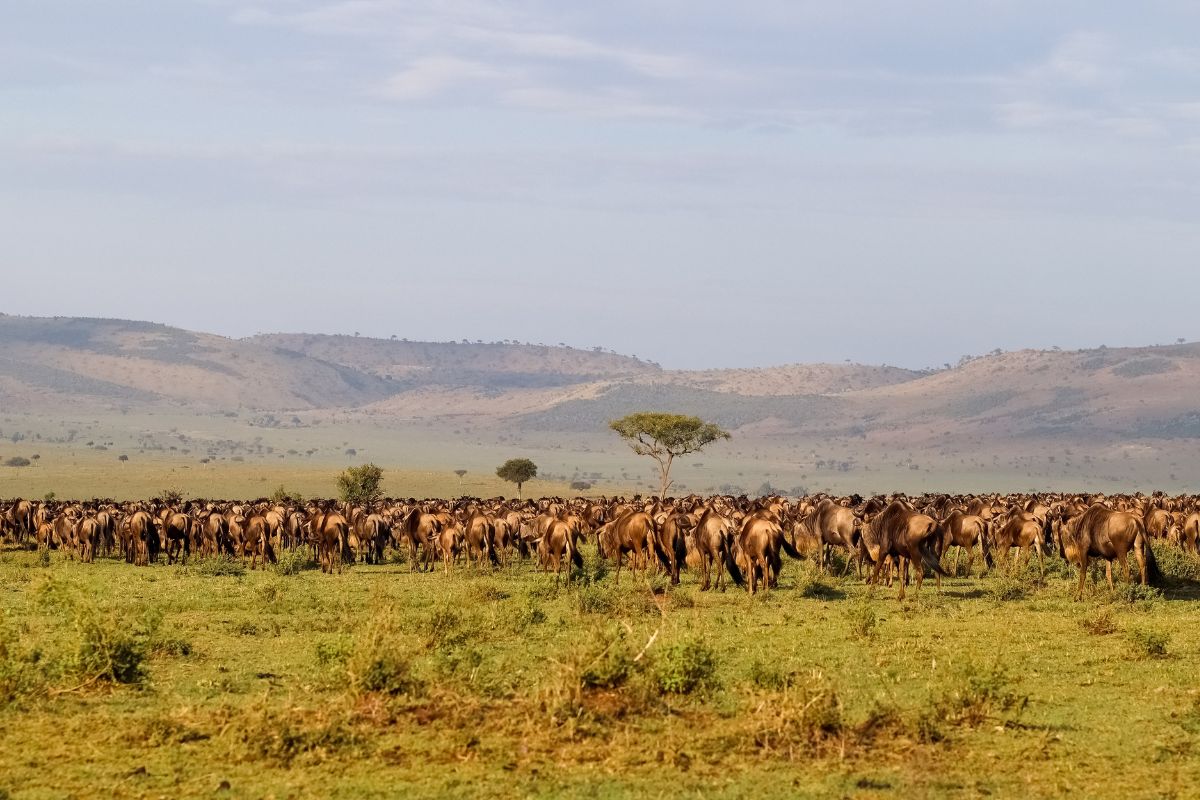
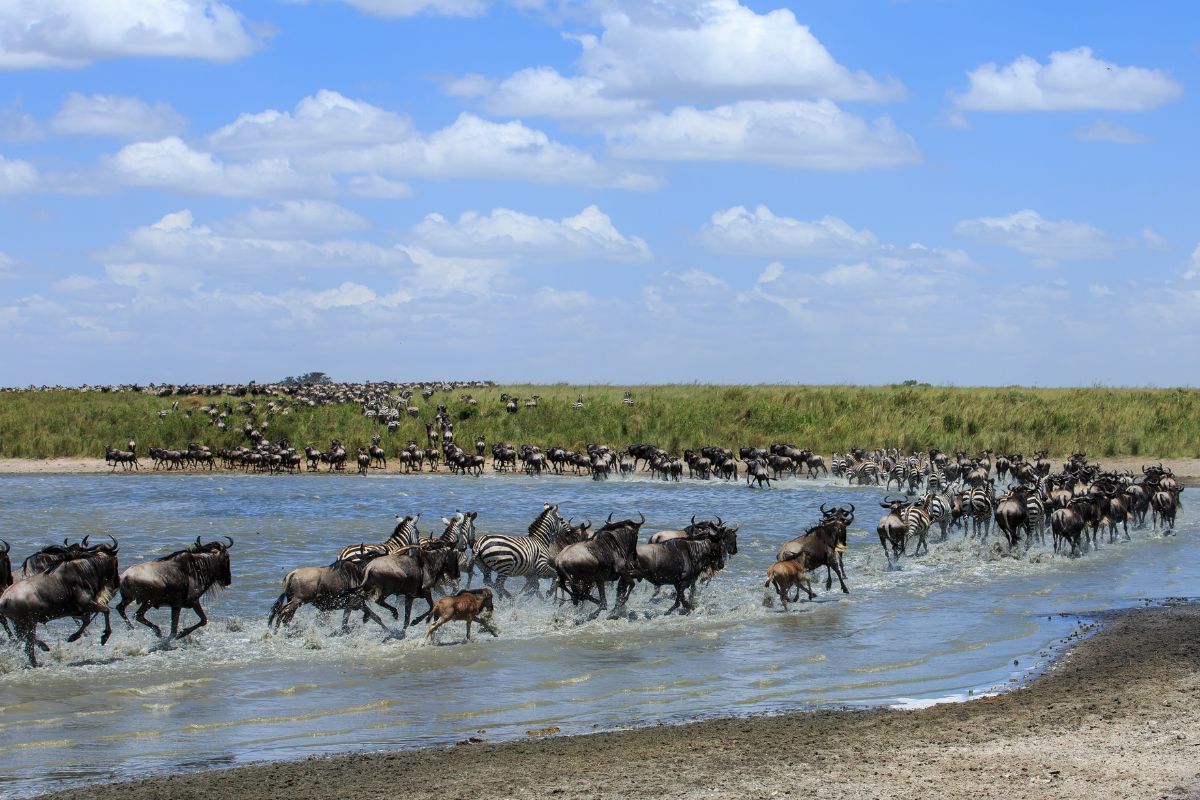
While the Great Migration is the main attraction, the Maasai Mara offers far more than seasonal herd movement. In fact, one of its greatest strengths is that even outside migration periods, the reserve remains one of Africa’s richest wildlife destinations. This means travelers booking with a trusted Maasai Mara Great Migration safari operator in Kenya gain access to a broader and more complete safari experience.
1. Big Five Wildlife Encounters
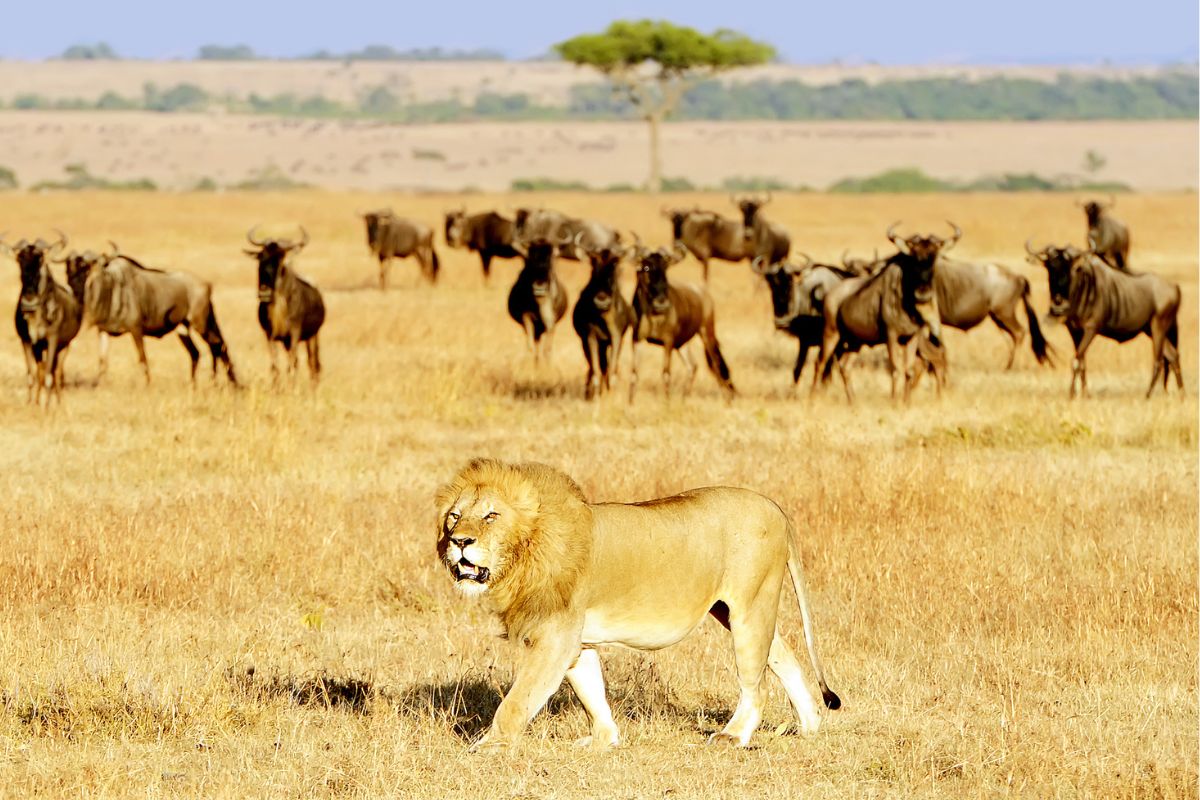
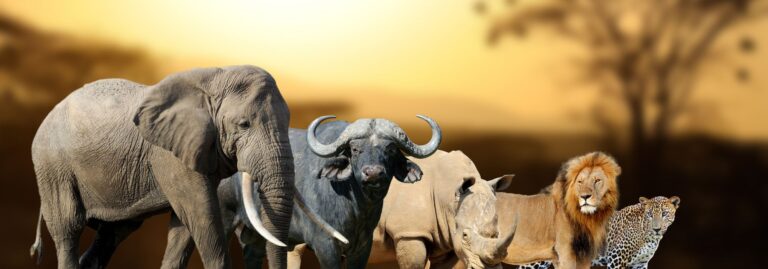
The Maasai Mara is one of the best places in Africa to spot the Big Five—lion, leopard, elephant, buffalo, and rhino. These iconic species are present throughout the year, making every game drive valuable even beyond migration activity.
What makes it special:
- High lion population density
- Strong leopard sighting opportunities
- Reliable elephant and buffalo encounters
2. Big Cat Hunting Action
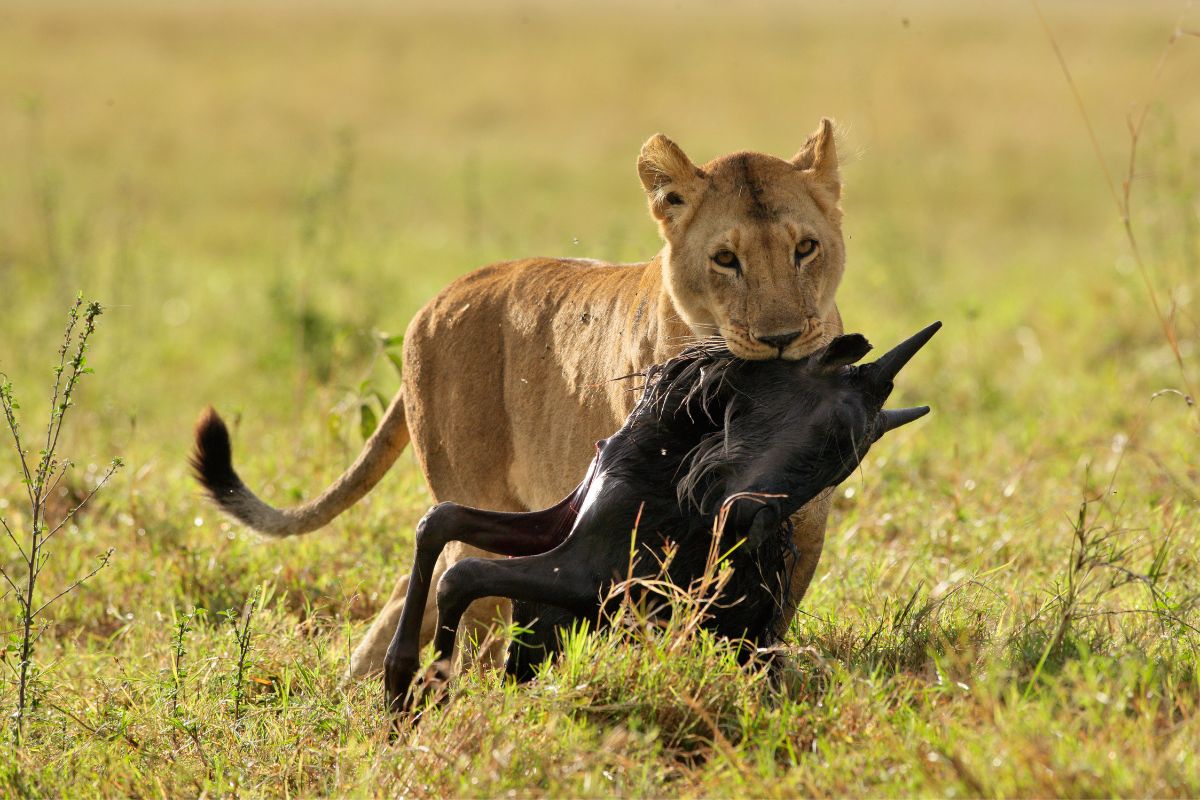
The open plains of the Maasai Mara create ideal hunting grounds for lions, cheetahs, and leopards. Watching these predators stalk and hunt in real time is one of the most thrilling wildlife experiences in the reserve.
What to expect:
- Lion pride coordination
- Cheetah high-speed pursuits
- Leopard ambush behavior
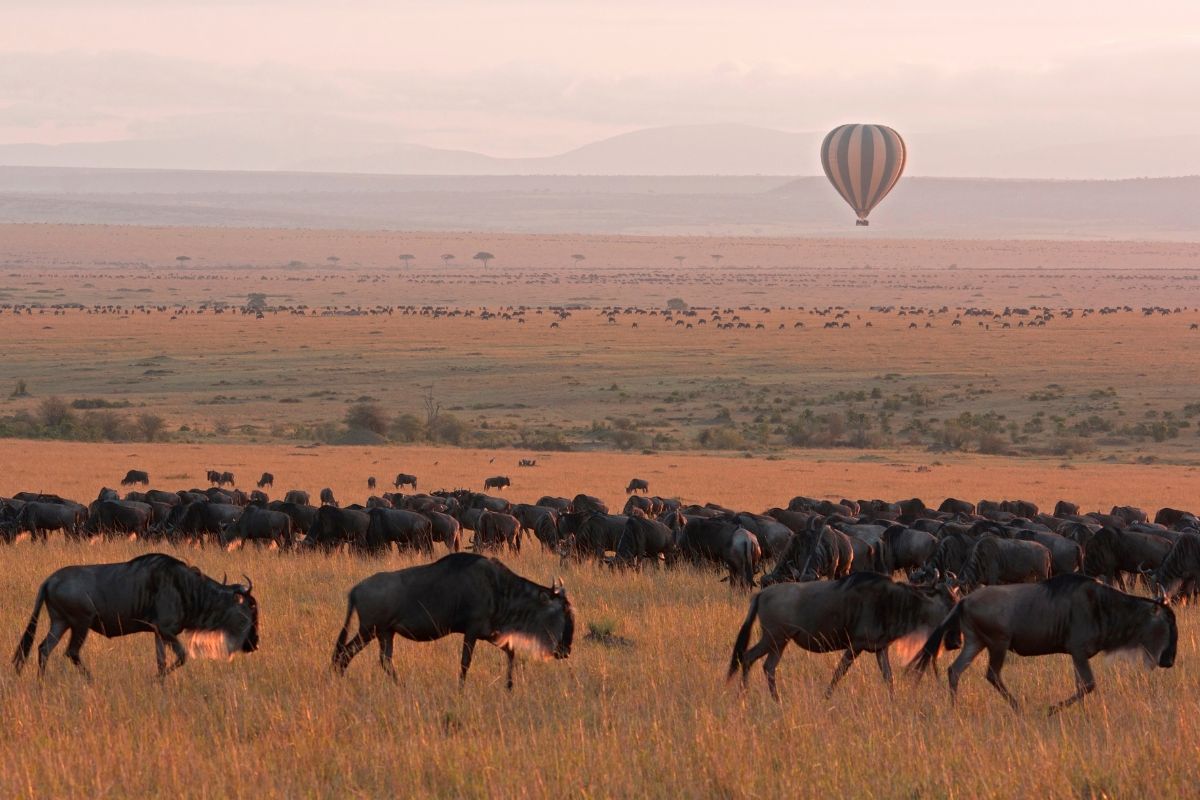
3. Hot Air Balloon Safari Experiences
A hot air balloon safari offers a completely different perspective of the Maasai Mara. Floating above the plains at sunrise provides panoramic views of wildlife movement and landscape patterns.
Highlights include:
- Aerial wildlife viewing
- Sunrise photography opportunities
- Bush breakfast experiences after landing
4. Birdwatching Adventures
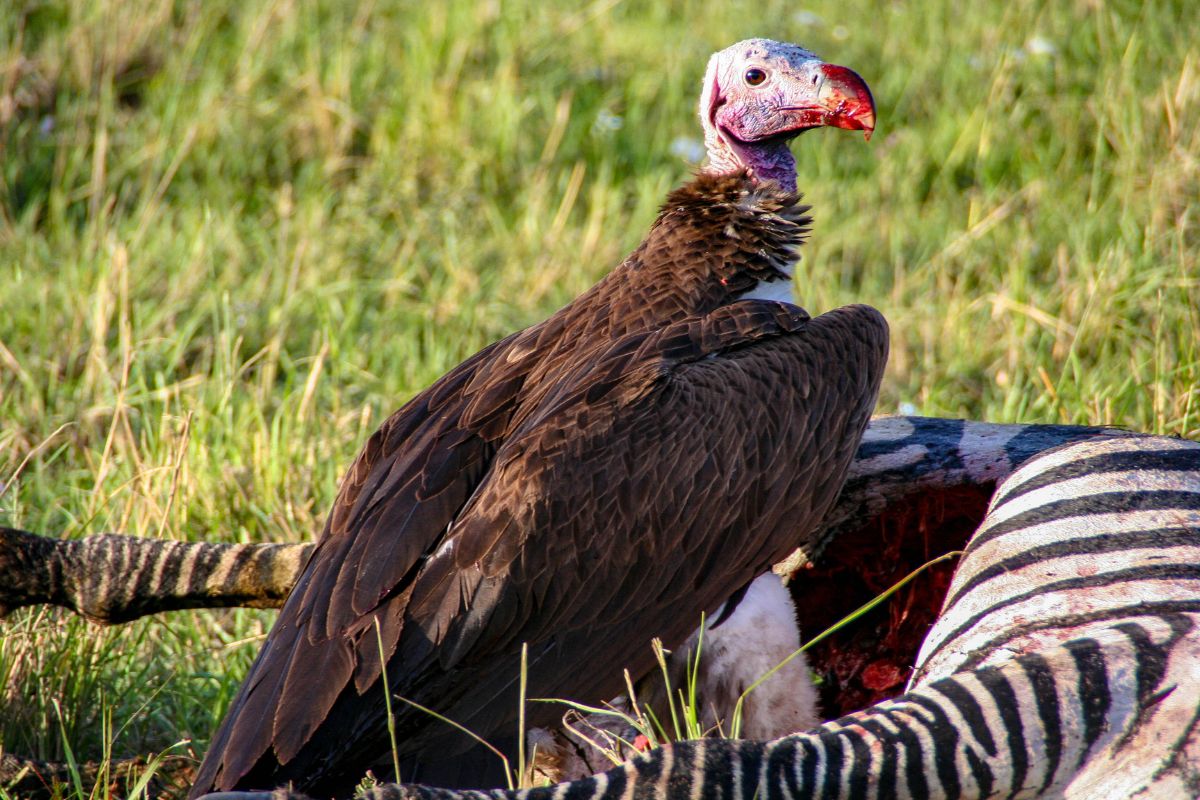
The Maasai Mara hosts over 450 bird species, making it a strong destination for birdwatchers. From large birds of prey to colorful savannah species, birdlife adds another layer to the safari experience.
Common sightings include:
- Eagles
- Vultures
- Secretary birds
- Ostriches
5. Cultural Visits to Maasai Villages
Beyond wildlife, visitors can engage with local Maasai communities and experience traditional culture, architecture, and lifestyle practices that have shaped the region for generations.
What to experience:
- Traditional Maasai dances
- Cultural storytelling
- Community interaction and heritage learning
6. Scenic Savannah Photography
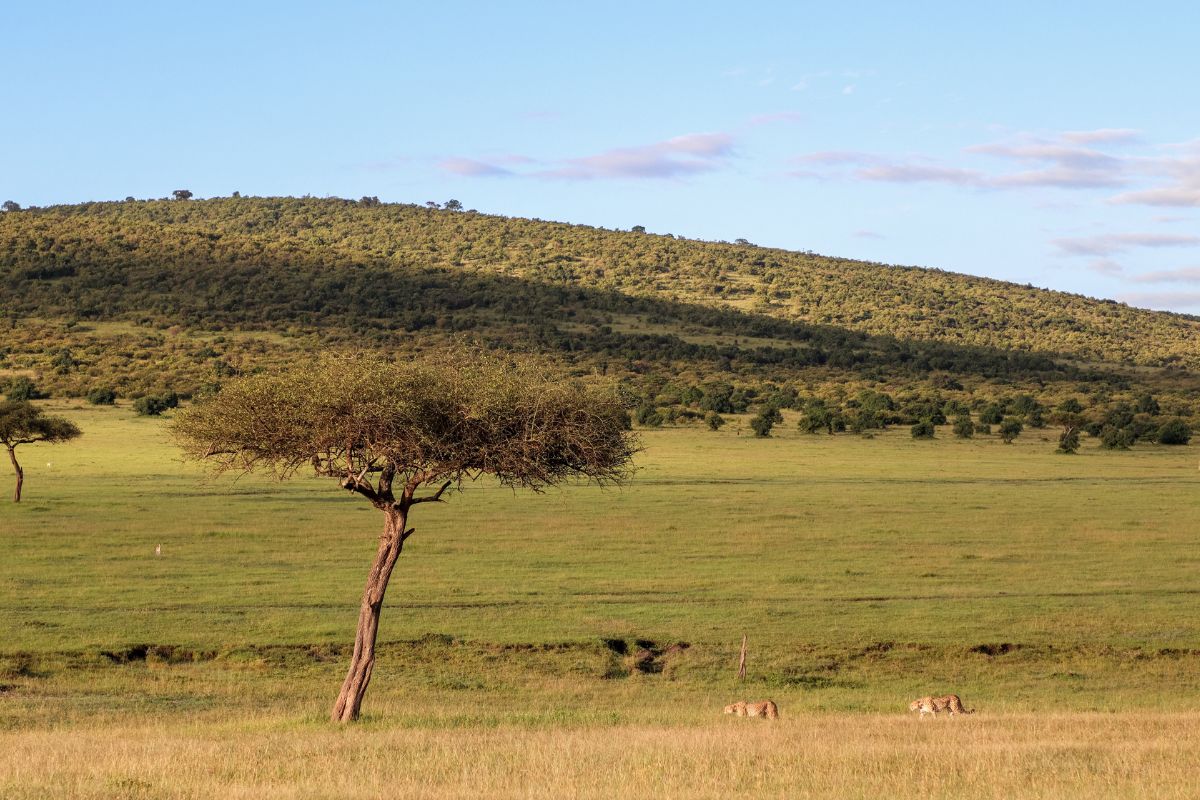
The Maasai Mara landscape itself is part of the experience. Endless plains, dramatic skies, acacia trees, and golden light create exceptional opportunities for landscape and wildlife photography.
Best moments:
- Sunrise game drives
- Sunset silhouettes
- Wildlife against open savannah backdrops
Together, these experiences make the Maasai Mara more than just a migration destination. They transform it into a complete safari ecosystem where every day offers something unique, even beyond the Great Migration itself.