Home » Best Time to See Great Migration

Best Time to See Great Migration

The Great Migration is one of the most remarkable wildlife spectacles on Earth, attracting travelers eager to witness massive herds moving across the plains of East Africa. Each year, millions of wildebeest, zebras, and gazelles travel in search of fresh grazing, creating dramatic wildlife encounters along the way. Understanding seasonal movement patterns helps travelers plan their safaris more effectively. Knowing the best time to see great migration allows visitors to experience this natural phenomenon at the right locations and moments.

2025/2026/2027 Top Family Friendly Safari Packages

Understanding the Great Migration Cycle

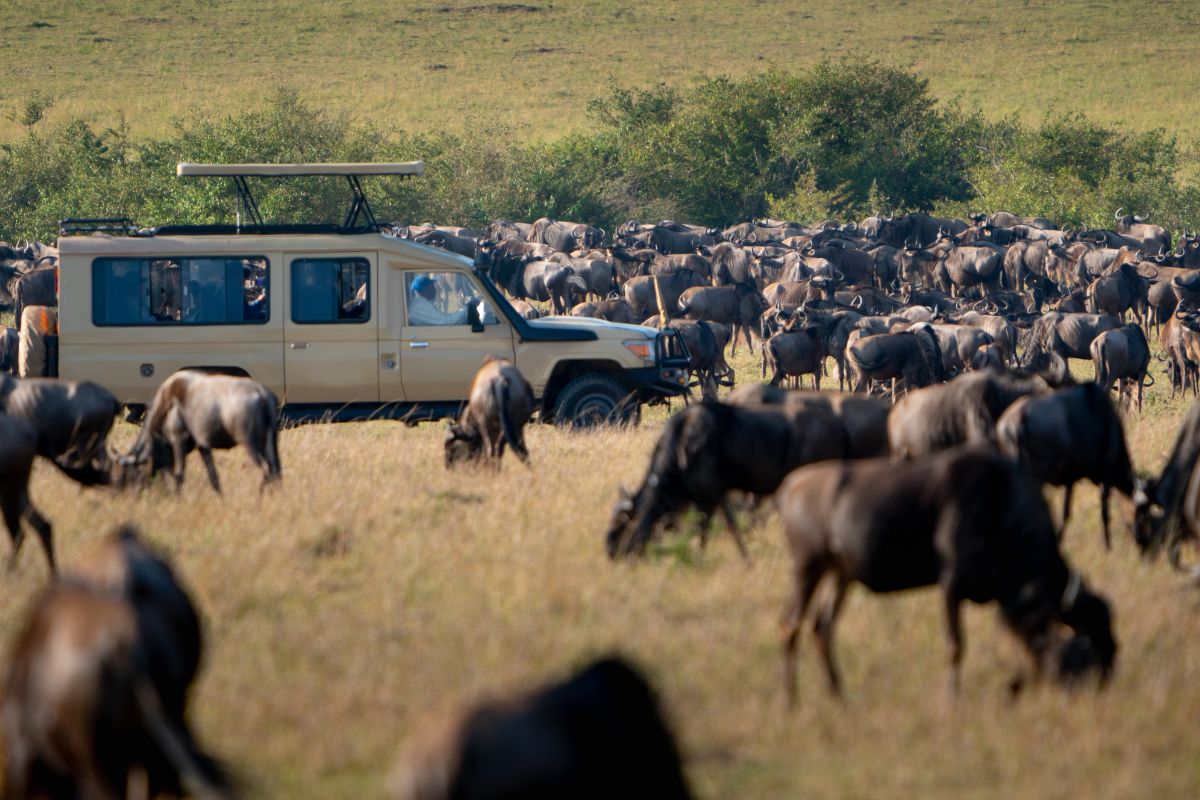
The Great Migration is not a single event but a continuous wildlife movement that takes place throughout the year. Herds travel between Kenya and Tanzania following rainfall patterns and fresh grazing lands. Because the animals move in response to environmental conditions, the migration can be experienced at different stages depending on the season. Understanding this cycle helps travelers identify the best time to see great migration based on their preferred wildlife encounters.

Best Time to See Great Migration in Kenya and Tanzania

The migration follows seasonal routes across East Africa, mainly between Tanzania’s Serengeti and Kenya’s Maasai Mara. Different months offer unique opportunities to observe herd movements, predator activity, and river crossings. Understanding how the migration progresses throughout the year helps travelers plan a well-timed safari adventure:

1. January to March – Calving Season in Serengeti

During the early months of the year, large herds gather in the southern Serengeti plains where thousands of wildebeest calves are born within a short period. This stage of the migration attracts predators such as lions, cheetahs, and hyenas that take advantage of the vulnerable young animals. Wildlife activity is often intense, creating dramatic scenes across the open savannah. Travelers visiting during this period can witness remarkable interactions between predators and prey.

2. April to June – Movement Through Central Serengeti

As the rainy season progresses, the herds begin moving northward through the Serengeti ecosystem. Animals spread across vast grasslands while searching for fresh grazing areas. This stage offers impressive herd sightings and opportunities to observe animals traveling in large columns across the plains. Although rain may occasionally occur, wildlife viewing remains rewarding due to the sheer number of animals moving together.

3. July to October – River Crossings in Maasai Mara

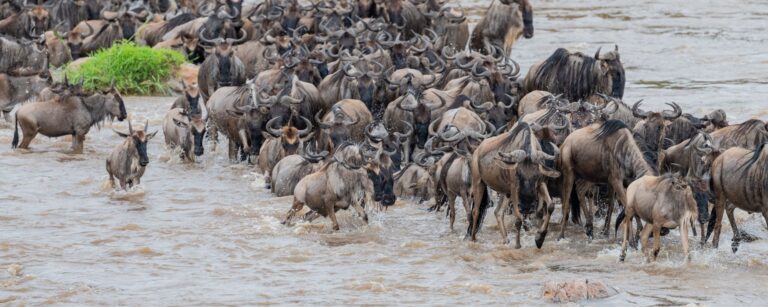
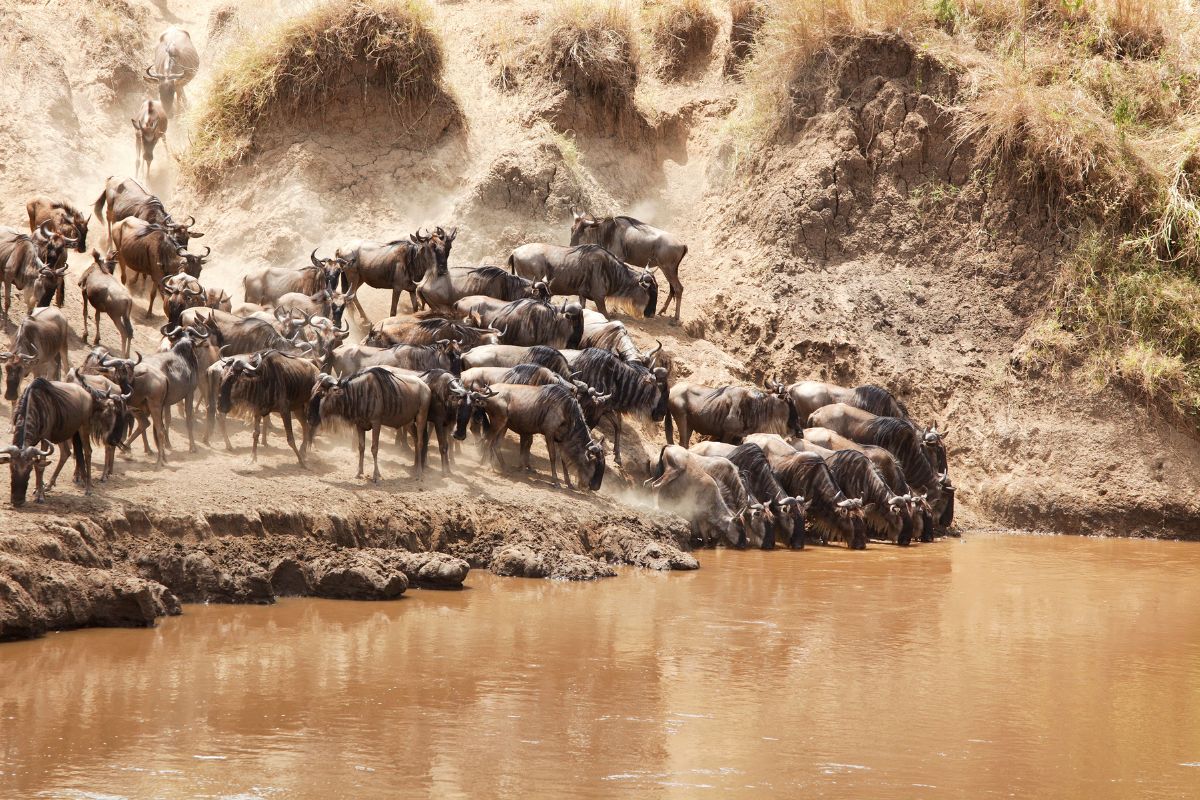
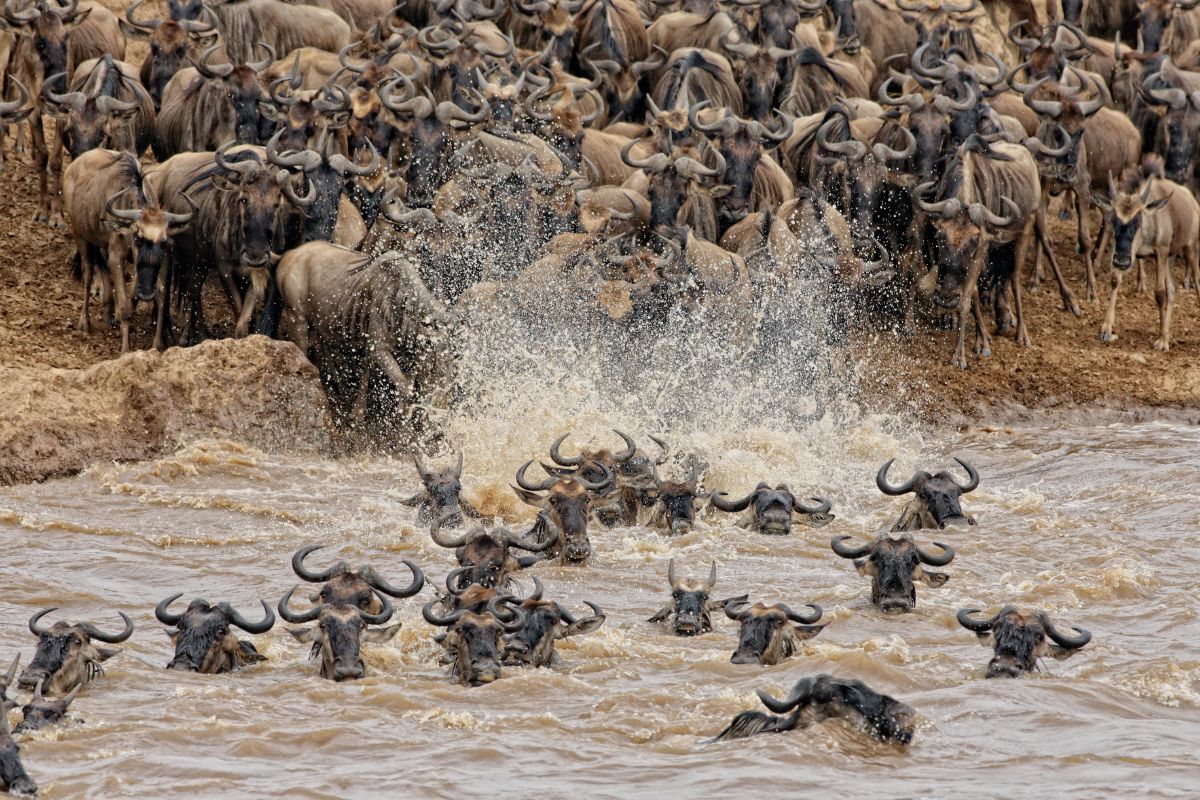
This period is widely recognized as one of the most dramatic phases of the migration. Massive herds reach the Mara River where they must cross crocodile-filled waters while predators wait nearby. The tension and unpredictability of river crossings create some of the most iconic wildlife moments in Africa. Travelers planning the best time to see great migration often aim for this stage because of its intense wildlife activity.

4. November to December – Return to Southern Serengeti

As rainfall begins again in the southern Serengeti, the herds gradually move back toward Tanzania. This phase marks the continuation of the migration cycle as animals return to nutrient-rich plains. The journey provides excellent opportunities to observe herds moving across diverse landscapes. Photographers and wildlife enthusiasts often enjoy quieter safari conditions during this time.

Factors That Influence the Great Migration Timing

Several environmental factors affect how the migration unfolds each year. Rainfall patterns, grazing conditions, and predator presence influence the movement of the herds across the Serengeti–Mara ecosystem. Because these elements change slightly from year to year, migration timing may vary. Understanding these factors helps travelers plan their safari more realistically:

3 Days Masai Mara Safari from Nairobi

1. Rainfall Patterns

Seasonal rains determine where fresh grass grows, which directly influences where the herds move next.

2. Availability of Grazing Land

Animals migrate in search of nutrient-rich grasslands that support large populations of grazing wildlife.

3. Predator Activity

Predators often follow the herds, creating intense wildlife interactions that attract safari travelers.

4. River Water Levels

River crossings depend on water levels and herd movement, which can change depending on rainfall.

Best Locations to Witness the Great Migration

The migration can be observed across several key locations within the Serengeti-Mara ecosystem. Each destination offers unique wildlife viewing opportunities depending on the season. Choosing the right location increases the chances of seeing large herds and dramatic animal interactions:

1. Maasai Mara National Reserve, Kenya

This reserve becomes one of the most active migration locations between July and October when herds cross from Tanzania into Kenya. Large predator populations and open savannah landscapes make wildlife sightings frequent and exciting.

2. Northern Serengeti, Tanzania

Northern Serengeti hosts several river crossing points where animals gather before attempting dangerous crossings. These areas provide exceptional wildlife viewing opportunities during the peak migration months.

3. Central Serengeti, Tanzania

Central Serengeti is a major corridor where herds pass while moving north or south. The region supports abundant wildlife and year-round safari opportunities.

4. Southern Serengeti, Tanzania

This region becomes the center of activity during the calving season early in the year. Vast plains attract large herds and predators searching for young prey.

Tips for Planning a Great Migration Safari

Planning ahead helps travelers increase their chances of witnessing one of Africa’s most iconic wildlife events. Proper preparation ensures visitors choose the right locations and travel periods. The following tips can help travelers plan a rewarding migration safari:

1. Research Seasonal Migration Patterns

Understanding how the migration moves throughout the year helps travelers choose the right destinations.

2. Plan Travel Dates Carefully

Selecting travel dates that align with migration stages increases the chances of witnessing large herd movements.

3. Choose Experienced Safari Guides

Professional guides understand wildlife behavior and know where to position vehicles for optimal viewing.

4. Allow Flexible Itineraries

Migration timing can shift slightly each year, so flexible travel plans help maximize wildlife sightings.

Why Travel with Sparwild African Tours and Safaris for the Best Time to See Great Migration

Planning a successful migration safari requires deep knowledge of wildlife movements, seasonal patterns, and the best viewing locations across Kenya and Tanzania. Working with experienced safari specialists ensures travelers reach prime wildlife areas at the right time while enjoying a seamless travel experience. When planning the best time to see great migration, partnering with a knowledgeable and reliable operator makes a significant difference:

6 days masai mara photogrAPHY SAFARI

1. Expert Knowledge of Migration Movements

We closely monitor seasonal wildlife movements across the Serengeti and Maasai Mara ecosystems. Our experienced guides understand migration patterns and track herd locations to position travelers in the most active wildlife areas. This expertise significantly increases the chances of witnessing dramatic migration moments. With our guidance, travelers experience the migration at the right place and time.

2. Professionally Guided Safari Experiences

Our professional safari guides bring years of field experience and deep knowledge of wildlife behavior. They help guests understand animal movements, predator interactions, and the broader ecosystem that supports the migration. Their expertise enhances both the educational and adventure aspects of the safari. Guests benefit from safe, informative, and engaging game drives throughout the journey.

3. Carefully Designed Migration Itineraries

We design well-structured safari itineraries that align with seasonal migration movements. Our planning ensures travelers visit destinations where the herds are most likely to be present. This approach maximizes wildlife viewing opportunities while maintaining a comfortable travel pace. Every itinerary is created to help travelers experience the best time to see great migration.

4. Seamless Safari Logistics and Travel Planning

We manage all logistical aspects of the safari to create a smooth and stress-free travel experience. This includes park permits, accommodation bookings, transportation arrangements, and guided game drives. Our team ensures every detail is organized professionally so travelers can focus entirely on enjoying the adventure. Proper logistics make migration safaris more efficient and enjoyable.

5. Personalized Safari Experiences

We understand that every traveler has unique interests and expectations when planning a safari. Our team offers customized safari packages that cater to wildlife enthusiasts, photographers, families, and luxury travelers. Personalized planning allows us to design trips that match specific travel goals. This flexibility helps visitors experience the migration in a way that suits their preferences.

6. Commitment to Memorable and Responsible Safaris

We are committed to providing memorable safari experiences while respecting wildlife conservation and responsible tourism practices. Our guides follow park regulations and ensure safe distances from animals during wildlife viewing. This approach protects the ecosystem while allowing travelers to enjoy authentic wildlife encounters. With us, visitors experience the best time to see great migration in a responsible and meaningful way.

Frequently Asked Questions About the Best Time to See Great Migration

Many travelers planning a safari want to understand when and where they can witness this remarkable wildlife movement. Questions about timing, destinations, and travel planning are common among first-time visitors. The following answers help clarify important details about the best time to see great migration:

1. When is the best time to see great migration river crossings?

The dramatic river crossings typically occur between July and October when herds reach the Mara River. During this time, animals attempt to cross while avoiding crocodiles and predators waiting along the riverbanks. These crossings are unpredictable and can happen multiple times in a single day. Travelers often plan safaris during this period to increase their chances of witnessing these intense wildlife moments.

2. Is the best time to see great migration the same every year?

Migration timing can vary slightly from year to year depending on rainfall patterns and grazing conditions. While general seasonal patterns remain consistent, herd movements may shift by a few weeks. Experienced safari operators monitor environmental conditions to predict herd locations. This flexibility helps travelers plan trips more accurately.

3. Where should I go during the best time to see great migration?

The ideal location depends on the stage of the migration cycle. During mid-year months, Maasai Mara in Kenya becomes a prime destination for river crossings and large herd sightings. Earlier months often favor the Serengeti plains in Tanzania. Choosing the right location helps travelers experience different phases of the migration.

4. How long does the Great Migration last each year?

The migration is a continuous year-round movement rather than a single event. Animals constantly travel between grazing areas across the Serengeti-Mara ecosystem. Different stages of the journey occur throughout the year depending on rainfall and grass availability. This means travelers can witness parts of the migration during multiple seasons.

5. Can I see predators during the best time to see great migration?

Yes, predators are frequently seen during migration seasons because large numbers of prey attract lions, cheetahs, and hyenas. Predator activity often intensifies during calving season and river crossings. These interactions create dramatic wildlife scenes that many safari travelers hope to witness. Skilled guides help position visitors for safe and rewarding sightings.

6. Is the Great Migration suitable for first-time safari travelers?

The migration is an excellent experience for first-time safari visitors because it offers high concentrations of wildlife. Large herds make animal sightings easier compared to other wildlife destinations. First-time travelers often appreciate the scale and excitement of the migration. Planning with an experienced safari operator ensures the journey is smooth and educational.

7. What animals are involved in the Great Migration?

The migration is led primarily by wildebeest, accompanied by zebras and gazelles traveling together across the plains. These animals move in massive numbers searching for fresh grazing areas. Their journey attracts predators that rely on them as a food source. This interaction between species creates the dynamic ecosystem seen during migration seasons.

8. How many animals participate in the Great Migration?

More than a million wildebeest participate in the migration each year, accompanied by hundreds of thousands of zebras and gazelles. This enormous movement of animals creates one of the largest wildlife spectacles on the planet. The sight of herds stretching across the savannah is truly remarkable. Many travelers consider it a once-in-a-lifetime safari experience.

9. Can photographers capture great wildlife moments during the best time to see great migration?

Yes, the migration offers exceptional opportunities for wildlife photography. Large herds, predator interactions, and dramatic landscapes create powerful visual scenes. Photographers often plan trips during river crossing months for action-filled moments. Guides also help position vehicles in ideal locations for capturing memorable images.

10. How do safari operators track the migration herds?

Professional safari operators work with experienced guides who monitor herd movements and environmental conditions. They track rainfall patterns, grass growth, and wildlife sightings across the ecosystem. This information helps determine the most active migration locations. As a result, travelers have better chances of seeing the migration.

11. How far do animals travel during the Great Migration?

The migration route covers roughly 800 to 1,000 kilometers across Kenya and Tanzania. Animals move continuously between grazing areas throughout the year. This journey helps them access fresh grass and water sources. The scale of this movement makes it one of the most extraordinary wildlife events on Earth.

12. Why choose Sparwild African Tours and Safaris for the best time to see great migration?

We at Sparwild African Tours and Safaris design safari experiences that align with the seasonal movements of the migration. Our team carefully monitors herd locations to ensure travelers visit the most active wildlife areas. We also manage all travel logistics so visitors can focus on enjoying their safari. With our expert guidance, travelers can confidently plan their trip around the best time to see great migration.

Best Christmas Holiday Destinations in Kenya with Explore the best tour holiday packages across Africa with Sparwild African Tours and Safaris, the Best Tour Operator in Kenya.

Book Your Safari with Sparwild African Tours and Safaris for the Best Time to See Great Migration

Plan your migration adventure with Sparwild African Tours and Safaris today. Our expert team will help you choose the right travel season and destinations for an unforgettable wildlife experience. Contact us now to design a personalized safari itinerary that aligns with the best time to see great migration. Let us guide you to one of Africa’s most extraordinary natural spectacles.