Snorkeling in Kenya 2026 Guide: Discover Best Destinations
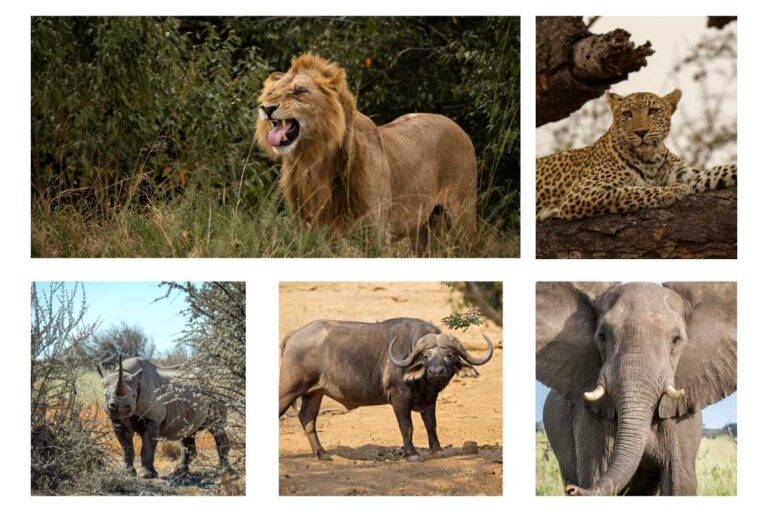
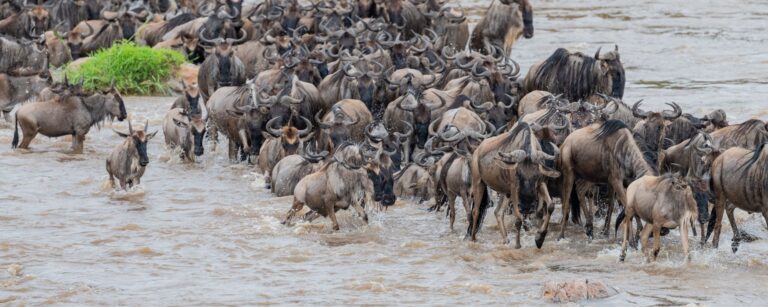
Kenya is globally celebrated for Big Five safaris and the Great Migration — but few travelers realize that its Indian Ocean coastline offers some of the most rewarding snorkeling experiences in East Africa. With warm tropical waters, protected marine parks, coral gardens, and year-round accessibility, snorkeling in Kenya is ideal for beginners, families, and experienced ocean lovers alike. If you’re planning a Kenya beach holiday or adding coastal relaxation after your safari, this guide will help you do it right.
Snorkeling is a surface water activity that allows individuals to observe underwater environments using a mask, a snorkel (a curved breathing tube), and often fins for propulsion. Unlike scuba diving, snorkeling does not require heavy equipment or deep submersion, as participants remain at or near the water’s surface while breathing through the snorkel. This makes it an accessible and beginner-friendly way to explore coral reefs, marine life, and coastal ecosystems. By simply floating and looking downward through a clear mask lens, snorkelers can experience vibrant underwater biodiversity with minimal training and equipment.
Why Snorkeling in Kenya Is So Special
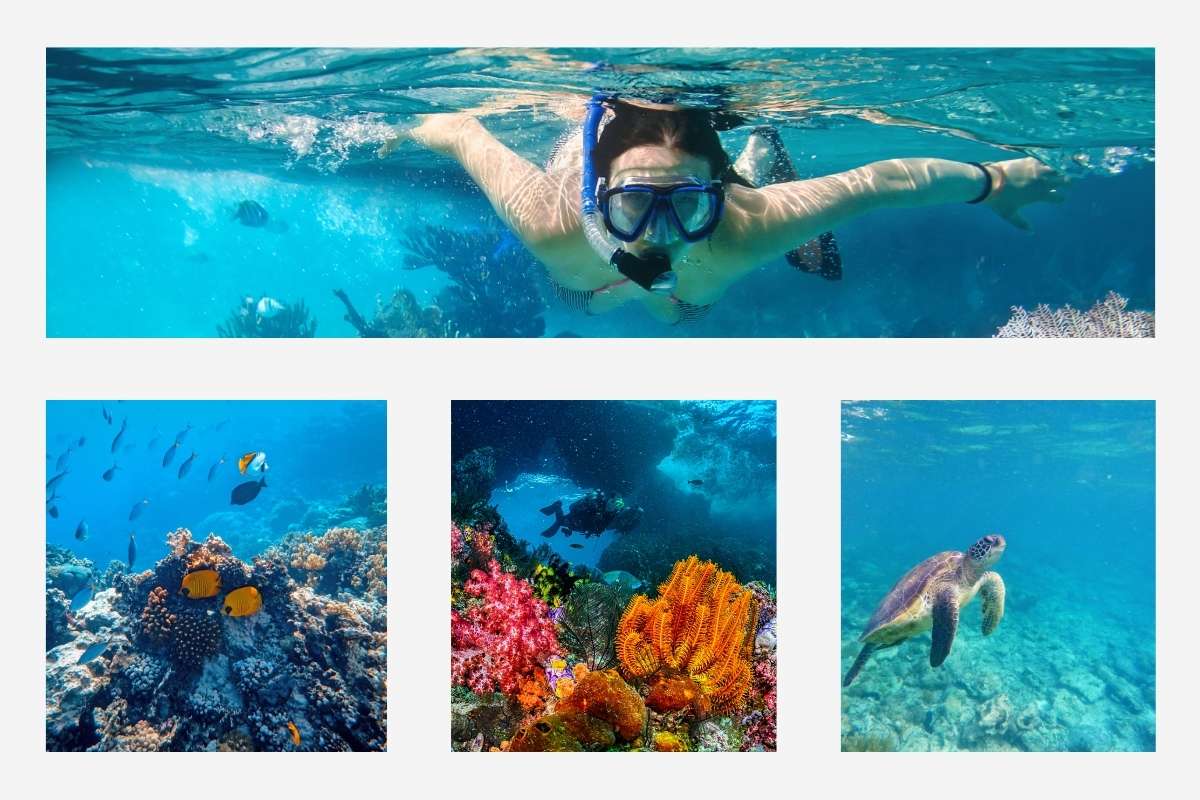
Kenya’s coastline stretches over 500 km along the Indian Ocean and is protected in many areas by offshore coral reefs. These reefs create calm lagoons with excellent visibility and vibrant biodiversity. Here are top 5 reasons that make Kenya exceptional for snorkeling:
-
Warm Water Temperatures Year-Round (24–30°C): Kenya’s Indian Ocean coastline enjoys consistently warm sea temperatures throughout the year, typically ranging between 24°C and 30°C. This eliminates the need for wetsuits in most seasons and makes snorkeling comfortable for extended periods. The stable tropical climate also reduces seasonal extremes, allowing travelers to plan beach extensions with confidence. Whether visiting in January or July, the water remains inviting and suitable for beginners and experienced snorkelers alike.
-
Fringing Coral Reefs Close to Shore: Much of Kenya’s coastline is protected by fringing coral reefs that lie relatively close to the beach. These reefs create natural lagoons with calmer waters, making entry easier and safer for snorkelers. Because the reef systems are shallow in many areas, marine life is visible without deep diving. This accessibility makes Kenya particularly attractive for families and casual ocean explorers.
-
Protected Marine Parks with Healthy Ecosystems: Kenya has established several marine protected areas to conserve coral reefs and marine biodiversity. These designated parks limit destructive activities, allowing coral systems and fish populations to thrive. As a result, snorkelers experience healthier reefs, clearer waters, and greater marine abundance compared to unprotected coastlines. The conservation framework ensures long-term sustainability of Kenya’s underwater ecosystems.
-
Easy Access from Diani, Watamu, Malindi, and Mombasa: Kenya’s major beach destinations provide direct access to prime snorkeling locations. From Diani Beach on the south coast to Watamu and Malindi on the north coast, marine parks and reef systems are reachable within minutes by boat or even from shore. Mombasa, as a major coastal hub, offers convenient infrastructure including international airports and well-developed resorts. This accessibility makes it simple to incorporate snorkeling into both short stays and extended holidays.
-
Ideal Combination of Safari + Beach in One Country: Few destinations in the world allow travelers to experience iconic wildlife safaris and tropical beach relaxation within a single itinerary. In Kenya, visitors can explore the savannahs of the Masai Mara or Tsavo National Parks and then unwind along the Indian Ocean coast within the same trip. This seamless transition from bush to beach creates a diversified travel experience without additional international flights. The contrast between big game wildlife and vibrant coral reefs is what makes Kenya uniquely compelling as a multi-experience destination.
Unlike some destinations that require deep diving to experience marine life, Kenya offers abundant reef activity in shallow waters — perfect for snorkeling.
Top 5 Best Snorkeling Spots in Kenya
Kenya’s coastline is not uniform — reef structure, visibility, biodiversity, and accessibility vary significantly from one region to another. Some areas offer offshore coral gardens requiring boat access, while others provide shallow reef platforms just steps from the beach. Understanding these differences helps travelers choose the right location based on experience level, expectations, and travel style. Below are top 5 Kenya’s premier snorkeling destinations:
1. Kisite-Mpunguti Marine National Park (Best Overall)

Located near Shimoni on Kenya’s south coast, just beyond Diani Beach, Kisite-Mpunguti Marine National Park is widely regarded as the country’s finest snorkeling destination. This protected marine sanctuary consists of coral reefs, small islets, and open-water reef drop-offs that support remarkable biodiversity. The area is less impacted by coastal runoff, which contributes to clearer offshore visibility compared to many nearshore reefs. Snorkeling here is conducted via guided boat excursions, allowing access to deeper and healthier coral systems away from shoreline disturbance.
What You’ll See Underwater in Kisite Mpunguti Marine National Park
The coral formations here are structurally complex and vibrant, creating habitat for dense fish populations. You’ll encounter:
-
Parrotfish grazing on coral — easily recognized by their bright colors and beak-like mouths.
-
Angelfish and butterflyfish, known for their vivid patterns and graceful movements around reef structures.
-
Moray eels, often peeking out from crevices in coral heads.
-
Rays, gliding along sandy reef channels.
-
Green and hawksbill turtles, feeding on seagrass beds and reef algae.
-
During boat transfers, pods of dolphins are frequently spotted in open waters.
The ecological health of Kisite makes fish density noticeably higher than in many shore-based sites.
Best for: Travelers seeking a premium, high-biodiversity marine experience.
2. Watamu Marine National Park (High Biodiversity)
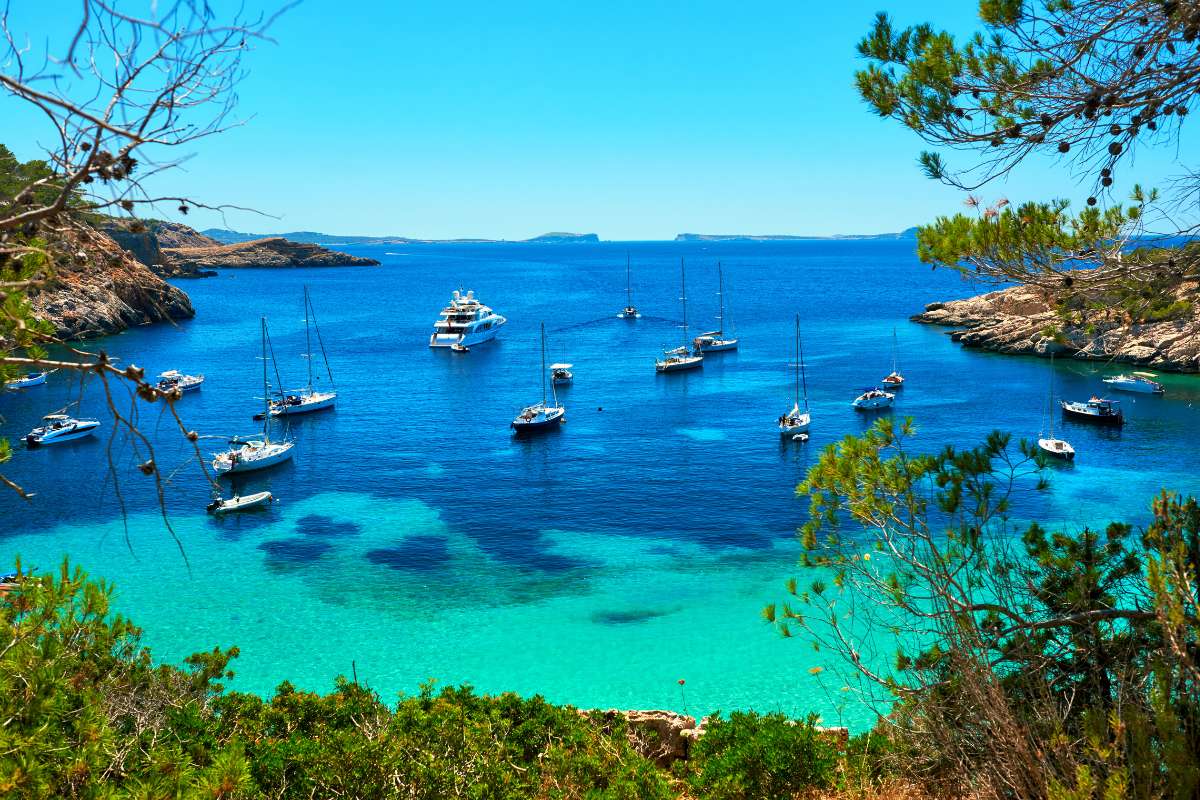
Watamu Marine National Park is one of East Africa’s oldest marine protected areas and a benchmark for conservation success. Its coral gardens, lagoons, and reef flats create a mosaic of habitats supporting extraordinary species diversity. The shallow reef platforms make this park especially accessible to families and first-time snorkelers.
Water clarity here can be excellent, particularly during dry seasons when ocean conditions are calm.
What You’ll See Underwater in Watamu Marine National Park
Watamu is home to more than 600 fish species, making biodiversity one of its strongest assets. Common sightings include:
-
Surgeonfish and triggerfish, actively feeding along coral slopes.
-
Clownfish, sheltering within sea anemones.
-
Green sea turtles and hawksbill turtles, often seen cruising slowly through reef corridors.
-
Reef-building hard corals, including brain coral and branching coral systems that provide structural complexity.
-
Occasional reef predators such as trevallies hunting smaller schooling fish.
The combination of calm lagoons and reef diversity creates a balanced and visually engaging snorkeling environment.
Best for: Families, conservation-minded travelers, and biodiversity enthusiasts.
3. Diani Beach & Tiwi Beach (Shore Snorkeling)
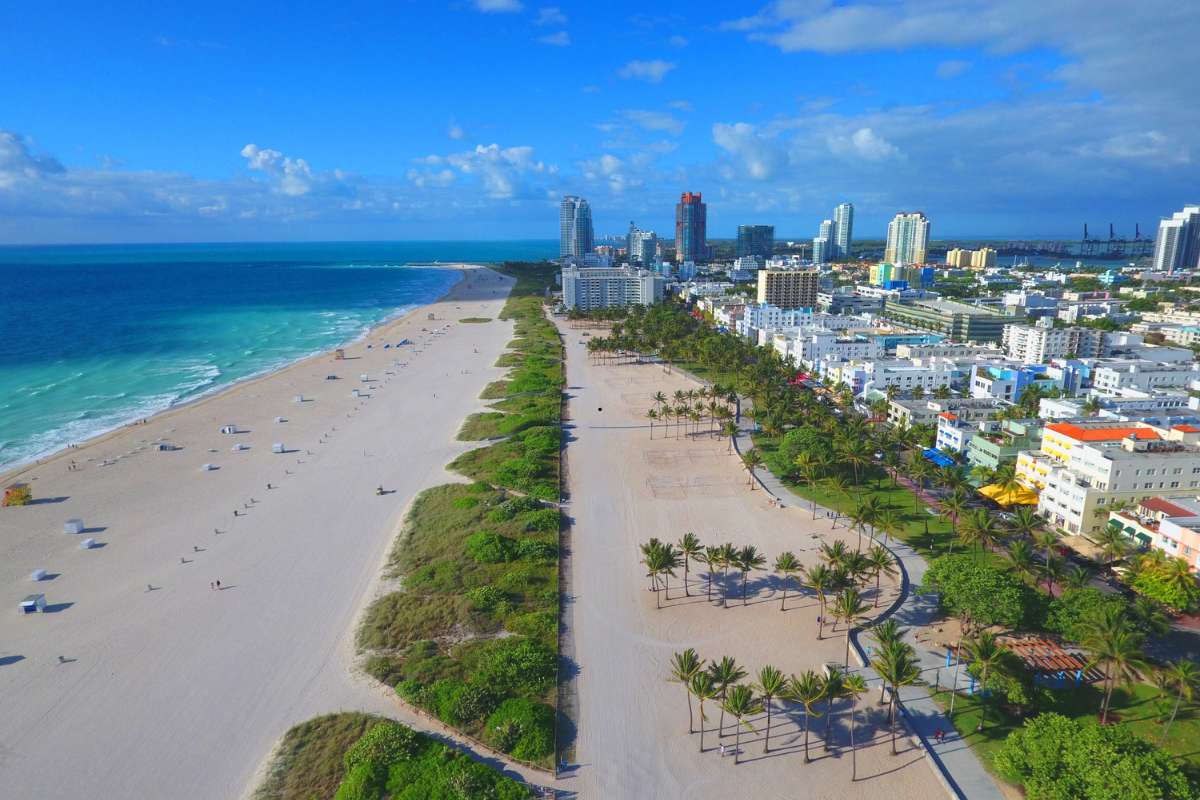
Diani Beach offers convenient shore-based snorkeling, particularly during low tide when reef platforms become easily accessible. The fringing reef acts as a natural barrier, forming calmer lagoon waters suitable for casual exploration. While not as dense as offshore marine parks, these reef flats provide rewarding sightings for relaxed snorkeling sessions.
Tiwi Beach, located slightly north of Diani, offers a quieter and less commercialized alternative.
What You’ll See Underwater in Diani Beach & Tiwi Beach
These shallow reef systems support smaller reef inhabitants and invertebrates:
-
Clownfish darting among anemones.
-
Sea stars resting on sandy patches between coral heads.
-
Cowfish, recognizable by their boxy shape and horn-like protrusions.
-
Juvenile reef fish sheltering within coral crevices.
-
Sea urchins, typically found in rocky or coral-rich areas.
Because the reef is shallow, marine life is often observed at close range, making it ideal for beginners.
Best for: Independent travelers and relaxed beach holidaymakers.
4. Mombasa Marine National Park (Beginner Friendly)
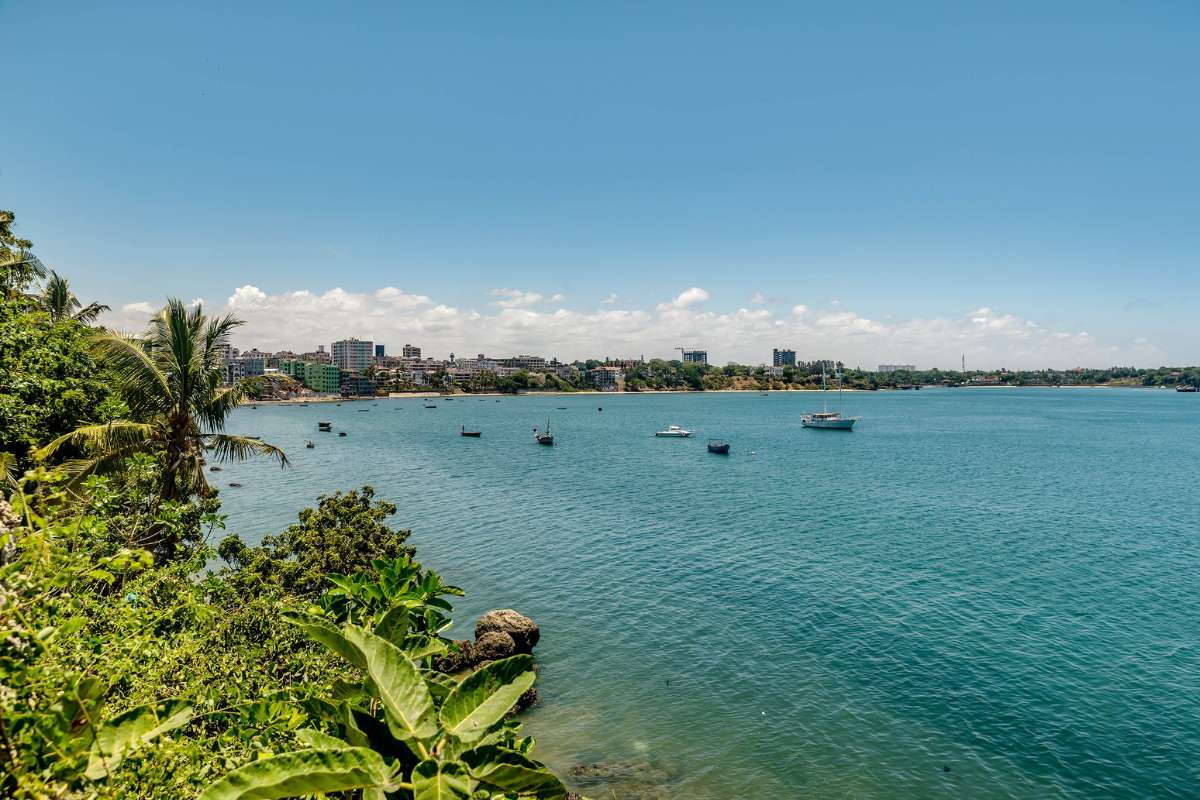
Situated off the coast near Nyali and Bamburi beaches, Mombasa Marine National Park is one of Kenya’s most accessible snorkeling locations. Its proximity to the city makes it ideal for short coastal stays or half-day marine excursions. The reefs here are relatively shallow, and boat access is quick and straightforward.
Conditions are generally best during dry seasons when waters are calmer and clearer.
What You’ll See Underwater in Mombasa Marine National Park
The park features a mix of coral patches and sandy reef channels. Expect to encounter:
-
Colorful reef fish schools moving in coordinated formations.
-
Butterflyfish and angelfish, common across Kenya’s reefs.
-
Occasional sea turtles, particularly in seagrass zones.
-
Reef-associated invertebrates such as sea cucumbers and starfish.
While not as expansive as Kisite, it offers a manageable and enjoyable introduction to Kenya’s marine ecosystems.
Best for: First-time snorkelers and short coastal stays.
5. Lamu Archipelago & Northern Coast (Hidden Gems)
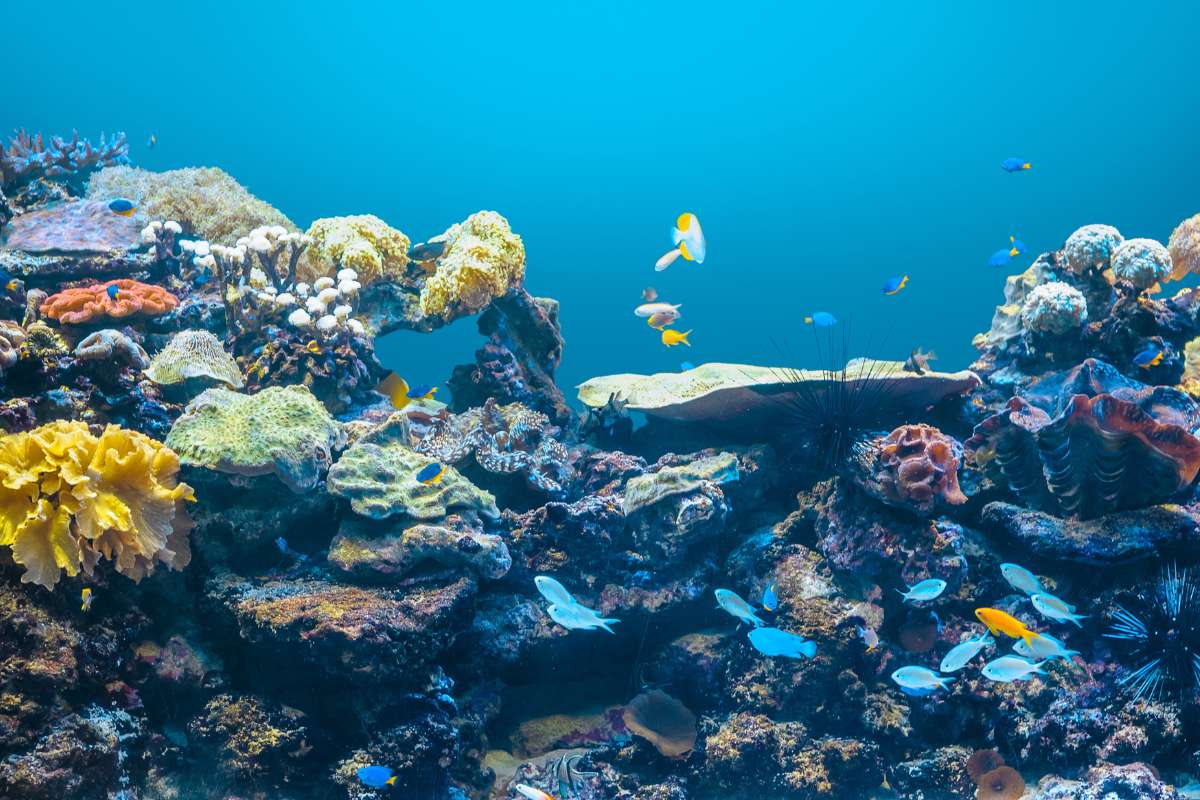
The northern coastline and the Lamu Archipelago remain among Kenya’s least disturbed marine environments. Lower visitor volumes and limited coastal development help preserve coral health and underwater visibility. Snorkeling here often feels more exclusive due to minimal boat traffic and fewer organized excursions.
These areas appeal to travelers seeking privacy and natural authenticity.
What You’ll See Underwater
Because reefs here experience less pressure, coral systems can appear relatively undisturbed. Common marine encounters include:
-
Healthy branching and plate coral formations.
-
Reef fish species similar to southern parks but in quieter surroundings.
-
Occasional larger pelagic species moving along reef edges.
-
Calm, turquoise waters that enhance underwater visibility.
The sense of seclusion often becomes as memorable as the marine life itself.
Best for: Luxury travelers and off-the-beaten-path explorers.
Best Time to Go Snorkeling in Kenya
Snorkeling is possible year-round, but some months offer better conditions.
Best Conditions:
December to March
- Calm seas
- Excellent visibility
- Warm water temperatures
Good Conditions:
June to October
- Slightly breezier
- Generally good visibility
- Ideal for combining with safari high season
Less Ideal:
April to May (Long Rains)
- Reduced visibility due to runoff
- Rougher seas possible
Morning snorkeling sessions usually provide the calmest waters and clearest visibility.
Marine Life You Can Expect to See
Kenya’s coral reefs support impressive biodiversity. While sightings vary, you may encounter:
Reef Fish
- Parrotfish
- Angelfish
- Butterflyfish
- Triggerfish
- Surgeonfish
Larger Species
- Green sea turtles
- Hawksbill turtles
- Stingrays
- Reef sharks (rare but possible)
Seasonal Sightings
- Dolphins
- Whale sharks (offshore, not typical shallow snorkel zones)
The diversity makes every session unique.
Snorkeling Tips for Kenya
To maximize your experience:
- Use reef-safe sunscreen
- Wear a rash guard for sun protection
- Avoid touching coral or marine animals
- Snorkel with a licensed guide in marine parks
- Check tide times before shore entry
- Wear water shoes on reef flats
If you’re a beginner, choose guided trips in Kisite or Watamu where professional guides assist with safety and positioning.
Can You Combine Snorkeling with Safari?
Absolutely — and this is what makes Kenya extraordinary.
You can:
- Watch lions in the Masai Mara
- Track elephants in Tsavo
- Then relax on Diani Beach
- Snorkel vibrant coral gardens the next morning
Few countries offer such seamless transitions between wildlife safari and tropical ocean experiences.
Why Book Your Snorkeling & Safari with Sparwild African Tours & Safaris?
Planning a Kenya itinerary that seamlessly combines world-class safari and Indian Ocean snorkeling requires local expertise, logistical precision, and trusted coastal partnerships. At Sparwild African Tours & Safaris, we curate fully customized journeys that integrate wildlife experiences, beach relaxation, and guided marine excursions into one cohesive travel plan. From the savannahs of the Masai Mara to the coral reefs of the Kenyan coast, every transfer, lodge, and activity is strategically coordinated for comfort and efficiency. The result is a smooth, well-paced adventure that delivers both terrestrial and underwater highlights without compromise. We provide:
- Personalized travel planning
- Seamless transfers from Nairobi to the coast
- Trusted marine park guides
- Carefully selected beach resorts
- Family-friendly and luxury options
Whether you want a honeymoon escape, family holiday, or adventure itinerary, we create experiences that combine Kenya’s wild savannah with its underwater paradise.
Frequently Asked Questions About Snorkeling in Kenya
Is snorkeling in Kenya safe?
Yes, snorkeling in Kenya is generally very safe, particularly within designated marine parks and when conducted with licensed guides. These protected areas are monitored, and boat operators follow regulated safety standards. The fringing reef structure also creates natural lagoons that reduce strong wave action in many locations. As with any ocean activity, following tide advice and guide instructions ensures a safe and enjoyable experience.
Do I need prior experience?
No prior experience is required for most snorkeling locations in Kenya. Many reef systems are shallow, calm, and easily accessible, making them ideal for beginners and families. Guided excursions typically include safety briefings and basic instruction on breathing techniques and equipment use. Even first-time snorkelers can comfortably explore Kenya’s reefs with minimal preparation.
What is the water temperature?
Sea temperatures along Kenya’s coast typically range between 24°C and 30°C throughout the year. This warm tropical range makes snorkeling comfortable without the need for heavy wetsuits. During hotter months, the water feels almost bath-like, allowing for extended sessions in the ocean. Seasonal fluctuations are minimal, which contributes to Kenya being a reliable year-round snorkeling destination.
Are there sharks?
Shark sightings in shallow snorkeling areas are rare and typically involve small, non-aggressive reef species. Most snorkeling takes place inside reef-protected lagoons, where larger oceanic sharks are uncommon. Kenya’s marine parks are not known for dangerous shark encounters, and incidents are extremely rare. Guides are knowledgeable about safe snorkeling zones and monitor conditions carefully.
When is the best time to snorkel in Kenya?
The best snorkeling conditions are typically between December and March when seas are calm and underwater visibility is at its peak. June to October also offers good conditions, particularly for travelers combining snorkeling with safari high season. During the long rains (April–May), visibility may occasionally decrease due to runoff, but snorkeling is still possible depending on location. Morning sessions generally provide the clearest water and calmest seas.
Can children go snorkeling in Kenya?
Yes, many snorkeling locations are suitable for children, especially shallow reef lagoons in Watamu and Diani. Calm waters and close-to-shore reef systems make supervision easier and entry more manageable. Most operators provide appropriately sized masks and flotation devices when needed. Parental supervision and basic swimming confidence are recommended for the best experience.
Do I need to bring my own snorkeling equipment?
Most guided tours and coastal resorts provide quality snorkeling equipment, including masks, snorkels, and fins. However, some travelers prefer bringing their own mask for comfort and hygiene reasons. Equipment standards in reputable marine parks are generally good, especially when booking through established tour operators. If you plan multiple snorkeling sessions, having personal gear can enhance convenience.
Can snorkeling be combined with a safari itinerary?
Yes, combining safari and snorkeling is one of Kenya’s strongest travel advantages. Many itineraries are designed to transition smoothly from wildlife viewing in parks such as the Masai Mara or Tsavo to beach relaxation along the Indian Ocean coast. Domestic flights and road transfers make this combination logistically simple. This allows travelers to experience both terrestrial wildlife and marine biodiversity within one well-structured trip.
How clear is the water in Kenya?
Water visibility varies by location and season but can reach excellent clarity in offshore marine parks such as Kisite. Areas further from river outlets tend to have better underwater visibility, particularly during dry months. Calm mornings often provide optimal clarity for observing reef fish and coral structures. While conditions fluctuate slightly, Kenya consistently offers good snorkeling visibility compared to many tropical coastlines.
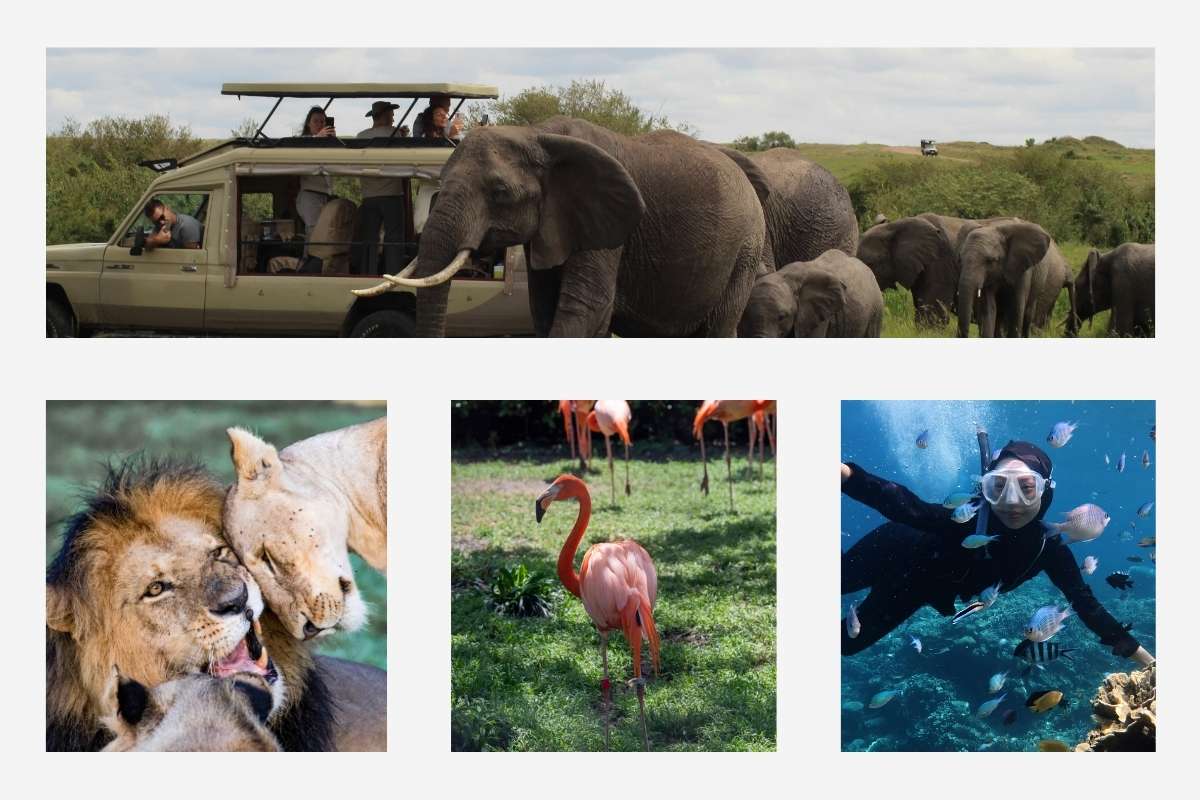
Combine Snorkeling With African Safari: Request Quote Now
Snorkeling in Kenya remains one of the country’s most underrated travel experiences. With vibrant coral reefs, protected marine parks, warm waters, and exceptional biodiversity, it offers world-class marine encounters without the crowds of other global destinations. Request a safari quote now and combine snorkeling with a safari, and you have one of Africa’s most diverse and unforgettable travel experiences.