Home » African Mountain Adventures

African Mountain Adventures

African mountain adventures offer travelers a unique blend of physical challenge, breathtaking landscapes, and rich biodiversity. From climbing the towering peaks of Kilimanjaro to trekking the lush trails of the Rwenzori Mountains, these journeys provide both adventure and cultural immersion. Understanding the various destinations, climate patterns, and local guidance options helps travelers make informed decisions before embarking on their ascent. An African mountain adventure is more than a trek—it’s an experience that combines natural beauty, wildlife encounters, and personal achievement.

Why African mountain adventures are so popular

African mountain adventures attract travelers seeking unique landscapes, wildlife encounters, and personal challenges. Each mountain offers distinct ecosystems, cultural experiences, and adventure opportunities. Understanding why these adventures are so popular helps travelers plan meaningful, safe, and memorable trips:

1. Thrilling Physical Challenges

African mountains provide treks and climbs ranging from moderate hikes to high-altitude expeditions. These physical challenges appeal to thrill-seekers and adventure enthusiasts looking to test endurance and stamina. Successfully summiting peaks like Kilimanjaro or Mount Kenya offers a sense of personal achievement and accomplishment. Proper planning ensures that climbers can safely enjoy these rigorous adventures.

2. Diverse and Stunning Landscapes

The continent’s mountains feature a wide variety of terrains, from volcanic craters and alpine deserts to lush montane forests. This diversity creates visually striking landscapes for hikers and photographers alike. Trekking across these regions allows travelers to experience changing ecosystems within a single journey. The unique scenery makes African mountain adventures highly sought after by nature lovers.

3. Unique Wildlife Encounters

Many mountains in Africa are home to endemic wildlife, including colobus monkeys, elephants, gelada baboons, and rare bird species. Trekking through these habitats allows visitors to combine hiking with wildlife observation. Guided tours ensure safety while maximizing wildlife viewing opportunities. These encounters make mountain adventures richer and more memorable.

4. Cultural and Community Interactions

African mountain regions are often home to local communities with rich traditions and lifestyles. Trekkers can engage with these communities, learning about culture, conservation, and sustainable living. This interaction adds depth to the adventure beyond physical activity and scenery. Cultural immersion enhances the overall experience, making each journey unique.

5. Accessibility for Various Skill Levels

Africa’s mountains cater to both beginner and experienced trekkers. Mountains like Mount Longonot and Chyulu Hills offer day hikes and moderate treks, while Kilimanjaro and Mount Kenya provide high-altitude, challenging routes. This variety ensures that travelers of all abilities can participate in mountain adventures. Packages and guides can be tailored to match fitness and skill levels.

6. Adventure Photography Opportunities

The combination of dramatic landscapes, wildlife, and local culture provides unparalleled photography experiences. Trekking during sunrise or sunset across African peaks creates stunning visual memories. Photographers are drawn to unique vistas, changing light conditions, and diverse terrain. Guided treks help capture the best locations while maintaining safety.

Top 6 African mountains for adventures

Choosing the right mountain significantly shapes your adventure, difficulty level, and overall experience. Each peak offers unique ecosystems, wildlife, and trekking challenges. Understanding these variations allows travelers to plan realistic itineraries and request accurate adventure packages:

1. Mount Kilimanjaro, Tanzania

Mount Kilimanjaro is Africa’s highest peak at 5,895 meters, offering trekkers multiple routes to the summit. An African mountain adventure here requires careful consideration of altitude, weather patterns, and acclimatization strategies. Trekking costs vary depending on the chosen route, guides, park fees, and accommodation along the trail. Guided expeditions maximize safety while providing insights into local flora, fauna, and culture.

Highlights:

  • Multiple trekking routes (Marangu, Machame, Lemosho)

  • Diverse ecosystems from rainforest to alpine desert

  • High summit success with proper acclimatization

  • Guided tours with local porters and guides

2. Mount Kenya, Kenya

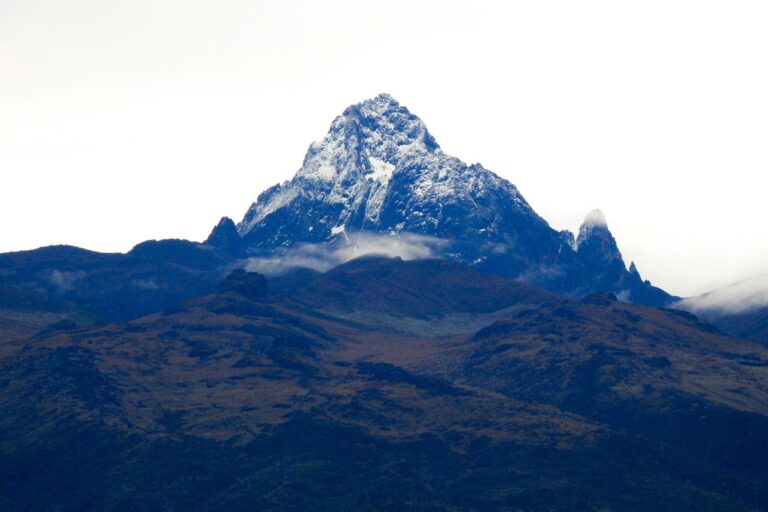
Mount Kenya features rugged peaks, glaciers, and unique Afro-alpine vegetation. African mountain adventures here range from challenging climbs to scenic trekking routes. Accommodation options include huts, campsites, and luxury lodges, affecting the overall cost and experience. Trekking requires preparation for cold temperatures and steep ascents.

Highlights:

  • Scenic alpine routes and glaciers

  • Wildlife sightings (colobus monkeys, elephants in lower regions)

  • Accessible trekking and technical climbing options

  • Diverse accommodation along trails

3. Mount Elgon, Uganda/Kenya

Mount Elgon is an extinct volcano with caves, waterfalls, and diverse habitats. African mountain adventures here include trekking, caving, and exploring bamboo forests. Guided expeditions help navigate steep terrain and ensure safety. Accommodation ranges from forest campsites to eco-lodges near the mountain base.

Highlights:

  • Cave systems and waterfalls

  • Bamboo and montane forests

  • Guided trekking and exploration

  • Eco-lodges and camping options

4. Aberdare National Park, Kenya

Aberdare National Park offers montane forests, waterfalls, and unique wildlife. African mountain adventures here include trekking and wildlife spotting with scenic viewpoints. Accommodation options range from lodges to luxury camps within the park. Trails are accessible for various fitness levels.

Highlights:

  • Dense montane forests and waterfalls

  • Wildlife spotting (elephants, bongo antelopes)

  • Scenic trekking trails

  • Lodge and camp accommodation options

5. Mount Longonot, Kenya

Mount Longonot is a dormant volcano with a large crater and panoramic views. African mountain adventures here involve day hikes and moderate trekking. Trails are well-marked and suitable for intermediate hikers. Guided tours provide safety and information on volcanic geology and wildlife.

Highlights:

  • Volcano crater rim hikes

  • Panoramic scenic views

  • Intermediate trekking trails

  • Guided nature and wildlife walks

6. Chyulu Hills, Kenya

Chyulu Hills features rolling hills, lava formations, and scenic vistas. African mountain adventures here include trekking, horseback riding, and wildlife encounters. Accommodation ranges from eco-lodges to luxury tented camps. Guided tours ensure safe exploration of trails and viewpoints.

Highlights:

  • Rolling hills and lava formations

  • Trekking and horseback options

  • Wildlife sightings (zebras, giraffes)

  • Eco-lodge and tented camp stays

Factors that influence an African mountain adventure

Several elements determine the planning, cost, and difficulty of an African mountain adventure. Understanding these factors helps travelers prepare for a safe and enjoyable experience:

1. Altitude and climate

High altitudes affect trekking difficulty and health risks. African mountain adventures require careful acclimatization, especially on Kilimanjaro and Rwenzori peaks. Weather conditions vary from tropical forest to alpine desert and affect route selection and timing.

2. Trekking route and duration

Different mountains offer multiple routes with varying levels of challenge and scenery. Longer routes may include multi-day expeditions with camping, while shorter trails provide day-hike experiences. The choice impacts costs, logistics, and physical preparation.

3. Guiding services and support

Experienced guides are essential for safety, navigation, and cultural interpretation. Porters may be required for multi-day treks to carry supplies. Costs of guides and support staff are a key component of African mountain adventure planning.

4. Accommodation and camping options

Trekking experiences differ depending on whether you choose tents, huts, or lodges along the route. Luxury or eco-lodges increase overall costs but enhance comfort and convenience. Camping offers immersive wilderness experiences at a lower price point.

5. Seasonal conditions

Weather impacts trail accessibility, safety, and wildlife encounters. African mountain adventures are best timed to avoid heavy rainfall or extreme cold, depending on the region. Quotes and itineraries should reflect seasonal considerations.

6. Optional activities and experiences

Additional experiences, such as cultural village visits, wildlife tours, or photography sessions, can be included. Factoring in these activities helps create comprehensive adventure packages tailored to interests.

Tips for planning African mountain adventures

Proper planning ensures safety, enjoyment, and value for your African mountain adventure:

1. Prepare physically

Build endurance through hiking, cardio, and strength exercises to handle multi-day treks. Fitness directly impacts summit success and safety.

2. Pack appropriate gear

Bring layered clothing, waterproof jackets, trekking boots, and gloves. Weather can change rapidly in high-altitude regions.

3. Stay hydrated and nourished

High-altitude trekking increases fluid needs. Carry water, snacks, and electrolyte supplements to maintain energy levels.

4. Choose experienced guides

Guides provide navigation, safety, and insights into local ecology and culture. Their expertise enhances the overall adventure.

5. Plan for acclimatization

Allow rest days for altitude adjustment on taller peaks. Proper acclimatization reduces the risk of altitude sickness.

6. Consider travel insurance

Include coverage for evacuation and medical emergencies. High-altitude trekking carries inherent risks.

7. Respect local communities and wildlife

Follow park rules and engage respectfully with local cultures. Conservation awareness ensures sustainable adventure tourism.

Why you should book your African mountain adventure with Sparwild African Tours and Safaris

Requesting an African mountain adventure quote from us ensures a tailored, safe, and immersive experience. We combine local expertise with logistical planning to create trips suited to your fitness, interests, and preferred destinations. Our team provides detailed itineraries, transparent pricing, and guidance on equipment, permits, and seasonal considerations. By working with us, you gain a comprehensive adventure plan that maximizes safety, enjoyment, and unforgettable memories:

1. Personalized itineraries designed for you

We craft adventures that match your fitness, interests, and preferred mountains. Routes, duration, and activity choices are customized to your goals. Our team considers altitude, seasonal conditions, and local cultural experiences for an unforgettable trek.

2. Transparent pricing and packages

Our quotes outline costs for accommodation, park fees, guides, and optional activities. We ensure no hidden charges, helping you plan your budget accurately.

3. Expert guidance and safety support

Our guides provide route navigation, safety monitoring, and ecological insights. We help prevent altitude-related risks and optimize trekking schedules.

4. Access to exclusive experiences

From private lodges to unique cultural visits, we offer experiences that enhance your mountain adventure. Optional activities are fully detailed in our quotes.

5. Comprehensive planning and logistics

We manage transport, accommodation, permits, and park regulations. Our planning ensures smooth transitions and well-timed treks.

6. Commitment to sustainability

We prioritize conservation, responsible tourism, and local community engagement. Your adventure supports sustainable practices in the regions you explore.

Frequently asked questions about African mountain adventures

Understanding African mountain adventures helps travelers plan safe and memorable treks across diverse peaks and regions. Costs, fitness levels, seasonal conditions, and permit requirements vary between mountains, affecting itineraries and preparation. These frequently asked questions provide practical guidance on logistics, accommodations, and trekking challenges. Reviewing this information ensures you make informed decisions and optimize your African mountain adventure:

1. Which mountains are best for first-time trekkers?

Mount Kenya’s lower peaks and the Drakensberg offer accessible trails for beginners. Kilimanjaro is achievable with proper preparation and acclimatization. Guides help tailor experiences to skill levels.

2. When is the best season for African mountain adventures?

Dry seasons are ideal, typically June–October and December–February, depending on the region. Weather affects trail safety, visibility, and wildlife encounters.

3. How fit do I need to be?

Fitness requirements vary by mountain. High-altitude peaks require cardio and endurance training, while moderate mountains can be completed with basic fitness.

4. Are guides mandatory?

Most mountains, including Kilimanjaro and Rwenzori, require certified guides for safety and legal compliance. Guides enhance safety, logistics, and cultural understanding.

5. What permits are required?

Permits depend on the mountain and national park regulations. Kilimanjaro, Mount Kenya, and Rwenzori require official permits that are included in adventure packages.

6. Can children participate in African mountain adventures?

Yes, some trails and mountains accommodate children, but safety and fitness levels must be considered. Routes should be chosen carefully.

7. What gear is essential?

Layered clothing, trekking boots, gloves, rain gear, and trekking poles are essential. Specialized equipment may be needed for glaciers or technical climbs.

8. Are accommodations included in adventure packages?

Yes, packages typically include lodges, campsites, or huts along the trekking route. Options range from basic to luxury depending on your preference.

9. Is travel insurance necessary?

Travel insurance covering altitude sickness, evacuation, and medical emergencies is strongly recommended. It ensures peace of mind during challenging treks.

10. Can African mountain adventures be combined with wildlife safaris?

Yes, combining mountain trekking with safari experiences is popular. Multi-destination packages allow a complete East African adventure.

Book your African mountain adventure with Sparwild African Tours and Safaris

Book your African mountain adventure today and secure your spot on expertly guided treks across Africa’s most iconic peaks. Sparwild African Tours and Safaris ensures every detail is planned.Our team combines local expertise with personalized itineraries to create safe, memorable, and exhilarating mountain experiences. Contact Sparwild African Tours and Safaris now to confirm your booking and embark on an unforgettable journey through Africa’s breathtaking landscapes.