


Home » Sustainable Tourism

Sustainable Tourism

Sustainable tourism transforms a safari into a journey that protects Africa’s wildlife, landscapes, and communities while delivering unforgettable experiences. By embracing eco-conscious practices, travelers can enjoy adventure responsibly, knowing their choices contribute to long-term conservation and cultural preservation.

Africa safaris

Why Sustainable Tourism is Important

Understanding the impact of your travel ensures that your safari benefits not only you but also the environment and local communities. Sustainable tourism helps preserve Africa’s natural and cultural heritage for future generations:

1. Environmental Preservation

Sustainable tourism reduces environmental impact through practices like waste management, renewable energy use, and habitat protection. By minimizing your footprint, you help maintain the beauty and biodiversity of national parks and reserves.

2. Supporting Local Communities

Choosing sustainable tourism encourages local economic growth and cultural preservation. It provides employment opportunities, supports local businesses, and ensures that cultural traditions are respected and celebrated.

3. Wildlife Protection

Responsible safari practices prevent disturbance to wildlife and their habitats. Sustainable tourism prioritizes ethical wildlife viewing, anti-poaching measures, and conservation initiatives, ensuring animals thrive safely in their natural environment.

4. Long-Term Travel Value

Sustainable tourism ensures that future travelers can enjoy the same experiences. By protecting ecosystems and communities today, you contribute to safaris that remain authentic, safe, and memorable for years to come.

Eco-Friendly Lodging and Safari Options

Sustainable tourism includes choosing accommodations and safari experiences that minimize environmental impact while offering comfort and luxury. Sparwild African Tours and Safaris carefully selects eco-conscious options to ensure your journey is both responsible and unforgettable:

3 Days Masai Mara Budget Group Joining Safari

1. Solar-Powered Lodges

Many of our partnered lodges utilize solar energy for electricity and heating, reducing reliance on non-renewable resources. Staying at these properties allows you to enjoy luxury while supporting energy-efficient practices.

2. Low-Impact Camps

Sustainable tourism involves minimizing the footprint of temporary camps and tents. Sparwild African Tours and Safaris ensures camps are designed to blend with the environment, avoid disrupting wildlife, and leave minimal trace behind.

3. Sustainable Safari Practices

From guided game drives to bush walks, our safaris follow eco-conscious protocols. This includes controlled vehicle movement, avoiding sensitive areas, and adhering to ethical wildlife viewing standards. Travelers experience Africa’s wildlife safely and responsibly.

4. Eco-Friendly Amenities and Services

Our lodges and camps incorporate water conservation, recycling programs, and biodegradable products wherever possible. Guests enjoy modern comforts while knowing their stay supports sustainable tourism practices.

By selecting eco-friendly lodging and safari options, travelers embrace sustainable tourism that balances comfort, adventure, and environmental responsibility, creating meaningful and memorable safari experiences.

Community Engagement and Support

Sustainable tourism thrives when travelers contribute positively to the communities they visit. Sparwild African Tours and Safaris actively supports local populations, ensuring that your safari experience benefits both people and culture:

7 Day Big Five Kenya Safari Package

1. Local Employment Opportunities

By partnering with local guides, staff, and service providers, Sparwild African Tours and Safaris creates jobs that strengthen community livelihoods. This approach ensures that tourism contributes directly to the local economy while providing authentic experiences.

2. Cultural Experiences and Preservation

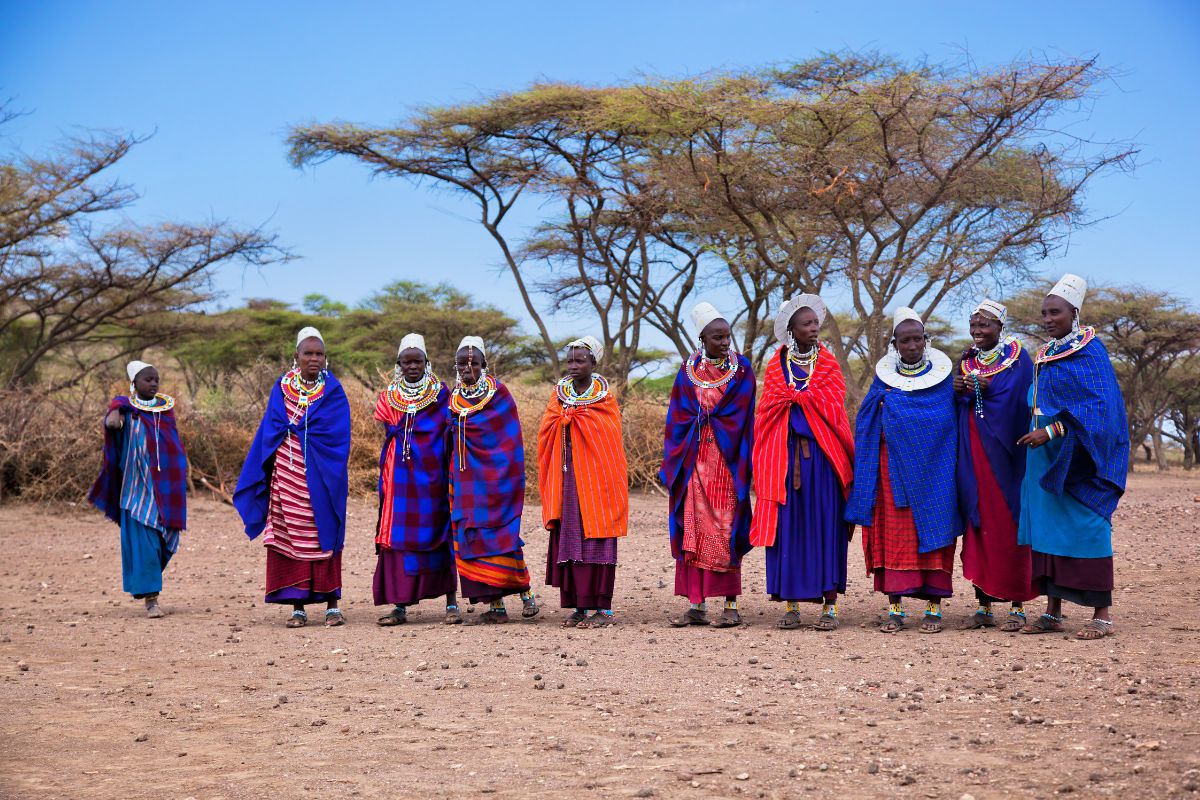
Travelers have opportunities to engage with traditional communities, participate in cultural activities, and learn about local customs. These experiences are designed to be respectful, enriching, and sustainable, preserving cultural heritage for future generations.

3. Education and Community Support Programs

Sparwild African Tours and Safaris contributes to educational initiatives, healthcare programs, and infrastructure projects in communities near safari destinations. Your safari experience supports long-term development while enhancing local well-being.

4. Ethical Partnerships

All collaborations with communities are built on transparency, respect, and shared benefits. Sustainable tourism practices ensure that both travelers and communities gain meaningful value from every interaction.

Engaging with local communities through sustainable tourism enriches your safari experience while creating a positive and lasting impact on the people and cultures of East Africa.

Wildlife Conservation Practices

Protecting Africa’s incredible wildlife is a core part of sustainable tourism. Sparwild African Tours and Safaris ensures that every safari supports conservation efforts while offering travelers unforgettable encounters with nature:

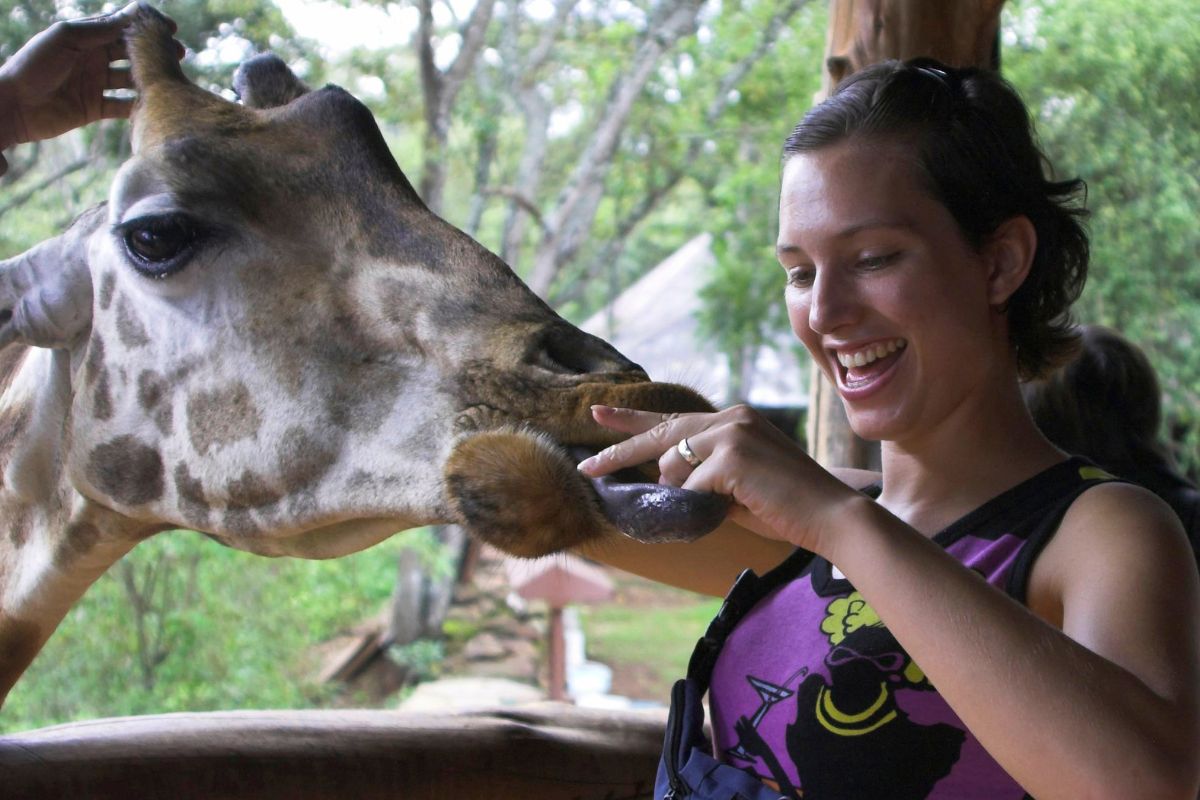
Sparwild Tours- Giraffe Centre – Nairobi

1. Anti-Poaching and Protection Initiatives

Our safaris work alongside conservation organizations to support anti-poaching patrols and wildlife protection programs. Travelers indirectly contribute to keeping endangered species safe in their natural habitats.

2. Wildlife Monitoring and Research

Sparwild African Tours and Safaris partners with research teams that track animal populations, migration patterns, and ecosystem health. This data helps guide conservation strategies while providing travelers with meaningful insights during their safari.

3. Conservation-Focused Activities

Guests can participate in activities that promote sustainability, such as guided bush walks, wildlife photography with minimal disturbance, and educational sessions on species preservation. These experiences reinforce responsible engagement with nature.

4. Habitat Preservation

All safari routes, lodges, and camps are carefully planned to minimize environmental disruption. Sustainable tourism practices ensure that natural habitats remain intact, allowing wildlife to thrive for generations to come.

By choosing safaris that emphasize sustainable tourism, travelers actively support the preservation of Africa’s wildlife while enjoying safe, educational, and unforgettable safari adventures.

Responsible Traveler Guidelines

Sustainable tourism depends on the choices of travelers themselves. Sparwild African Tours and Safaris provides clear guidance to ensure your safari experience respects local communities, wildlife, and the environment:

1. Sustainable Packing

Pack thoughtfully to reduce waste and minimize environmental impact. This includes reusable water bottles, eco-friendly toiletries, and clothing suitable for all weather conditions, supporting sustainable tourism practices during your journey.

2. Respecting Local Culture

Engage with local communities respectfully by following cultural norms, asking permission before taking photographs, and supporting local businesses. Responsible interactions enhance your experience and foster positive relationships.

3. Ethical Wildlife Photography

Observe animals from safe distances and avoid disruptive behavior. Sparwild African Tours and Safaris emphasizes ethical photography, ensuring that wildlife is never stressed or endangered for a picture.

4. Waste Reduction and Recycling

Dispose of waste responsibly, reuse materials where possible, and participate in recycling programs at lodges or camps. Travelers practicing these habits contribute directly to sustainable tourism initiatives.

5. Minimizing Carbon Footprint

Where possible, choose eco-friendly transport, consolidate activities, and consider offsetting carbon emissions. Conscious travel choices reduce environmental impact while supporting long-term safari sustainability.

Following these responsible traveler guidelines ensures that your safari adventure contributes positively to conservation, communities, and the overall sustainability of African tourism.

How Sparwild African Tours and Safaris Helps Promote Sustainable Tourism

Sparwild African Tours and Safaris goes beyond offering luxury safaris by actively promoting sustainable tourism through responsible practices, conservation initiatives, and community support:

1. Eco-Friendly Partnerships

We collaborate exclusively with lodges, camps, and tour operators that prioritize sustainability. From solar-powered facilities to waste reduction programs, these partnerships ensure your safari stays environmentally responsible.

2. Community Engagement and Support

Sparwild African Tours and Safaris works closely with local communities, creating employment opportunities, supporting cultural preservation, and funding educational programs. This approach ensures tourism directly benefits the people you meet on your journey.

3. Conservation Projects

Through initiatives such as wildlife monitoring, habitat restoration, and anti-poaching efforts, we actively contribute to protecting Africa’s ecosystems. Travelers can feel confident that their safari supports real conservation impact.

4. Responsible Operations

From eco-conscious transportation to low-impact game drives and sustainable lodge operations, every aspect of your safari is designed to minimize environmental impact while maintaining luxury and comfort.

5. Education and Awareness

Sparwild African Tours and Safaris informs travelers about responsible behavior, wildlife ethics, and cultural respect. By raising awareness, we ensure every guest contributes positively to sustainable tourism practices.

With these initiatives, Sparwild African Tours and Safaris ensures your safari experience not only delights and inspires but also supports lasting benefits for wildlife, communities, and the environment.

Frequently Asked Questions About Sustainable Tourism

Travelers often have questions about responsible safari travel and how their choices impact wildlife and local communities. Understanding eco-conscious practices helps you plan a meaningful journey while supporting conservation and cultural preservation, which is why we’ve answered the most common questions below:

1. What is sustainable tourism?

Sustainable tourism is a way of traveling that prioritizes the environment, local communities, and wildlife protection while ensuring travelers have an enriching experience. It focuses on minimizing negative impacts such as pollution, habitat disruption, and cultural exploitation. By making conscious choices in accommodations, transportation, and activities, tourists can support the preservation of destinations. Sustainable tourism encourages respect for local customs and traditions, creating meaningful interactions with communities. Ultimately, it allows travelers to enjoy Africa responsibly while contributing to long-term conservation.

2. How does sustainable tourism improve my safari experience?

Sustainable tourism enhances your safari by providing authentic encounters with wildlife and local culture in a way that is ethical and environmentally conscious. Instead of quick, disruptive experiences, you enjoy thoughtful, immersive activities that leave minimal impact on nature. You gain insights into conservation efforts, wildlife behavior, and cultural heritage that standard travel might overlook. Sustainable tourism also promotes well-managed parks and lodges, ensuring safety, comfort, and quality experiences. By choosing this approach, your safari becomes not just a visit, but a meaningful contribution to the places and people you encounter.

3. How does Sparwild African Tours and Safaris practice sustainable tourism?

Sparwild African Tours and Safaris integrates sustainable tourism across all aspects of its operations. This includes partnering with eco-conscious lodges that use renewable energy, implement waste management systems, and support local communities. Our itineraries are designed to minimize environmental impact, from low-footprint game drives to carefully managed walking safaris. We actively contribute to conservation projects, such as anti-poaching initiatives and wildlife monitoring programs. Guests also benefit from educational sessions about responsible travel, ensuring that every safari aligns with ethical and eco-friendly practices.

4. Can I combine luxury with sustainable tourism?

Yes, sustainable tourism does not mean sacrificing comfort or style. Sparwild African Tours and Safaris offers high-end lodges and camps that prioritize eco-conscious operations while maintaining luxury standards. Travelers enjoy private suites, gourmet meals, and exclusive game drives without compromising environmental responsibility. Sustainable tourism in a luxury setting allows guests to experience Africa’s wildlife and landscapes thoughtfully and responsibly. It proves that indulgence and ethical travel can coexist seamlessly.

5. Are there eco-friendly accommodations included in sustainable tourism packages?

Absolutely. Lodges and camps selected by Sparwild African Tours and Safaris follow eco-friendly practices such as solar power usage, water conservation, and sustainable waste management. They are designed to blend with natural surroundings, minimizing disruption to local wildlife and habitats. Many properties also support community programs, ensuring tourism benefits local populations. Guests enjoy full amenities, modern comfort, and personalized services while knowing their stay is environmentally responsible. Choosing these accommodations ensures that your safari contributes positively to sustainable tourism efforts.

6. How can travelers contribute to sustainable tourism during their safari?

Travelers play a crucial role in sustainable tourism by making responsible choices throughout their trip. This includes following park rules, keeping a safe distance from wildlife, and respecting local cultures. You can reduce waste by using reusable bottles, avoiding single-use plastics, and recycling whenever possible. Supporting local businesses, artisans, and guides ensures that tourism directly benefits the community. By adopting these practices, every traveler helps preserve Africa’s natural and cultural heritage for future generations.

7. Does sustainable tourism benefit local communities?

Yes, one of the key benefits of sustainable tourism is its positive impact on local communities. It provides employment opportunities, supports small businesses, and funds education and healthcare initiatives. By engaging in cultural programs, travelers help preserve traditional practices and empower residents economically. This approach fosters mutual respect and meaningful interactions between visitors and communities. Over time, sustainable tourism strengthens the social fabric while enhancing the overall safari experience.

8. How does sustainable tourism help wildlife conservation?

Sustainable tourism directly supports wildlife conservation by funding anti-poaching efforts, habitat preservation, and monitoring programs. Responsible travel practices reduce stress on animals and ensure they can thrive naturally in their ecosystems. Guests gain educational insights into species protection and conservation challenges, creating a deeper connection to the wildlife they encounter. Lodges and safari operators implement low-impact activities, protecting sensitive areas from disruption. In this way, travelers actively contribute to the survival and well-being of Africa’s iconic species.

9. Is sustainable tourism suitable for families and groups?

Absolutely. Sustainable tourism can be tailored for families, couples, and groups of all sizes. Activities are designed to be safe, educational, and engaging, ensuring children and adults alike can enjoy wildlife and cultural experiences responsibly. Lodges and camps provide family-friendly facilities while maintaining eco-conscious operations. Travelers learn about conservation and ethical travel in a way that is accessible to everyone. This ensures that group safaris are both enjoyable and meaningful, fostering responsible travel habits across generations.

10. How far in advance should I plan a sustainable tourism safari?

Planning well in advance is essential to maximize the benefits of sustainable tourism. Early booking ensures availability at eco-conscious lodges, access to guided experiences, and opportunities to participate in community and conservation programs. It also allows sufficient time for travel preparation, including vaccinations, gear, and itinerary customization. By planning ahead, travelers can select activities and accommodations that minimize environmental impact while providing comfort and luxury. Advance planning ensures that your safari experience is seamless, responsible, and truly memorable.

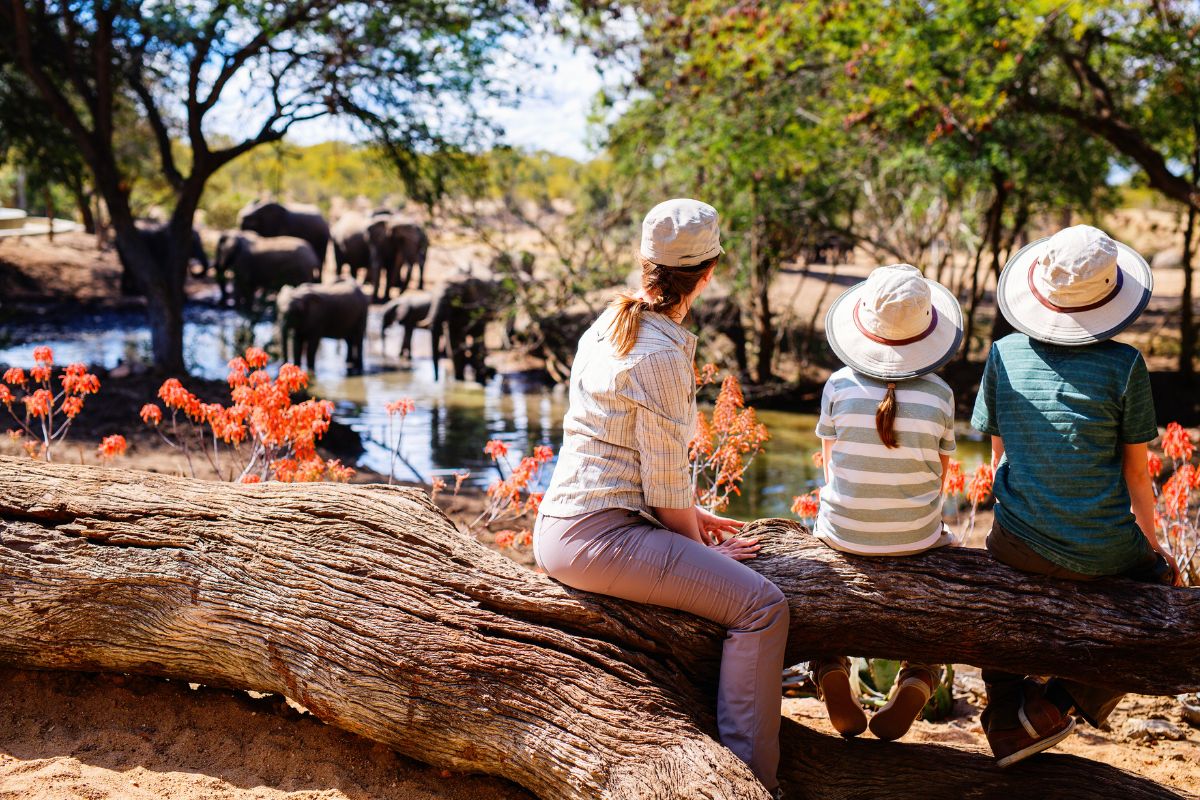
2025/2026/2027 Top Family Friendly Safari Packages

Start Your Responsible Safari with Sparwild African Tours and Safaris

Book your next eco-conscious safari with Sparwild African Tours and Safaris and experience Africa responsibly without compromising luxury or comfort. Our expert team handles every detail, from eco-friendly lodges to ethical wildlife experiences, ensuring a seamless journey. By choosing our sustainable tourism safaris, you support conservation, local communities, and unforgettable adventures. Reserve your safari today and turn your responsible travel plans into a once-in-a-lifetime African experience.