Home » Mount Kenya Climbing Tours

Mount Kenya Climbing Tours

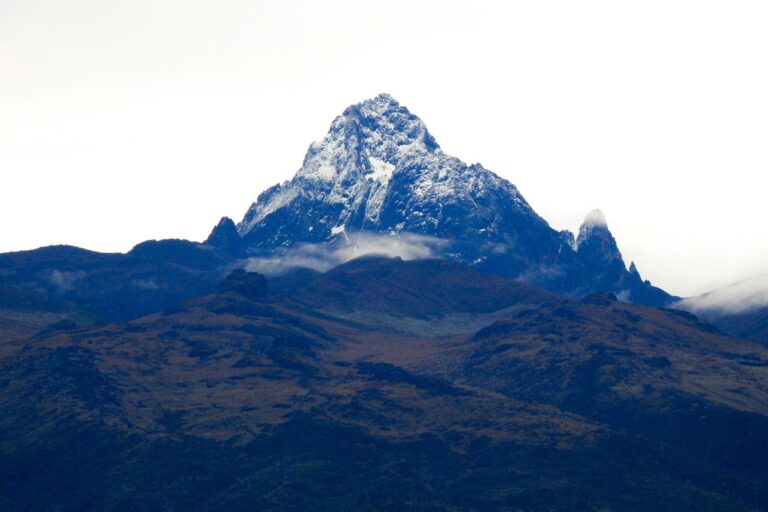
Mount Kenya climbing tours offer one of Africa’s most rewarding trekking experiences, combining stunning alpine scenery, diverse wildlife, and multiple summit options. Whether you’re a first-time trekker or an experienced climber, the mountain provides routes suited to different fitness levels and adventure goals. From non-technical hikes to challenging technical climbs, each tour delivers a unique high-altitude experience. With expert guides and flexible itineraries, our climbing tours ensure a safe, well-organized, and unforgettable journey.

What Are Mount Kenya Climbing Tours?

Mount Kenya climbing tours are professionally guided trekking and mountaineering experiences that take you to the summit regions of Africa’s second-highest mountain. These tours combine hiking, logistical support, and expert guidance to help you safely navigate diverse terrains—from dense forests to alpine zones. Depending on the route and peak you choose, the experience can range from a moderate trek to a highly technical climb. Our Mount Kenya tours are designed to suit both beginners and experienced adventurers, with flexible itineraries and full support throughout the journey.

Difference Between Trekking vs Technical Climbing on Mount Kenya

Mount Kenya climbing tours offer two distinct experiences—trekking (non-technical climbing) and technical climbing—each suited to different skill levels, equipment needs, and summit goals. Understanding the difference helps you choose the right tour based on your fitness, experience, and adventure expectations:

Aspect Trekking (Non-Technical Climb) Technical Climbing
Difficulty Level Moderate High / Advanced
Target Peak Point Lenana (4,985m) Batian (5,199m), Nelion (5,188m)
Skills Required Basic hiking fitness Rock climbing & mountaineering skills
Equipment Standard trekking gear Ropes, harnesses, helmets, climbing gear
Experience Needed Suitable for beginners Recommended for experienced climbers
Routes Sirimon, Chogoria, Naro Moru Technical rock climbing routes
Accessibility Widely accessible Limited to trained climbers

Trekking (Non-Technical Climb):
This is the most popular option in Mount Kenya climbing tours, ideal for travelers looking to summit Point Lenana without technical skills. It involves hiking along established routes with the support of guides and porters. With proper acclimatization and fitness, most trekkers can successfully reach the summit.

Technical Climbing:
This option is designed for experienced climbers aiming to summit Batian or Nelion. It requires advanced mountaineering skills, specialized equipment, and professional guidance. These climbs are more demanding but offer a rewarding challenge for seasoned adventurers.

Why Choose Mount Kenya Climbing Tours

Mount Kenya climbing tours offer a unique combination of adventure, scenic diversity, and flexibility, making them an excellent choice for both first-time trekkers and experienced climbers. Compared to other high-altitude destinations, these tours provide a more personalized and less crowded experience without compromising on quality or challenge. Here’s why they stand out:

1. Less Crowded Than Kilimanjaro
Mount Kenya tours attract fewer climbers than Mount Kilimanjaro, allowing you to enjoy quieter trails and a more immersive connection with nature. This means less congestion on routes and a more peaceful summit experience.

2. Diverse Landscapes in One Climb
As you ascend, you’ll pass through dense forests, bamboo zones, moorlands, and alpine terrain. This variety makes Mount Kenya climbing tours visually rewarding, with each stage offering a completely different environment.

3. Unique Wildlife Encounters
Unlike many mountain climbs, Mount Kenya offers chances to spot wildlife such as elephants, buffaloes, monkeys, and a wide range of bird species. This adds a safari element to your trekking experience.

4. Cost-Effective High-Altitude Adventure
Mount Kenya climbing tours are generally more affordable than other major climbs in Africa. With lower park fees and flexible package options, you can enjoy a high-quality adventure at a better value.

5. Flexible Routes and Itineraries
With routes like Sirimon, Chogoria, Naro Moru, and Burguret, you can choose an itinerary that matches your fitness level, schedule, and scenic preferences. Whether you want a gradual climb or a faster summit, there’s an option for you.

Popular Routes for Mount Kenya Climbing Tours

Mount Kenya tours feature several well-established routes, each offering a unique experience in terms of scenery, difficulty, and acclimatization. Choosing the right route is essential for your summit success and overall enjoyment. Here are the most popular routes to consider:

1. Sirimon Route
The Sirimon Route is one of the most preferred options for Mount Kenya climbing tours due to its gradual ascent and high success rate. Approaching from the northwestern side, it allows for better acclimatization and a more comfortable trekking pace.

  • Gradual and steady ascent
  • Ideal for first-time trekkers
  • Scenic views with diverse vegetation
  • Less crowded compared to other routes

2. Chogoria Route
Known as the most scenic route, the Chogoria Route is perfect for climbers who prioritize breathtaking landscapes. It offers dramatic views and unique natural features, making it a favorite for photography and adventure.

  • Most scenic route on Mount Kenya
  • Highlights include Lake Michaelson and Gorges Valley
  • Excellent for photography
  • Often combined with Sirimon for ascent/descent variation

3. Naro Moru Route
The Naro Moru Route is the fastest and most direct path to Point Lenana, making it popular for shorter Mount Kenya tours. However, its steep sections require good fitness and proper pacing.

  • Fastest route to the summit
  • Most commonly used route
  • Features the challenging “Vertical Bog”
  • Higher risk of altitude issues due to rapid ascent

4. Burguret Route
The Burguret Route is the least traveled and offers a more remote and rugged experience. It is ideal for experienced trekkers seeking solitude and a raw wilderness adventure.

  • Remote and less crowded
  • No mountain huts—camping required
  • Rich in untouched natural beauty
  • Best suited for experienced climbers

Key Peaks to Summit on Mount Kenya Climbing Tours

Mount Kenya tours revolve around three main peaks, each offering a different level of difficulty and experience. Your choice of summit will depend on your fitness level, technical skills, and overall adventure goals. Here are the key peaks you can target:

1. Point Lenana (4,985m)
Point Lenana is the most popular summit in Mount Kenya climbing tours and is accessible to trekkers without technical climbing skills. It is reached through established hiking routes, making it ideal for beginners and first-time high-altitude climbers.

  • Most climbed and beginner-friendly peak
  • Non-technical ascent—no climbing gear required
  • Accessible via Sirimon, Chogoria, and Naro Moru routes
  • հայտնի for stunning sunrise views at the summit

2. Batian (5,199m)
Batian is the highest peak on Mount Kenya and is reserved for experienced mountaineers. Climbing this peak requires technical rock climbing skills, endurance, and specialized equipment.

  • Highest peak on Mount Kenya
  • Requires advanced technical climbing skills
  • Involves rock climbing with ropes and gear
  • Best attempted with professional guides

3. Nelion (5,188m)
Nelion is the second-highest peak and also requires technical climbing expertise. It is often attempted by climbers looking for a more demanding and rewarding challenge.

  • Second-highest peak on Mount Kenya
  • Technical climb with steep rock faces
  • Requires mountaineering experience and equipment
  • Can be combined with Batian for a dual summit climb

What to Expect During Mount Kenya Climbing Tours

Mount Kenya tours are multi-day adventures that combine physical challenge, scenic beauty, and full logistical support. Knowing what to expect helps you prepare better and enjoy a smoother, more rewarding climb. Here’s what your experience will typically include:

1. Daily Trekking Routine
Each day involves guided trekking with varying distances and altitude gains depending on your route. Mornings usually start early, followed by steady hiking with rest breaks and scenic stops. Evenings are spent at camps or mountain huts where you can relax and recover.

2. Altitude and Acclimatization
As you ascend, altitude becomes a key factor in your comfort and safety. Mount Kenya climbing tours are designed to allow gradual acclimatization, helping reduce the risk of altitude sickness. Staying hydrated, maintaining a steady pace, and following your guide’s advice are essential.

3. Accommodation Options
Depending on your chosen route and package, accommodation may include:

  • Mountain huts: Basic shelters with shared facilities, ideal for convenience
  • Camping: A more immersive experience with tents set up at designated campsites

4. Meals and Support Crew
Your tour includes a dedicated support team of guides, cooks, and porters who handle logistics throughout the climb. Meals are freshly prepared to keep you energized, while porters assist with carrying equipment, allowing you to focus on the trek.

5. Safety and Guidance
Safety is a top priority in all Mount Kenya tours. Professional guides monitor weather conditions, manage pacing, and provide emergency support when needed. With proper planning and expert guidance, the climb is both safe and achievable.

Best Time for Mount Kenya Climbing Tours

Choosing the right time for Mount Kenya climbing tours is essential for safe trekking conditions, clear views, and an overall enjoyable experience. The mountain experiences distinct dry and wet seasons that directly affect trail conditions and visibility.

1. January to March – Best Early-Year Season
This is one of the most favorable periods for climbing tours due to generally dry trails and clear skies. Visibility is excellent, making it ideal for photography and summit attempts. Temperatures are cooler but stable, allowing for comfortable trekking conditions.

2. June to October – Peak Climbing Season
This is the most popular time for Mount Kenya climbing tours, offering stable weather and minimal rainfall. Trails are drier and safer, and the chances of reaching the summit are higher due to predictable conditions. It is ideal for both beginners and experienced climbers.

3. Rainy Seasons (Best to Avoid)
Mount Kenya experiences two main rainy periods that make climbing more challenging:

  • April to May (long rains)
  • November (short rains)

During these months, trails become slippery, visibility reduces, and river crossings may become difficult, making climbs more demanding and less safe.

4. Weather Variability at High Altitude
Even during dry seasons, weather on Mount Kenya can change rapidly. Climbers should be prepared for sudden temperature drops, strong winds, and occasional rain at higher elevations. Proper layered clothing and waterproof gear are essential for all Mount Kenya climbing tours.

Cost of Mount Kenya Climbing Tours

The cost of climbing tours varies depending on the level of comfort, duration, route, and services included. Understanding these factors helps you choose a package that matches your budget and travel expectations.

1. Budget, Mid-Range, and Luxury Options
Mount Kenya climbing tours are generally categorized into three main pricing levels:

  • Budget Tours: Basic accommodation, essential services, and shared logistics for cost-conscious travelers
  • Mid-Range Tours: Improved comfort, better meals, and enhanced support services
  • Luxury Tours: Premium accommodations, personalized service, and upgraded equipment for a more comfortable experience

2. What Is Typically Included
Most Mount Kenya climbing tours packages include:

  • Professional guides and porters
  • Park entry fees and permits
  • Meals during the climb
  • Accommodation (mountain huts or camping)
  • Camping equipment such as tents and sleeping mats

3. Key Factors Affecting Price
Several factors influence the total cost of Mount Kenya climbing tours:

  • Route choice: Scenic or longer routes may cost more due to logistics
  • Duration: Longer itineraries increase overall pricing
  • Group size: Private or small groups tend to cost more per person
  • Service level: Luxury upgrades significantly increase total cost

Ideal Duration for Mount Kenya Climbing Tours

The duration of Mount Kenya climbing tours depends on your chosen route, fitness level, and how much time you want for acclimatization and scenery. Selecting the right itinerary is important for both summit success and overall enjoyment.

1. 3–4 Days – Fast Summit Climbs
Short Mount Kenya climbing tours are designed for travelers with limited time or higher fitness levels. These itineraries typically use the Naro Moru Route for a direct ascent to Point Lenana. While efficient, they require good stamina and careful pacing due to faster altitude gain.

2. 5–6 Days – Best for Acclimatization and Experience
This is the most recommended duration for Mount Kenya climbing tours. It allows for gradual ascent, better acclimatization, and a higher chance of reaching the summit comfortably. You also get more time to enjoy scenic routes, wildlife, and varied landscapes.

3. Route-Based Duration Differences
Different routes influence how long your climb takes:

  • Sirimon & Chogoria Routes: Usually 5–6 days due to scenic, gradual ascents
  • Naro Moru Route: Typically 3–4 days for faster summit attempts
  • Burguret Route: Around 5–6 days due to its remote and rugged terrain

Who Are Mount Kenya Climbing Tours Best For?

Mount Kenya climbing tours are designed for a wide range of travelers, from first-time trekkers to experienced mountaineers. The flexibility of routes, pacing, and support makes the mountain accessible to different fitness levels and adventure goals.

1. Adventure Travelers
These are travelers seeking a challenging and rewarding outdoor experience. Mount Kenya climbing tours offer diverse landscapes, high-altitude trekking, and a strong sense of achievement at the summit.

2. Budget-Conscious Climbers
For travelers looking for an affordable high-altitude adventure, Mount Kenya climbing tours provide cost-effective packages without compromising safety or experience. Flexible options make it easier to match different budgets.

3. First-Time High-Altitude Trekkers
Non-technical routes such as Sirimon and Chogoria are ideal for beginners. With guided support, gradual ascent, and proper acclimatization, first-time climbers can safely enjoy the experience.

4. Experienced Mountaineers
For skilled climbers, technical peaks like Batian and Nelion offer a more demanding challenge. These Mount Kenya climbing tours require advanced skills, equipment, and experience in rock climbing and alpine environments.

Essential Packing List for Mount Kenya Climbing Tours

Proper packing is critical for a safe and comfortable experience during Mount Kenya climbing tours. The mountain’s conditions vary from warm forest trails to freezing alpine zones, so layering and preparation are essential.

1. Clothing (Layering System)
A proper layering system helps you adapt to changing temperatures during the climb.

  • Moisture-wicking base layers
  • Warm insulating mid-layers (fleece or thermal wear)
  • Waterproof and windproof outer jacket
  • Trekking pants and breathable shirts
  • Warm socks, gloves, and a thermal hat

2. Trekking Gear
Reliable gear improves stability and reduces fatigue during long ascents.

  • Sturdy, broken-in hiking boots
  • Trekking poles for balance and support
  • Daypack with rain cover
  • Headlamp or flashlight with spare batteries

3. Cold-Weather Essentials
High-altitude conditions can be extremely cold, especially at night.

  • Heavy warm jacket or down coat
  • Thermal gloves and neck warmer
  • Sleeping bag rated for low temperatures (for camping routes)
  • UV-protection sunglasses

4. Personal Items and Safety Gear
These essentials ensure health, hygiene, and safety during the climb.

  • Personal toiletries and medications
  • First aid kit (including altitude sickness medication if needed)
  • Reusable water bottles or hydration system
  • Sunscreen and lip balm with high SPF
  • Optional: camera, binoculars, trekking journal

Why Book Your Mount Kenya Climbing Tours with Sparwild African Tours and Safaris

Choosing the right operator for Mount Kenya climbing tours makes a major difference in safety, comfort, and overall success. At Sparwild African Tours and Safaris, we deliver well-organized, fully supported climbing experiences tailored to your fitness level and adventure goals.

1. Expert Local Guides and Support Team
Our Mount Kenya climbing tours are led by experienced local guides who understand the mountain’s terrain, weather patterns, and routes in detail. Supported by professional porters and cooks, we ensure you climb safely and comfortably while gaining deeper insight into the mountain’s ecology and culture.

2. Customized Climbing Packages
We design flexible Mount Kenya climbing tours that match your schedule, fitness level, and preferred experience. Whether you want a short summit attempt or a longer scenic trek, we tailor every detail to suit your needs for a more personalized adventure.

3. Strong Focus on Safety and Logistics
Safety is at the core of every Mount Kenya climbing tour we operate. From proper acclimatization planning and emergency preparedness to reliable equipment and route selection, we manage all logistics so you can focus entirely on the climb.

4. Hassle-Free Planning Experience
We handle everything from permits, park fees, accommodation, meals, and transport. This ensures your Mount Kenya climbing tours are smooth, stress-free, and well-coordinated from arrival to summit and descent.

5. Trusted Experience in East Africa Safaris
With years of experience in East African travel and mountain expeditions, we combine professionalism with authentic local knowledge. Our goal is to make your Mount Kenya climbing tours safe, memorable, and truly rewarding.

FAQs About Mount Kenya Climbing Tours

Here are the most common questions travelers ask about Mount Kenya climbing tours, along with clear answers to help you plan your adventure with confidence.

1. How difficult are Mount Kenya climbing tours?
The difficulty depends on the route and peak you choose. Non-technical routes to Point Lenana are moderate and suitable for fit beginners, while technical peaks like Batian and Nelion require advanced climbing skills. Overall, Mount Kenya climbing tours range from moderate trekking to highly technical mountaineering.

2. Do I need technical skills for Mount Kenya climbing tours?
No technical skills are required if you are climbing Point Lenana via routes like Sirimon or Chogoria. However, technical knowledge and equipment are necessary for Batian and Nelion. Most Mount Kenya climbing tours are designed for non-technical trekkers with guide support.

3. How long do Mount Kenya climbing tours take?
Most Mount Kenya climbing tours take between 3 to 6 days depending on the route and itinerary. Shorter trips are faster but more intense, while longer itineraries allow better acclimatization and a more relaxed experience.

4. When is the best time for Mount Kenya climbing tours?
The best time is during the dry seasons: January to March and June to October. These months offer clearer skies, safer trails, and better summit success rates. Rainy seasons are generally avoided due to slippery and challenging conditions.

5. What should I pack for Mount Kenya climbing tours?
You should pack layered clothing, waterproof gear, sturdy hiking boots, trekking poles, warm jackets, and personal essentials like sunscreen and a first aid kit. Proper gear ensures comfort and safety across changing mountain conditions.

6. Are Mount Kenya climbing tours suitable for beginners?
Yes, beginners can successfully complete Mount Kenya climbing tours via non-technical routes. With proper guidance, pacing, and acclimatization, first-time trekkers can reach Point Lenana safely.

7. How safe are Mount Kenya climbing tours?
Safety is a top priority. Professional guides monitor weather conditions, manage altitude pacing, and provide emergency support when needed. Proper preparation and following guide instructions make the climb safe and manageable.

8. What wildlife can I see during Mount Kenya climbing tours?
On lower slopes, you may encounter wildlife such as elephants, buffaloes, monkeys, and various bird species. This makes Mount Kenya climbing tours unique, blending trekking with a safari-like experience.

9. What is included in Mount Kenya climbing tours packages?
Most packages include guides, porters, park fees, meals, accommodation (huts or camping), and basic equipment. Some packages also include transport and customized itinerary planning.

10. How do I choose the right route for Mount Kenya climbing tours?
Your choice depends on fitness level, time, and experience. Sirimon and Chogoria are scenic and gradual, Naro Moru is faster and more direct, while Burguret is remote and best for experienced trekkers.

11. Can Mount Kenya climbing tours be private or group-based?
Yes, you can join group departures or book private Mount Kenya climbing tours. Group tours are more cost-effective, while private climbs offer flexibility and customization.

12. Why book Mount Kenya climbing tours with Sparwild African Tours and Safaris?
We provide expert guides, customized itineraries, full logistical support, and strong safety standards. Our Mount Kenya climbing tours are designed to give you a seamless, well-organized, and unforgettable mountain experience.

Book Your Mount Kenya Climbing Tours with Sparwild African Tours and Safaris

Book your Mount Kenya climbing tours today with Sparwild African Tours and Safaris and experience Africa’s most iconic mountain adventure with expert local guides. Choose from flexible routes and itineraries designed to match your fitness level and travel goals. We handle all logistics including permits, meals, accommodation, and safety support for a seamless experience. Secure your spot now and start your journey to the summit of Mount Kenya.