Home » Kenya Safari Seasons

Kenya Safari Seasons

Kenya offers diverse climates that influence every safari experience, from wildlife sightings to park accessibility. Understanding the different Kenya safari seasons is essential for planning an unforgettable trip. This article provides guidance on what to expect during each season and how to align your travel plans. Explore these insights to time your safari for optimal wildlife encounters and comfort.

Understanding Kenya Safari Seasons

Kenya safari seasons refer to the annual climate patterns that affect wildlife behavior, vegetation, and park conditions. Seasons directly influence how easily animals are spotted, road conditions, and overall safari experiences. Choosing the right season enhances wildlife viewing and the enjoyment of your trip. Kenya generally experiences two main seasons: dry and wet, each offering unique safari opportunities:

1. Dry Season

The dry season typically runs from June to October and again in January and February. Wildlife congregates around water sources, making sightings more predictable. Roads are generally accessible, and the risk of mud or flooding is minimal.

2. Wet Season

The wet season usually occurs from March to May and November to December. Lush greenery dominates the landscape, and many animals give birth during this time, offering unique wildlife experiences. Some parks may experience limited accessibility due to heavy rainfall, but there are fewer tourists and lower prices.

Dry Season Safari Experiences

The dry season is popular among travelers for its reliable game viewing and easy travel conditions:

1. Key Advantages

  • Easier wildlife spotting as animals gather near water sources

  • Better road conditions and less mud

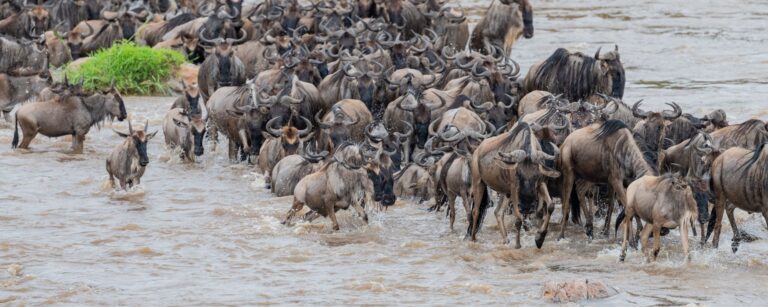
  • Optimal timing for migration viewing in Maasai Mara

2. Popular Activities

  • Daily game drives and photographic safaris

  • Great Migration observation

  • Bird watching and guided bush walks

3. Planning Tips

  • Book early during this peak season to secure accommodations

  • Expect higher prices due to demand

  • Pack light, breathable clothing for warm days and cooler evenings

Wet Season Safari Experiences

The wet season offers a different safari experience with its lush landscapes and quieter parks:

1. Key Advantages

  • Fewer tourists and lower accommodation rates

  • Vibrant scenery and flourishing vegetation

  • Unique wildlife behaviors, such as newborns and courtship displays

2. Popular Activities

  • Bird watching as migratory species are abundant

  • Exploring remote and less crowded areas

  • Cultural visits and immersive photography opportunities

3. Planning Tips

  • Prepare for muddy or slippery roads, especially in remote parks

  • Carry waterproof gear and insect repellent

  • Confirm accommodations in advance as some lodges may close during heavy rains

Peak vs Off-Peak Safari Times

Knowing the difference between peak and off-peak safari times helps travelers balance crowd levels, costs, and wildlife experiences. Seasonality affects park occupancy, lodge availability, and pricing, making timing a key factor in planning. This section provides guidance on choosing the best period for your priorities. Learn how to plan your safari for optimal wildlife sightings, comfort, and value:

1. Crowd Levels

Peak seasons coincide with school holidays and the Great Migration, resulting in busier parks and lodges. Off-peak periods offer quieter experiences and more privacy.

2. Pricing and Availability

Accommodation and safari packages are costlier during peak months. Booking early guarantees preferred lodges and guided experiences.

3. Recommendations Based on Priorities

  • Prioritize wildlife sightings → travel during dry season

  • Prioritize cost savings → travel during wet season

  • Prioritize comfort → avoid extreme heat or heavy rainfall

Practical Tips for Planning Around Kenya Safari Seasons

Proper preparation ensures your safari is enjoyable, safe, and tailored to the season you visit. Understanding seasonal challenges and advantages helps travelers pack appropriately, plan activities, and book accommodations wisely. These practical Kenya safari seasons tips provide actionable advice to make the most of your trip. Follow these guidelines to optimize your wildlife viewing and overall safari experience:

1. Packing Essentials

  • Dry season: light, breathable clothing, hats, sunscreen

  • Wet season: waterproof jackets, boots, insect repellent

2. Health and Safety Considerations

  • Malaria precautions are crucial, especially during wet months

  • Carry basic first-aid kits and stay hydrated

3. Booking Tips

  • Early reservations during peak season

  • Flexible plans for wet season to accommodate unpredictable road conditions

4. First-Time vs Repeat Travelers

  • First-time visitors may prefer dry season for predictable wildlife viewing

  • Repeat travelers can enjoy wet season for unique experiences and fewer crowds

Why Choose Sparwild African Tours and Safaris for Kenya Safari Seasons Guidance

Selecting the right time for your Kenya safari can make all the difference in your wildlife experience and overall enjoyment. Sparwild African Tours and Safaris offers expert guidance to help travelers plan around seasonal variations, ensuring optimal sightings and comfort. With personalized recommendations and professional support, we simplify the planning process for every type of safari. Discover how our expertise maximizes your safari experience in every season:

1. Expert Seasonal Advice

We provide travelers with detailed guidance on the best times to visit each park.

2. Tailored Safari Itineraries

Our itineraries optimize wildlife sightings based on seasonal patterns and travel preferences.

3. Reliable Guidance

From road conditions to park accessibility, our team ensures your safari is safe, seamless, and rewarding.

4. Proven Reputation

With years of experience, we help travelers maximize their safari experiences in every season.

FAQs About Kenya Safari Seasons

Planning a safari in Kenya involves understanding how seasonal changes impact wildlife, park accessibility, and overall experiences. Many travelers have questions about the best times to visit, what to expect in different seasons, and how to plan accordingly. This FAQ section addresses common concerns and provides clear guidance for making informed decisions:

1. What are the main Kenya safari seasons?

Kenya has two primary seasons: dry (June–October, January–February) and wet (March–May, November–December). Each offers unique wildlife and scenery experiences.

2. How does the dry season affect wildlife viewing?

Animals gather around water sources, making sightings more predictable. Roads are accessible, and conditions are ideal for photography and game drives.

3. What are the advantages of visiting during the wet season?

Lush landscapes, fewer tourists, and lower costs make the wet season attractive. It’s also ideal for seeing newborn animals and vibrant birdlife.

4. Which season is best for the Great Migration?

The dry season, particularly July to October, is the peak time for witnessing the Great Migration in Maasai Mara.

5. How do seasons affect park accessibility?

Wet season rains can make some roads muddy or impassable, while dry season allows easy access to most parks.

6. Are prices higher during peak safari seasons?

Yes, dry season and school holidays typically see higher accommodation rates and safari costs due to increased demand.

7. What should I pack for different seasons?

Pack light clothing for dry months and waterproof gear for wet months. Include sun protection, insect repellent, and suitable footwear.

8. Is wildlife spotting harder during the wet season?

Animals are more dispersed, but births and lush scenery create unique opportunities for photography and observation.

9. Can I go on a safari year-round in Kenya?

Yes, but experiences vary. Dry season offers easier sightings; wet season offers vibrant scenery and fewer crowds.

10. How do seasons affect accommodation availability?

Peak seasons require early bookings to secure preferred lodges. Off-peak seasons often have lower occupancy and discounted rates.

11. Are certain parks better to visit in specific seasons?

Yes. Maasai Mara is best in dry months for migration; Amboseli and Samburu offer excellent wildlife viewing year-round with slight seasonal variations.

12. Why is understanding Kenya safari seasons important for planning?

Knowing seasonal patterns helps travelers choose the best time for wildlife viewing, road accessibility, and overall safari experience.

Plan Your Safari Around Kenya Safari Seasons with Sparwild African Tours and Safaris Today

Maximize your wildlife experiences by planning your trip according to Kenya safari seasons. Our team provides expert advice, tailored itineraries, and seamless logistics. Book your safari today to enjoy optimal wildlife sightings and comfortable travel. Sparwild African Tours and Safaris ensures your journey is organized, safe, and unforgettable.