Home » Is Gorilla Trekking Ethical

Is Gorilla Trekking Ethical

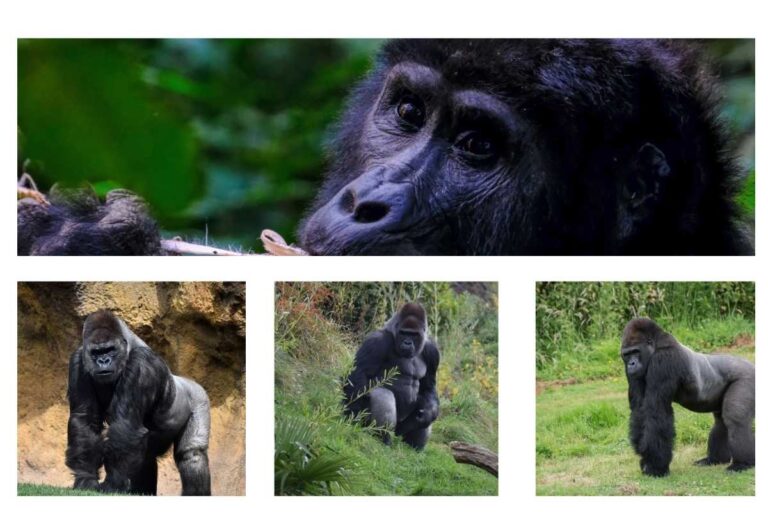
Gorilla trekking offers an extraordinary chance to witness these majestic animals in their natural habitat, but it also raises important questions about conservation and responsible tourism. Understanding the ethics behind gorilla trekking ensures that your adventure supports wildlife protection while providing a safe and respectful experience. With proper guidance, visitors can enjoy a meaningful encounter without harming gorilla populations or their environment. Here’s what you need to know about ethical gorilla trekking:

Why Gorilla Trekking Is Important

Gorilla trekking is more than just an adventure; it supports conservation and local communities while fostering education about endangered species. Ethical practices ensure that every visit contributes positively to the gorillas’ survival and wellbeing:

1. Supports Conservation Efforts

Revenue from trekking gorillas permits funds park management, anti-poaching initiatives, and habitat protection programs.

2. Promotes Sustainable Tourism

Ethical trekking minimizes environmental impact and encourages responsible visitor behavior.

3. Educates Visitors About Wildlife

Guides provide insights into gorilla behavior, ecology, and the importance of protecting endangered species.

4. Benefits Local Communities

Tourism income supports local livelihoods, schools, and community development programs surrounding the parks.

What to Expect When Gorilla Trekking

Ethical trekking requires preparation, patience, and respect for the animals’ natural behavior. Visitors should anticipate physically active excursions and adhere to strict rules to ensure safety and minimal disruption:

1. Moderate to Strenuous Hikes

Trails can be steep and muddy, so fitness and proper footwear are essential.

2. Limited Time With Gorillas

Visits usually last about one hour to reduce stress on the animals.

3. Strict Hygiene and Behavior Rules

Visitors must maintain distance, avoid direct contact, and follow guide instructions to prevent disease transmission.

4. Variable Weather Conditions

Rainfall can affect trail conditions, making preparation and flexibility crucial.

5. Early Morning Starts

Treks often begin early to maximize daylight and encounter gorillas during active periods.

Top Destinations for Gorilla Trekking

Choosing the right destination ensures an immersive and ethical experience. Each park has unique features and offers structured trekking programs designed to protect gorilla populations:

1. Bwindi Impenetrable National Park, Uganda

Bwindi is home to nearly half of the world’s mountain gorillas, offering unparalleled trekking opportunities.

Highlights:

  • Dense rainforest habitat

  • Close-up gorilla encounters

  • Experienced local guides

  • Family-friendly trekking groups

  • Community-based conservation projects

2. Volcanoes National Park, Rwanda

Volcanoes National park provides a controlled and well-managed trekking environment for gorilla safaris.

Highlights:

  • Iconic gorilla families for observation

  • Scenic volcanic landscapes

  • High safety and hygiene standards

  • Guides trained in conservation education

  • Opportunities to support local communities

3. Virunga National Park, Democratic Republic of Congo

Virunga combines stunning landscapes with efforts to protect gorillas in a challenging but rewarding environment.

Highlights:

  • Active volcanoes and diverse wildlife

  • Conservation-focused trekking permits

  • Guided hikes emphasizing safety

  • Community engagement initiatives

  • Photographic opportunities for wildlife enthusiasts

Best Time for Gorilla Trekking

Timing plays a crucial role in ensuring a safe, comfortable, and rewarding trekking experience. Not only does it influence trail conditions and visibility, but it also affects the gorillas’ behavior and overall park experience. Choosing the right period can enhance wildlife encounters, reduce environmental impact, and make your trek more enjoyable for all members of the family:

1. Dry Seasons (June to September, December to February)

The dry seasons are widely considered the best time for trekking. Trails are easier to navigate, reducing the risk of slipping on muddy paths, and wildlife is more active and visible. These months also offer pleasant weather, making it more comfortable for families and first-time trekkers. Booking early during this season is recommended to secure permits and accommodations.

2. Wet Seasons (March to May, October to November)

Although trails may be muddy and more physically challenging, the wet seasons bring lush greenery, vibrant landscapes, and fewer crowds. Wildlife is still abundant, and the rainforest scenery is at its most spectacular. Trekkers should wear waterproof gear and sturdy shoes, but the quieter parks can offer a more intimate and immersive experience with gorillas.

3. Avoid Peak Crowds

For the most ethical and enjoyable experience, consider trekking during periods with smaller visitor numbers. Smaller groups minimize stress on the gorillas and allow for a more personal encounter. Off-peak visits also offer better opportunities for photography and a calmer, more reflective connection with nature.

Tips for Ethical Gorilla Trekking

A responsible approach ensures safety for both visitors and gorillas while supporting conservation efforts:

1. Book Through Licensed Operators

Choose tour companies accredited by national park authorities for ethical practices.

2. Follow All Park Guidelines

Maintain distance, limit noise, and adhere to hygiene rules to protect gorilla health.

3. Travel Light and Wear Neutral Clothing

Minimizes environmental impact and avoids disturbing wildlife.

4. Respect Time Limits

One-hour visits are enforced to reduce stress on gorilla families.

5. Support Local Communities

Purchase permits and souvenirs that contribute directly to community development and conservation.

Why Choose Sparwild African Tours and Safaris for Gorilla Trekking

At Sparwild African Tours and Safaris, we prioritize responsible and ethical gorilla trekking experiences. We ensure your adventure supports conservation while remaining safe, comfortable, and educational:

1. Expert Conservation Guides

Our guides are trained in gorilla behavior and ethical trekking practices.

2. Tailored Gorilla Trekking Itineraries

We craft trips that maximize wildlife encounters while minimizing environmental impact.

3. Family-Friendly Experiences

We organize treks suitable for children and first-time wildlife travelers.

4. Safe and Comfortable Logistics

From transport to accommodations, we handle all details for a smooth and secure journey.

5. Community and Conservation Support

Every tour contributes directly to local communities and gorilla protection programs.

Frequently Asked Questions About Gorilla Trekking

Gorilla trekking is an incredible wildlife experience, but it often raises questions about safety, ethics, permits, and the best way to plan your visit. Understanding these details helps travelers prepare for a responsible and enjoyable adventure while protecting the gorillas and their habitat. This FAQ section answers common concerns and provides practical guidance to make your gorilla trekking experience safe, memorable, and ethically sound:

1. Is gorilla trekking safe for visitors?

Yes, guided gorilla trekking is generally safe. Visitors follow strict rules and maintain safe distances to protect both themselves and the gorillas. Guides are trained to manage emergencies and ensure the trekking environment remains controlled.

2. Are gorillas harmed by trekking tourism?

Ethical trekking practices are designed to minimize impact. Parks enforce strict rules on visitor numbers, time limits, and hygiene to protect gorillas and their habitat.

3. How physically demanding is gorilla trekking?

Treks range from moderate to strenuous. Trails can be steep, muddy, or uneven, so visitors should be prepared with fitness, proper footwear, and clothing suitable for changing weather conditions.

4. Can children participate in gorilla trekking?

Yes, with guidance. Age limits may vary by park, but treks can be family-friendly with shorter distances or accessible trails.

5. How many people are allowed in a trekking group?

Typically, groups are limited to 8 visitors per gorilla family to minimize stress on the animals and ensure safety.

6. How long is a gorilla trekking visit?

Visits usually last around one hour per gorilla family. Guides ensure this time is enough for observation without causing undue stress.

7. What should I bring on a gorilla trek?

Essentials include water, snacks, a camera, waterproof clothing, and insect repellent. Heavy items should be avoided to reduce impact on the environment.

8. What is the best time of year for gorilla trekking?

Dry seasons (June–September, December–February) are preferred for easier trekking and better wildlife visibility, though gorillas can be seen year-round.

9. How do permits work for gorilla trekking?

Permits are purchased in advance through park authorities or licensed tour operators. Fees directly support conservation and local communities.

10. Can gorilla trekking be ethical in all parks?

Yes, if visitors follow park guidelines, respect wildlife, and book through responsible operators. Choosing accredited companies ensures ethical practices.

11. Does gorilla trekking support conservation?

Absolutely. Fees from permits and responsible tourism fund anti-poaching efforts, habitat protection, and community development around gorilla parks.

12. Can Sparwild African Tours and Safaris arrange ethical gorilla trekking?

Yes, we specialize in safe, responsible gorilla trekking experiences. We provide expert guides, sustainable itineraries, and support local conservation and communities.

Book Ethical Gorilla Trekking with Sparwild African Tours and Safaris

Experience gorillas in their natural habitat while supporting conservation and local communities. Sparwild African Tours and Safaris ensures every trek is safe, responsible, and unforgettable. From expert guides to family-friendly itineraries, we make ethical gorilla trekking accessible and memorable. Plan your adventure today and witness these incredible animals responsibly.