
Home » Hiking Tours Africa

Hiking Tours Africa

Embarking on hiking tours in Africa opens the door to breathtaking landscapes, vibrant wildlife, and unforgettable cultural encounters. From towering volcanic peaks to lush forests and rolling savannahs, every trail offers a unique adventure for travelers seeking both thrill and tranquility. Whether you are an experienced trekker or a first-time hiker, Africa’s diverse terrains provide options that balance challenge with safety and comfort. Discover trails where nature, wildlife, and local heritage intertwine beautifully.

Why Hiking Tours in Africa Is Important

Hiking tours in Africa are more than just a physical activity—they offer immersive experiences that educate, inspire, and connect travelers with nature. Exploring trails allows hikers to witness ecosystems firsthand, gain insight into local communities, and develop a deeper appreciation for conservation. The benefits of these adventures include:

1. Experiential Learning

Hiking provides hands-on exposure to Africa’s rich biodiversity. Participants can observe unique flora and fauna up close, learn about ecological systems, and understand the importance of wildlife preservation. This is especially valuable for families or first-time explorers seeking educational experiences beyond traditional sightseeing.

2. Physical and Mental Wellness

Traversing trails strengthens the body while promoting mental clarity. The combination of fresh air, scenic views, and gentle to moderate exertion fosters relaxation and reduces stress, making hiking tours a rejuvenating adventure for all ages.

3. Cultural Connections

Many hiking routes in Africa pass through villages and local communities. Travelers gain insight into traditional lifestyles, interact with local guides, and even participate in cultural activities, turning each hike into a meaningful cultural exchange.

4. Adventure and Photography Opportunities

Africa’s landscapes are incredibly diverse—from the snow-capped peaks of the Rwenzori Mountains in Uganda to the savannahs of Tanzania. Hiking tours provide unmatched opportunities for wildlife photography and landscape captures, making every step memorable.

What to Expect When Hiking Tours in Africa

Hiking tours in Africa offer incredible experiences, but it’s important to know what each journey involves. From changing landscapes to varying trail conditions, understanding what to expect ensures a safe, enjoyable, and memorable adventure:

1. Diverse Landscapes and Terrains

Expect a mix of terrain—from lush tropical forests and rolling hills to volcanic slopes and rocky mountain paths. Each trail brings unique scenery, with opportunities to see waterfalls, valleys, and panoramic vistas along the way.

2. Wildlife and Nature Encounters

While hiking, you may encounter monkeys, birds, and other wildlife in their natural habitats. In some regions, like Rwanda or Uganda, trails may pass near gorilla or primate habitats, providing unforgettable wildlife moments under guided supervision.

3. Changing Weather and Trail Conditions

Weather can shift quickly, especially at higher elevations. Hikers may experience misty mornings, sunny afternoons, and sudden rain showers. Trails can range from well-maintained paths to rugged, uneven tracks, so readiness for variability is key.

4. Cultural and Local Experiences

Some trails pass through local villages, farmland, or heritage sites. Hikers can interact with local communities, observe traditional lifestyles, and learn about regional customs, making each trek culturally enriching.

5. Physical Demands and Pacing

Expect periods of moderate to strenuous exertion, depending on trail difficulty. Guided hikes allow you to maintain a comfortable pace, with breaks for rest, photography, and wildlife observation, ensuring the journey remains enjoyable.

Top Destinations for Hiking Tours in Africa

Africa offers breathtaking trails that blend nature, wildlife, and cultural experiences. The following destinations are available through Sparwild African Tours and Safaris, ensuring both adventure and comfort for all hikers:

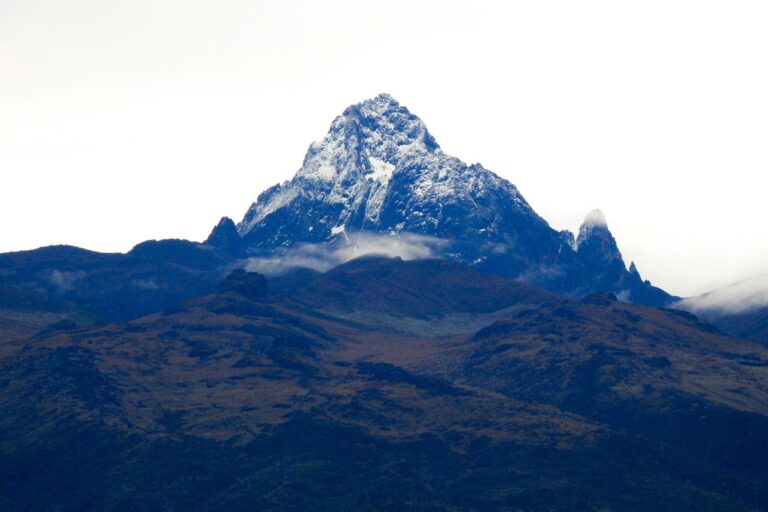
1. Mount Kenya, Kenya

Africa’s second-highest mountain features diverse trekking routes and stunning scenery:

Highlights:

  • Multiple trails catering to different skill levels.

  • Scenic valleys, alpine moorlands, and glaciers.

  • Family-friendly lodges and accommodations near trailheads.

  • Opportunities for wildlife sightings, including elephants and buffalo at lower elevations.

  • Excellent spots for sunrise, sunset, and landscape photography.

2. Mount Elgon, Kenya/Uganda Border

A unique extinct volcano with lush landscapes and cultural trails:

Highlights:

  • Scenic forested trails and waterfalls.

  • Rich biodiversity, including endemic bird species and primates.

  • Moderate treks suitable for adventurous families and groups.

  • Cultural visits to local communities along the routes.

  • Opportunities for photography and nature immersion.

3. Rwenzori Mountains, Uganda

Known as the “Mountains of the Moon,” the Rwenzori range offers dramatic peaks and rich ecosystems:

Highlights:

  • Glacial peaks, tropical forests, and waterfalls.

  • Diverse flora and fauna, including rare birds and primates.

  • Guided treks for moderately experienced hikers.

  • Cultural interactions with local Bakonzo communities.

  • Perfect for photography enthusiasts and nature lovers.

Best Time to Hike in Africa

Timing your hiking tours in Africa greatly enhances both safety and enjoyment. Each destination has unique climate patterns, trail conditions, and wildlife activity, so planning around the best seasons ensures a smoother and more memorable experience.

1. Mount Kenya, Kenya

The best time to hike Mount Kenya is during the dry months of January to March and July to September. During these periods, the weather is more stable, trails are safer, and visibility from the summit is at its clearest, allowing hikers to fully appreciate the mountain’s dramatic peaks and valleys. The long rains from April to June can make some routes slippery and challenging, while the short rainy season in November may also bring sudden showers. Choosing the dry months not only improves safety but also enhances wildlife spotting opportunities along the lower slopes.

2. Mount Elgon, Kenya/Uganda Border

Mount Elgon’s forested trails and waterfalls are best explored during the dry months of June to September and December to February. These seasons provide safer footing on the often muddy trails, and rivers and streams are easier to cross. Rainy periods can make certain paths slippery and obscure views of the surrounding landscapes, so planning your trek during the dry season ensures comfort, safety, and optimal enjoyment of the region’s rich biodiversity and scenic waterfalls.

3. Rwenzori Mountains, Uganda

The Rwenzori Mountains, or “Mountains of the Moon,” are best visited in the dry months of June to September and December to February. Trails are easier to navigate when rivers are lower, and the risk of erosion and slippery conditions is minimized. Hiking during the dry season allows for clearer views of the glacial peaks, waterfalls, and tropical forests. Additionally, wildlife sightings are generally easier, and guided treks can safely take you through both the high-altitude zones and lower forested regions without the complications brought by heavy rainfall.

Tips for Hiking Tours in Africa

Well-prepared hikers enjoy safer and more memorable experiences. Follow these practical tips:

1. Travel Light but Smart

Pack only essentials: water, snacks, first-aid kit, weather-appropriate clothing, and camera gear. Heavy backpacks make long treks unnecessarily tiring.

2. Hire a Local Guide

Guides enhance safety, share local knowledge, and ensure you don’t miss unique flora, fauna, or cultural experiences.

3. Acclimatize for High Altitude

For mountains like Kilimanjaro or Mount Kenya, allow rest days to adjust to altitude and prevent fatigue or illness.

4. Prioritize Comfort and Safety

Wear sturdy hiking shoes, use trekking poles, and dress in moisture-wicking layers. Always follow trail markers and safety instructions.

5. Protect Wildlife and Environment

Maintain respectful distances from animals, avoid littering, and stick to designated trails to preserve natural habitats.

Why Choose Sparwild African Tours and Safaris for Hiking Tours in Africa

At Sparwild African Tours and Safaris, we make your hiking adventure seamless, safe, and unforgettable. Our expertise and dedication ensure that every trek is tailored to your needs, whether you are traveling solo, as a family, or in a group:

1. Expert Guides

We provide trained local guides who have in-depth knowledge of the terrain, wildlife, and cultural heritage. They ensure your hike is not only safe but also educational and enriching, sharing unique insights you won’t find anywhere else.

2. Tailored Itineraries

Our hiking routes are fully customizable to match your skill level, interests, and preferences. We design each itinerary so you experience the perfect balance of adventure, comfort, and discovery.

3. Child and Family-Friendly Accommodations

We arrange lodges, eco-camps, and other accommodations near trailheads, making your journey comfortable and convenient. Families and groups can relax knowing their lodging is safe, welcoming, and supportive of all ages.

4. Educational and Interactive Experiences

With us, hiking is more than just walking—it’s an opportunity to learn about ecosystems, conservation efforts, and local communities. Our tours turn every step into a meaningful experience.

5. Support for Families and Groups

Our guides and staff ensure that all participants, from children to elders, enjoy a safe, engaging, and memorable journey. We focus on providing assistance, encouragement, and attention to detail so everyone has the best possible adventure.

Frequently Asked Questions About Hiking Tours in Africa

Hiking tours in Africa generate many questions about preparation, safety, and costs. Here are the most common queries answered in detail:

1. Do I need prior hiking experience?

Not necessarily. Trails vary in difficulty, and we provide options for beginners, families, and experienced hikers. Our guides ensure that every participant can enjoy the trek safely and at a comfortable pace.

2. Are hiking tours safe for children?

Yes, many of our trails are family-friendly. Age-appropriate routes, proper supervision, and experienced guides help ensure that children can enjoy the adventure safely.

3. What permits are required?

Certain areas, such as national parks or specific conservation zones, may require permits. We assist with securing all necessary approvals so you can focus on enjoying your hike without logistical worries.

4. What equipment should I bring?

Essentials include sturdy hiking shoes, layered clothing, trekking poles, water, snacks, and a camera. Lightweight and breathable fabrics improve comfort, and our team provides guidance on gear tailored to each trail.

5. How fit do I need to be?

Fitness requirements depend on trail difficulty. We offer routes suitable for moderate fitness levels, and our guides adjust the pace to match your abilities, ensuring a safe and enjoyable experience.

6. Is altitude sickness a concern?

High-altitude treks, such as Mount Kenya, may cause mild symptoms. Acclimatization days, proper hydration, and guidance from our trained team help minimize risks and make the experience comfortable.

7. Are there guided vs. self-guided options?

Most hikes are guided to ensure safety, proper navigation, and enhanced insight into wildlife and local culture. Self-guided options are available for select trails, depending on experience and trail conditions.

8. What wildlife can I expect to see?

You may encounter monkeys, birds, and other native wildlife along the trails. In some regions, like Rwenzori Mountains, sightings of rare species are possible. Our guides enhance these experiences by pointing out wildlife and explaining their habitats.

9. Can I hike year-round?

Hiking is possible throughout the year, but dry seasons offer safer trails, clearer visibility, and better wildlife spotting. We recommend scheduling your trek during these months for optimal conditions.

10. Are accommodations included?

Yes, we provide lodges, eco-camps, and family-friendly stays near trailheads to ensure comfort and convenience throughout your hiking journey.

11. How long do hiking tours usually last?

Tours can range from single-day hikes to multi-day trekking expeditions. We customize itineraries based on your preferences, experience level, and available time.

12. Why choose Sparwild African Tours and Safaris?

With expert guides, tailored itineraries, and family-friendly support, we ensure every hiking adventure in Africa is safe, comfortable, and unforgettable. Our team is dedicated to providing enriching experiences that combine adventure, culture, and wildlife exploration.

Book Your Hiking Tours in Africa with Sparwild African Tours and Safaris Today

Experience the adventure of a lifetime with hiking tours in Africa through Sparwild African Tours and Safaris. We provide expert guides, tailored itineraries, and family-friendly accommodations to ensure your journey is safe, comfortable, and unforgettable. Whether you are hiking scenic mountains, exploring lush forests, or observing wildlife along the trails, we make every step seamless and enriching. Reserve your tour with us today and create memories that will last a lifetime!