Home » Gorilla trekking Kenya

Gorilla trekking Kenya

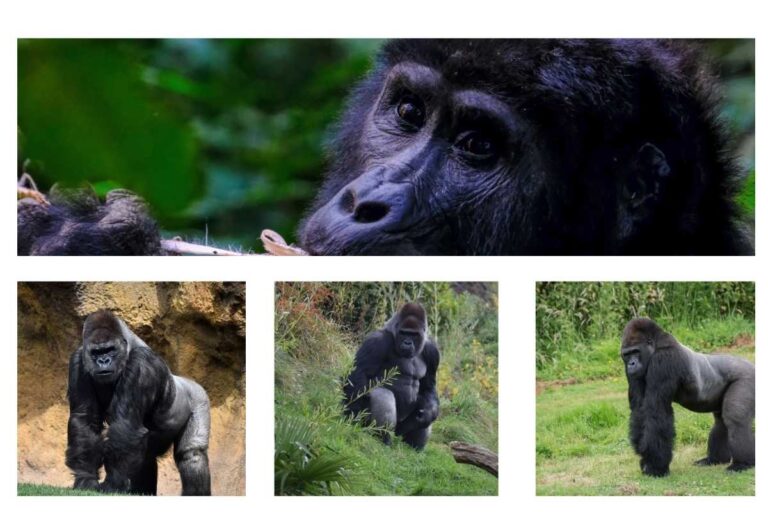
Gorilla trekking in Kenya offers travelers an extraordinary wildlife experience, combining adventure, conservation, and close encounters with one of the world’s most iconic primates. This activity allows visitors to witness gorillas in their natural habitat while learning about their behavior, ecology, and the conservation efforts that protect them. Guided treks provide safe and immersive experiences suitable for families, photographers, and wildlife enthusiasts. Planning a gorilla trekking adventure ensures both safety and a memorable connection with Kenya’s unique biodiversity.

Why Gorilla Trekking in Kenya Is Special

Trekking to see gorillas in Kenya goes beyond a typical safari; it’s an educational and emotional journey through pristine ecosystems:

1. Close Encounters With Wildlife

Experience rare moments observing gorillas and their interactions in their natural forest habitats.

2. Conservation and Education

Learn about ongoing efforts to protect endangered species and the importance of preserving their environment.

3. Scenic Forest Landscapes

Dense forests, misty mountains, and rivers provide a stunning backdrop for trekking and photography.

4. Unique Wildlife Photography Opportunities

Gorilla trekking allows for intimate and dramatic wildlife photography in low-impact settings.

What to Expect When Gorilla Trekking in Kenya

Gorilla trekking requires preparation, stamina, and awareness of park rules. Knowing what to expect ensures safety and enjoyment:

1. Trek Duration and Terrain

Treks can last 2–6 hours over hilly, forested terrain; participants should be prepared for physical activity.

2. Guided Trekking Experience

Professional guides lead groups, provide insights into gorilla behavior, and ensure adherence to safety protocols.

3. Group Size and Rules

Trekking is done in small groups to minimize disturbance; visitors must maintain safe distances and avoid sudden movements.

4. Physical Preparation

Good fitness and proper footwear are essential due to uneven and muddy forest paths.

5. What to Bring

Water, snacks, trekking poles, rain gear, and insect repellent help enhance comfort and safety during treks.

Top Locations for Gorilla Trekking in Kenya

Kenya offers remarkable destinations for gorilla trekking, each providing unique landscapes, wildlife, and trekking experiences. The top locations for gorilla trekking in Kenya highlight the best parks, forests, and conservancy areas where travelers can observe gorillas safely and responsibly. These sites combine adventure, conservation, and immersive nature experiences suitable for families, photographers, and wildlife enthusiasts. Understanding these locations helps plan a rewarding and unforgettable gorilla trekking journey:

1. Mount Elgon National Park, Kenya

Mount Elgon offers pristine forests and a chance to see gorilla families in their natural habitat:

Highlights:

  • Dense forest and mountainous scenery

  • Rare sightings of gorilla families

  • Ranger-led trekking experiences

  • Opportunities for birdwatching and photography

2. Kakamega Forest Reserve, Kenya

A remnant of the ancient Guineo-Congolian rainforest, Kakamega supports diverse primate species:

Highlights:

  • Guided forest trails for safe trekking

  • Rich biodiversity including monkeys and birds

  • Cultural encounters with local communities

  • Educational conservation programs

3. Saiwa Swamp National Park, Kenya

Saiwa Swamp offers an intimate trekking experience with lush vegetation and wildlife observation:

Highlights:

  • Dense swamp and forest ecosystem

  • Guided treks to spot primates and other wildlife

  • Scenic trails for photography

  • Opportunities for birdwatching and nature walks

4. Mount Elgon Conservancy Areas, Kenya

Beyond the main park, conservancy zones provide quieter and less crowded trekking routes:

Highlights:

  • Less visited trails with high wildlife visibility

  • Ranger-led guided trekking

  • Opportunity to see gorillas and other primates

  • Eco-friendly accommodations nearby

5. Kakamega Community Forests, Kenya

Community-managed forests provide immersive experiences while supporting local conservation initiatives:

Highlights:

  • Sustainable trekking tours

  • Education on local ecosystems and wildlife

  • Close encounters with monkeys and rare birds

  • Cultural engagement with local communities

Best Time to Go Gorilla Trekking in Kenya

Timing your visit enhances safety, comfort, and wildlife viewing opportunities:

1. Dry Seasons (January–March, July–October)

Optimal for trekking trails, easier access, and clearer forest paths.

2. Wet Seasons (April–June, November–December)

Forest is lush and vibrant; trails may be muddy and more challenging.

3. Wildlife and Bird Activity

Early mornings often provide the best sightings of gorillas and other forest wildlife.

Tips for Gorilla Trekking in Kenya

Gorilla trekking in Kenya is an unforgettable adventure that requires preparation, awareness, and respect for wildlife. The following tips for gorilla trekking in Kenya provide practical guidance on safety, gear, trekking techniques, and responsible wildlife interaction. Whether you are a first-time trekker or an experienced traveler, following these tips ensures a smoother, safer, and more enjoyable experience. Being well-prepared allows you to fully immerse yourself in the beauty and excitement of Kenya’s forests and gorilla habitats:

1. Dress Appropriately

Wear long sleeves, trekking pants, waterproof jackets, and sturdy boots.

2. Prepare Physically

Moderate fitness is recommended; some trails are steep and muddy.

3. Travel Light

Carry only essentials like water, snacks, rain gear, and camera.

4. Follow Guide Instructions

Maintain distance, avoid sudden movements, and respect park rules for safety.

5. Respect Wildlife and Environment

Avoid loud noises and ensure minimal impact on gorilla habitats.

Why Choose Sparwild African Tours and Safaris for Gorilla Trekking in Kenya

Travelers who go gorilla trekking in Kenya with Sparwild African Tours and Safaris enjoy expertly guided, safe, and fully curated experiences:

1. Expert Guides

Our guides are trained in wildlife tracking, gorilla behavior, and visitor safety.

2. Tailored Itineraries

We customize trekking routes and schedules for families, groups, or solo travelers.

3. Comfortable Accommodations

Eco-lodges and conservancy camps provide safe and scenic stays near trekking areas.

4. Educational Experiences

Visitors learn about conservation, ecosystems, and primate behavior during guided treks.

5. Family and Group Support

We ensure safe, memorable, and enjoyable experiences for all ages.

Frequently Asked Questions About Gorilla Trekking in Kenya

Travelers often have questions about permits, routes, safety, and wildlife when planning gorilla trekking in Kenya. The following frequently asked questions about gorilla trekking in Kenya provide clear guidance on what to expect, how to prepare, and how to make the most of this extraordinary experience. These answers are designed to help first-time trekkers, families, and seasoned wildlife enthusiasts plan confidently and responsibly:

1. What is the best park for gorilla trekking in Kenya?

Mount Elgon National Park and Kakamega Forest Reserve are top destinations for gorilla sightings.

2. Do I need a guide for gorilla trekking in Kenya?

Yes, guides ensure safety, help locate gorillas, and explain conservation practices.

3. What is the difficulty level of gorilla trekking?

Trek difficulty ranges from moderate to strenuous depending on trails; day hikes are easier for beginners.

4. How long does a gorilla trek last?

Trek durations typically range from 2–6 hours depending on the park and group pace.

5. Can children participate in gorilla trekking?

Younger children can enjoy short, guided forest walks; summit treks are best for older, fit participants.

6. What should I bring for a gorilla trek?

Water, snacks, trekking poles, rain gear, long sleeves, sturdy boots, and a camera are recommended.

7. Are park fees included in trekking packages?

Sparwild African Tours and Safaris includes park and conservation fees in their trekking packages.

8. What wildlife can I expect besides gorillas?

Monkeys, antelopes, buffalo, and diverse bird species inhabit the forested areas.

9. Is there a best season for gorilla trekking in Kenya?

Dry months (January–March, July–October) are ideal for easier trail access and clear visibility.

10. Can I combine gorilla trekking with a safari?

Yes, Sparwild packages allow seamless integration with other Kenyan safari destinations.

11. How do I book a gorilla trekking trip?

Contact Sparwild African Tours and Safaris to arrange guides, permits, and itinerary customization.

12. Why choose Sparwild African Tours and Safaris for gorilla trekking in Kenya?

We provide expert guides, family-friendly options, customized itineraries, and full support for a safe, unforgettable adventure.

Start Planning Your Gorilla Trekking in Kenya Experience With Sparwild African Tours and Safaris

Plan your gorilla trekking in Kenya adventure with Sparwild African Tours and Safaris for guided treks, immersive wildlife encounters, and comfortable accommodations. Our team ensures a fully curated experience, including park fees, expert guides, and tailored itineraries for families, groups, or solo travelers. Enjoy close encounters with gorillas while learning about conservation and forest ecosystems in a safe and responsible way. Contact Sparwild African Tours and Safaris today to book your unforgettable gorilla trekking journey.