
Home » Go To Mount Kenya

Go To Mount Kenya

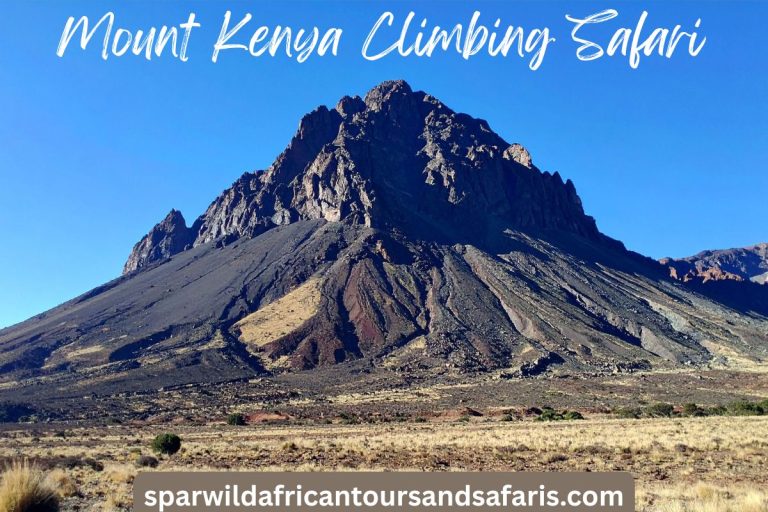
Mount Kenya, East Africa’s second-highest peak, offers travelers a unique blend of adventure, scenic landscapes, and wildlife encounters. To go to Mount Kenya is to experience alpine forests, rugged peaks, and pristine rivers while exploring diverse ecosystems. Whether trekking, wildlife spotting, or enjoying eco-lodges, this destination provides both excitement and tranquility for first-time and experienced travelers. Planning a visit with expert guidance ensures a safe, memorable, and rewarding journey to the heart of Kenya’s wilderness.

Why Go To Mount Kenya Is a Unique Adventure

Mount Kenya is more than just a climb; it’s an immersive experience that connects travelers with nature, culture, and adventure:

1. Diverse Ecosystems

From bamboo forests to alpine moorlands, the mountain supports unique flora and fauna that can only be seen in this region.

2. Wildlife Encounters

While trekking, visitors may spot elephants, buffalo, monkeys, and a variety of bird species in the forested lower slopes.

3. Scenic Hiking and Trekking Routes

Multiple trails, including the Sirimon, Naro Moru, and Chogoria routes, offer varying challenges and breathtaking views.

4. Cultural Experiences

Local communities around Mount Kenya provide insights into traditional lifestyles and conservation efforts, enriching the overall adventure.

What to Expect When You Go To Mount Kenya

Traveling to Mount Kenya requires preparation and awareness of the environment. Understanding expectations ensures a safer and more enjoyable experience:

1. Altitude Preparation

Mount Kenya’s peaks reach over 5,000 meters; gradual acclimatization is key to avoiding altitude sickness.

2. Guided Trekking Support

Hiring professional guides enhances safety and provides expert navigation across challenging terrains.

3. Accommodation Options

From mountain huts to eco-lodges, travelers can choose accommodations that suit comfort levels and budget.

4. Weather Considerations

Weather can change rapidly; proper clothing and gear are essential for warmth, rain protection, and safety.

5. Physical Fitness Requirement

Some treks are strenuous; preparation with moderate exercise and stamina-building improves the overall experience.

Top Destinations and Routes When You Go To Mount Kenya

Exploring Mount Kenya offers more than a single path—it’s a journey through diverse landscapes, wildlife habitats, and scenic viewpoints. The top destinations and routes when you visit Mount Kenya highlight the best trails, trekking options, and natural attractions for travelers of all experience levels. Each route provides a unique combination of adventure, flora, fauna, and breathtaking scenery. Understanding these options helps you plan a safe, rewarding, and memorable journey up this iconic Kenyan peak:

1. Sirimon Route, Kenya

Known for gradual ascent and scenic forest landscapes, the Sirimon route is ideal for first-time trekkers:

Highlights:

  • Gradual ascent suitable for acclimatization

  • Bamboo forests and alpine moorlands

  • Views of Mount Kenya peaks and glaciers

  • Wildlife sightings including elephants and antelopes

2. Naro Moru Route, Kenya

A popular route for quicker ascents and dramatic views:

Highlights:

  • Steeper trail with fast access to peaks

  • Dense forests and rocky ridges

  • Opportunities to see wildlife along the trail

  • Accommodation at mountain huts

3. Chogoria Route, Kenya

Famous for its scenic beauty and less crowded paths:

Highlights:

  • Stunning Gorges Valley and Lake Michaelson views

  • Varied ecosystems from forest to alpine

  • Wildlife and birdwatching opportunities

  • Challenging terrain for adventurous trekkers

4. Burguret Route, Kenya

Ideal for less crowded treks and scenic forest exploration:

Highlights:

  • Serene trail with fewer hikers

  • Dense montane forests and river valleys

  • Opportunities for wildlife spotting

  • Mountain huts and camping options

5. Old Moses Route, Kenya

Popular for climbers aiming for peaks via steep ascents:

Highlights:

  • Steep, direct route to the summit

  • Challenging but rewarding views

  • Scenic glaciers and rocky ridges

  • Accommodation at huts along the trail

6. Meru Mount Kenya Wildlife Corridor, Kenya

A destination combining trekking and wildlife exploration:

Highlights:

  • Tracks wildlife in lower slopes and adjacent conservation areas

  • Views of rivers, forests, and savannah patches

  • Ideal for photography and guided nature walks

  • Family-friendly day excursions possible

7. Mount Kenya National Park, Kenya

The park itself is a hub for eco-tourism and conservation-focused treks:

Highlights:

  • Rich biodiversity and endemic species

  • Ranger-led excursions and educational tours

  • Multiple trekking routes and day hikes

  • Opportunities for cultural and community visits

Best Time to Go To Mount Kenya

Timing your visit ensures safety, comfort, and maximum enjoyment:

1. Dry Season (January–March, July–October)

Ideal for trekking, wildlife spotting, and clear summit views.

2. Wet Season (April–June, November–December)

Lush scenery and waterfalls; trekking may be more challenging.

3. Peak Wildlife Viewing

Combine treks with wildlife spotting in surrounding conservation areas for richer experiences.

Tips for Going to Mount Kenya

Visiting Mount Kenya requires careful preparation to ensure safety, comfort, and a memorable experience. These tips for going to Mount Kenya provide practical advice on trekking, gear, acclimatization, and planning. Whether you are attempting a summit or enjoying day hikes, following these guidelines helps maximize enjoyment while minimizing risks. Preparing in advance ensures your journey through Kenya’s iconic landscapes is smooth and rewarding:

1. Prepare Physically

Engage in moderate exercise and endurance training to handle steep trails.

2. Pack Essential Gear

Include layered clothing, waterproof jackets, trekking boots, hats, and trekking poles.

3. Use Experienced Guides

Professional guides enhance safety, provide local insights, and navigate tricky terrain.

4. Plan Acclimatization Days

Schedule rest days to adjust to higher altitudes, reducing the risk of altitude sickness.

5. Carry Sufficient Supplies

Water, snacks, and a basic medical kit ensure comfort and safety during treks.

Why Choose Sparwild African Tours and Safaris to Go To Mount Kenya

Travelers who visit Mount Kenya with Sparwild African Tours and Safaris enjoy fully curated and safe experiences. Here’s why you should choose us:

1. Expert Trekking Guides

Our guides are trained for safety, navigation, and wildlife knowledge.

2. Tailored Itineraries

We customize treks and adventure packages to suit families, groups, or solo travelers.

3. Comfortable Accommodation

Eco-lodges, mountain huts, and camps are selected for comfort and scenic access.

4. Integrated Safari Options

Combine Mount Kenya treks with safari adventures across Kenya, Tanzania, or Uganda.

5. Family and Group-Friendly Support

We provide guidance and assistance to ensure safe and enjoyable experiences for all ages.

Frequently Asked Questions About Going To Mount Kenya

Travelers often have questions about routes, accommodations, safety, and wildlife when planning a Mount Kenya adventure. The following frequently asked questions about going to Mount Kenya provide clear guidance on what to expect, how to prepare, and how to make the most of your experience. These answers are designed to help first-time trekkers, families, and seasoned adventurers plan with confidence:

1. What is the easiest route to go to Mt Kenya?

The Sirimon Route is gradual and ideal for first-time trekkers while offering scenic views and wildlife spotting.

2. How long does it take to climb Mount Kenya?

Trek durations vary by route, typically 4–7 days for summit attempts, and 1–2 days for day hikes.

3. Do I need a guide to go to Mt Kenya?

Yes, guides ensure safety, navigation, and insight into flora, fauna, and local culture.

4. What fitness level is required?

Moderate to high fitness is recommended for summit treks; day hikes are suitable for most travelers.

5. Are there accommodation options on Mount Kenya?

Yes, mountain huts, campsites, and eco-lodges are available along most trekking routes.

6. When is the best time to go to Mt Kenya?

Dry months (January–March, July–October) offer optimal conditions for trekking and wildlife viewing.

7. Can children visit Mount Kenya?

Day hikes and lower-altitude trails are family-friendly; summit treks are recommended for older, fit children.

8. Are park fees included in guided tours?

Tours with Sparwild African Tours and Safaris include park fees in the package.

9. What wildlife can I see on Mount Kenya?

Elephants, buffalo, monkeys, bushbucks, and diverse bird species inhabit the lower slopes and forested areas.

10. Can I combine Mount Kenya with a safari?

Yes, Sparwild packages allow seamless integration with Kenya’s top safari destinations.

11. How should I prepare for altitude?

Acclimatization, hydration, and pacing your trek are crucial for high-altitude safety.

12. Why choose Sparwild African Tours and Safaris to go to Mt Kenya?

We offer expert guides, tailored itineraries, family-friendly options, and integrated safari experiences for a safe and memorable adventure.

Start Planning Your Go To Mount Kenya Experience With Sparwild African Tours and Safaris

Plan your visit to Mount Kenya adventure with Sparwild African Tours and Safaris for expertly guided treks and unforgettable East African landscapes. Our team provides customized itineraries, comfortable accommodations, and professional support from start to finish. Whether aiming for a summit, day hike, or combining with safari excursions, every detail is carefully arranged for safety and enjoyment. Contact Sparwild African Tours and Safaris today to secure your next Mount Kenya journey.