Home » Best Wildlife Photography Safari Africa

Best Wildlife Photography Safari Africa

Africa is one of the world’s most extraordinary destinations for wildlife photography, offering vast landscapes, diverse ecosystems, and iconic animal species. From dramatic predator encounters to breathtaking savannah scenery, the continent provides countless opportunities for photographers to capture unforgettable moments. Choosing the best wildlife photography safari Africa helps travelers plan the right destinations, timing, and safari style for successful photography experiences.

Queen Elizabeth National Park

Why Choose the Best Wildlife Photography Safari Africa

Wildlife photography safaris require careful planning to ensure photographers have the right conditions for capturing exceptional images. Factors such as lighting, wildlife density, and professional guidance can significantly influence photography results. Understanding these factors helps travelers experience the best wildlife photography safari Africa while maximizing opportunities to capture remarkable wildlife scenes:

1. Access to High Wildlife Density

Photography safaris are most successful in areas with abundant wildlife populations. Regions with large numbers of predators, herbivores, and bird species provide frequent photographic opportunities. These environments increase the chances of capturing rare animal behavior and dramatic wildlife interactions.

2. Ideal Lighting and Scenic Landscapes

Natural lighting plays a critical role in wildlife photography. Early morning and late afternoon game drives provide soft lighting that enhances color and contrast in photographs. Scenic landscapes such as open savannahs, lakes, and mountain backdrops add depth and visual appeal to wildlife images.

3. Guidance from Experienced Safari Experts

Professional guides understand animal behavior and know where to locate wildlife throughout the day. Their expertise helps photographers position themselves for optimal viewing angles and unique photo opportunities. This guidance greatly improves the chances of capturing exceptional wildlife images.

4. Flexible Safari Schedules

Photography-focused safaris often allow longer game drives and flexible schedules. This flexibility enables photographers to spend more time observing wildlife behavior and waiting for the perfect photographic moment.

What Makes a Safari Ideal for Wildlife Photography

Not all safari experiences are designed with photographers in mind. Certain features help create an environment where photographers can work comfortably and capture high-quality wildlife images:

1. Specialized Safari Vehicles

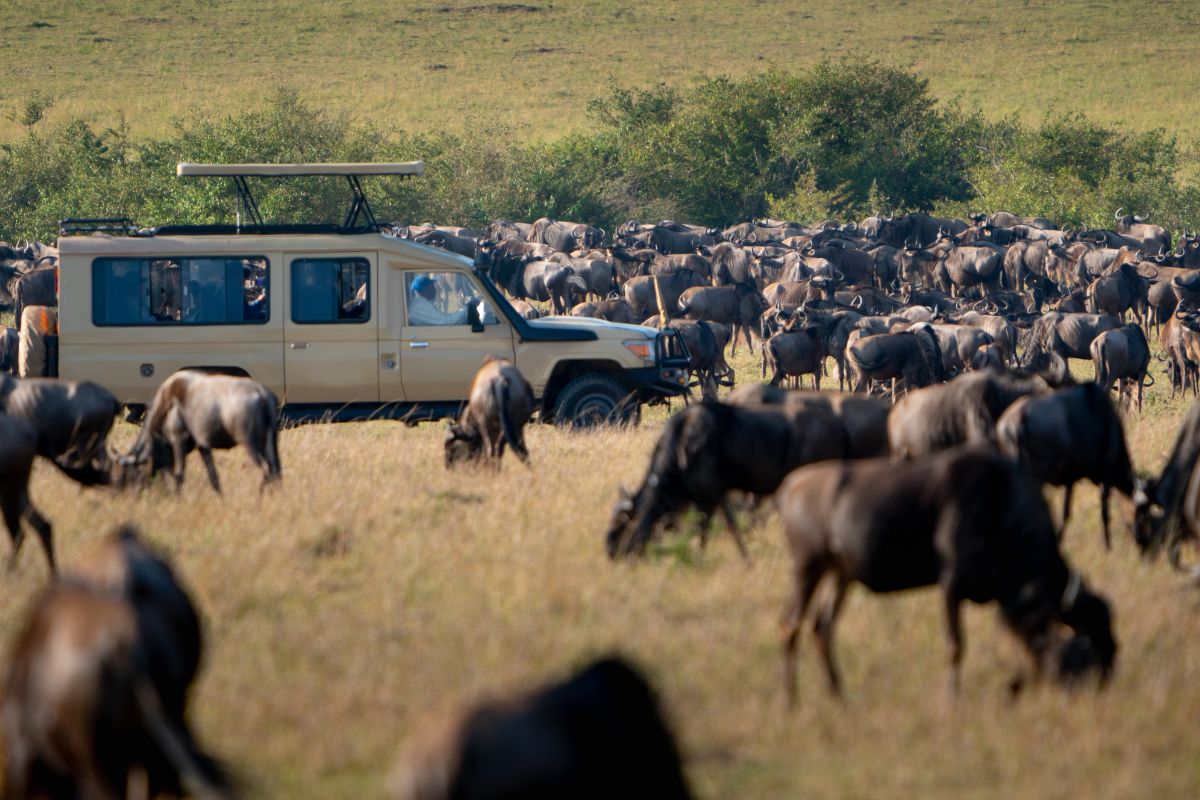
Photography safaris often use vehicles designed to provide unobstructed views and stable shooting positions. Open-roof vehicles allow photographers to shoot from different angles while maintaining a clear line of sight to wildlife.

6 days masai mara photogrAPHY SAFARI

2. Small Group Experiences

Smaller groups allow photographers more space and flexibility inside safari vehicles. This makes it easier to position cameras and lenses without obstruction. Smaller groups also allow guides to focus on the specific interests of photographers.

3. Strategic Game Drive Timing

Wildlife activity tends to peak during early morning and late afternoon hours. Photography safaris typically schedule game drives during these periods to capture animals in natural lighting conditions.

4. Access to Diverse Ecosystems

Destinations with varied landscapes provide a wider range of photographic subjects. Photographers can capture animals in savannah plains, wetlands, forests, and river ecosystems within a single safari itinerary.

Best Wildlife Photography Safari Africa Destinations

Africa offers several outstanding destinations where photographers can capture dramatic wildlife scenes and diverse animal species:

1. Maasai Mara National Reserve – Kenya

The Maasai Mara is one of Africa’s most famous wildlife photography locations. Its open plains and high predator density create excellent conditions for capturing dramatic wildlife encounters.

Highlights:

  • Great Migration river crossings

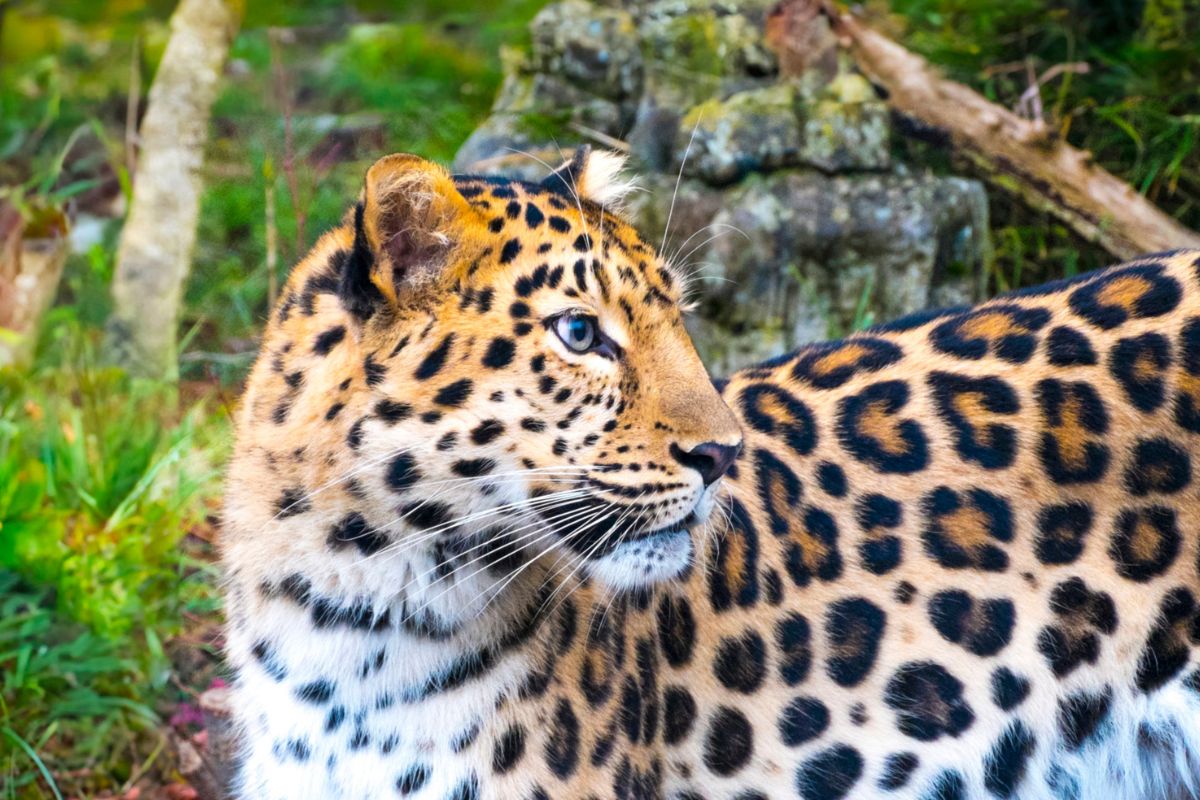
  • Lions, cheetahs, and leopards

  • Open savannah landscapes

  • Exceptional predator photography opportunities

2. Serengeti National Park – Tanzania

Serengeti’s vast ecosystems provide year-round wildlife photography opportunities. The park is particularly known for large herds of wildebeest and zebra.

Highlights:

  • Seasonal Great Migration scenes

  • Large predator populations

  • Dramatic savannah landscapes

  • Exceptional sunrise and sunset photography

3. Amboseli National Park – Kenya

Amboseli is one of the best places in Africa to photograph elephants with Mount Kilimanjaro in the background.

Highlights:

  • Large elephant herds

  • Kilimanjaro backdrop photography

  • Open plains for clear wildlife shots

  • Spectacular sunset landscapes

4. Lake Nakuru National Park – Kenya

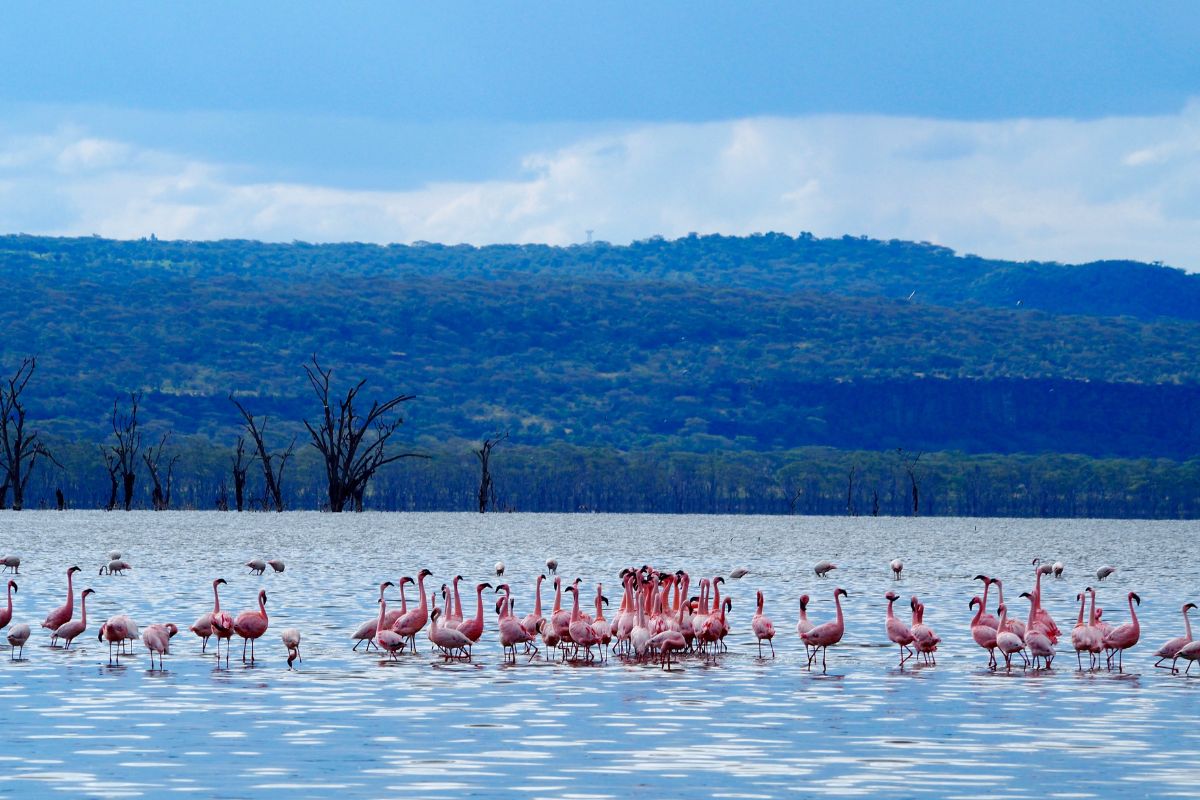
Lake Nakuru is known for its birdlife and rhino conservation efforts, making it an excellent destination for wildlife photographers.

2-Day Lake Nakuru, Lake Naivasha, and Crescent Island Safari (9)

Highlights:

  • Flamingo populations

  • Black and white rhinos

  • Scenic lake landscapes

  • Diverse bird photography opportunities

5. Volcanoes National Park – Rwanda

Volcanoes National Park offers rare opportunities to photograph mountain gorillas in their natural forest habitat.

Highlights:

  • Mountain gorilla photography

  • Dense rainforest landscapes

  • Unique primate photography opportunities

  • Scenic volcanic terrain

6. Bwindi Impenetrable National Park – Uganda

Bwindi provides exceptional opportunities for photographing gorillas and other forest wildlife.

Highlights:

  • Mountain gorilla trekking photography

  • Dense rainforest scenery

  • Rare primate sightings

  • Unique forest wildlife encounters

How to Prepare for a Wildlife Photography Safari in Africa

Preparation is essential for photographers planning wildlife safaris across Africa. Proper planning ensures travelers maximize both comfort and photography opportunities:

1. Choose the Right Camera Equipment

Wildlife photography often requires telephoto lenses for capturing animals from a safe distance. Cameras with fast autofocus and strong low-light performance help photographers capture moving wildlife effectively.

2. Plan for Optimal Safari Timing

Photographers should plan their safari during seasons when wildlife activity is highest. Dry seasons often provide better visibility and increased wildlife concentrations around water sources.

3. Pack Essential Photography Accessories

Extra batteries, memory cards, lens cleaning kits, and protective camera bags are essential for long game drives. Dust protection is also important in savannah environments.

Africa Weather

4. Prepare for Long Game Drives

Wildlife photography often requires patience and long hours in safari vehicles. Comfortable clothing and proper hydration help photographers remain focused throughout the day.

Tips for Capturing the Best Wildlife Photos on Safari

Successful wildlife photography requires patience, observation, and understanding of animal behavior. Applying a few key techniques can greatly improve photographic results:

1. Focus on Animal Behavior

Capturing animals interacting, hunting, or caring for their young often produces more powerful images than simple portraits. Observing wildlife behavior helps photographers anticipate dramatic moments.

2. Use Natural Lighting

Soft natural light during early morning and sunset hours creates more visually appealing photographs. These conditions also reduce harsh shadows and improve color tones.

3. Maintain Safe Distances

Respecting wildlife space ensures both safety and ethical photography practices. Professional guides help maintain safe distances while positioning vehicles for the best photographic angles.

4. Capture the Environment

Including landscapes and natural surroundings adds context and storytelling elements to wildlife photographs. Wide shots can showcase the beauty of African ecosystems.

Why Travel with Sparwild African Tours and Safaris for the Best Wildlife Photography Safari Africa

At Sparwild African Tours and Safaris, we specialize in creating unforgettable wildlife photography experiences across Africa’s most iconic safari destinations. Our team ensures every itinerary maximizes wildlife sightings, provides ideal photographic conditions, and delivers a comfortable, well-organized safari experience tailored to photographers of all levels:

1. Expert Safari Guides with Wildlife Knowledge

Our guides have extensive experience tracking wildlife and understanding animal behavior, helping photographers capture rare and dramatic moments safely.

2. Carefully Planned Photography Itineraries

Each safari is designed with photography in mind, including optimal timing, locations, and wildlife concentrations to ensure the best opportunities for stunning images.

3. Access to Top Wildlife Photography Destinations

We provide access to renowned parks and reserves in Kenya, Tanzania, Rwanda, and Uganda, each selected for its wildlife diversity, scenic landscapes, and photographic potential.

4. Flexible Game Drive Schedules for Photographers

Our safaris allow extended and adaptable game drives so photographers can spend more time capturing wildlife without feeling rushed.

5. Comfortable Safari Vehicles for Photography

We use specially designed safari vehicles with unobstructed views and stability, enabling photographers to shoot from multiple angles while maintaining comfort and safety.

3 Days Amboseli Safari from Nairobi Package

Frequently Asked Questions About the Best Wildlife Photography Safari Africa

Travelers interested in wildlife photography safaris often have questions about destinations, equipment, and safari planning. Understanding these factors helps photographers prepare for successful wildlife photography experiences. The following answers provide helpful insights for planning the best wildlife photography safari Africa:

1. What is the best wildlife photography safari Africa for beginners?

Beginners benefit from guided photography safaris that combine experienced wildlife guides with well-planned game drives. These safaris focus on areas with high wildlife density and accessible landscapes, making it easier to photograph animals. Guides also help beginners understand animal behavior and positioning for better shots. With proper guidance, even first-time photographers can capture impressive wildlife images.

2. Which African destinations are best for wildlife photography safaris?

Several destinations across Africa offer exceptional wildlife photography opportunities. Parks in Kenya, Tanzania, Rwanda, and Uganda provide diverse ecosystems that support a wide range of wildlife species. Open savannah landscapes, lakes, and forest environments allow photographers to capture both large mammals and unique birdlife. Choosing the right destinations helps photographers maximize their chances of capturing diverse wildlife scenes.

3. What camera equipment is recommended for a wildlife photography safari?

Wildlife photography typically requires cameras with fast autofocus and strong burst shooting capabilities. Telephoto lenses are essential for capturing animals from a safe distance without disturbing them. Photographers often carry extra batteries, memory cards, and protective gear to handle long days in the field. Having reliable equipment ensures photographers are prepared for unpredictable wildlife moments.

4. When is the best time for wildlife photography in Africa?

The dry seasons are generally considered the most favorable for wildlife photography. During these months, animals gather near water sources, making sightings more frequent and predictable. Clear skies and minimal vegetation also improve visibility for photographers. Early mornings and late afternoons provide the best lighting conditions for capturing wildlife images.

5. Are guided safaris necessary for wildlife photography?

Guided safaris are highly recommended for wildlife photography, especially for visitors unfamiliar with African parks. Professional guides understand animal movements and know the best locations for wildlife sightings. They also position safari vehicles strategically to give photographers clear viewing angles. This expertise greatly improves the chances of capturing high-quality wildlife images.

6. How close can photographers get to wildlife during a safari?

Wildlife encounters are managed carefully to ensure safety for both visitors and animals. Safari vehicles usually maintain safe distances while still allowing photographers to capture detailed images using telephoto lenses. Professional guides understand how to approach animals responsibly without disturbing their natural behavior. Respecting these boundaries helps maintain ethical wildlife photography practices.

7. What wildlife can photographers expect to capture during a safari?

Africa is home to a wide range of wildlife species that attract photographers from around the world. Common sightings include elephants, lions, giraffes, zebras, buffalo, and numerous bird species. Some parks also provide opportunities to photograph rare animals such as rhinos, cheetahs, and mountain gorillas. Each destination offers unique photographic subjects depending on the ecosystem.

8. How long should a wildlife photography safari last?

Wildlife photography safaris typically last between five and ten days depending on the destinations included. Longer safaris allow photographers to explore multiple ecosystems and increase the chances of capturing diverse wildlife scenes. Spending several days in each park also allows photographers to observe animal behavior more closely. A balanced itinerary provides both variety and sufficient time for photography.

9. Can beginners join wildlife photography safaris in Africa?

Yes, wildlife photography safaris are suitable for both beginners and experienced photographers. Many safaris are designed to accommodate different skill levels by providing guidance on camera settings, wildlife behavior, and positioning techniques. Beginners often learn valuable skills while practicing photography in real wildlife environments. These experiences can significantly improve photography confidence and results.

10. What clothing should photographers wear on safari?

Comfortable clothing in neutral colors is recommended for wildlife photography safaris. Neutral tones help photographers blend into natural environments without attracting unnecessary attention from wildlife. Light layers are useful for adapting to changing temperatures between early mornings and midday heat. Comfortable footwear is also important during long game drives or short nature walks.

11. Can wildlife photographers combine multiple countries in one safari?

Many travelers choose to combine multiple destinations across East Africa to diversify their photography opportunities. Visiting parks in Kenya, Tanzania, Rwanda, or Uganda allows photographers to capture different wildlife species and landscapes. Combining destinations also increases the chances of witnessing rare wildlife encounters. Proper itinerary planning ensures smooth travel between these locations.

12. Why choose Sparwild African Tours and Safaris for the best wildlife photography safari Africa?

Sparwild African Tours and Safaris specializes in organizing well-planned wildlife photography safaris across East Africa’s leading destinations. Our experienced guides understand wildlife behavior and know how to position photographers for the best viewing opportunities. We design flexible itineraries that allow photographers enough time to capture remarkable wildlife moments. With professional guidance and carefully selected destinations, travelers can experience the best wildlife photography safari Africa while enjoying a seamless safari adventure.

7 Day Big Five Kenya Safari Package

Book Your Best Wildlife Photography Safari Africa

Capture extraordinary wildlife moments across Africa’s most iconic landscapes with Sparwild African Tours and Safaris. Our photography-focused safari packages are designed to give photographers the time, locations, and guidance needed to capture remarkable wildlife images. Contact our team today to book the best wildlife photography safari Africa and begin planning your unforgettable photography adventure.