Home » Best Time to Visit Kenya

Best Time to Visit Kenya

Kenya is famed for its stunning landscapes, iconic wildlife, and rich cultural experiences. Seasonal weather, wildlife activity, and park accessibility can influence your travel experience. Understanding the best time to visit Kenya helps travelers plan safaris, wildlife encounters, and nature adventures effectively. Careful planning ensures visitors enjoy the country at its most rewarding moments.

Africa Safaris

Understanding Kenya’s Seasons

Kenya experiences distinct dry and wet seasons that affect safari conditions, wildlife behavior, and travel accessibility. Knowing these patterns helps travelers choose when to visit for wildlife viewing, trekking, or cultural experiences. Seasonal planning also optimizes game drive schedules, park access, and overall comfort.

Why Timing Matters for Visiting Kenya

Timing your visit to Kenya is crucial for a safe, enjoyable, and memorable safari experience. Seasonal changes affect wildlife behavior, park accessibility, and travel comfort. Understanding these patterns helps you plan the best time to visit Kenya for maximum rewards:

1. Wildlife Visibility

The dry season concentrates animals near water sources, making wildlife easier to spot. Safari drives are more productive during these months, and photography opportunities are optimal. Travelers can experience predictable animal movements, ensuring more satisfying game viewing.

2. Road and Park Accessibility

Dry periods improve road conditions across national parks and reserves. Routes are more navigable, allowing safari vehicles to access prime viewing areas safely. Rainy seasons may create muddy trails, slowing travel and limiting access to certain regions.

3. Comfort and Safety

Weather conditions directly affect comfort and safety. Dry months provide stable temperatures, minimal rainfall, and clearer skies, reducing risks on trails and game drives. During wet seasons, travelers may encounter slippery paths or heavy showers, so preparation and guided support are important.

4. Scenic and Environmental Experience

Each season offers unique landscapes: dry months feature open plains for wildlife viewing, while wet months transform parks into lush, green environments. Rainy seasons enhance birdwatching and create scenic backdrops, adding variety to the safari experience.

5. Planning Optimal Travel Itineraries

Understanding seasonal patterns allows travelers to schedule their trips strategically. Choosing the right month maximizes wildlife sightings, scenic opportunities, and comfort while minimizing disruptions from rain or crowded periods. This ensures a seamless, rewarding Kenyan adventure.

Best Time to Visit Kenya for Wildlife Safaris

Wildlife safaris are Kenya’s most popular experiences, but animal behavior and park accessibility vary by season. Planning around these factors ensures travelers maximize sightings and enjoy smoother travel conditions:

7 Day Big Five Kenya Safari Package

1. Dry Season (June–October)

The dry season provides optimal conditions for game viewing. Animals congregate near waterholes, vegetation is sparse, and roads are easier to navigate. Visitors experience clear skies, making photography and sightseeing more enjoyable. Parks like Maasai Mara, Amboseli, and Tsavo offer unforgettable safari adventures during this period.

2. Short Rains (November)

Short rains bring lush greenery and fewer crowds while maintaining good safari conditions. Wildlife remains visible, and migratory birds enhance birdwatching opportunities. Some trails may be slightly muddy, but overall accessibility remains good. Travelers seeking scenic landscapes and quieter experiences often choose this period.

3. Long Rains (April–May)

Heavy rains transform landscapes into vibrant green environments. Some routes and trails may be less accessible, and wildlife can disperse across the parks. Visitors experience peaceful, off-peak safaris and can enjoy unique scenery. Traveling with professional guides ensures smooth logistics during this season.

Best Time to Visit Kenya by Popular Destinations

Each region in Kenya offers unique experiences depending on the season. Understanding seasonal advantages helps travelers plan targeted itineraries and maximize wildlife sightings, scenic landscapes, and safari comfort:

1. Maasai Mara National Reserve

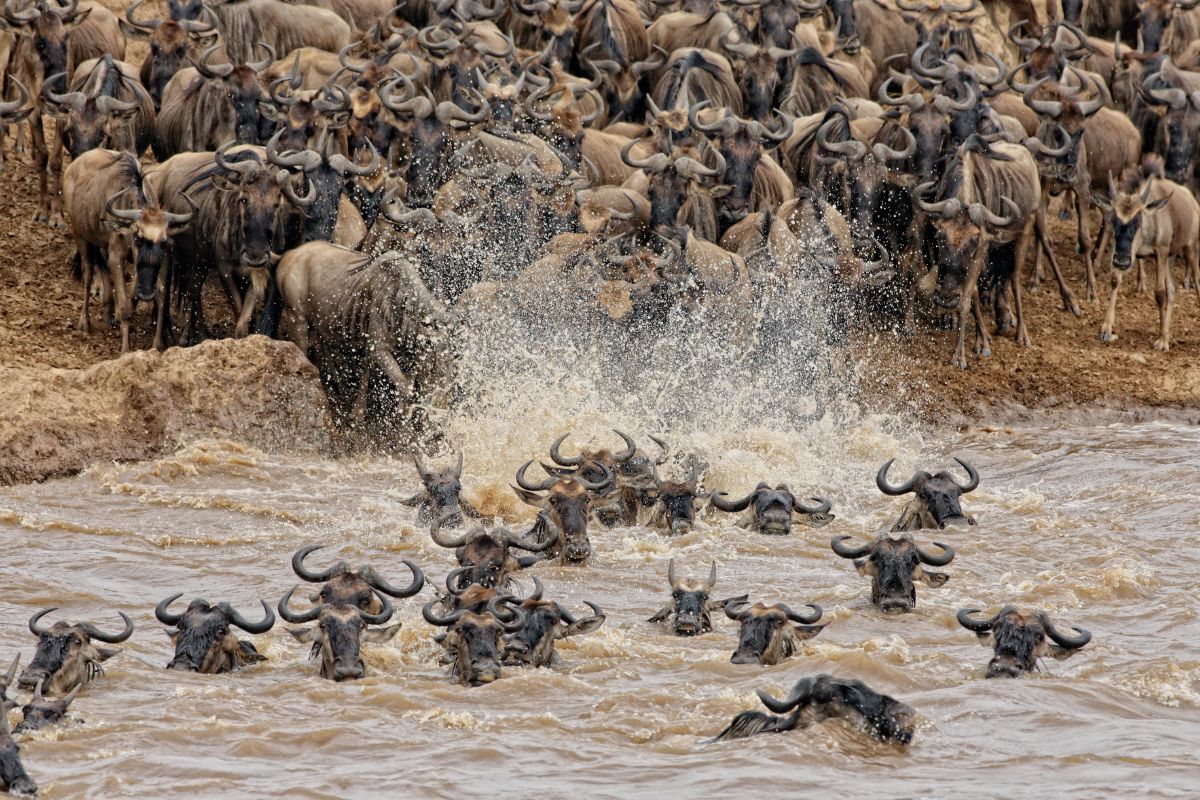
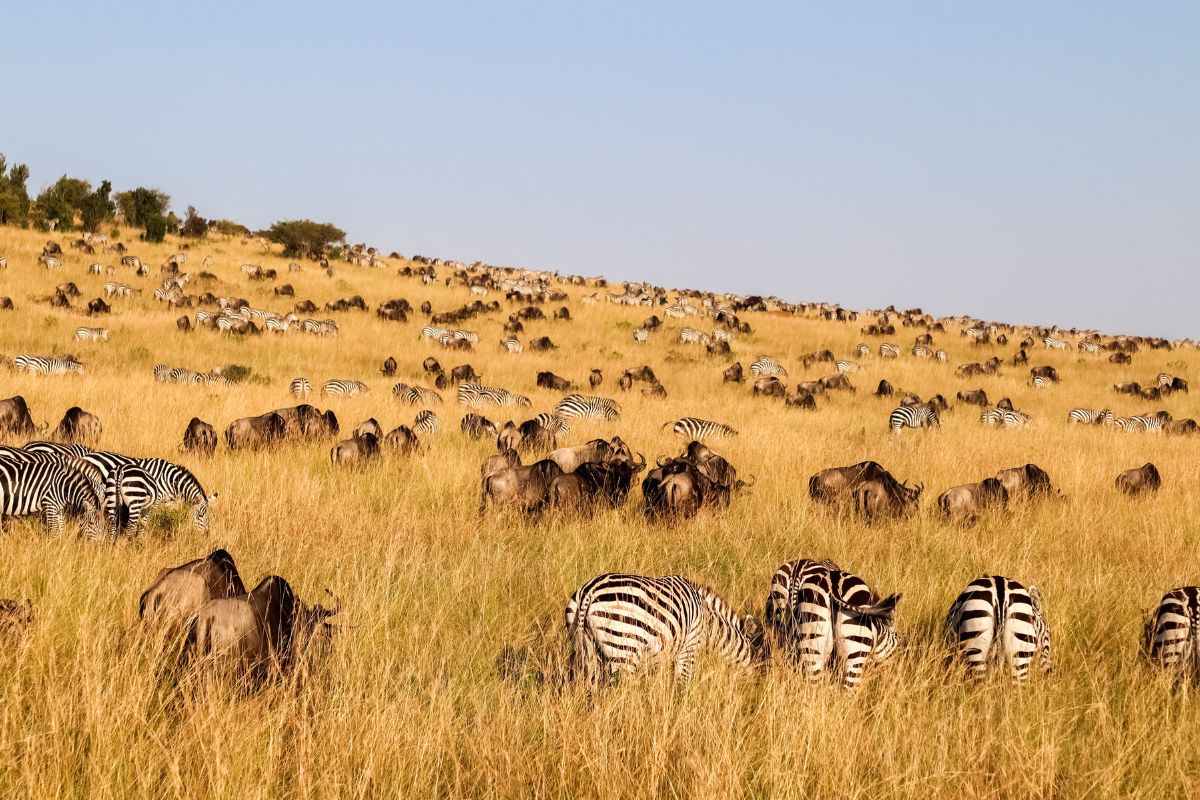
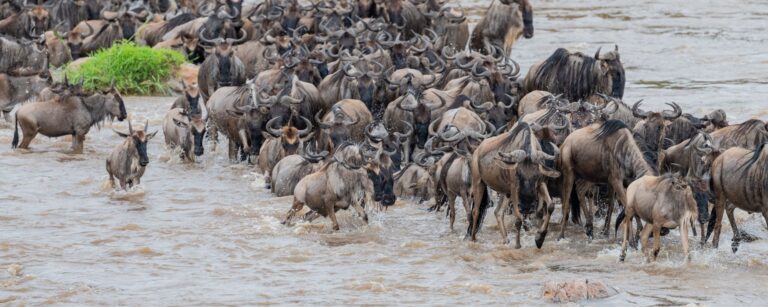
The dry season (July–October) aligns with the Great Migration in Maasai Mara National Reserve, when millions of wildebeest and zebras traverse the plains. River crossings provide spectacular wildlife moments, and road access is excellent for game drives. First-time visitors benefit from predictable animal movements, clear photography conditions, and an immersive safari experience.

3 Days Masai Mara Safari from Nairobi

Highlights:

  • Witness the Great Migration and river crossings

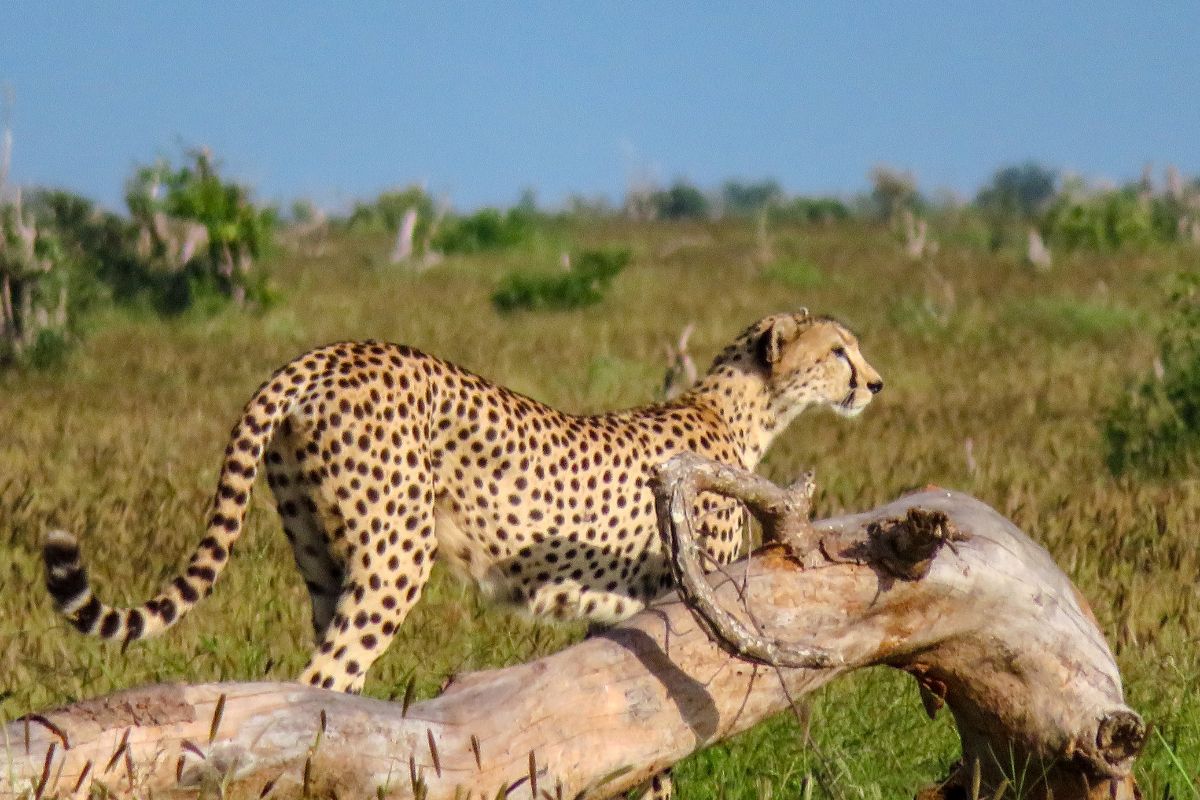
  • Abundant wildlife including lions, cheetahs, and elephants

  • Open savannahs ideal for photography

  • Dry-season accessibility for game drives

2. Amboseli National Park

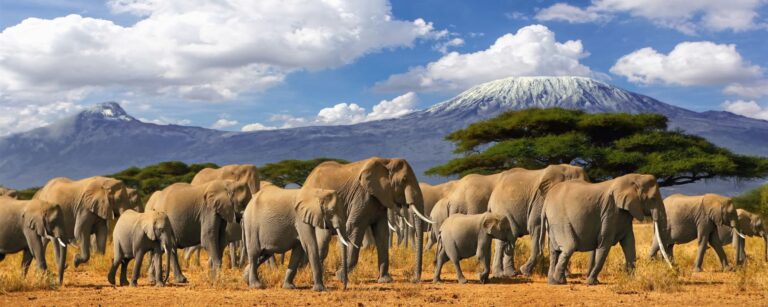
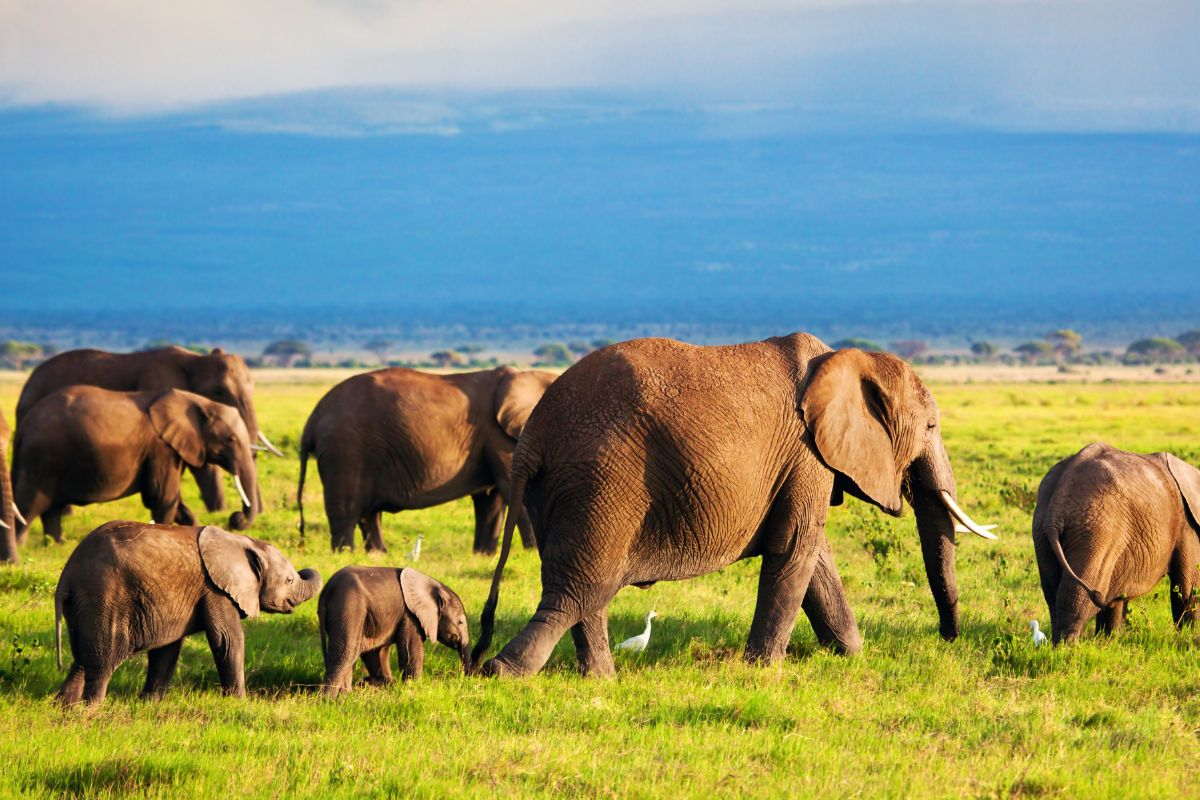
Dry months in Amboseli National Park offers stunning views of Mount Kilimanjaro and concentrated wildlife near water sources. Elephants, giraffes, and buffalo are easily spotted, making game drives comfortable and rewarding. Visitors enjoy both scenic landscapes and optimal safari conditions during these periods.

Highlights:

  • Large elephant herds against Kilimanjaro backdrop

  • Easy wildlife spotting on open plains

  • Ideal for photography and scenic drives

  • Accessible trails during dry months

3. Tsavo East and Tsavo West National Parks

During the dry season, animals congregate near waterholes, making wildlife easier to observe in Tsavo East and Tsavo West National Parks. The vast wilderness and unique volcanic formations are fully accessible, allowing visitors to explore with ease. Wet months transform the parks into lush, green landscapes, offering a serene and less crowded experience.

Highlights:

  • Red-dust elephants and predator sightings

  • Expansive wilderness and volcanic formations

  • Prime game-viewing during dry season

  • Lush green landscapes in rainy months

4. Nairobi National Park

Wildlife viewing in Nairobi National Park is best during dry months when animals roam freely against the city skyline. Open grasslands and dry conditions enhance visibility, while the short rains bring verdant scenery and excellent birdwatching opportunities. Its proximity to Nairobi makes it ideal for shorter safari trips.

Highlights:

  • Unique wildlife with Nairobi skyline backdrop

  • Lions, rhinos, giraffes, and bird species

  • Easily accessible for day trips

  • Excellent photography opportunities

5. Lake Naivasha

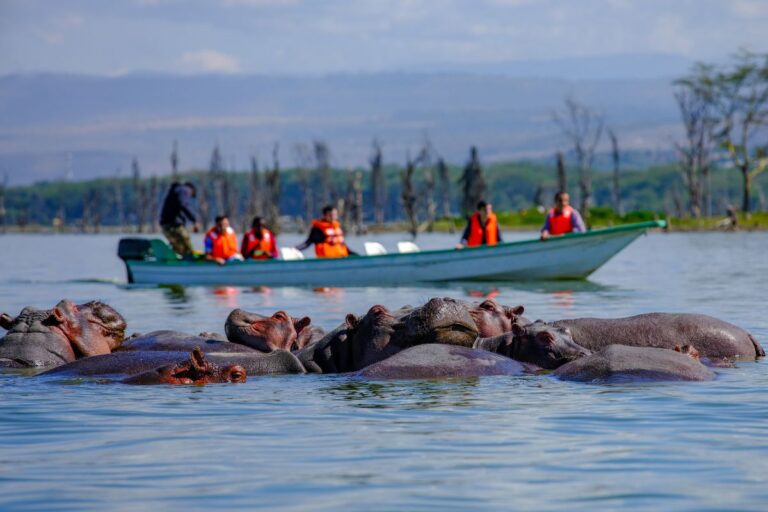
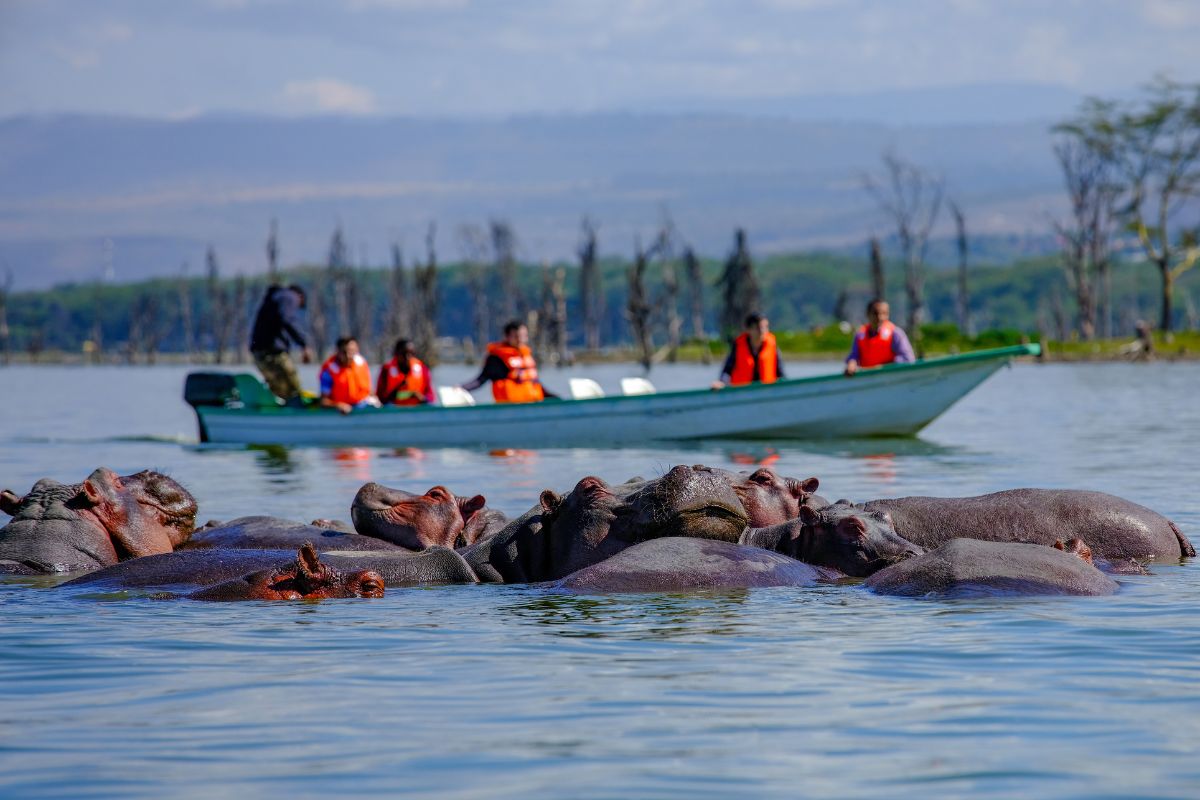
Dry periods provide the best conditions for boat safaris and observing hippos, giraffes, and diverse bird species in Lake Naivasha. The lake’s clarity and calm waters improve boat navigation and wildlife spotting. Rainy seasons make surrounding landscapes vibrant, ideal for photography and nature walks.

Lake Naivasha and Hell’s Gate Safari- Lake Naivasha Wildlife

Highlights:

  • Hippo spotting and birdwatching

  • Calm waters for boat safaris

  • Scenic walks around the lake

  • Lush landscapes during rainy months

6. Lake Nakuru National Park

The Lake Nakuru National Park is famous for its flamingo populations, which peak in dry months when water levels stabilize. Visitors can also encounter rhinos, lions, and leopards across open savannahs. Short rains create lush greenery, enhancing the scenic beauty of the park while maintaining good wildlife viewing.

Highlights:

  • Flamingo flocks and birdwatching

  • Black and white rhino sanctuaries

  • Predators like lions and leopards

  • Green landscapes during short rains

7. Mount Kenya National Park

Dry months are ideal for trekking, providing safer and more navigable trails in Mount Kenya National Park. Clear weather allows climbers and hikers to enjoy panoramic views and spot wildlife along the slopes. Wet seasons can create slippery paths and foggy conditions, making guided treks essential for safety.

Highlights:

  • Safe and accessible trekking trails

  • Panoramic mountain views

  • Wildlife spotting along the slopes

  • Less crowded during off-peak seasons

8. Samburu National Reserve

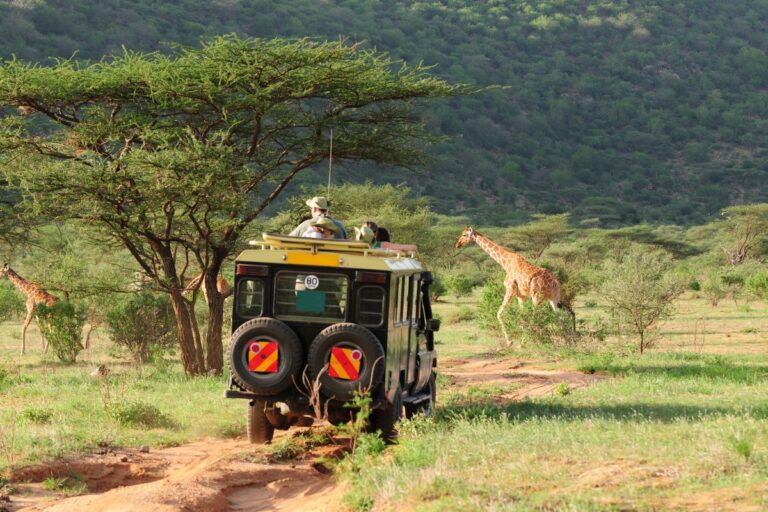
The dry season offers easier access to waterholes, where elephants, giraffes, and rare species like Grevy’s zebras are concentrated in Samburu National Reserve. Wildlife is easier to observe, and roads are more navigable. Rainy months enhance the vegetation and bring migratory birds, providing unique scenic opportunities.

Highlights:

  • Rare species like Grevy’s zebra and gerenuk

  • Prime dry-season wildlife viewing

  • Scenic landscapes and riverine habitats

  • Birdwatching during short rains

9. Meru National Park

Visiting Meru National Park during dry months ensures predictable wildlife patterns and optimal game drives. Visitors can observe large herds of elephants, lions, and other species along dry riverbeds. Wet seasons create lush green landscapes, giving a different perspective of the park’s ecosystem.

Highlights:

  • Large elephant and lion populations

  • Less crowded for immersive safari experience

  • Dry riverbeds ideal for game drives

  • Vibrant landscapes during wet months

10. Aberdare National Park

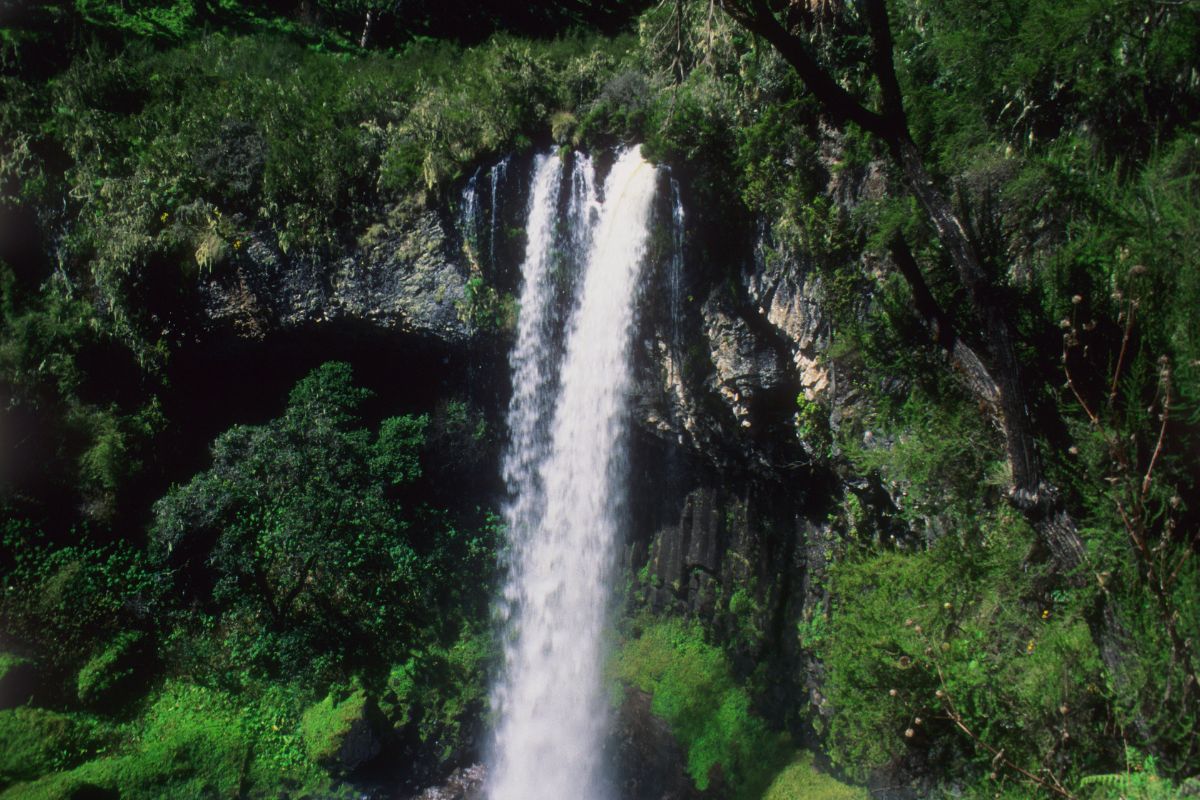
Dry seasons make wildlife spotting, such as elephants and leopards, more efficient along open tracks. Aberdare National park’s waterfalls, forests, and highland scenery are easier to access. Wet periods bring misty landscapes and verdant forests, providing serene trekking experiences and fewer crowds.

Aberdare National Park

Highlights:

  • Forests, waterfalls, and highland scenery

  • Efficient wildlife spotting in dry months

  • Serene trekking during wet seasons

  • Less crowded trails for peaceful experiences

Tips for Planning Your Visit to Kenya

Planning a safari thoughtfully maximizes wildlife viewing opportunities, ensures comfort, and makes your trip more rewarding. Understanding seasonal patterns, park accessibility, and travel logistics allows you to enjoy Kenya’s parks safely and efficiently. The following tips will help you make the most of your visit to Kenya:

1. Research Seasonal Patterns

Familiarize yourself with Kenya’s dry and wet seasons before setting travel dates. Dry periods generally offer easier road access, clearer skies, and better wildlife sightings, while wet months provide lush landscapes, birdwatching opportunities, and fewer crowds. Aligning your trip with seasonal advantages ensures you experience the country at its best and reduces the risk of travel disruptions.

2. Identify Priority Experiences

Determine the focus of your trip—whether it’s wildlife safaris, trekking, cultural exploration, or a combination of these. Knowing your priorities helps you select destinations and plan itineraries that maximize enjoyment. For instance, first-time travelers may prioritize the Maasai Mara during the dry season, while birdwatchers might prefer Lake Naivasha during the short rains.

3. Choose Destinations Strategically

Match each destination with seasonal conditions to ensure optimal wildlife sightings and travel efficiency. Some parks, like Amboseli or Tsavo, are best visited in dry months, while locations like Aberdare or Mount Kenya offer unique scenery during wetter periods. Strategic planning reduces travel challenges and enhances your overall safari experience.

4. Work with Experienced Operators

Professional safari operators handle all logistics, including park permits, accommodations, transport, and guided tours. Partnering with an expert company ensures smooth travel, access to prime wildlife locations, and expert guidance on safety and wildlife behavior. Working with experienced guides also allows first-time visitors to fully enjoy the adventure without worrying about the details.

Why Travel with Sparwild African Tours and Safaris for the Best Time to Visit Kenya

We at Sparwild African Tours and Safaris specialize in designing unforgettable Kenyan safari experiences. Our experienced guides plan itineraries around seasonal wildlife movements and park accessibility. We handle every detail, from accommodations and transportation to park permits and guided game drives. Travelers can enjoy Kenya safely, comfortably, and at the optimal time for wildlife viewing:

Maasai Mara National Reserve

1. Expert Regional Knowledge

Our guides understand Kenya’s national parks, wildlife behavior, and seasonal patterns, ensuring prime viewing opportunities.

2. Customized Safari Itineraries

We create tailored itineraries aligned with your interests, preferred destinations, and seasonal advantages.

3. Experienced Guides

Professional guides provide wildlife insights, photography tips, and safety advice to enhance every safari experience.

4. Seamless Travel Arrangements

We manage all logistics, allowing travelers to focus on the adventure without stress.

5. Personalized Experiences

Family safaris, luxury trips, and specialized photography tours are customized to meet each traveler’s preferences.

Frequently Asked Questions About the Best Time to Visit Kenya

Travelers planning a safari in Kenya often have questions about seasonal conditions, wildlife activity, and travel logistics. Understanding these factors helps visitors choose the most rewarding periods for their trip. The following answers provide clear guidance to help you plan your visit around the best time to see Kenya’s wildlife and natural attractions:

1. When is the best time to visit Kenya for wildlife safaris?

The dry season (June–October) is ideal. Animals gather near waterholes, roads are accessible, and skies are clear for photography.

2. Can I visit Kenya during the rainy season?

Yes. Landscapes are lush, wildlife remains visible, and fewer tourists offer quieter safari experiences. Some trails may be muddy, but guided tours navigate them safely.

3. Which months are best for the Great Migration?

July to October is peak migration season in the Maasai Mara, providing dramatic river crossings and massive wildebeest and zebra herds.

4. Are safaris safe for first-time travelers?

Absolutely. Guided tours ensure safety, comfort, and educational experiences in Kenya’s national parks.

5. How does weather affect safari activities?

Rain can reduce visibility and create slippery roads, while dry months provide clear skies and better animal sightings.

6. When is the best time for birdwatching?

Short rains (November) attract migratory birds, enhancing birdwatching across national parks.

7. How long should I plan for a Kenyan safari?

Typically 5–10 days depending on the number of parks and activities. Longer trips allow multi-park exploration.

8. Are family-friendly safaris available year-round?

Yes, itineraries can be customized with suitable accommodations and activities for families.

9. What should I pack for Kenya safaris?

Neutral-colored clothing, comfortable shoes, sunscreen, hats, cameras, and binoculars are essential.

10. Can I combine mountain trekking with safaris?

Yes, with careful planning, destinations like Mount Kenya can be combined with safari parks.

11. How far in advance should I book?

Booking several months ahead ensures accommodations, permits, and guides are available during optimal seasons.

12. Why choose Sparwild African Tours and Safaris?

We provide expert guidance, custom itineraries, and seamless logistics, ensuring travelers experience Kenya at the best time for wildlife and adventure.

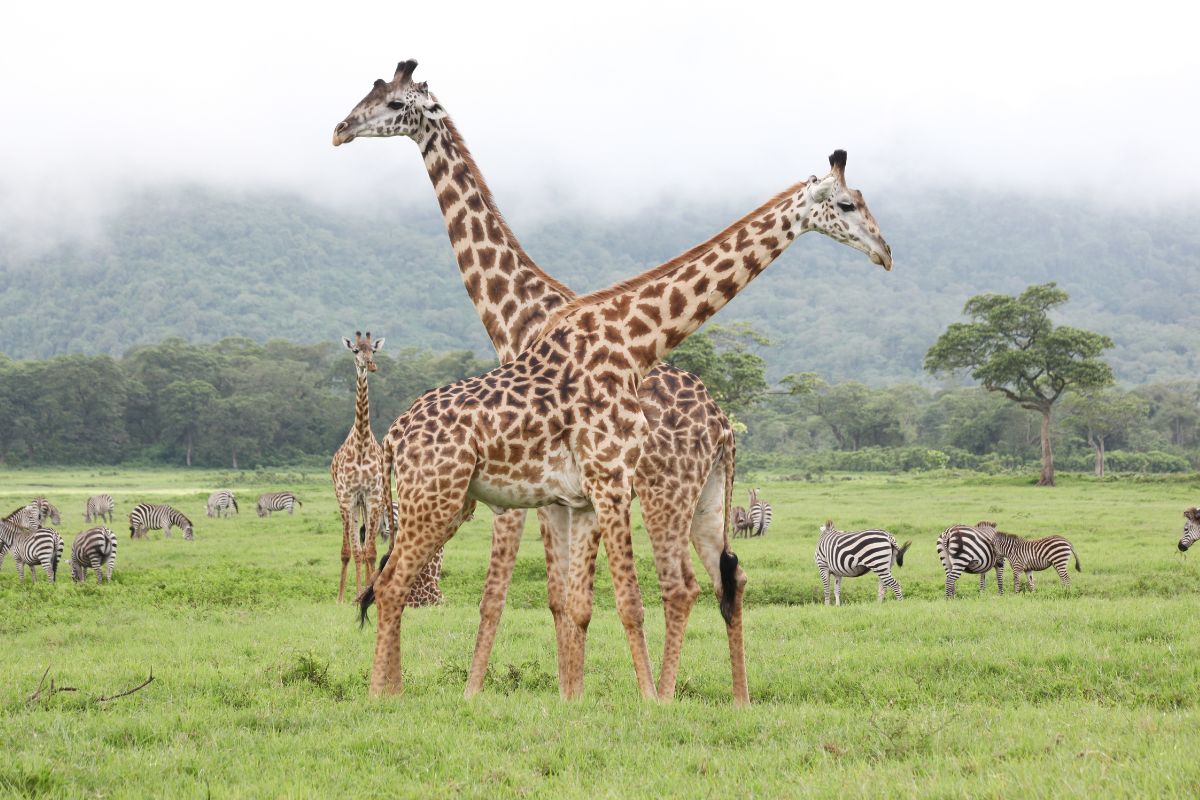
Arusha National Park

Book Your Safari with Sparwild African Tours and Safaris for the Best Time to Visit Kenya

Plan your next Kenyan adventure with Sparwild African Tours and Safaris. We help you choose optimal travel periods and destinations for unforgettable wildlife encounters. Contact us to create a personalized itinerary aligned with the best time to visit Kenya, ensuring a seamless and memorable safari experience.