Transport is a major component that shapes the cost of 5 day safari in Tanzania. A reliable vehicle, sufficient fuel, and an experienced driver-guide are essential for a safe, comfortable, and seamless safari experience. The type of transport you choose not only affects convenience but also determines how much of your budget goes toward getting around the parks efficiently. Here’s a detailed breakdown of transport-related costs with approximate price ranges:
1. 4×4 Land Cruiser
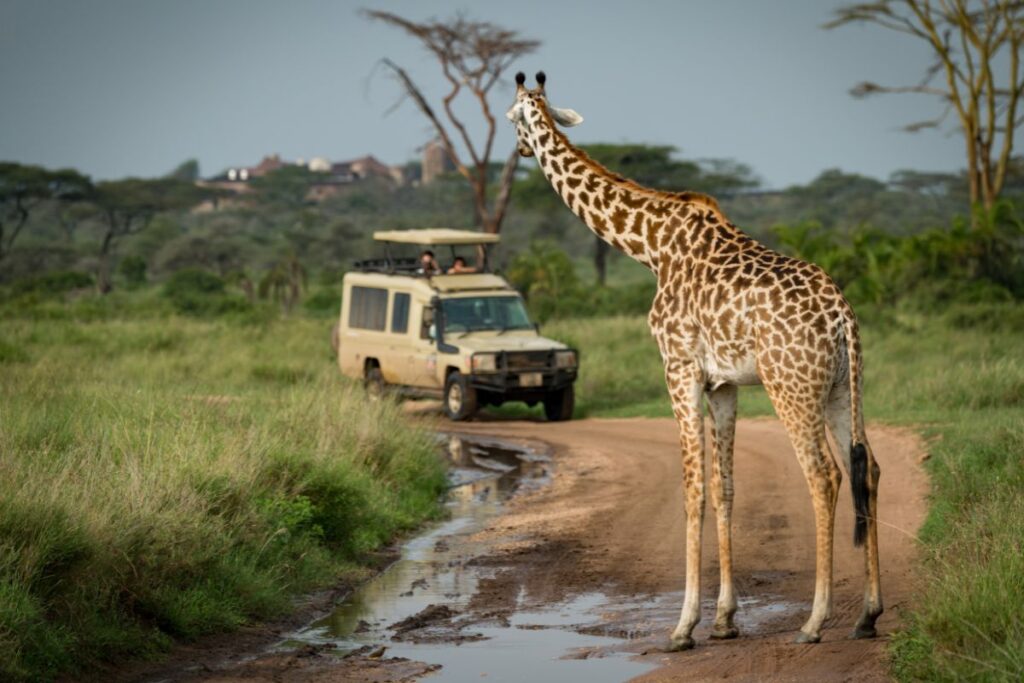
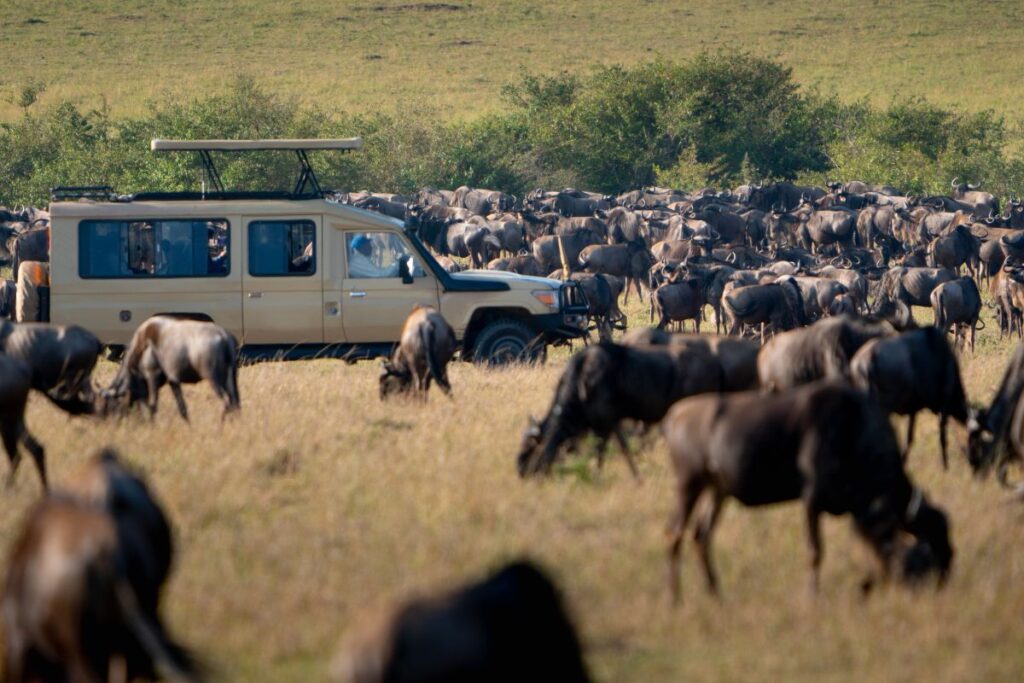
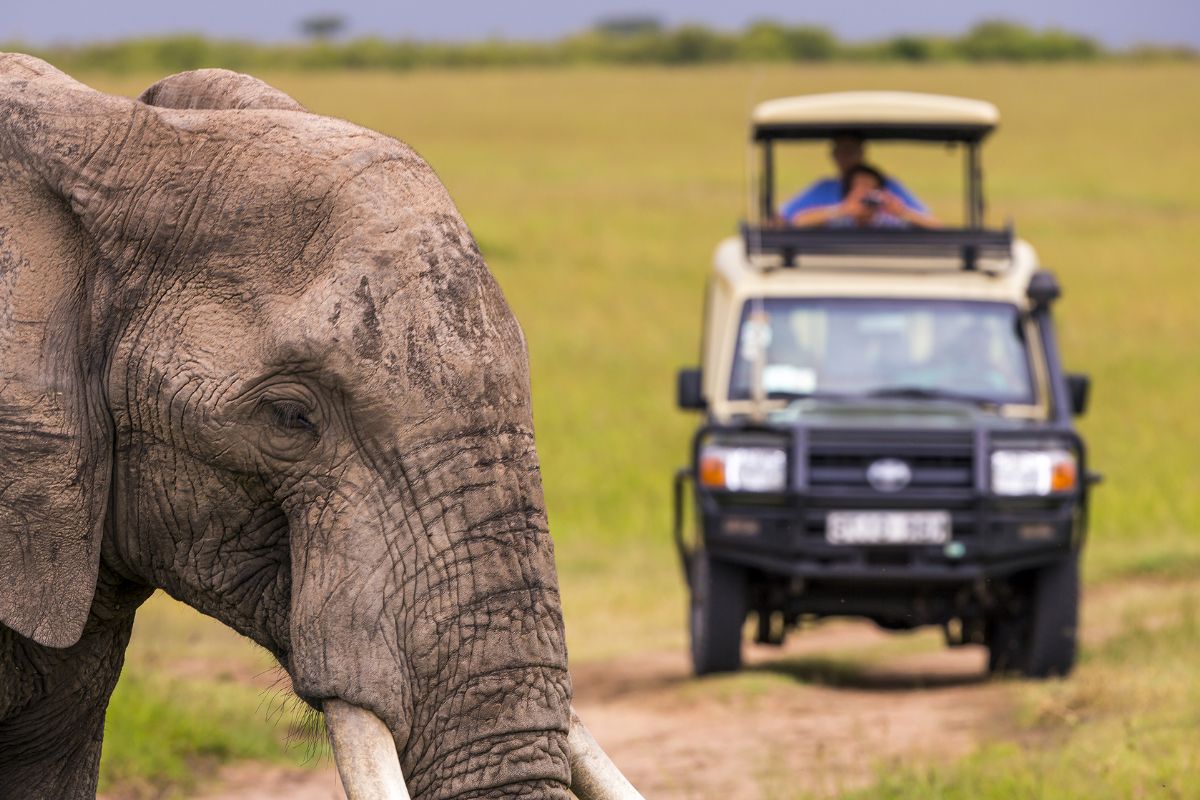
The 4×4 Land Cruiser is the standard vehicle for Tanzanian safaris. Designed for rough terrain, these vehicles ensure both safety and comfort during long drives on dirt roads and uneven tracks. Most safaris include a private or shared Land Cruiser depending on your package level.
Key considerations:
- Private vehicles cost more but offer flexibility and privacy
- Shared vehicles reduce costs but may limit schedule flexibility
- Vehicles are usually equipped with pop-up roofs for game viewing and photography
Price range: Approximately $100–$150 per day for a private 4×4 with driver-guide included.
2. Fuel Costs
Long drives between parks and lodges require significant fuel, especially for private vehicles covering hundreds of kilometers over five days. Fuel is typically included in luxury and mid-range packages, but it can be an additional expense for budget safaris.
Factors affecting fuel costs:
- Distance between parks (e.g., Serengeti to Ngorongoro Crater ~150 km)
- Terrain and road conditions
- Type of vehicle used
Estimated cost: $50–$100 per safari, depending on the route and vehicle type.
3. Driver-Guide Fees
An experienced driver-guide is not just a driver but also a wildlife expert, photographer, and local storyteller. Their knowledge and expertise significantly enhance your safari experience, ensuring you see the most wildlife in the safest way possible.
Benefits of a professional guide:
- Expert wildlife spotting and interpretation
- Local cultural insights
- Safety and navigation on remote routes
Price range: Approximately $30–$50 per day, often included in mid-range and luxury packages.
4. Airport Transfers
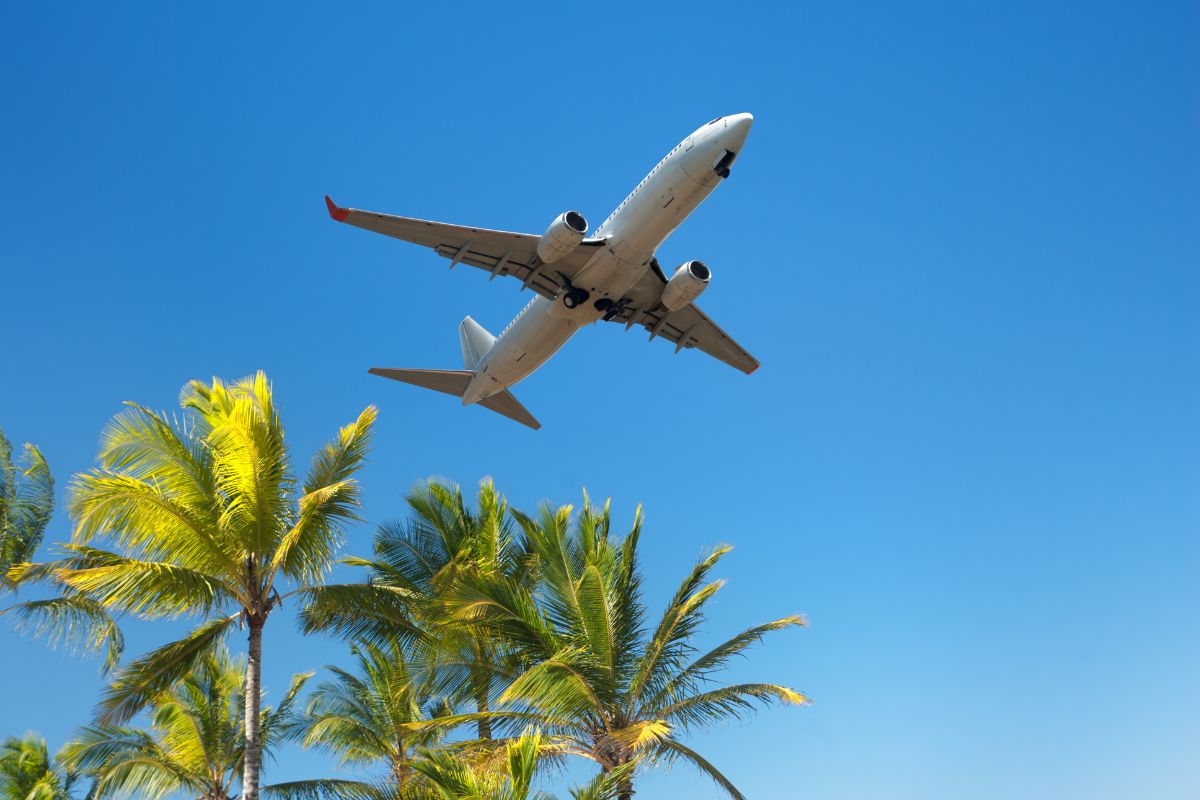
Most safari itineraries start or end at Arusha or Kilimanjaro International Airports. Airport transfers are an essential cost factor, ensuring a smooth transition between your flight and safari adventure.
Considerations for airport transfers:
- Distance from airport to lodge (Arusha ~45 minutes to nearby lodges)
- Shared vs. private transfers
- Timing flexibility for early morning or late evening arrivals
Estimated cost: $20–$50 per transfer, depending on distance and vehicle type.
5. Long-Distance Movements Between Parks or Cities
Safari itineraries often require traveling between parks, such as Serengeti to Tarangire or Ngorongoro Crater. These long-distance movements can impact both time and cost, depending on whether you use road transport or domestic flights.
Factors influencing cost:
- Road transfers vs. domestic flights
- Vehicle type and fuel costs
- Number of passengers sharing the transport
Estimated cost:
- Road transfer: $100–$200 per segment
- Domestic flight alternative: $150–$250 per person per flight
Selecting the right transport package ensures that your safari is smooth, efficient, and worth the investment. Proper planning and budgeting for vehicles, fuel, and guides allow you to focus on enjoying the wildlife and landscapes rather than worrying about logistics.