
21 Mistakes First-Time Safari Travelers Make and How to Avoid Them
Africa welcomed over 74 million international tourist arrivals in 2024, with Kenya remaining one of the continent’s most sought-after safari destinations thanks to its extraordinary wildlife, diverse landscapes, and world-famous national parks. However, even the most carefully anticipated safari can be affected by simple planning mistakes that influence comfort, safety, wildlife viewing opportunities, and overall enjoyment. Understanding the most common first-time safari mistakes before your trip can help you prepare more effectively and make informed travel decisions.
Why Avoiding First-Time Safari Mistakes Matters
Avoiding common first-time safari mistakes can significantly improve the quality of your Kenya safari experience. Proper planning helps you make informed decisions before your trip, allowing you to enjoy more rewarding wildlife encounters, travel comfortably, and get the best value from your safari investment. Understanding these common mistakes before you travel will help you prepare for a smoother and more memorable adventure:
1. Better Wildlife Experiences
Preparing well before your safari increases your chances of enjoying incredible wildlife sightings. Choosing the right travel season, visiting suitable national parks, packing the appropriate gear, and following your guide’s advice all contribute to a richer and more rewarding safari experience.
2. Saves Time and Money
Many first-time safari mistakes result in unnecessary expenses or wasted time that could easily be avoided with proper planning. Booking early, selecting the right itinerary, and understanding what is included in your safari package can help you maximize your budget while avoiding unexpected costs.
3. Improves Safety Throughout Your Safari
Learning about safari safety before you travel helps you enjoy your adventure with greater confidence. Following park regulations, respecting wildlife, carrying essential travel items, and listening to your professional safari guide all contribute to a safe and enjoyable experience in Kenya’s national parks and reserves.
4. Helps You Choose the Right Safari Package
Not every safari package is suitable for every traveler. Understanding your travel goals, preferred destinations, budget, and ideal safari duration allows you to select an itinerary that matches your expectations and provides the best overall experience.
5. Creates More Memorable Travel Experiences
The less time you spend dealing with avoidable challenges, the more time you have to appreciate Kenya’s spectacular wildlife, breathtaking landscapes, and unique cultural experiences. Avoiding common first-time safari mistakes allows you to relax, immerse yourself in the adventure, and create unforgettable memories that will last a lifetime.
21 Mistakes First-Time Safari Travelers Make and How to Avoid Them
Planning your first safari is exciting, but overlooking a few important details can affect your overall experience. Understanding these common first-time safari mistakes and knowing how to avoid them will help you prepare more effectively, travel with confidence, and make the most of your Kenya safari adventure:
1. Booking a Safari at the Last Minute
Leaving your safari booking until the last minute is one of the most common first-time safari mistakes. While it may seem convenient to wait, late bookings often reduce your accommodation choices, limit itinerary options, and increase overall travel costs, especially during Kenya’s peak safari season.
a. Limited Accommodation Options
Popular safari lodges and luxury tented camps often reach full capacity months before the busiest travel periods. Waiting too long to book may leave you with fewer accommodation choices or require you to stay farther from your preferred national park or reserve.
b. Higher Travel Costs
As demand increases, prices for accommodations, domestic flights, park packages, and transportation often rise. Last-minute bookings also reduce your chances of taking advantage of early booking discounts and special offers, making your safari more expensive than necessary.
c. How to Avoid It
Plan your safari several months in advance, particularly if you intend to travel during the Great Migration or the peak season between June and October. Booking early gives you access to the best accommodations, preferred travel dates, professionally organized itineraries, and greater flexibility when selecting the safari package that best matches your budget and travel goals.
2. Choosing a Safari Based Only on Price
Focusing only on the lowest price is one of the most costly first-time safari mistakes travelers can make. While staying within your budget is important, the cheapest safari package may not always provide the best experience. Looking beyond the price helps you understand the true value of your safari and ensures you receive quality services throughout your journey.
a. Hidden Costs
Some low-priced safari packages may exclude important expenses such as park entry fees, meals, airport transfers, accommodation upgrades, or optional activities. These additional charges can significantly increase the overall cost of your trip. Always review what is included and excluded before confirming your booking.
b. Quality of Services
The quality of your safari experience depends on factors such as the professionalism of your guides, the condition of the safari vehicles, the standard of accommodations, and the level of customer service provided. Choosing a reputable tour operator that prioritizes quality can greatly enhance your wildlife viewing experience and overall comfort.
c. Finding Value Instead of the Cheapest Option
Rather than selecting the lowest-priced package, compare safari options based on the overall value they offer. Consider the destinations included, accommodation quality, transportation, guide experience, customer reviews, and package inclusions. Investing in a well-organized safari often delivers a more enjoyable, comfortable, and memorable Kenya safari experience while helping you avoid common first-time safari mistakes.
3. Packing Too Many Clothes
Overpacking is another common first-time safari mistake that can make your journey less convenient and even result in additional baggage charges. Most Kenya safaris require practical, lightweight clothing rather than a large wardrobe, and packing smart allows you to travel more comfortably between destinations. Packing only what you truly need makes traveling between parks, lodges, and conservancies much easier:
a. Airline Baggage Limits
Many domestic flights and fly-in safari packages have strict luggage allowances, particularly those using small aircraft to access remote parks and conservancies. Exceeding these limits may result in extra fees or require you to leave some belongings behind. Checking your airline’s baggage policy before packing can help you avoid unnecessary inconveniences.
b. Packing Versatile Clothing
Instead of packing numerous outfits, choose lightweight, breathable clothing that can be mixed and matched throughout your trip. Neutral-colored shirts, trousers, and jackets are ideal for safari activities because they blend into the natural environment, remain comfortable in varying temperatures, and are suitable for multiple days of travel.
c. Recommended Safari Packing List
Focus on packing essential items rather than unnecessary extras. A practical safari packing list should include neutral-colored clothing, comfortable walking shoes, a light jacket, a wide-brimmed hat, sunglasses, sunscreen, insect repellent, binoculars, a camera, reusable water bottle, personal toiletries, prescription medications, and important travel documents. Packing only what you need helps you stay organized and avoid one of the most common first-time safari mistakes.
4. Wearing Bright-Colored Clothing
Wearing bright-colored clothing is another common first-time safari mistake that can affect your comfort and overall safari experience. While colorful outfits may look attractive for everyday travel, they are not always practical for wildlife viewing and outdoor activities. Choosing the right safari clothing helps you blend into the natural surroundings, stay comfortable in different weather conditions, and enjoy better wildlife encounters. Selecting appropriate safari attire is an important part of preparing for your adventure:
a. Why Neutral Colors Are Better
Neutral-colored clothing such as khaki, beige, brown, olive, and grey is recommended for Kenya safaris because these shades blend naturally with the environment. Wearing colors that match the surroundings helps reduce unnecessary distractions during game drives and allows you to observe wildlife more comfortably. Neutral clothing is also practical because it hides dust and dirt better, which is common when exploring safari trails and national parks.
b. Avoiding Insect Attraction
Bright colors, especially shades that resemble flowers or ripe fruits, may attract certain insects and make outdoor activities less comfortable. Choosing neutral and earth-toned clothing can help reduce attention from insects while spending time in bush areas, camps, and lodges. Combining suitable clothing with insect repellent provides additional protection and improves your comfort during morning and evening game drives.
c. Comfortable Safari Attire
The best safari clothing should prioritize comfort, flexibility, and protection rather than fashion alone. Lightweight, breathable fabrics help you stay cool during warm days, while long-sleeved shirts and trousers provide extra protection from the sun, dust, and insects. Comfortable safari attire, including suitable walking shoes, a light jacket, and weather-appropriate layers, ensures you are prepared for different activities and conditions throughout your Kenya safari.
5. Forgetting Essential Travel Documents
Forgetting important travel documents is one of the most stressful first-time safari mistakes that can disrupt your travel plans before your adventure even begins. A Kenya safari involves international travel requirements, park entry procedures, and accommodation arrangements that require proper documentation. Preparing all necessary documents in advance helps you avoid delays, unexpected challenges, and unnecessary stress during your journey. Keeping your travel documents organized ensures a smooth safari experience from arrival to departure:
a. Passport Requirements
A valid passport is one of the most important documents required for international travel to Kenya. Before your safari, ensure your passport has sufficient validity according to the entry requirements and contains enough blank pages for immigration stamps where necessary. Carrying a digital copy and a physical copy of your passport can also be helpful in case the original document is lost or misplaced during your trip.
b. Travel Authorization or Visa
Depending on your nationality, you may need travel authorization or a visa before entering Kenya. Travelers should confirm the latest entry requirements and complete any necessary applications before departure to avoid complications at the airport. Keeping a copy of your approved travel authorization or visa documents makes the immigration process easier and ensures you are ready when arriving in Kenya.
c. Travel Insurance Documents
Travel insurance documents are essential when preparing for a Kenya safari because they provide important protection against unexpected situations. Your insurance information should include details about your coverage, emergency contacts, and policy information that may be required during your trip. Having these documents easily accessible can provide peace of mind in case of medical emergencies, trip delays, lost luggage, or other travel-related issues.
6. Ignoring Health Preparations
Ignoring health preparations is another common first-time safari mistake that can affect your comfort and enjoyment during your Kenya safari. Traveling to different environments, spending long hours outdoors, and exploring remote destinations require proper planning to stay healthy throughout your journey. Taking the necessary precautions before departure helps you handle changes in climate, prevent common travel-related health issues, and enjoy your safari with confidence. Preparing your health needs in advance is an important part of safari planning:
a. Recommended Vaccinations
Before traveling for a Kenya safari, check the recommended vaccinations and health requirements based on your travel history and destination. Some travelers may need specific vaccinations or preventive measures before entering certain areas. Consulting a qualified healthcare professional or travel clinic before your trip allows you to understand the necessary precautions and complete any recommended vaccinations in good time.
b. Personal Medications
Carrying your personal medications is essential, especially when visiting remote safari destinations where access to pharmacies and medical facilities may be limited. Pack enough medication to last the entire trip and keep it in its original packaging with clear labels. It is also helpful to carry a copy of any important medical information or prescriptions to make your travel experience smoother.
c. Insect Protection
Insect protection is an important part of staying comfortable during a Kenya safari, especially when visiting areas where mosquitoes and other insects are common. Pack insect repellent, wear suitable clothing such as long-sleeved shirts and trousers, and follow guidance from your safari lodge or tour operator. Taking simple insect protection measures helps reduce discomfort and allows you to fully enjoy game drives, outdoor activities, and evenings at your accommodation.
7. Underestimating Travel Distances
Underestimating travel distances is one of the common first-time safari mistakes that can lead to unrealistic expectations and unnecessary exhaustion during your Kenya safari. Kenya has several world-famous safari destinations spread across different regions, and traveling between parks, reserves, and conservancies can take several hours. Understanding the distances involved helps you create a comfortable itinerary, enjoy more wildlife experiences, and avoid spending most of your trip on the road. Planning your travel time carefully allows you to get the most out of your safari:
a. Kenya’s Large Safari Regions
Kenya’s safari destinations cover vast areas, from the Maasai Mara and Amboseli National Park to Tsavo, Samburu, and Lake Nakuru. Each region offers unique landscapes, wildlife experiences, and attractions, but they are often separated by long distances. First-time safari travelers should consider the location of each destination when selecting their itinerary to avoid trying to visit too many parks within a limited travel period.
b. Road Travel Times
Road travel between safari destinations can take longer than many first-time visitors expect due to the size of the country, road conditions, traffic, and stops along the way. While some journeys may only take a few hours, others between major parks can require a full day of travel. Understanding realistic travel times helps you prepare mentally and ensures your safari schedule includes enough time for relaxation and wildlife activities.
c. Planning Realistic Itineraries
A well-planned safari itinerary should balance travel time with game drives, sightseeing, and rest. Avoid creating an overly packed schedule that forces you to rush from one destination to another without fully enjoying each experience. Working with an experienced safari operator can help you design a realistic Kenya safari itinerary that includes comfortable travel arrangements, quality wildlife viewing opportunities, and enough time to appreciate each destination.
8. Expecting to See Every Animal
Expecting to see every animal on your first Kenya safari is a common mistake that can create unrealistic expectations and reduce your enjoyment of the experience. Although Kenya is home to some of the world’s most incredible wildlife, animals move freely in their natural habitats and sightings cannot be guaranteed. Understanding that safari experiences are shaped by nature helps you appreciate every encounter, from iconic species to smaller moments in the wilderness. A successful safari is about enjoying the entire journey, not only searching for a specific animal:
a. Wildlife Is Unpredictable
Wildlife sightings depend on many natural factors, including animal behavior, weather conditions, habitat, and time of day. Even experienced safari guides cannot predict exactly where every animal will be at a particular moment. While Kenya offers excellent opportunities to see lions, elephants, giraffes, zebras, and other species, each game drive is unique and brings different surprises.
b. Seasonal Animal Movements
Many animals follow seasonal patterns influenced by food availability, water sources, and migration cycles. For example, the Great Migration in the Maasai Mara attracts visitors during specific periods when large herds move through the region. Understanding seasonal animal movements helps you choose the right travel period and set realistic expectations about the wildlife experiences you are likely to encounter.
c. Appreciating the Overall Experience
A Kenya safari is about more than checking animals off a list. The landscapes, sounds of nature, cultural interactions, sunrise and sunset views, and moments spent in the wilderness all contribute to an unforgettable adventure. Appreciating the complete safari experience allows you to enjoy unexpected discoveries and create lasting memories, even if you do not see every animal you hoped to find.
9. Choosing the Wrong Safari Duration
Choosing the wrong safari duration is another common first-time safari mistake that can affect how much you enjoy your Kenya adventure. Many travelers either plan a trip that is too short to fully experience the destinations they want to visit or create an itinerary that feels unnecessarily rushed. The ideal safari length depends on your travel goals, budget, preferred destinations, and the type of wildlife experience you want to have. Selecting the right duration allows you to enjoy game drives, relax between activities, and explore Kenya’s diverse landscapes comfortably:
a. Short Safaris
Short safaris can be a great option for travelers with limited time, but they require careful planning to make the most of every day. A two- or three-day safari may allow you to visit one nearby destination, such as Nairobi National Park, Amboseli National Park, or the Maasai Mara, depending on your starting point. However, trying to visit multiple parks within a short period can result in spending too much time traveling and not enough time enjoying wildlife experiences.
b. Recommended Itineraries
A well-balanced Kenya safari itinerary usually provides enough time to experience multiple game drives without feeling rushed. Many first-time travelers benefit from itineraries lasting around five to seven days, allowing them to explore destinations such as the Maasai Mara, Lake Nakuru, Amboseli, or other popular parks at a comfortable pace. Choosing an itinerary designed around travel distances and activities helps you enjoy better wildlife viewing and a more relaxed safari experience.
c. Longer Safari Circuits
Longer safari circuits are ideal for travelers who want to explore more of Kenya’s diverse wildlife destinations and landscapes. Extended safaris allow you to combine several parks, spend more time in each location, and experience different ecosystems across the country. A longer safari duration provides greater flexibility, more game drive opportunities, and a deeper appreciation of Kenya’s natural beauty and wildlife diversity.
10. Not Bringing Binoculars
Not bringing binoculars is one of the common first-time safari mistakes that can limit your ability to fully enjoy wildlife encounters in Kenya. While many animals can be seen from safari vehicles, some wildlife may remain far away, hidden in vegetation, or difficult to observe clearly with the naked eye. Carrying a good pair of binoculars improves your viewing experience, helps you notice more details, and allows you to appreciate the smaller moments that make a safari memorable. Including binoculars in your safari essentials ensures you do not miss important wildlife sightings:
a. Better Wildlife Viewing
Binoculars make it easier to observe animals that are far from the safari vehicle or located across open plains. They allow you to see details such as animal behavior, movements, and interactions without disturbing wildlife. Whether watching lions resting in the distance, elephants moving through the landscape, or giraffes among trees, binoculars provide a closer and more enjoyable viewing experience.
b. Birdwatching Benefits
Kenya is home to a wide variety of bird species, making birdwatching an exciting part of many safari experiences. Binoculars help you identify colorful birds, observe their unique behaviors, and appreciate species that may be difficult to see clearly from a distance. Even travelers who are not dedicated birdwatchers can discover fascinating birdlife while exploring Kenya’s national parks and conservancies.
c. Recommended Equipment
When choosing binoculars for a Kenya safari, select a lightweight, durable, and easy-to-carry option suitable for outdoor use. A pair with good magnification and clear vision can provide better wildlife viewing during game drives, nature walks, and sightseeing activities. Compact binoculars are often preferred because they fit easily into safari bags while remaining practical throughout your adventure.
11. Forgetting Extra Camera Batteries and Memory Cards
Forgetting extra camera batteries and memory cards is one of the common first-time safari mistakes that can prevent you from capturing important moments during your Kenya safari. Wildlife encounters are often unpredictable, and some of the most memorable sightings can happen unexpectedly during long game drives. Running out of battery power or storage space at the wrong time may mean missing incredible photos and videos of animals, landscapes, and unique safari experiences. Preparing your camera equipment in advance ensures you are ready to capture every special moment:
a. Long Game Drives
Kenya safari game drives can last several hours, especially during early morning and afternoon wildlife viewing sessions. During these extended trips, there may be limited opportunities to return to your lodge or camp to recharge camera batteries or transfer photos. Carrying extra batteries ensures your camera remains ready throughout the journey, allowing you to capture wildlife sightings without interruptions.
b. Photography Opportunities
A safari provides countless photography opportunities, from close encounters with wildlife to breathtaking landscapes and cultural experiences. Animals may appear suddenly, making it important to have enough storage space for photos and videos throughout your trip. Bringing additional memory cards allows you to continue documenting your adventure without deleting important images or missing once-in-a-lifetime moments.
c. Keeping Equipment Charged
Keeping your photography equipment charged requires proper planning, especially when staying in remote safari camps or traveling between destinations. Carry spare batteries, charging cables, and a suitable power adapter if needed to ensure your devices remain functional. A portable power bank or other charging solution can also be useful for keeping smaller devices such as phones and cameras powered during your Kenya safari.
12. Ignoring Your Safari Guide’s Advice
Ignoring your safari guide’s advice is one of the common first-time safari mistakes that can affect your safety, comfort, and overall experience. Safari guides have extensive knowledge of wildlife behavior, park regulations, and local environments, making their guidance valuable throughout your journey. Listening carefully and following their recommendations helps you enjoy closer wildlife encounters while respecting nature and maintaining safe practices. Trusting your guide’s expertise allows you to experience Kenya’s wilderness responsibly:
a. Safety Instructions
Safety instructions from your safari guide are designed to protect both travelers and wildlife during your adventure. Guidelines such as remaining inside the safari vehicle, avoiding sudden movements, and following instructions during animal encounters help reduce risks in the wild. Even animals that appear calm can behave unpredictably, so following your guide’s safety recommendations is essential for a secure safari experience.
b. Wildlife Behavior
Safari guides understand animal behavior and know how to interpret signs that may not be obvious to visitors. They can identify animal movements, explain wildlife interactions, and position vehicles safely for better viewing opportunities. Listening to your guide helps you understand the natural environment and increases your chances of enjoying meaningful wildlife encounters without disturbing the animals.
c. Respecting Local Expertise
Experienced safari guides have valuable knowledge gained from years of exploring Kenya’s parks, reserves, and conservancies. Their understanding of local landscapes, wildlife patterns, and conservation practices enhances your safari experience. Respecting their expertise allows you to learn more about the destination while supporting responsible and sustainable tourism practices.
13. Leaving the Safari Vehicle Without Permission
Leaving the safari vehicle without permission is one of the most dangerous first-time safari mistakes that can put both visitors and wildlife at risk. Kenya’s national parks and conservancies are natural habitats where wild animals move freely, and even seemingly quiet areas may have hidden dangers. Safari vehicles are designed to provide a safe way to observe animals while maintaining a respectful distance. Following your guide’s instructions and remaining inside the vehicle ensures a safer and more responsible wildlife experience:
a. Wildlife Safety
Wild animals can react unpredictably when humans approach too closely or enter their environment. Even animals that appear peaceful may become defensive if they feel threatened or disturbed. Staying inside the safari vehicle provides a secure barrier while allowing you to enjoy close wildlife encounters without creating unnecessary risks for yourself or the animals.
b. Park Regulations
Kenya’s national parks, reserves, and conservancies have strict rules designed to protect visitors, wildlife, and the natural environment. These regulations often restrict when and where travelers can leave safari vehicles, with designated areas provided for safe stops when necessary. Following park guidelines helps preserve these protected areas and ensures that all visitors can enjoy a safe safari experience.
c. Responsible Tourism
Responsible tourism involves respecting wildlife, conservation efforts, and local regulations during your safari. Remaining inside the vehicle unless your guide gives permission helps minimize human impact on animal behavior and natural habitats. By following responsible travel practices, you contribute to wildlife protection while enjoying an authentic and sustainable Kenya safari experience.
14. Making Too Much Noise During Game Drives
Making too much noise during game drives is one of the common first-time safari mistakes that can reduce your chances of enjoying close wildlife encounters. Kenya safaris offer opportunities to observe animals in their natural habitats, but loud conversations, sudden movements, and unnecessary sounds can disturb wildlife and affect the overall experience. Maintaining a calm and respectful environment allows you and other travelers to enjoy better sightings while appreciating nature more fully. Practicing good safari etiquette helps create a more rewarding wildlife adventure:
a. Disturbing Wildlife
Wild animals are sensitive to unfamiliar sounds and movements, and excessive noise can cause them to become alert or move away from the area. Loud conversations or sudden reactions may interrupt natural behaviors such as feeding, resting, or interacting with other animals. Keeping noise levels low helps minimize disturbance and allows wildlife to remain comfortable in their natural surroundings.
b. Better Wildlife Sightings
Quiet game drives often provide better opportunities to observe animals closely and witness natural behaviors. When travelers remain calm and patient, guides can approach viewing areas carefully without alarming wildlife. A peaceful environment increases the chances of spotting animals that may otherwise hide or move away due to noise.
c. Safari Etiquette
Good safari etiquette involves respecting wildlife, fellow travelers, and the natural environment. Speak softly, avoid unnecessary movements, follow your guide’s instructions, and allow everyone in the vehicle to enjoy the experience. Practicing proper safari behavior creates a more enjoyable atmosphere and helps ensure that every guest has the opportunity to appreciate Kenya’s incredible wildlife.
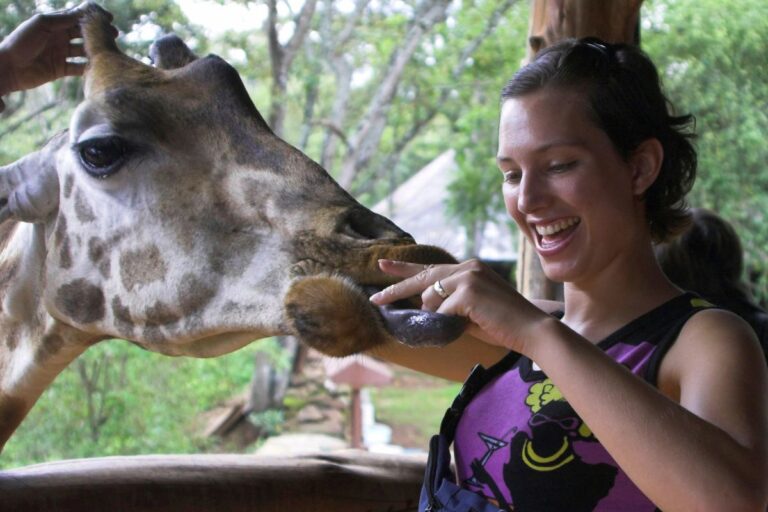
15. Feeding Wild Animals
Feeding wild animals is one of the most harmful first-time safari mistakes that can negatively affect wildlife behavior and conservation efforts. Although it may seem like a harmless way to interact with animals, providing food can create long-term problems for wildlife and disrupt natural ecosystems. Kenya’s safari destinations protect animals by encouraging visitors to observe them without interfering with their natural behaviors. Understanding why feeding wildlife is discouraged helps travelers enjoy a safer and more responsible safari experience:
a. Risks to Wildlife
Feeding wild animals can make them dependent on humans for food and reduce their ability to find natural sources of nutrition. Animals that associate humans with food may become more aggressive, approach vehicles frequently, or lose their natural fear of people. This can create dangerous situations for both wildlife and visitors while affecting the animals’ survival skills.
b. Conservation Rules
Kenya’s national parks, reserves, and conservancies have strict conservation guidelines that prohibit visitors from feeding wildlife. These rules help protect animal health, maintain natural behaviors, and preserve balanced ecosystems. Following these regulations supports conservation programs and ensures that future generations can continue to experience Kenya’s diverse wildlife.
c. Responsible Wildlife Viewing
Responsible wildlife viewing means observing animals from a safe distance without interfering with their daily activities. Avoid offering food, making unnecessary sounds, or attempting to attract animals for photographs. By respecting wildlife boundaries and following your safari guide’s advice, you contribute to sustainable tourism and help protect Kenya’s natural environment.
16. Not Carrying Enough Cash
Not carrying enough cash is one of the common first-time safari mistakes that can create inconveniences during your Kenya safari. Although many lodges, hotels, and safari operators accept digital payments and cards, some situations may require small amounts of cash for convenience. Having local currency available allows you to handle additional expenses, support local businesses, and enjoy a smoother travel experience. Preparing your payment options before your safari helps you avoid unexpected challenges:
a. Tipping Guides
Tipping safari guides and support staff is a common practice in Kenya’s tourism industry and is a way to show appreciation for excellent service. Guides often play an important role in making your safari memorable through their wildlife knowledge, driving skills, and local expertise. Carrying some cash allows you to provide tips conveniently at the end of your safari or after exceptional service.
b. Small Purchases
Cash can be useful for small purchases during your journey, such as buying souvenirs, local crafts, snacks, drinks, or items from community markets. Some smaller shops and local vendors may not accept cards or digital payment methods. Having some Kenyan shillings available makes it easier to support local communities and purchase items without payment difficulties.
c. Payment Options
Before traveling, confirm which payment methods are accepted by your safari operator, accommodations, and planned activities. Many places accept cards and mobile payment options, but remote areas may have limited connectivity or fewer payment facilities. Combining cash, cards, and suitable digital payment options provides flexibility and ensures you are prepared for different situations throughout your Kenya safari.
17. Overlooking Travel Insurance
Overlooking travel insurance is one of the common first-time safari mistakes that can leave travelers unprepared for unexpected situations during their Kenya safari. While safaris are generally safe and well-organized, unforeseen events such as medical issues, travel delays, or lost belongings can happen. Having suitable travel insurance provides financial protection and support when you need it most. Including travel insurance in your safari preparations helps you travel with greater confidence and security:
a. Medical Emergencies
Medical emergencies can occur unexpectedly, especially when traveling to remote safari destinations where access to healthcare facilities may be limited. Travel insurance can help cover costs related to medical treatment, emergency assistance, or evacuation services when required. Ensuring your policy provides suitable coverage for your safari activities helps you prepare for potential health-related challenges while exploring Kenya.
b. Trip Interruptions
Travel plans can sometimes change due to situations such as flight delays, cancellations, lost luggage, or unexpected personal emergencies. Travel insurance can provide support for covered trip interruptions and help reduce the financial impact of these disruptions. Having the right coverage allows you to handle changes more easily without unnecessary stress.
c. Peace of Mind
Travel insurance gives you peace of mind by allowing you to focus on enjoying your safari experience instead of worrying about possible setbacks. Knowing that you have protection in place helps you explore Kenya’s wildlife destinations with greater confidence. A well-prepared traveler can enjoy game drives, cultural experiences, and adventures while feeling more secure throughout the journey.
18. Forgetting to Stay Hydrated
Forgetting to stay hydrated is one of the common first-time safari mistakes that can affect your comfort, energy levels, and overall enjoyment during your Kenya safari. Many safari activities take place outdoors, often under warm conditions and strong sunlight, which can increase the risk of dehydration. Spending long hours on game drives, walking around camps, and exploring natural environments requires proper hydration planning. Drinking enough water throughout your journey helps you stay comfortable and fully enjoy your wildlife adventure:
a. Warm Safari Conditions
Kenya’s safari destinations often experience warm temperatures, especially during daytime game drives and outdoor activities. Spending several hours in an open safari vehicle can expose you to heat, sunlight, and dry conditions, which may cause your body to lose fluids more quickly. Understanding the climate of your destination helps you prepare properly and maintain your energy throughout your safari activities.
b. Preventing Dehydration
Preventing dehydration requires making water intake a regular part of your safari routine. Drink water consistently throughout the day, especially before and after long game drives, and pay attention to signs such as tiredness, dizziness, or excessive thirst. Wearing suitable clothing, limiting excessive sun exposure, and taking breaks when needed can also help you remain comfortable in warm environments.
c. Carrying Reusable Water Bottles
Carrying a reusable water bottle is a simple and practical way to stay hydrated during your Kenya safari. Many safari operators and lodges provide drinking water that can be refilled throughout your trip, making reusable bottles an environmentally friendly option. Having water easily accessible during game drives ensures you can stay refreshed while reducing single-use plastic waste in natural areas.
19. Booking with an Inexperienced Tour Operator
Booking with an inexperienced tour operator is one of the common first-time safari mistakes that can affect the quality, safety, and overall enjoyment of your Kenya safari. A reliable safari company plays an important role in organizing transportation, accommodation, activities, and wildlife experiences. Choosing a knowledgeable and trusted operator helps you avoid poor planning, unexpected challenges, and disappointing experiences. Researching your safari provider before booking ensures you receive professional service and a well-organized adventure:
a. Importance of Experience
Experience is an important factor when choosing a safari tour operator because it reflects their knowledge of destinations, wildlife patterns, and travel arrangements. An experienced company understands how to create realistic itineraries, select suitable accommodations, and handle unexpected situations during your journey. Working with a knowledgeable operator increases your chances of enjoying a smooth and memorable Kenya safari experience.
b. Licensed Guides
Professional and licensed safari guides contribute greatly to the quality of your wildlife adventure. Experienced guides have valuable knowledge about animal behavior, conservation practices, park regulations, and the best locations for wildlife viewing. Choosing a tour operator that works with qualified guides ensures you receive expert guidance while exploring Kenya’s national parks and reserves.
c. Reading Reviews
Reading reviews from previous travelers is a helpful way to evaluate a safari operator before making a booking decision. Customer feedback can provide insights into service quality, communication, reliability, and the overall safari experience. Checking reviews from trusted platforms helps you identify reputable companies and choose a tour operator that meets your expectations.
20. Spending the Entire Safari Behind the Camera
Spending the entire safari behind the camera is another common first-time safari mistake that can prevent travelers from fully experiencing the beauty of Kenya’s wilderness. While capturing photos and videos is an important part of preserving memories, focusing only on getting the perfect shot may cause you to miss the incredible moments happening around you. A safari is about connecting with nature, observing wildlife behavior, and appreciating the surroundings beyond the camera lens. Finding the right balance allows you to document your adventure while still enjoying the experience:
a. Enjoying the Moment
A Kenya safari offers unforgettable sights, sounds, and experiences that cannot always be captured in a photograph. Taking time to put your camera down allows you to fully appreciate wildlife movements, beautiful landscapes, and quiet moments in nature. Being present during game drives helps you create personal memories that go beyond the images stored on your device.
b. Balancing Photography
Photography is a wonderful way to remember your safari, but it should complement the experience rather than replace it. Take time to capture important moments, then return your attention to observing animals and enjoying the environment around you. A balanced approach allows you to collect amazing photos while still experiencing the excitement of seeing wildlife in real time.
c. Creating Lasting Memories
The best safari memories often come from more than just photographs. The sounds of the wilderness, conversations with your guide, cultural experiences, and unexpected wildlife encounters all contribute to a meaningful journey. By combining photography with genuine appreciation of the experience, you can create lasting memories that remain special long after your Kenya safari ends.
21. Failing to Ask Questions Before Booking
Failing to ask questions before booking is one of the common first-time safari mistakes that can lead to misunderstandings, unexpected costs, and disappointment during your Kenya safari. Every safari package is different, with variations in accommodation, transportation, activities, meals, and services included. Taking time to understand the details before making a reservation helps you choose the right safari experience and ensures your expectations match what is provided. Clear communication with your safari operator helps create a smoother and more enjoyable journey:
a. Understanding Inclusions
Before booking your safari, confirm exactly what is included in the package price. Important details to check may include transportation, park entry fees, accommodation, meals, guided game drives, airport transfers, and additional activities. Understanding the inclusions helps you plan your budget accurately and avoid unexpected expenses during your trip.
b. Accommodation Expectations
Accommodation quality and style can vary widely depending on the safari package you choose. Some travelers prefer luxury lodges, while others may choose budget-friendly camps or comfortable mid-range options. Asking about room types, facilities, location, and available services before booking ensures your accommodation matches your preferred level of comfort.
c. Clarifying Itinerary Details
A clear understanding of your safari itinerary helps you know what to expect each day of your adventure. Ask about travel times, destinations visited, game drive schedules, activities, and any optional experiences available. Reviewing these details with your safari operator before departure helps you choose an itinerary that fits your interests, travel style, and available time.
Quick Checklist to Avoid First-Time Safari Mistakes
Preparing properly before your Kenya safari can help you avoid common mistakes and enjoy a smoother, more rewarding adventure. A simple checklist allows you to organize important details, pack the right items, and make informed decisions before and during your trip. Use these essential reminders to ensure you are fully prepared for your first safari experience:
1. Book Your Safari Early
Booking your safari early gives you more options for choosing preferred travel dates, accommodations, and itineraries. Early planning is especially important during peak seasons when popular lodges, camps, and safari packages can fill up quickly.
2. Pack Only the Essentials
Avoid carrying unnecessary items by focusing on practical safari essentials. Lightweight clothing, comfortable shoes, personal items, and useful travel equipment help you stay comfortable while making it easier to move between destinations.
3. Wear Neutral-Colored Clothing
Choose neutral-colored clothing such as khaki, beige, brown, and olive to blend into the natural environment. Comfortable safari attire helps you stay protected from the sun, dust, and insects while improving your overall outdoor experience.
4. Carry All Required Travel Documents
Ensure you have all necessary travel documents before departure, including your passport, travel authorization or visa documents, travel insurance details, and booking confirmations. Keeping digital and physical copies of important documents can help you handle unexpected situations.
5. Bring Binoculars and Camera Equipment
Binoculars and camera equipment enhance your ability to observe and capture Kenya’s incredible wildlife. Carry extra batteries, memory cards, and charging accessories to ensure you do not miss memorable moments during game drives.
6. Purchase Travel Insurance
Travel insurance provides valuable protection against unexpected events such as medical emergencies, trip interruptions, delays, or lost belongings. Having suitable coverage allows you to enjoy your safari with greater confidence.
7. Stay Hydrated
Carry enough drinking water and make hydration a priority, especially during long game drives and outdoor activities. A reusable water bottle is a practical safari item that helps you stay refreshed while reducing environmental waste.
8. Follow Your Safari Guide’s Instructions
Your safari guide has valuable knowledge about wildlife behavior, safety procedures, and park regulations. Listening to their advice helps you enjoy better wildlife encounters while ensuring your safety throughout the journey.
9. Respect Wildlife and Park Rules
Responsible safari travel involves observing animals without disturbing their natural behavior. Follow park regulations, avoid feeding wildlife, remain in designated areas, and respect conservation efforts to protect Kenya’s natural heritage.
10. Choose a Reputable Safari Tour Operator
Selecting an experienced and trusted safari tour operator helps ensure a well-organized and enjoyable experience. Research reviews, confirm licenses, and choose a company with knowledgeable guides and a strong reputation for quality service.
Expert Tips for First-Time Safari Travelers
A successful Kenya safari requires more than just booking a tour and arriving at your destination. Understanding how to prepare, what to expect, and how to behave during your adventure can greatly improve your overall experience. These expert tips for first-time safari travelers will help you make informed decisions, enjoy better wildlife encounters, and travel responsibly while exploring Kenya’s incredible natural landscapes:
1. Research Your Destination Before Traveling
Before starting your safari, take time to learn about the parks, reserves, and conservancies you plan to visit. Understanding the wildlife, landscapes, weather conditions, and activities available helps you choose the right destination and prepare appropriately. Research also allows you to create realistic expectations about the experiences you are likely to enjoy.
2. Choose the Right Safari Season
The best safari season depends on your interests, preferred destinations, and the type of wildlife experience you want. Some travelers prefer dry seasons when animals gather around water sources, while others choose migration periods or greener seasons for unique landscapes and fewer crowds. Understanding seasonal changes helps you select the ideal time for your Kenya safari.
3. Keep Your Expectations Realistic
Every safari experience is unique, and wildlife sightings cannot be guaranteed. While Kenya offers excellent opportunities to see iconic animals, nature operates on its own schedule. Keeping realistic expectations allows you to appreciate every encounter, from major wildlife sightings to beautiful landscapes and unexpected moments.
4. Wake Up Early for Morning Game Drives
Early morning game drives are among the best times to observe wildlife because many animals are more active during cooler hours. Waking up early increases your chances of seeing predators, grazing animals, and other species before they become less active during the heat of the day. These quiet morning moments also provide excellent photography opportunities.
5. Pack for Changing Weather Conditions
Safari weather can change throughout the day, with cool mornings, warm afternoons, and cooler evenings. Pack versatile clothing that allows you to adjust to different temperatures, including lightweight layers, a warm jacket, comfortable shoes, and sun protection. Being prepared for changing conditions ensures you remain comfortable during all activities.
6. Be Patient During Wildlife Viewing
Wildlife viewing requires patience because animals do not follow a fixed schedule. Some of the best sightings happen after waiting quietly and observing the surroundings carefully. Trusting your guide and allowing time for nature to unfold can lead to memorable and rewarding encounters.
7. Learn Basic Safari Etiquette
Understanding safari etiquette helps create a respectful and enjoyable experience for everyone. Keep noise levels low, follow your guide’s instructions, avoid disturbing wildlife, and respect other travelers during game drives. Good safari behavior allows everyone to enjoy Kenya’s wilderness responsibly.
8. Support Responsible Tourism
Responsible tourism helps protect wildlife, support local communities, and preserve Kenya’s natural environments for future generations. Choose ethical safari operators, respect conservation rules, avoid harmful interactions with animals, and support local businesses where possible. Traveling responsibly ensures your safari contributes positively to conservation efforts.
Why Choose Sparwild African Tours and Safaris?
Choosing the right safari company can make a significant difference in the quality and enjoyment of your Kenya safari experience. At Sparwild African Tours and Safaris, we focus on creating well-planned adventures that combine expert guidance, comfortable travel, and unforgettable wildlife experiences. Our team helps travelers explore Kenya and East Africa with carefully designed safari packages, reliable service, and personalized support from planning to completion:
1. Tailor-Made Safari Itineraries
Every traveler has different interests, budgets, and expectations, which is why we create tailor-made safari itineraries that match your preferences. Whether you want a classic Kenya wildlife safari, a luxury getaway, a family adventure, or a combined safari and beach holiday, we help design a journey that suits your travel goals.
2. Experienced Local Safari Guides
Our experienced local safari guides provide valuable knowledge about Kenya’s wildlife, landscapes, and cultures. Their understanding of animal behavior and safari destinations helps you enjoy better game viewing opportunities while learning more about the natural environment. With expert guidance, every safari becomes more informative and memorable.
3. Comfortable Safari Vehicles
Comfort and safety are important parts of every safari experience. Sparwild African Tours and Safaris provides reliable safari vehicles designed for wildlife viewing, long-distance travel, and exploring Kenya’s diverse destinations. Our vehicles allow you to enjoy comfortable journeys while maximizing your opportunities to observe and photograph wildlife.
4. Carefully Selected Lodges and Camps
The quality of your accommodation plays an important role in your overall safari experience. We carefully select lodges and camps that offer comfort, convenient locations, and excellent service. Our accommodation choices help you relax after exciting game drives while enjoying the beauty of Kenya’s natural surroundings.
5. Transparent Pricing
At Sparwild African Tours and Safaris, we believe in clear and honest pricing with no unnecessary surprises. We provide detailed safari information so you understand what is included in your package, from transportation and accommodation to activities and services. Transparent pricing helps you plan your trip with confidence.
6. Personalized Travel Planning
Planning a safari can feel overwhelming, especially for first-time travelers. Our team provides personalized travel planning to help you choose destinations, activities, and itineraries that match your interests. We work closely with you to create a smooth and enjoyable safari experience from the beginning.
7. Kenya and East Africa Safari Expertise
With extensive knowledge of Kenya and East Africa safari destinations, we help travelers discover some of the region’s most remarkable wildlife areas. From the Maasai Mara and Amboseli to other iconic parks and reserves, our expertise allows us to recommend experiences that suit different travel styles and preferences.
8. Dedicated Customer Support
We are committed to providing reliable support throughout your safari journey. From the initial inquiry and booking process to your travel experience, our team remains available to assist with questions, updates, and important arrangements. Our goal is to make your Kenya safari experience smooth, enjoyable, and unforgettable.
Frequently Asked Questions About First-Time Kenya Safari Mistakes
Planning your first Kenya safari often comes with many questions about preparation, travel requirements, wildlife experiences, and choosing the right safari package. Understanding common concerns before your trip helps you avoid mistakes, make better decisions, and enjoy a smoother adventure. Below are answers to frequently asked questions about first-time safari travel, covering everything from safari planning and safety to packing, budgeting, and selecting the right safari operator:
1. What Is the Biggest Mistake First-Time Safari Travelers Make?
One of the biggest mistakes first-time safari travelers make is failing to plan properly before their trip. This may include choosing the wrong safari duration, packing unsuitable items, having unrealistic wildlife expectations, or selecting an unreliable safari operator. Proper research and preparation help create a smoother and more enjoyable Kenya safari experience.
2. Can I Book a Safari Without Using a Tour Operator?
Yes, it is possible to organize a Kenya safari independently, but it requires more planning and research. You will need to arrange transportation, park entry permits, accommodation, guides, and activities on your own. Working with an experienced safari operator can simplify the process and provide expert support throughout your journey.
3. What Should I Avoid Wearing on Safari?
You should avoid wearing bright-colored clothing, heavy fabrics, uncomfortable shoes, and outfits that are unsuitable for outdoor conditions. Bright colors may distract from wildlife viewing, while inappropriate clothing can make game drives less comfortable. Lightweight, breathable, and neutral-colored clothing is generally the best choice for Kenya safari activities.
4. Are Game Drives Suitable for Seniors?
Yes, game drives can be suitable for seniors when properly planned. Many safari operators provide comfortable vehicles, flexible schedules, and accommodation options that support different mobility needs. Discussing your comfort requirements with your safari operator before booking helps create a more enjoyable and accessible safari experience.
5. Can I Charge My Camera During a Safari?
Yes, most safari lodges and camps provide charging facilities, although availability may vary depending on the location. Some remote camps may have limited charging options due to their location and power systems. Carrying extra batteries, memory cards, charging cables, and a power bank helps ensure your camera equipment remains ready throughout your trip.
6. Is It Safe to Travel Alone on a Kenya Safari?
Yes, solo travelers can enjoy safe and rewarding Kenya safari experiences when they choose a reputable safari operator and follow recommended safety guidelines. Working with experienced guides, staying in trusted accommodations, and following park regulations help create a secure travel experience. Many companies also offer private or small-group safari options suitable for solo travelers.
7. Should I Exchange Money Before Arriving in Kenya?
You do not need to exchange all your money before arriving in Kenya, as many places accept cards and mobile payment options. However, carrying some Kenyan shillings is useful for small purchases, tips, local markets, and situations where digital payments may not be available. It is best to use authorized exchange services for currency conversion.
8. What Happens When It Rains During a Safari?
Rain does not mean your safari experience has to stop. Many wildlife activities continue during rainy conditions, and the changing weather can create unique scenery, fresh landscapes, and interesting animal behavior. Packing waterproof items and suitable clothing helps you remain comfortable while enjoying your safari.
9. Can I Visit Multiple National Parks in One Trip?
Yes, you can visit multiple national parks and wildlife reserves during one Kenya safari, depending on your available time and preferred destinations. Popular combinations include the Maasai Mara, Amboseli, Lake Nakuru, and Tsavo. A well-planned itinerary helps you balance travel distances, game drives, and relaxation while exploring different ecosystems.
10. How Do I Choose the Best Safari Package for My Budget?
Choosing the best safari package depends on your budget, preferred destinations, accommodation style, travel duration, and activities you want to include. Compare different packages based on what is included, such as transportation, park fees, meals, accommodation, and guided experiences. A trusted safari operator can help you select a package that provides the best value while meeting your expectations.
Avoid First-Time Safari Mistakes When You Book Your Safari with Sparwild African Tours and Safaris
Planning your first Kenya safari becomes easier when you have the support of an experienced safari partner. At Sparwild African Tours and Safaris, we help travelers avoid common first-time safari mistakes by providing expert guidance, customized safari itineraries, professional local guides, and carefully planned travel experiences. Whether you are visiting Kenya for wildlife adventures, cultural experiences, or a combined East Africa safari journey, our team is ready to help you create a seamless and unforgettable adventure. Contact Sparwild African Tours and Safaris today and let us plan a safari experience that matches your interests, budget, and travel expectations.