Africa Weather Guide – Monthly Climate, Seasons & Travel Planning
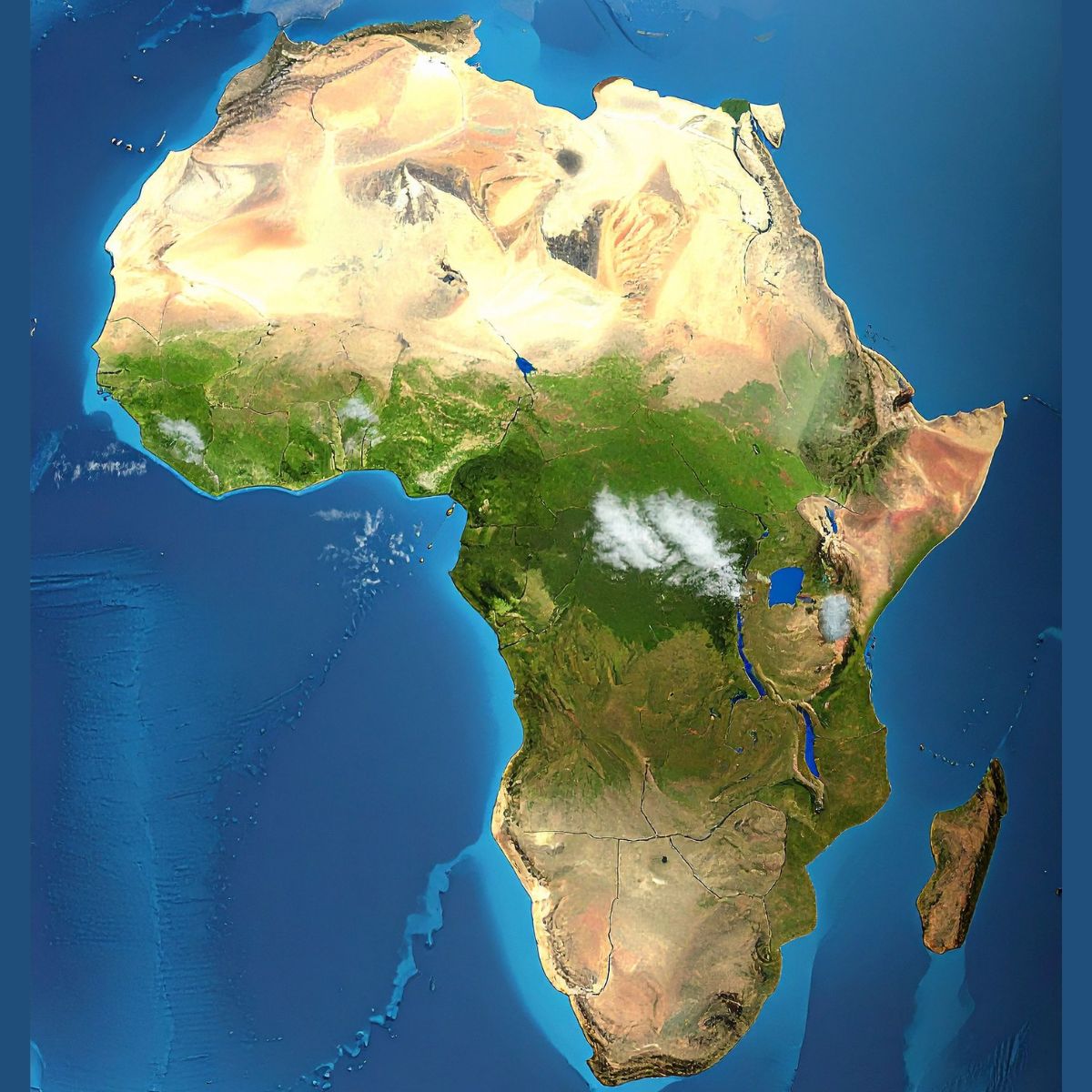
Africa’s climate varies dramatically by region, altitude, and season. From the dry savannahs of East Africa to the tropical rainforests of Central Africa and the Mediterranean climate of the North, understanding Africa’s weather patterns is essential for planning safaris, beach holidays, cultural tours, and adventure travel.
Go To Africa: Plan Your Trip With Africa’s Monthly Weather Guide
Make informed travel decisions with accurate climate insights, seasonal patterns, and destination-specific weather data across Africa.
Explore African Weather
Â
| Month | Weather Conditions Across Africa | Travel Experience & Highlights |
|---|---|---|
| January | Hot and dry in East & Southern Africa. Warm coastal temperatures. Cooler in North Africa. | Excellent safari visibility, beach holidays, and peak travel season. |
| February | Continued dry season in safari regions. High temperatures in savannah zones. | Ideal for wildlife viewing, coastal travel, and photography. |
| March | Transition month. Rising humidity and early rains in some regions. | Shoulder season with fewer crowds and lower prices. |
| April | Long rainy season begins in East & Central Africa. Lush landscapes. | Budget-friendly travel, fewer tourists, vibrant scenery. |
| May | Rainfall reduces toward the end of the month. Cooler evenings. | Improving safari conditions and reduced accommodation rates. |
| June | Start of dry season in major safari destinations. Mild temperatures. | Prime wildlife viewing, popular safari month. |
| July | Cool mornings, dry weather dominates. Peak tourism period. | Great Migration season, best safari month for East Africa. |
| August | Stable dry conditions across savannah regions. Warm days. | Peak safari and outdoor adventure season. |
| September | Warm and dry with excellent visibility. | Ideal wildlife spotting and photography opportunities. |
| October | Temperatures rise. Short rains may begin late in the month. | Good safari conditions with fewer crowds. |
| November | Short rainy season in many regions. Green landscapes return. | Low travel costs, scenic views, birdwatching season. |
| December | Warm summer conditions. Dry spells in safari zones. Holiday travel surge. | Festive season travel, beach tourism, wildlife viewing. |
Regional Weather Highlights & Travel Notes
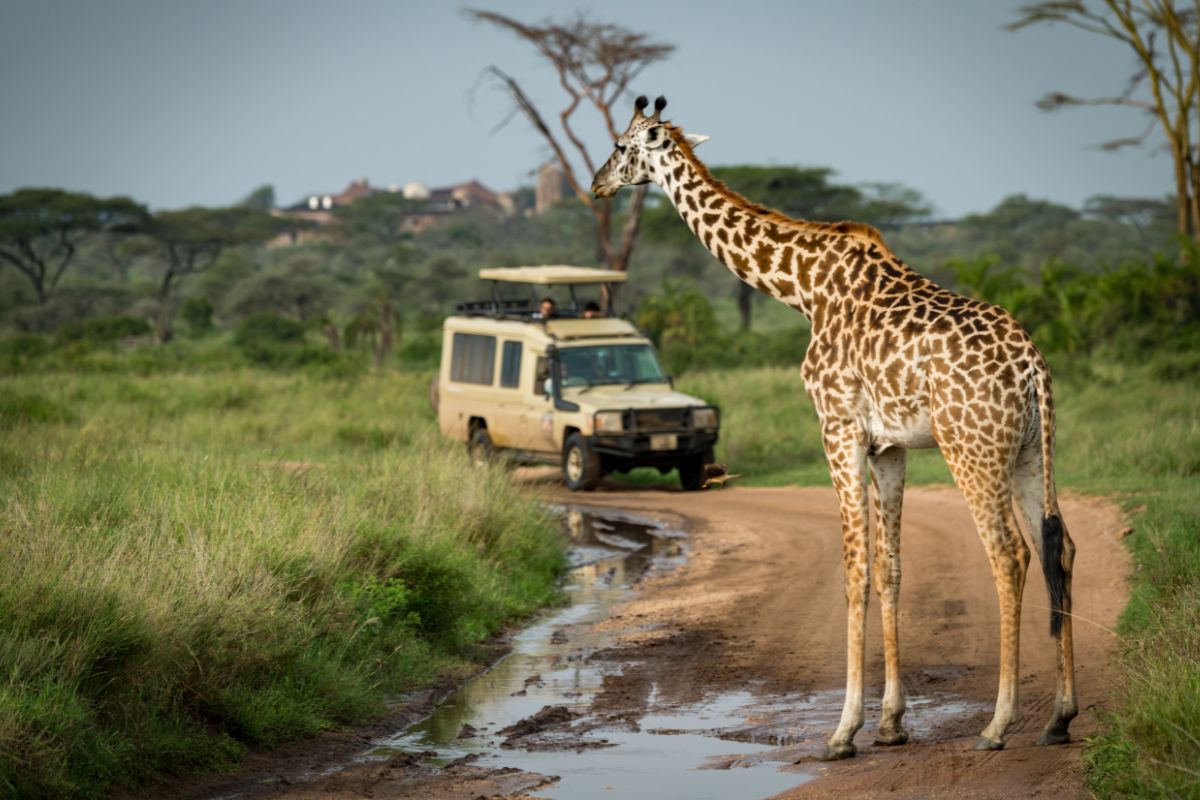
East Africa: June–October dry season; perfect for safaris and Great Migration. Peak wildlife in Kenya & Tanzania.
Southern Africa: Dry winters (June–October) ideal for game reserves. Wet season (Nov–Mar) brings lush landscapes.
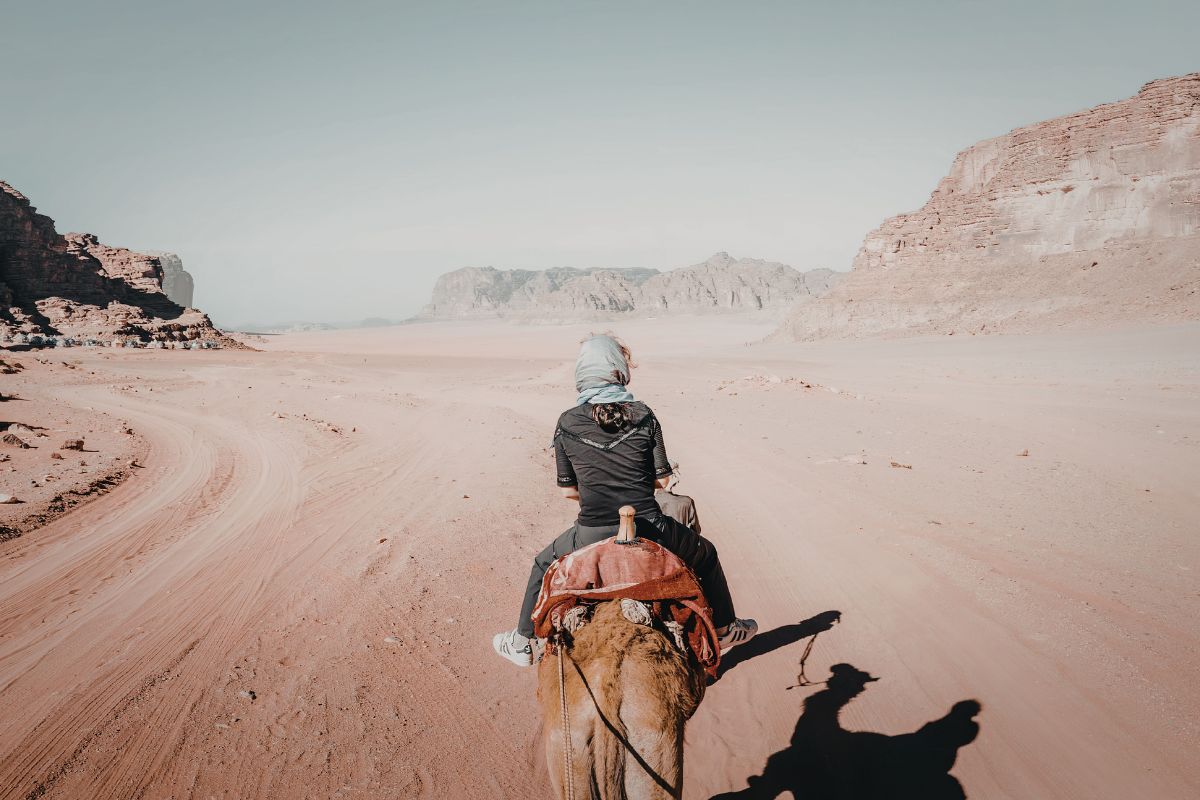
North Africa: October–March best for desert tours, city exploration, and cultural experiences.
Central Africa: Wet year-round; ideal for eco-tours and wildlife in rainforests with fewer tourists.
West Africa: Dry season (Nov–Mar) suits cultural tours and outdoor activities.
Indian Ocean Islands: December–March warm and dry; perfect for beaches, snorkeling, and luxury resorts.
Sahel & Sahara Fringe: Extreme summer heat; Oct–Mar cooler, ideal for desert trekking and photography.
Highlands & Mountains: Cooler year-round; trekking best in local dry season months.
Climate Zones of Africa
Africa’s vast size means its climate varies dramatically across regions. Understanding these zones helps travelers plan the best time for safaris, beach holidays, and adventure activities.
Tropical Climate
Found in Central and parts of West Africa, this zone is hot, humid, and experiences heavy rainfall, especially from March to May. Ideal for rainforest tours and wildlife viewing in lush green landscapes.
Savanna Climate
Common in East and Southern Africa, the savanna features distinct wet and dry seasons. Dry months (June–October) are perfect for safari trips as wildlife congregates around water sources.
Desert Climate
North Africa and parts of Southern Africa have desert climates, with extremely hot days, cold nights, and minimal rainfall. Travel is best during cooler months (October–March).
Mediterranean Climate
Northern coastal regions, like Morocco and Algeria, experience hot, dry summers and mild, wet winters. Ideal for city tours, cultural experiences, and coastal holidays during summer.
Best Time to Visit Africa by Activity
Safari & Wildlife Viewing
Beach Holidays
Adventure Travel
Cultural & City Tours
Birdwatching Safaris
Budget Travel / Off-Peak
Photography Tours
Desert Expeditions
FAQs – Africa Weather Guide
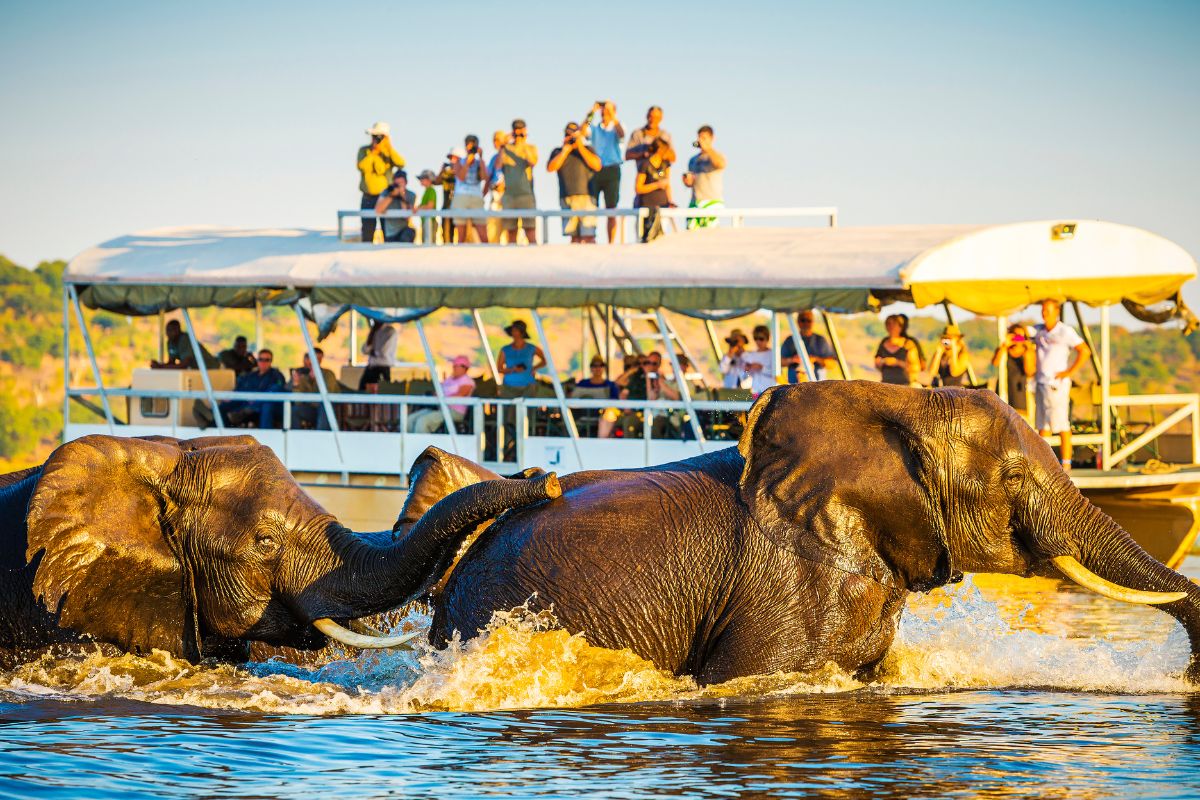
The dry season, June to October, is ideal for safari trips. Wildlife concentrates near waterholes, vegetation is low, and visibility is excellent for photography. This is also the peak period for the Great Migration in Kenya and Tanzania.
For destinations like Zanzibar, Seychelles, and Mauritius, December to March offers warm, dry weather. Sea conditions are calm, ideal for swimming, snorkeling, and sunbathing, with minimal rainfall disrupting travel plans.
Africa’s climate is diverse: tropical regions are hot and humid with heavy rains; savannas have wet and dry seasons; deserts are extremely hot during the day, cold at night; Mediterranean areas enjoy hot summers and mild winters. Understanding these zones helps plan the right timing and activities.
The green season, usually March to May and November, brings rainfall that turns landscapes lush and vibrant. Roads may be muddy in some regions, but fewer tourists, spectacular scenery, and excellent birdwatching make it worthwhile.
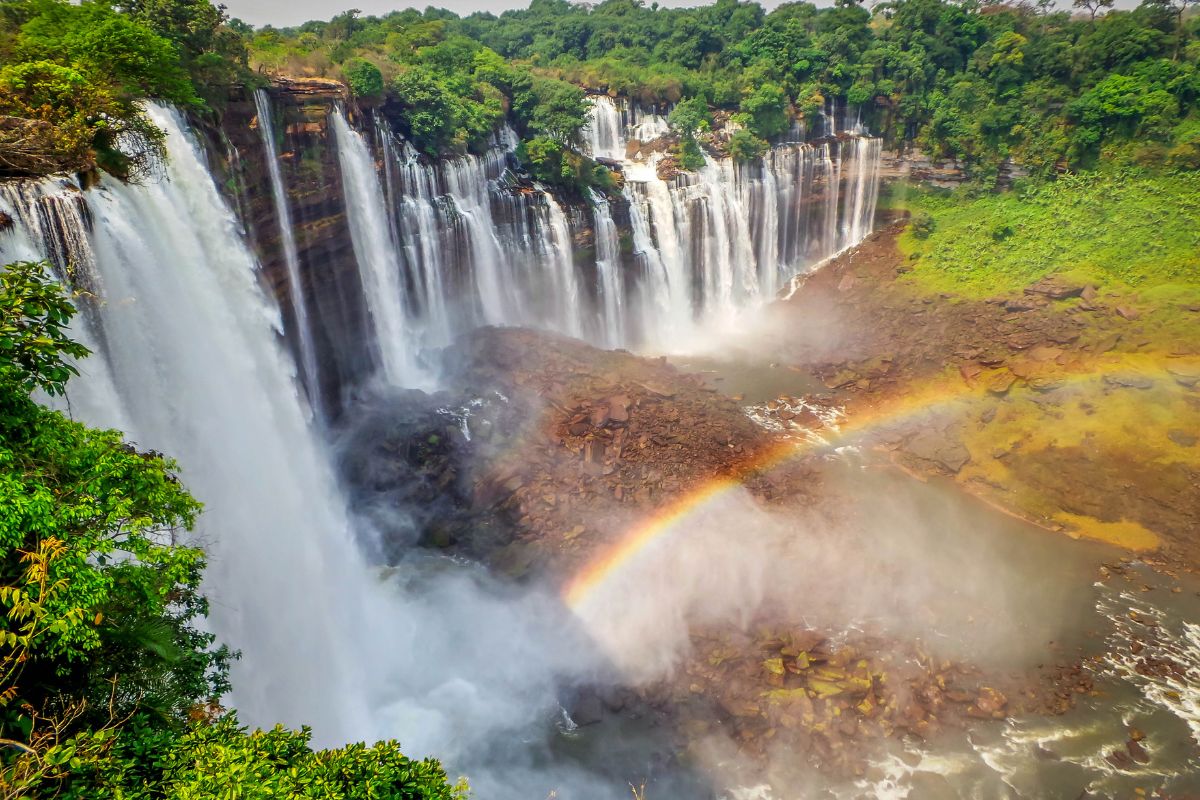
For hiking, climbing, or exploring deserts, dry months ensure safer, more comfortable conditions. The green season offers scenic waterfalls, rivers, and vegetation, making it perfect for adventurous photography or eco-tours.
Peak travel aligns with dry months for safaris (June to October) and coastal holidays (December to February). Expect higher prices, busy parks, and full accommodations during these periods, making early bookings essential.
Rainfall affects road conditions, park accessibility, and wildlife spotting. Wet months may limit some activities but offer lush scenery, fewer crowds, and lower travel costs, making them ideal for off-peak planning.
November to April provides optimal conditions for observing migratory and resident birds. Lush landscapes improve visibility, and wetlands and national parks become hotspots for bird enthusiasts during this time.
April, May, and November are shoulder months with fewer tourists and lower accommodation costs. Weather is generally favorable, making these months perfect for travelers seeking value without sacrificing experiences.
Travelers should align activities with local climates: East African safaris in June–October, North African deserts in October–March, and coastal islands in December–March. Planning by region ensures comfort, safety, and optimal travel experiences.