8 Proven Tips for Planning a Successful Wildlife Photography Safari
Tips for Planning a Successful Wildlife Photography Safari begin with understanding that wildlife photography safaris are more than just holidays — they are immersive experiences that combine adventure, patience, technical skill, and a deep appreciation of nature. Whether you are a passionate amateur or a seasoned professional, careful planning can make the difference between ordinary sightings and truly exceptional photographic moments.
Africa remains the world’s top destination for wildlife photography safaris, offering unmatched biodiversity, dramatic landscapes, and iconic species such as lions, elephants, leopards, rhinos, and cheetahs. However, capturing these moments successfully requires thoughtful preparation. Below are essential tips to help you plan a rewarding and productive wildlife photography safari.
1. Choose the Right Destination for Your Photography Goals
Not all safari destinations offer the same photographic opportunities. Your choice should depend on the type of wildlife you want to photograph, landscape preferences, and shooting style.
For example:
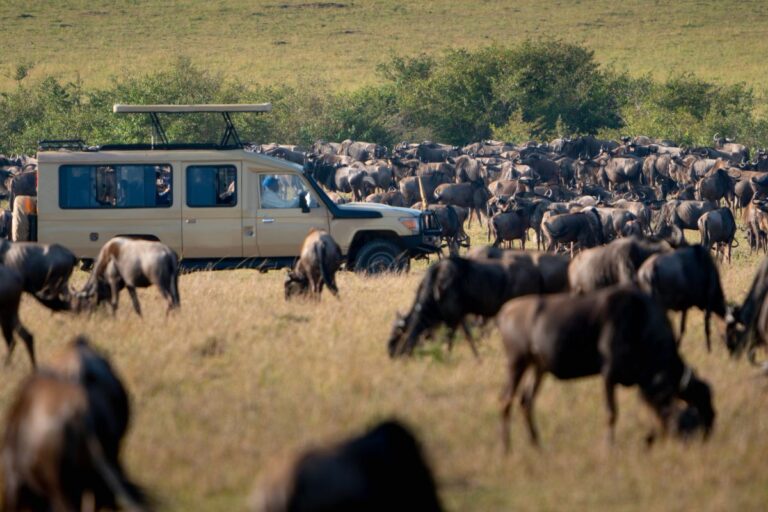
- Masai Mara (Kenya) is ideal for big cats, dramatic predator-prey interactions, and wide-open plains that allow clean compositions.
- Amboseli National Park is famous for large elephant herds with Mount Kilimanjaro as a backdrop — perfect for iconic, storytelling images.
- Serengeti (Tanzania) excels in vast migrations, minimal visual clutter, and long tracking opportunities.
- Botswana’s Okavango Delta offers water-based perspectives, reflections, and intimate wildlife encounters.
At Sparwild Global Holidays, we guide photographers toward destinations that match their creative vision rather than offering one-size-fits-all itineraries.
2. Pick the Best Time of Year (Light Matters!)
Timing is critical in wildlife photography. Seasons affect animal movement, vegetation, weather conditions, and lighting quality.
- Dry seasons generally offer better wildlife visibility and easier tracking due to sparse vegetation.
- Green seasons provide lush backgrounds, dramatic skies, and fewer tourists — ideal for creative compositions and moody lighting.
- Migration periods (such as July–October in the Masai Mara) deliver intense action photography but require early planning due to high demand.
For instance, a photographer focusing on big cat behavior may benefit from quieter months like January or February, while those aiming for large herd movement may prefer peak migration months.
3. Select the Right Safari Style: Private vs Shared
Photography safaris differ significantly from standard game drives. Flexibility and positioning are crucial.
Private Photography Safaris
- Full control over vehicle positioning
- Freedom to wait longer at sightings
- Ideal for solo photographers or professionals
- Higher cost, but maximum creative freedom
Small Group Photography Safaris
- More affordable
- Still photography-friendly if well-managed
- Best when grouped with like-minded photographers
For example, waiting 30 minutes for the perfect lion yawn or a cheetah sprint is only possible when the safari is structured around photography — something Sparwild prioritizes in all photography-focused itineraries.
4. Work with Experienced Photography-Savvy Guides
A knowledgeable guide is just as important as your camera gear. Photography guides understand:
- Animal behavior and movement patterns
- Optimal angles based on sun position
- When to anticipate action rather than react to it
- How to position the vehicle without disturbing wildlife
For example, a skilled guide may predict when a leopard will descend from a tree or when lions are about to begin a hunt — giving you valuable seconds to prepare your settings.
At Sparwild Global Holidays, we work with guides who regularly host photographers and understand the technical and creative needs behind every shot.
5. Choose Accommodations Strategically
Lodge location can significantly impact your photography success. Staying closer to wildlife hotspots means:
- Shorter drive times
- Earlier access to prime sightings
- More time shooting during golden hours
Photographer-friendly lodges often offer:
- Flexible meal times
- Early departures and late returns
- Charging stations for camera batteries
- Quiet environments for reviewing and backing up images
For instance, staying inside the Masai Mara Reserve rather than outside can add hours of prime photography time each day.
6. Prepare the Right Photography Gear (But Don’t Overpack)
While gear is important, strategy matters more than quantity.
Recommended essentials:
- A fast telephoto lens (e.g. 100–400mm or 200–600mm)
- A second body with a mid-range zoom for landscapes and environmental shots
- Extra batteries and memory cards
- Bean bags instead of tripods (ideal for safari vehicles)
- Dust protection and sensor cleaning tools
Remember: incredible images often come from patience, light, and storytelling — not just expensive equipment.
7. Be Patient, Ethical, and Observant
Great wildlife photography is built on respect for nature. Ethical practices ensure:
- Minimal disturbance to animals
- Authentic behavior captured naturally
- Sustainable tourism that protects ecosystems
For example, avoiding overcrowded sightings or aggressive positioning often leads to better long-term results and safer environments for wildlife.
8. Plan Your Safari with a Specialist Operator
A successful wildlife photography safari requires more than booking a lodge and vehicle. It requires expert coordination, local knowledge, and a deep understanding of photographers’ needs. At Sparwild African Tours and Safaris, we specialize in crafting tailored African wildlife photography safaris that focus on:
- Prime wildlife locations
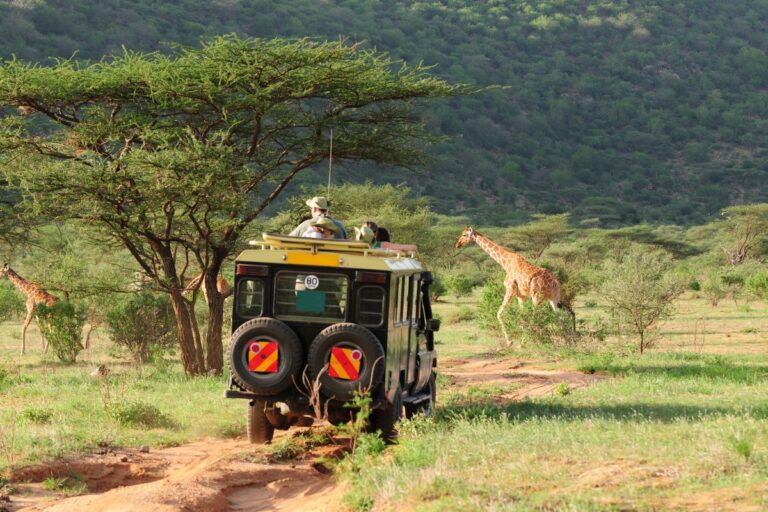
- Photography-friendly vehicles and guides
- Flexible schedules
- Personalized itineraries for solo photographers, couples, or small groups
Whether you’re chasing dramatic predator action, elephant portraits, or golden savannah landscapes, our team ensures every detail supports your photographic goals.
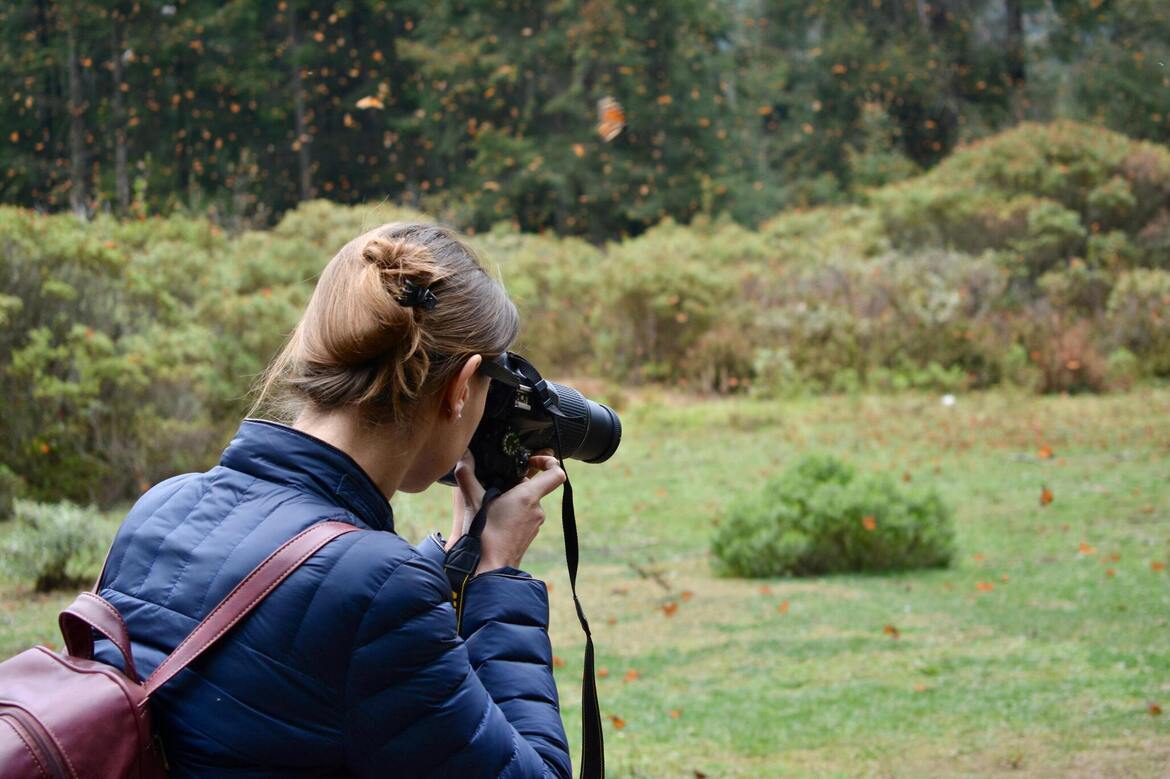
Follow these 8 Proven Tips for Planning a Successful Wildlife Photography Safari: Book Your African Wildlife Photography Safari with Sparwild
Africa offers endless stories waiting to be captured — and the right planning turns moments into masterpieces. If you’re considering a wildlife photography safari in Africa, let Sparwild Global Holidays design an experience that puts photography first. From Kenya and Tanzania to Southern Africa, we’ll help you choose the best destination, season, and safari style for unforgettable results. Get in touch today and start planning your African photography safari with Sparwild.