
Responsible Wildlife Tourism: Respecting Wildlife and Nature
Wildlife travel offers rare and powerful moments—watching elephants cross a savannah, seeing lions hunt at dawn, or snorkeling above vibrant coral reefs. These experiences can inspire lifelong respect for nature. However, tourism also places pressure on animals and ecosystems. Being a responsible traveler means enjoying wildlife without harming it. Here’s a practical guide to help you travel responsibly, protect wildlife, and ensure your presence has a positive impact:
What Does Responsible Wildlife Travel Really Mean?
Responsible wildlife travel is about minimizing harm and maximizing benefit. It recognizes that animals are not attractions but living beings with natural behaviors’, territories, and needs. A responsible traveler prioritizes animal welfare, ecosystem health, and respect for local communities. In simple terms, responsible wildlife travel means allowing animals to remain wild, leaving nature as you found it, and ensuring that local communities benefit from tourism. By respecting these principles, travelers help protect ecosystems, support conservation efforts, and create positive outcomes for both wildlife and the people who live alongside it.
Why Your Choices as a Tourist Matter
Every decision you make—from the tour operator you choose to how close you stand to an animal—carries responsibility. Each choice influences not only the immediate behaviour and wellbeing of the wildlife you encounter but also the long-term health of their habitats. Even small actions, whether following park rules, respecting viewing distances, or reducing your environmental footprint, can have ripple effects that determine whether these ecosystems thrive or deteriorate. Mindful travel ensures that your presence contributes positively, helping wildlife remain wild and preserving these natural wonders for generations to come.
Positive Impacts of Responsible Tourism
1. Generates income that supports conservation and park protection
Responsible tourism directs visitor spending toward national parks, reserves, and conservation programs through park fees, permits, and licensed operators. This revenue helps fund anti-poaching patrols, wildlife monitoring, habitat restoration, and the maintenance of protected areas. When parks generate sustainable income, wildlife is viewed as a valuable living resource rather than land to be exploited for short-term gain.
2. Creates jobs that reduce reliance on poaching or habitat destruction
Wildlife tourism provides stable employment opportunities for local communities, including guiding, driving, hospitality, maintenance, and conservation roles. When people can earn a living from protecting wildlife, there is less economic pressure to engage in activities such as poaching, illegal logging, or land clearing. Tourism turns conservation into a practical, everyday livelihood rather than an abstract ideal.
3. Encourages governments and communities to preserve wildlife areas
When tourism proves that intact ecosystems generate long-term economic and social benefits, governments and local leaders are more likely to invest in protecting wildlife areas. This can lead to stronger environmental policies, expanded protected zones, and community-led conservation initiatives. In this way, responsible tourism helps shift development priorities toward preservation rather than destruction.
Negative impacts of irresponsible tourism:
1. Stress, injury, or behavioural changes in animals
When animals are repeatedly approached too closely, chased, fed, or surrounded by tourists and vehicles, they experience chronic stress. This stress can alter natural behaviours such as feeding, hunting, breeding, and migration. In some cases, animals may become aggressive, abandon young, or suffer injuries while trying to escape human presence. Over time, these behavioural changes can reduce survival rates and disrupt entire wildlife populations.
2. Habitat degradation due to overcrowding or pollution
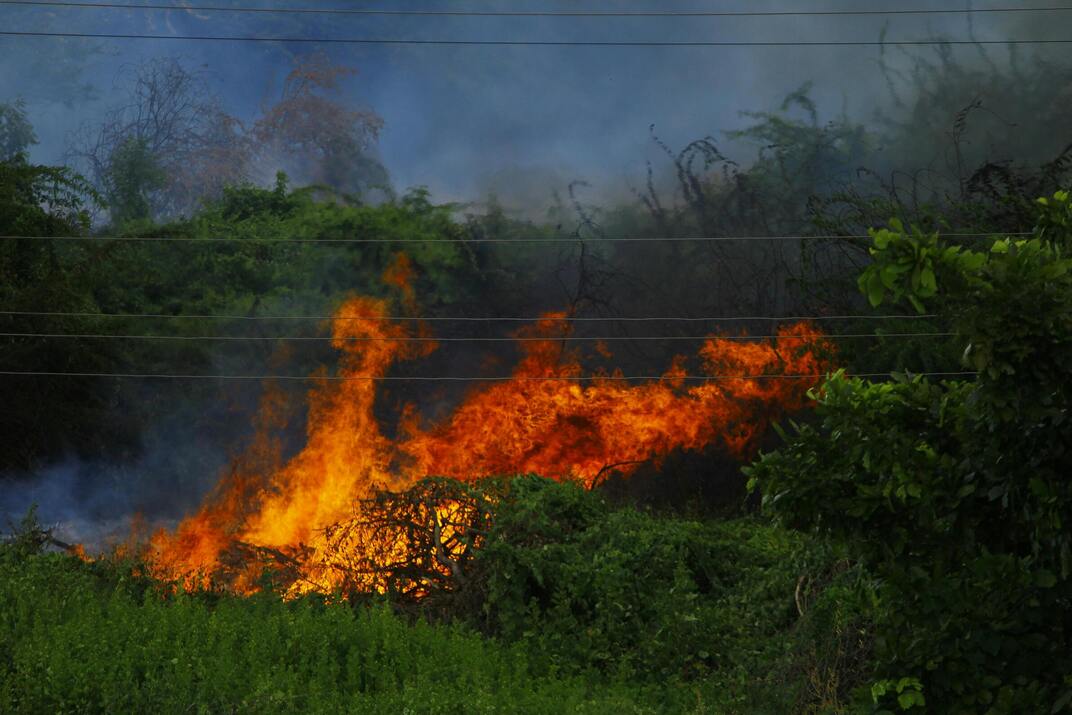
Uncontrolled tourism can place heavy pressure on natural environments. Off-road driving, excessive foot traffic, and poorly managed infrastructure damage vegetation, compact soil, and erode sensitive landscapes. Litter, plastic waste, fuel leaks, and noise pollution further degrade habitats, making them less suitable for wildlife and reducing biodiversity. Once damaged, these ecosystems can take years—or decades—to recover.
3. Normalisation of wildlife exploitation
Irresponsible tourism can make harmful practices appear acceptable by turning animals into entertainment rather than living beings. Activities that involve forced interaction, captivity, or staged encounters condition both tourists and operators to prioritise profit over welfare. As these practices become normalized, demand increases, encouraging further exploitation and undermining genuine conservation efforts.
8 Core Principles of Being Mindful Around Wildlife
1. Keep Wildlife Wild: Avoid Direct Interaction
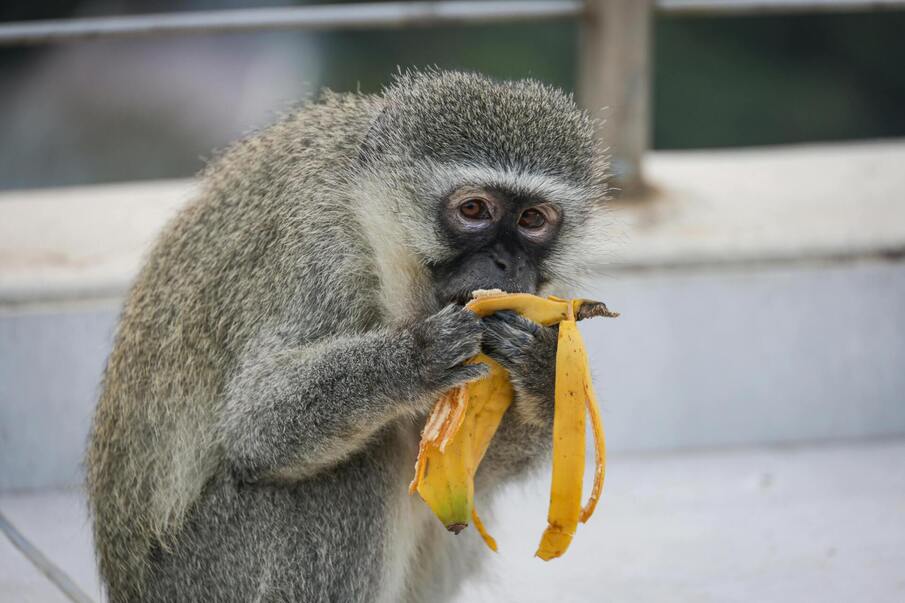
Never touch, chase, corner, or feed wild animals. While it might feel harmless—or even rewarding—human interaction can have serious consequences.
- Disrupts natural feeding patterns: Feeding or approaching animals can alter how they find food in the wild. Instead of foraging naturally, animals may begin to rely on humans for easy meals. Over time, this can affect their health, nutrition, and survival instincts.
- Creates dependency on humans: Animals that learn to associate people with food risk becoming dependent, reducing their ability to survive independently. This dependency can also increase the likelihood of conflict with humans, as animals may approach settlements or roads in search of food.
- Increases stress and aggression: Close or forced encounters can cause chronic stress, which weakens immune systems and affects reproduction. Some species may react aggressively when they feel cornered or threatened, putting both animals and humans at risk.
A simple rule: if your presence changes the animal’s behaviour, you are too close. Observing from a safe distance allows wildlife to act naturally and ensures your encounter is ethical and safe—for both you and the animal.
2. Respect Distance and Practice Silence
Approaching wildlife too closely doesn’t make an encounter more memorable—it can make it harmful. The most meaningful wildlife experiences happen when animals behave naturally, without fear, stress, or disruption. Respecting distance and remaining quiet allows you to witness authentic behaviour while keeping both you and the animals safe. Best Practices for Observing Wildlife:
- Follow guides and park regulations: Professional guides and park rules exist to protect both visitors and wildlife. They know safe distances, ideal observation points, and local animal behaviours. Following their instructions ensures that your presence has minimal impact.
- Minimize noise and sudden movements: Animals are highly sensitive to sound and motion. Talking loudly, sudden gestures, or flashing lights can startle wildlife, causing them to flee, hide, or act defensively. A calm and quiet approach encourages natural behaviour.
- Never block critical areas: Avoid standing in animal paths, near water sources, or along hunting routes. Blocking these areas disrupts feeding, migration, and other essential activities, which can stress animals and reduce the quality of your experience.
- Exercise patience: Wildlife doesn’t perform on cue. Often, waiting quietly at a safe distance results in far richer sightings than trying to force an encounter. Patience rewards you with natural behaviours, better photographs, and an ethical experience that prioritizes animal welfare.
3. Say No to Exploitative Wildlife Activities
Not all wildlife encounters are ethical. If an experience involves direct interaction with wild animals, it’s important to be cautious. Activities such as riding elephants, holding or posing with cubs, swimming with captive dolphins, or walking with predators may seem exciting—but they often come at a hidden cost to the animals. Why these activities are harmful:
-
Separation from mothers: Many animals used in tourist attractions are taken from their parents at a young age, which can stunt physical and social development.
-
Stress and abuse: Intensive training methods, confinement, and forced interactions cause chronic stress, fear, and sometimes physical harm.
-
Loss of natural behaviours: Animals repeatedly exposed to humans often lose natural instincts, such as hunting, foraging, or social communication.
A simple ethical guideline:
If the animal cannot freely choose to move away, it’s a sign that the experience is exploitative.
Responsible wildlife tourism prioritizes observation over interaction. By refusing activities that force animals into unnatural situations, you help ensure wildlife remains wild and ecosystems stay intact.
4.Choose Ethical Tour Operators
The tour operator you select can significantly impact the welfare of wildlife and the sustainability of the areas you visit. Responsible operators prioritize animal wellbeing, respect natural behaviours, and ensure your experience does not harm ecosystems. Here are 4 Key Practices of Ethical Operators:
-
Maintain safe viewing distances: Professional guides ensure you observe wildlife without causing stress or disturbance.
-
Control visitor numbers: Limiting the number of vehicles or tourists at sightings reduces overcrowding and prevents disruption of natural behaviours.
-
Educate and inspire: Guides provide information about species, habitats, and conservation challenges, turning every encounter into a learning opportunity.
-
Respect park regulations and seasonal closures: Ethical operators adhere to all rules and closures designed to protect breeding, migration, or feeding periods.
Questions to Ask Before Booking:
-
How do your guides manage close encounters with wildlife?
-
Are there limits on the number of vehicles or visitors at each sighting?
-
How does the company contribute to conservation efforts or local community development?
Choose a tour operator with strong ethical standards. This ensures your wildlife experiences are not only memorable but also responsible, sustainable, and beneficial for both animals and local communities.
5. Follow Protected Area Rules—They Exist for a Reason
National parks, wildlife reserves, and marine protected areas are carefully managed to preserve ecosystems and safeguard animals. Rules governing speed limits, access routes, noise levels, and visitor behaviour are not arbitrary—they are designed to prevent stress, injury, and long-term ecological damage.
Why following these rules matters:
-
Protects vulnerable animals: Violating speed limits or off-road restrictions can separate mothers from their young or disturb nesting sites.
-
Preserves natural behaviours: Ignoring regulations may interrupt hunting, grazing, or migration, disrupting the delicate balance of the ecosystem.
-
Ensures safety: Many animals are unpredictable; keeping to designated paths and observation points protects both wildlife and visitors from accidents or aggressive encounters.
Responsible travelers understand that rules are in place for the benefit of wildlife, ecosystems, and people. Observing them—even when no one is watching—is a fundamental part of ethical travel and ensures that wildlife areas remain intact for future generations.
6. Reduce Your Environmental Footprint
Wildlife thrives only when their ecosystems are healthy. Even small actions by visitors can have a significant impact on the habitats animals rely on. Responsible travelers take steps to minimize their footprint and preserve nature for both wildlife and future visitors. Here are 4 Ways to travel with a lighter footprint:
-
Use reusable items: Bring your own water bottles, shopping bags, and containers to reduce plastic waste that can pollute habitats.
-
Avoid single-use plastics: Bottles, wrappers, and packaging left behind in nature can harm animals who ingest them or get entangled.
-
Stay on designated paths and roads: Walking or driving off-trail damages vegetation, compacts soil, and disrupts fragile ecosystems.
-
Leave natural objects where they belong: Do not remove plants, shells, rocks, or other elements from their habitat. Even small disturbances can affect food chains, breeding sites, or soil stability.
By consciously reducing your impact, you help protect ecosystems, ensuring wildlife can flourish and that nature remains pristine for others to enjoy. Every small choice contributes to a healthier planet and more ethical travel experiences.
7. Be Responsible in Marine Environments
Marine ecosystems, including coral reefs, seagrass beds, and coastal habitats, are extremely fragile. Even small disturbances can have lasting consequences on marine life, from tiny reef fish to large predators. Responsible travelers ensure that their presence protects these environments rather than harms them. Here are Best Practices for Marine Wildlife Encounters:
-
Never touch coral or marine animals: Physical contact damages delicate structures and can injure animals. Corals grow slowly, so even a small touch can have long-term effects on reef health.
-
Maintain neutral buoyancy: When diving or snorkeling, controlling your movement prevents accidental contact with the seabed, coral, or marine creatures.
-
Use reef-safe sunscreen: Conventional sunscreens contain chemicals that are harmful to corals and other marine life. Choose eco-friendly, biodegradable products instead.
-
Avoid tours that feed wildlife: Feeding fish, sharks, or other animals to attract sightings changes their natural behaviour, disrupts ecosystems, and can create dangerous situations for both animals and humans.
By following these guidelines, visitors help preserve marine biodiversity and ensure that underwater ecosystems remain healthy and vibrant for future generations. Healthy oceans depend on respectful, mindful tourism.
8. Support Local Communities
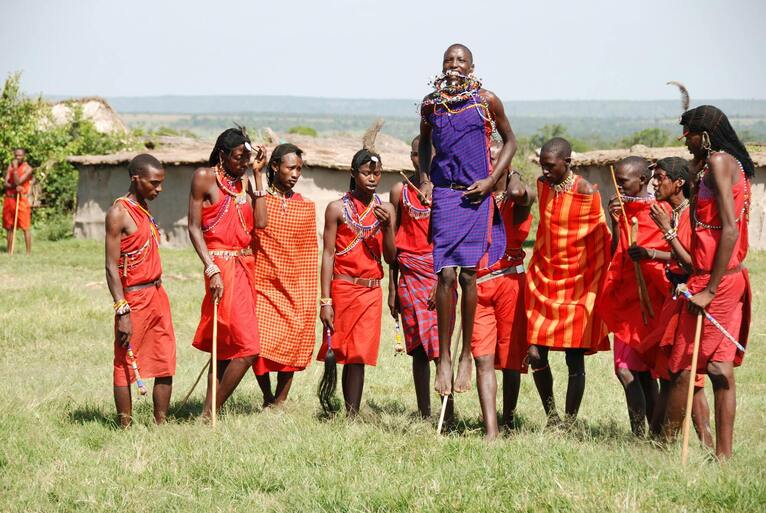
Effective wildlife conservation is closely tied to the wellbeing of the people who live alongside nature. When local communities benefit from tourism, they are more invested in protecting wildlife and preserving ecosystems. Responsible travellers play a vital role in this balance.
Ways to support communities while travelling:
-
Hire local guides and drivers: Engaging local expertise not only provides authentic experiences but also ensures income remains within the community.
-
Stay at locally owned lodges or camps: Choosing locally operated accommodations contributes to community livelihoods and encourages sustainable tourism practices.
-
Purchase locally made crafts and services: Buying goods directly from artisans or using community-run services empowers local economies and reduces reliance on imported products.
When communities see tangible benefits from wildlife tourism, protecting animals and habitats becomes a shared priority. Responsible travel strengthens these connections, creating a cycle where both people and wildlife thrive together.
Book Eco-friendly Safaris And Travel Responsibly: Protect Wildlife, Sustain Ecosystems, and Safeguard Nature for the Future
Wildlife tourism is a privilege, not a right. Animals do not exist for entertainment, yet tourism can play a vital role in their protection when done responsibly. By travelling mindfully, you help ensure that wildlife remains wild, ecosystems stay healthy, and future generations can experience the same natural wonders. Responsible travel is not about doing less—it’s about doing better. Looking to book for an eco-friendly safari in Africa? Book with Sparwild, the best tour operator in Kenya.