Samburu National Reserve

Gishwati Mukura National Park is more than just a destination — it is Rwanda’s newest national park and a powerful symbol of conservation success. Nestled within lush montane rainforest, the park is home to chimpanzees, golden monkeys, and a rich variety of birdlife. Rolling forested hills, scenic trails, and tranquil landscapes create a captivating setting for travelers seeking immersive nature and primate experiences.

What to Expect on Your Gishwati Mukura National Park Safari

A journey to Gishwati Mukura National Park is enriching from the moment you arrive. Expect guided forest walks through lush montane rainforest, scenic ridges, and restored natural habitats. Encounter primates such as chimpanzees, golden monkeys, and playful colobus monkeys along the way. Each day brings new experiences — misty mornings in the forest, birdsong-filled trails, or intimate wildlife encounters. In the evenings, unwind in peaceful surroundings, immersed in the calm of Rwanda’s highland wilderness.

What Makes Gishwati Mukura National Park So Special

Visit Gishwati Mukura National Park

At Sparwild African Tours & Safaris, we create tailor-made experiences to help you explore Gishwati Mukura National Park your way — experience the restored forests, diverse wildlife, and community-driven conservation efforts that make Gishwati Mukura truly unforgettable.

Discover the Famous Gishwati Mukura: Go To Rwanda Africa

Gishwati Mukura National Park is one of Rwanda’s most remarkable forest conservation areas — a land of rolling hills, dense montane forests, and thriving wildlife. Spanning restored forest corridors, it is home to chimpanzees, golden monkeys, colobus monkeys, and hundreds of bird species, offering travelers an unforgettable primate-focused Rwanda safari experience.

Quick Facts About Gishwati Mukura National Park

Top Things to Do in Gishwati Mukura National Park

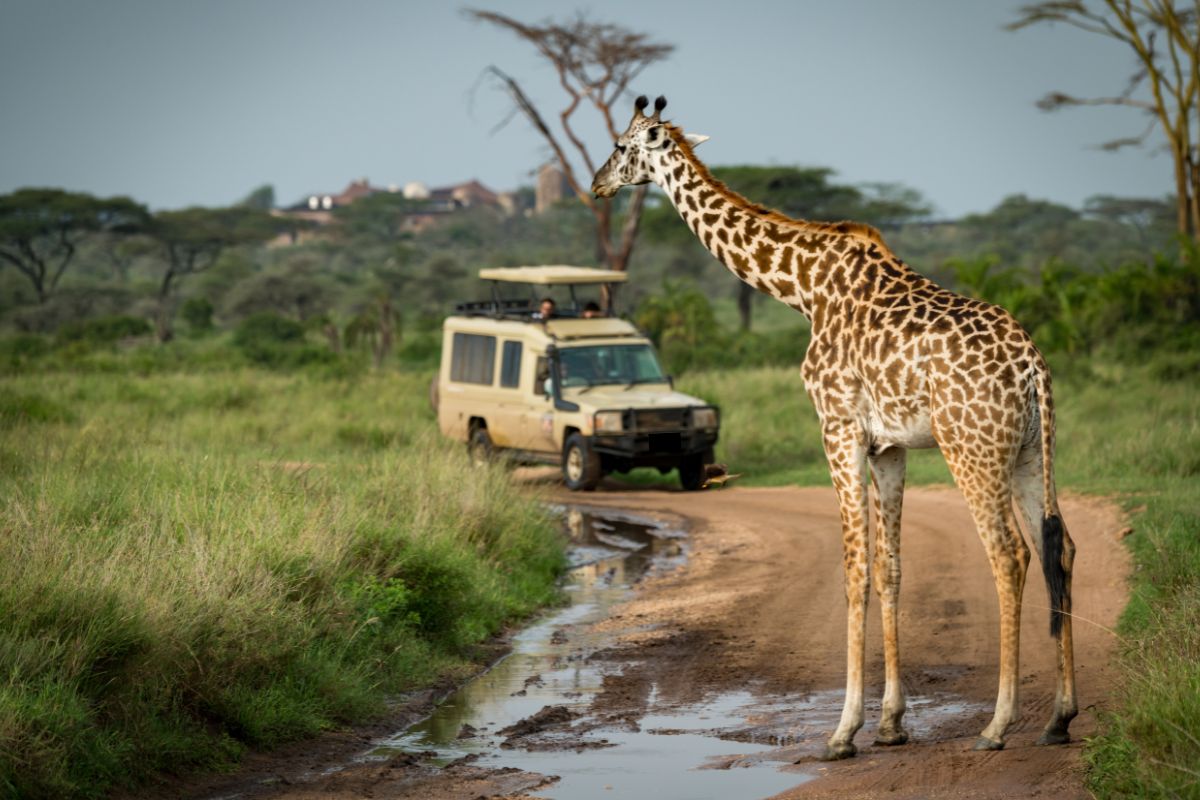
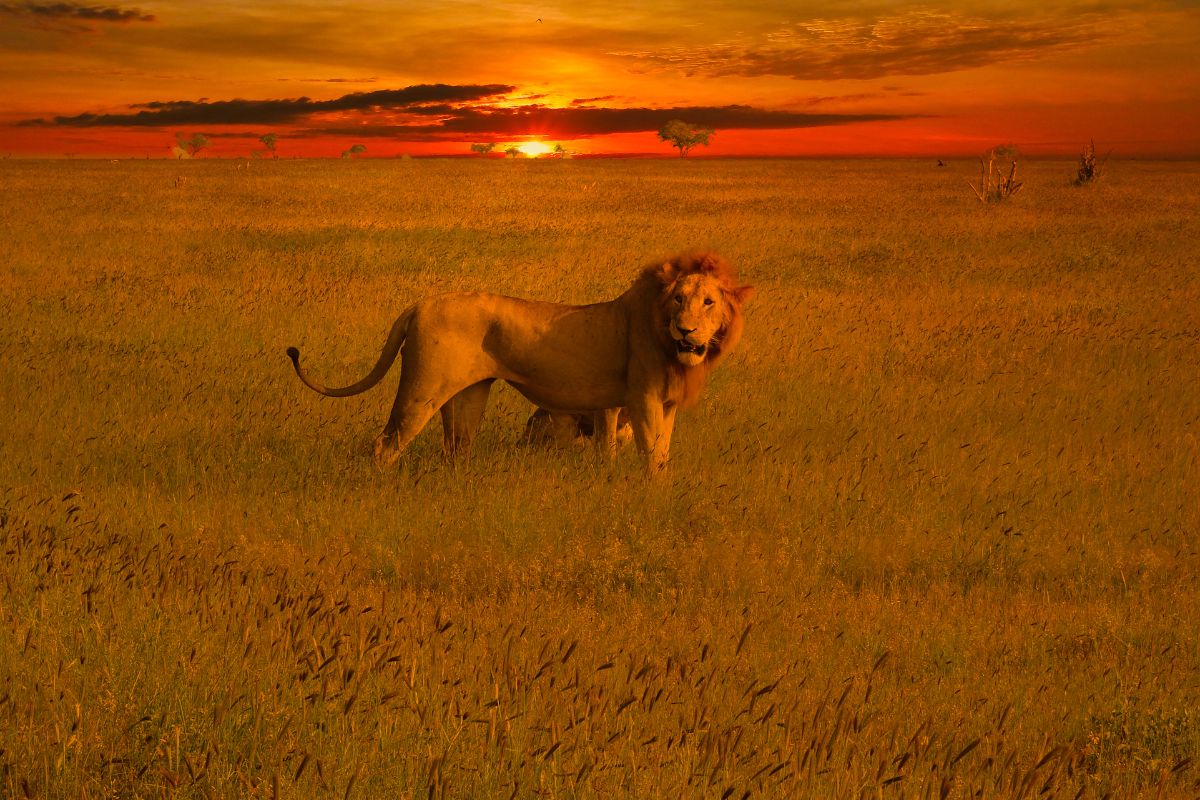
Embark on early morning and late afternoon game drives led by expert guides who know where to find the Big Five and other incredible wildlife. The golden light, open savannah, and close encounters make this a once-in-a-lifetime experience.

Float silently over the Mara at sunrise and watch as elephants, giraffes, and wildebeests roam below. This breathtaking aerial view of the reserve ends with a champagne breakfast in the bush — an experience you’ll never forget.

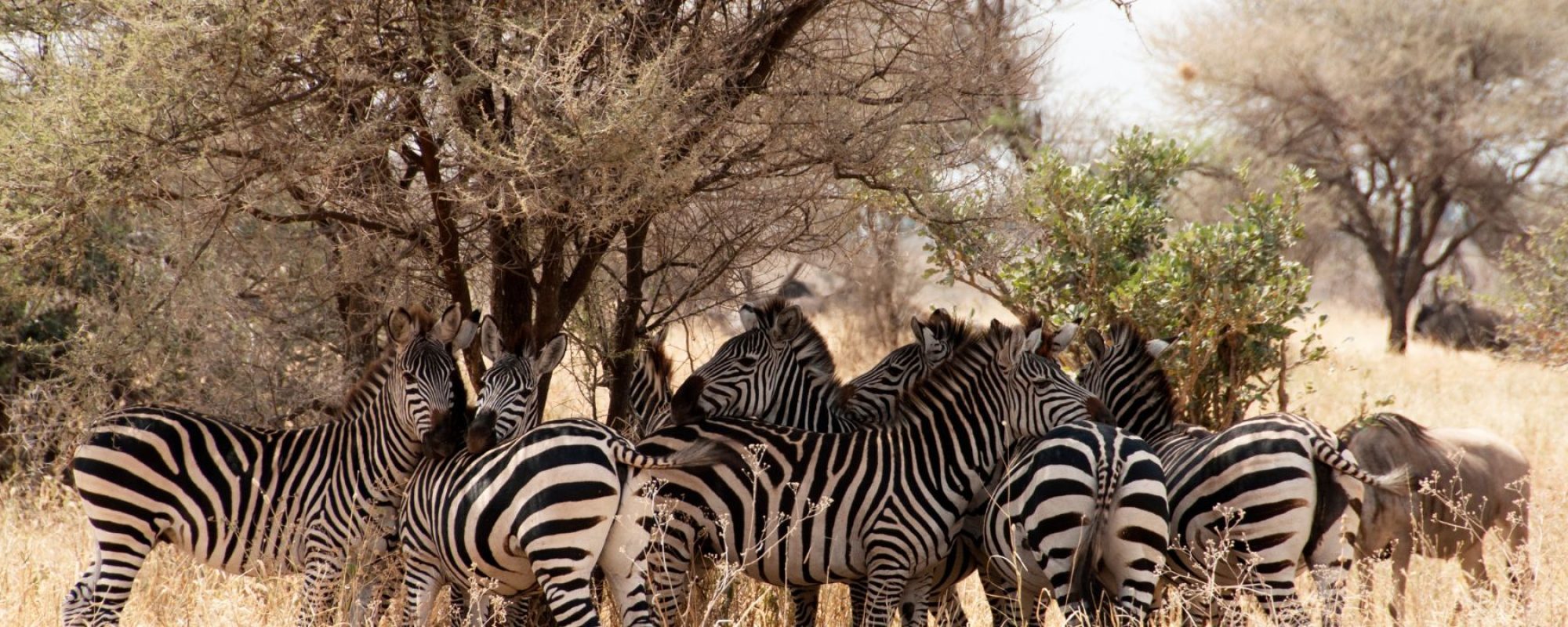
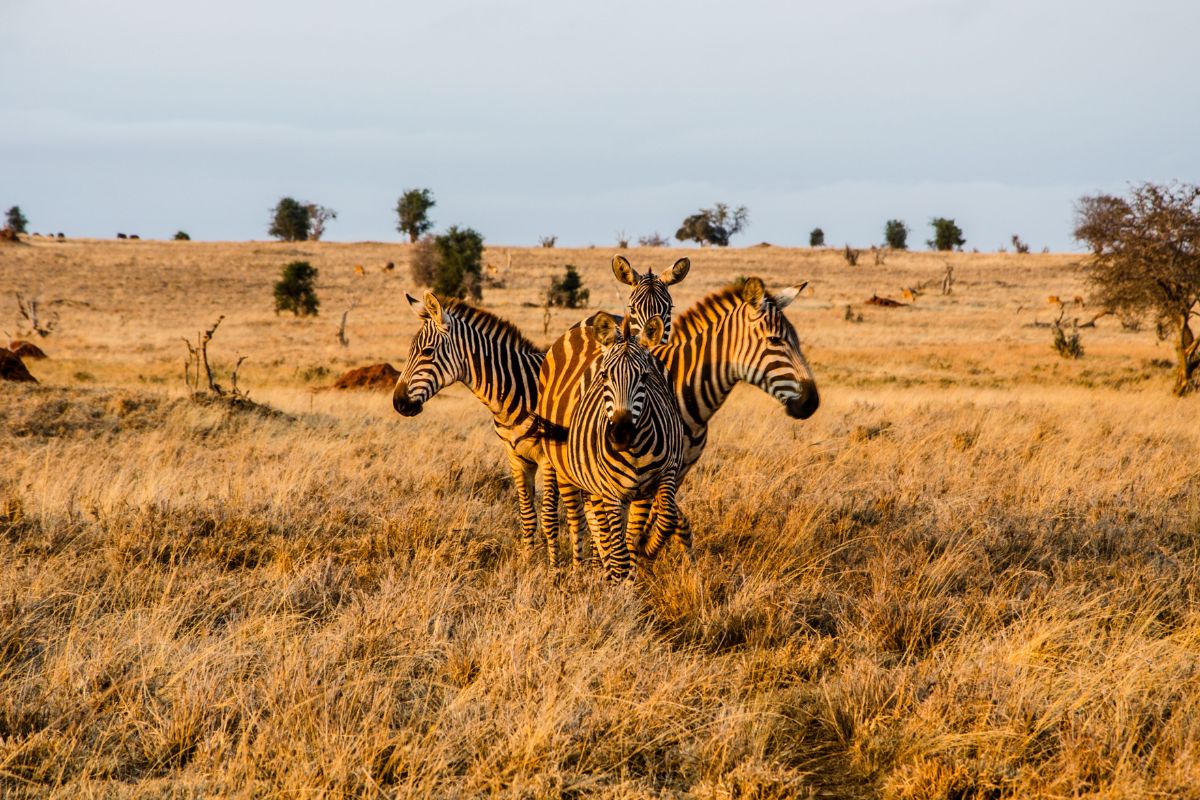
From July to October, witness millions of wildebeests and zebras cross the Mara River in one of nature’s most dramatic spectacles. The thunder of hooves and tense moments at the riverbanks are the highlights of any African safari.

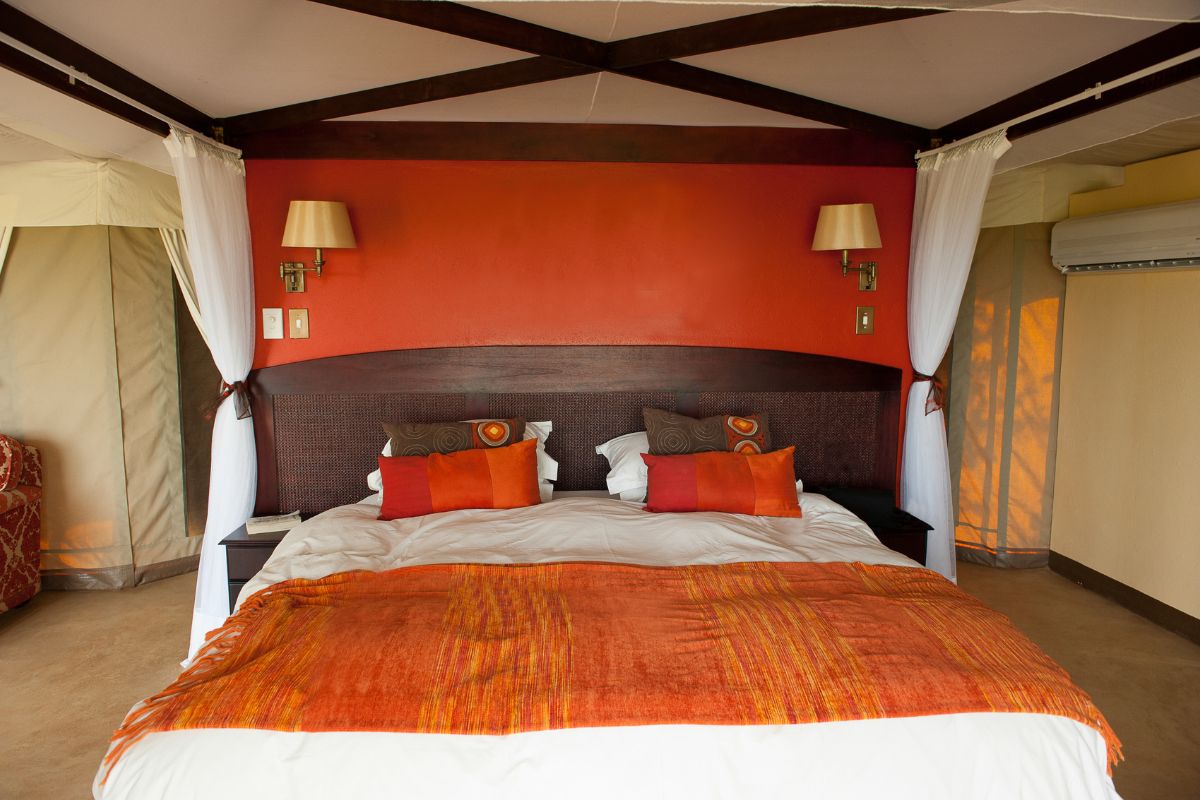
Experience the wilderness up close by staying in eco-friendly lodges or luxury tented camps. Each stay offers comfort, panoramic views, and the authentic sounds of the African night.

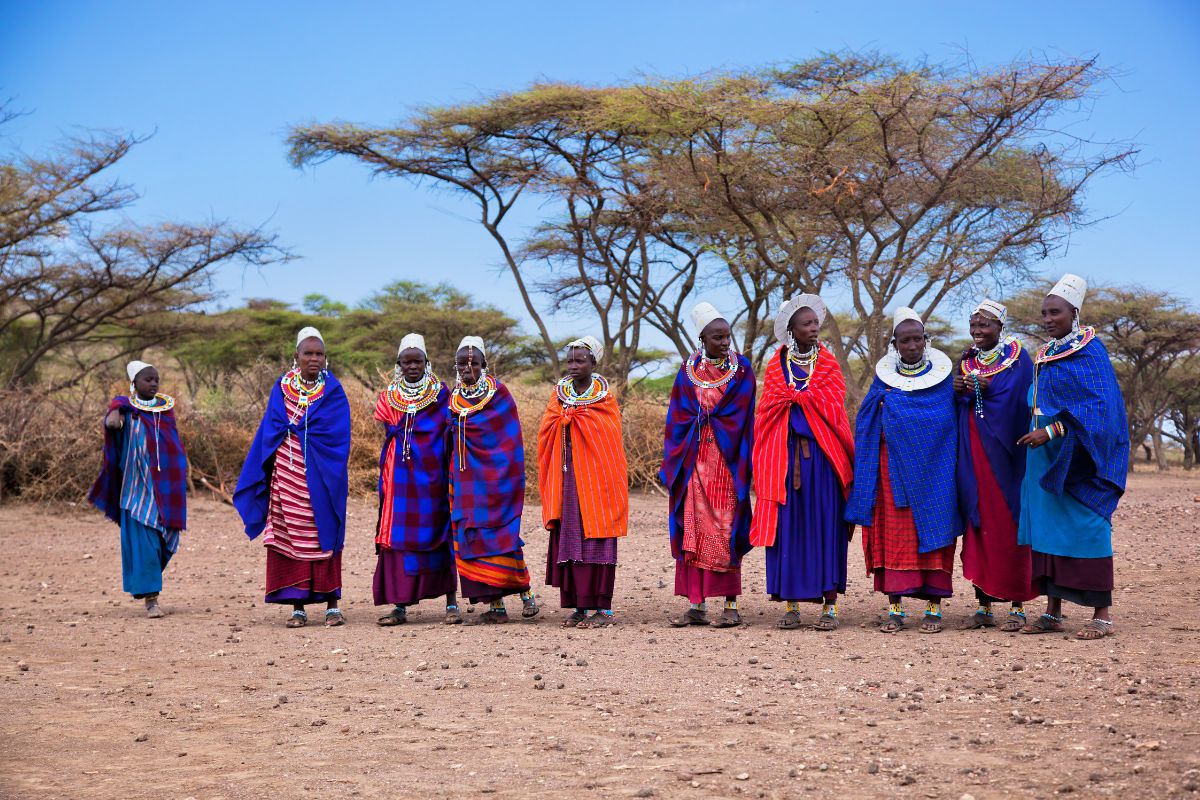
Meet the proud Maasai people and learn about their traditions, dress, and way of life. A guided visit to a local village gives travelers a meaningful cultural connection beyond the wildlife.

With over 450 bird species, including secretary birds, lilac-breasted rollers, and ostriches, the Mara is a paradise for bird lovers. The best time for birding is during the green season (November to April).

Capture the magic of the Mara’s wildlife and landscapes through your lens. Whether you’re a professional or hobbyist, the light, scenery, and animal action offer endless inspiration.

Embark on early morning and late afternoon game drives led by expert guides who know where to find the Big Five and other incredible wildlife. The golden light, open savannah, and close encounters make this a once-in-a-lifetime experience.

Tailor-Made Gishwati Mukura Adventures

We work closely with you to create a personalized Gishwati Mukura National Park itinerary that fits your interests, fitness level, and travel style. From guided primate treks and forest walks to scenic viewpoints and community visits, we ensure every step is safe, engaging, and unforgettable. Our team takes care of all logistics, so you can fully enjoy the restored rainforest, diverse wildlife, and the serene beauty of this remarkable conservation area.

9 Days Amboseli, Tsavo West, Tsavo East and Diani Beach Safari Package

FAQs About Gishwati Mukura National Park

Gishwati Mukura National Park is located in western Rwanda, spanning the Gishwati and Mukura forest complexes. It lies within a rich biodiversity corridor and is easily accessible from Kigali, approximately a 3- to 4-hour drive. The park is part of Rwanda’s efforts to restore degraded forests and protect endangered species. Its location offers travelers a combination of forest trekking, wildlife encounters, and cultural experiences in nearby communities. Visiting Gishwati Mukura provides a unique insight into Rwanda’s commitment to conservation and sustainable tourism.

The park is home to a variety of primates, including chimpanzees, golden monkeys, and colobus monkeys. You may also encounter duikers, civets, and a wide range of bird species, including some endemic to the Albertine Rift. The forests are part of a restoration project, so wildlife sightings often include animals returning to regenerated habitats. Reptiles and amphibians are also present, creating a rich and diverse ecosystem. Guided tours increase the chances of seeing rare species safely and responsibly.

Visitors can enjoy primate trekking, guided forest walks, bird watching, and scenic viewpoint hikes. Nature photography is popular due to the park’s lush landscapes and unique wildlife. Community visits near the park allow travelers to experience local culture and conservation initiatives. Educational tours focus on the park’s reforestation and biodiversity programs. All activities are designed to be immersive while supporting sustainable tourism practices.

The best time to visit is during Rwanda’s dry seasons, from June to September and December to February. These months provide easier trekking conditions and better wildlife visibility. Rainy seasons can make trails slippery, but the forest remains green and scenic. Wildlife can still be observed year-round, especially with an experienced guide. Planning visits during the dry season ensures a more comfortable and enjoyable experience.

Primate trekking ranges from moderate to slightly challenging depending on the trail and weather conditions. Walks may involve uneven terrain, steep inclines, and muddy patches, particularly after rains. Guides adjust the trek based on your fitness level, ensuring safety and accessibility. Treks usually last between 2 to 5 hours, with rest stops and photo opportunities along the way. Proper footwear, hydration, and a sense of adventure are recommended for a fulfilling experience.

Yes, there are eco-lodges, forest camps, and guesthouses near the park. Options range from basic lodges to more comfortable boutique stays. Staying nearby allows early access to treks and wildlife tours. Many accommodations support sustainable tourism and conservation initiatives. Travelers are encouraged to book in advance, especially during peak seasons.

Absolutely. The park offers shorter, accessible trails suitable for children and beginner trekkers. Guided tours ensure safety, and wildlife spotting can be exciting for all ages. Educational activities teach visitors about conservation and Rwanda’s forest restoration efforts. Families can combine trekking with cultural experiences in nearby communities. It’s a great introduction to Rwanda’s biodiversity and ecotourism.

Yes, it is commonly combined with Nyungwe Forest National Park, Volcanoes National Park, or Akagera National Park. Combining multiple parks allows visitors to experience Rwanda’s diverse ecosystems, from highland forests to savannah plains. Multi-day itineraries can include gorilla trekking, chimpanzee tracking, and lake or savannah excursions. Transport and accommodation are typically coordinated by tour operators. Planning a combined safari maximizes wildlife encounters and cultural immersion.

A 2- to 3-day visit is ideal to experience primate trekking, forest walks, and community activities. Longer stays allow more time for bird watching, photography, and enjoying the scenic viewpoints. Shorter visits can still provide a memorable experience with focused treks. Scheduling depends on your overall Rwanda itinerary and travel goals. Even a single day offers immersive encounters with the park’s unique biodiversity.

Essentials include sturdy hiking shoes, breathable clothing, rain gear, insect repellent, and a water bottle. Binoculars and a camera are recommended for wildlife observation and photography. Light snacks may be useful during longer treks. Guides often provide additional instructions depending on the season and activities planned. Proper preparation ensures a safe, comfortable, and enjoyable visit.

Yes, the park plays a vital role in reforestation, habitat restoration, and endangered species protection. Local communities benefit from sustainable tourism projects and employment opportunities. Educational programs help visitors understand the importance of biodiversity conservation. Collaborative research initiatives are ongoing to monitor wildlife populations and forest health. Your visit directly supports these efforts, making tourism a positive force for both nature and people.

Planning a safari with Sparwild African Tours & Safaris is simple and personalized. You can contact our team to discuss your preferred dates, activities, and budget. We create tailor-made itineraries that include guided treks, accommodations, and transportation. Our experienced guides ensure a safe, memorable, and enriching experience throughout your visit. Booking with Sparwild guarantees expert support and seamless organization from start to finish.