What to Expect on Your Dian Fossey Gorilla Sanctuary Safari

A journey to Dian Fossey Gorilla Sanctuary is captivating from the moment you arrive. Expect guided forest walks through misty montane habitats, scenic trails, and observation points where gorillas and golden monkeys thrive. Encounter these magnificent primates up close, along with other forest wildlife and vibrant bird species. Each day offers new experiences — peaceful mornings among towering trees, fascinating wildlife interactions, and the soothing sounds of the forest. In the evenings, relax at your lodge or camp, immersed in the serenity of Rwanda’s highland wilderness.

What Makes Dian Fossey Gorilla Sanctuary So Special

Visit Dian Fossey Gorilla Sanctuary

At Sparwild African Tours & Safaris, we create tailor-made experiences to help you explore Dian Fossey Gorilla Sanctuary your way — experience the protected forests, rare primates, and conservation initiatives that make this sanctuary truly unforgettable.

Discover the Famous Dian Fossey Gorilla Sanctuary: Go To Rwanda Africa

Dian Fossey Gorilla Sanctuary is one of Rwanda’s most iconic wildlife conservation areas — a land of lush montane forests, misty valleys, and thriving primates. Spanning protected forest habitats, it is home to endangered mountain gorillas, golden monkeys, and hundreds of bird species, offering travelers an unforgettable primate-focused Rwanda safari experience.

Quick Facts About Dian Fossey Gorilla Sanctuary

Top Things to Do in Dian Fossey Gorilla Sanctuary

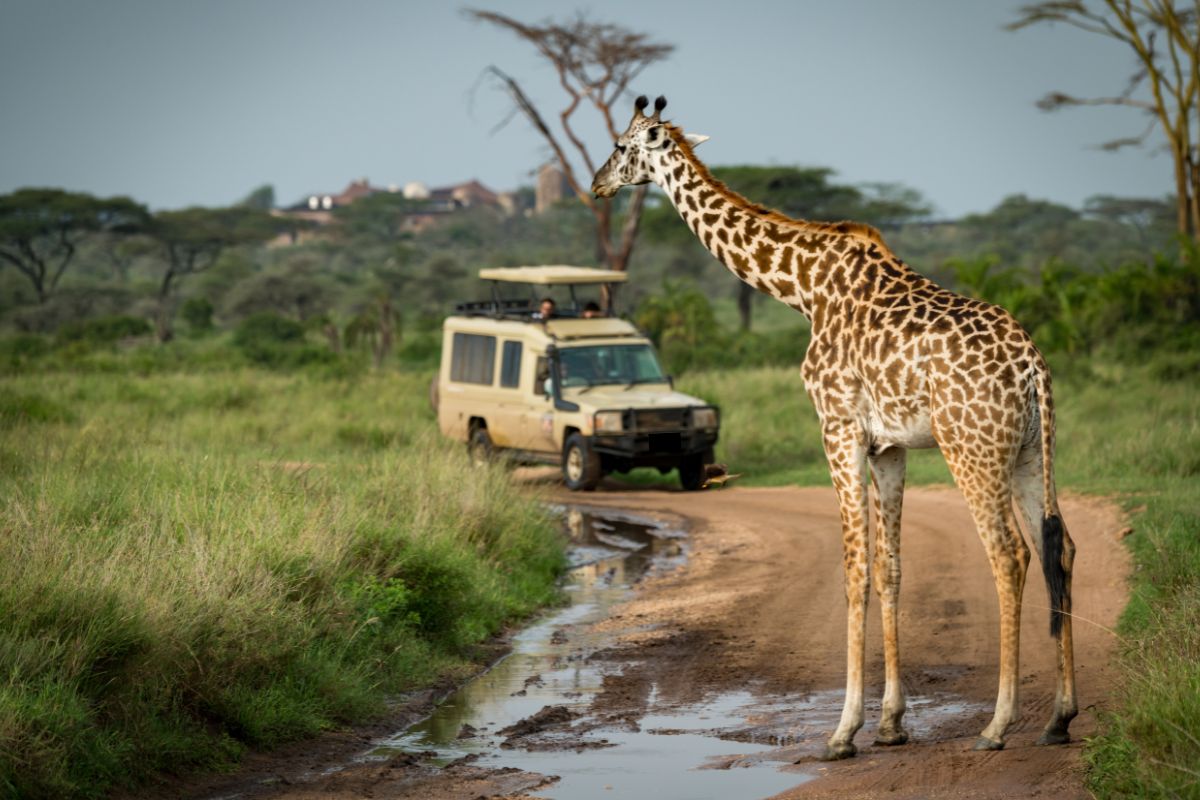
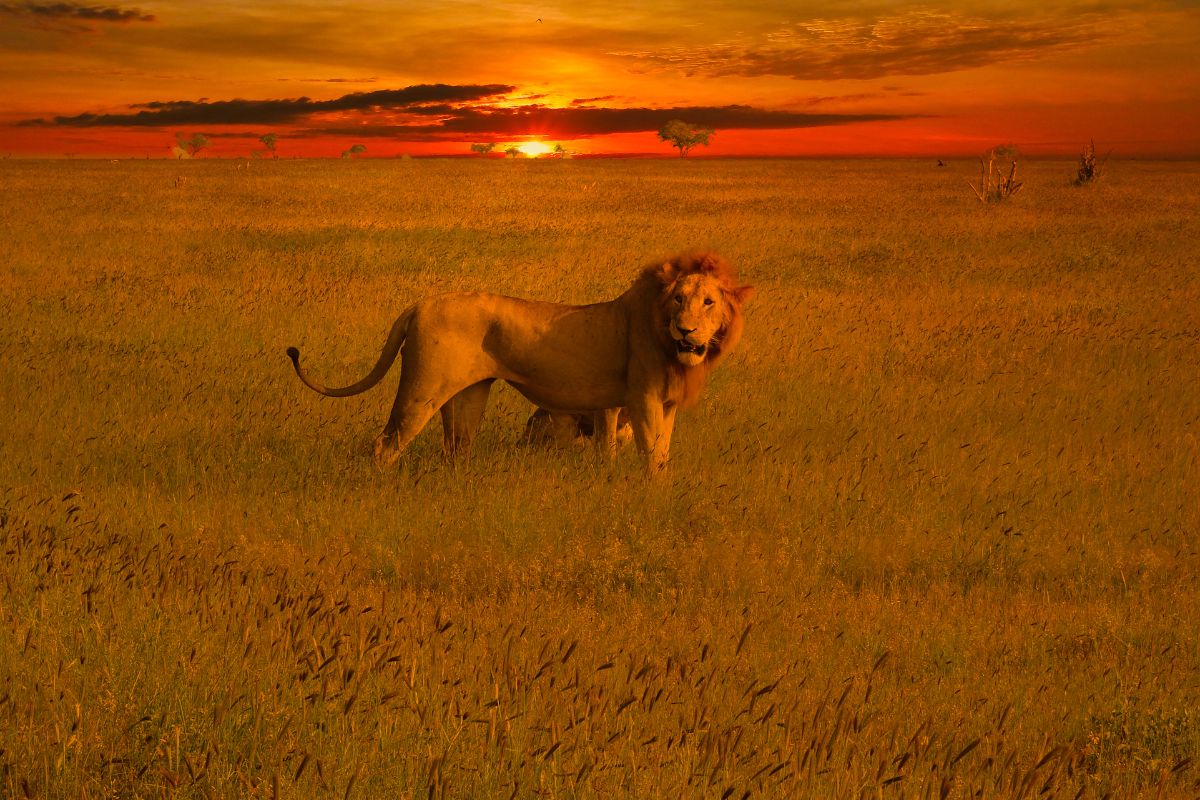
Embark on early morning and late afternoon game drives led by expert guides who know where to find the Big Five and other incredible wildlife. The golden light, open savannah, and close encounters make this a once-in-a-lifetime experience.

Float silently over the Mara at sunrise and watch as elephants, giraffes, and wildebeests roam below. This breathtaking aerial view of the reserve ends with a champagne breakfast in the bush — an experience you’ll never forget.

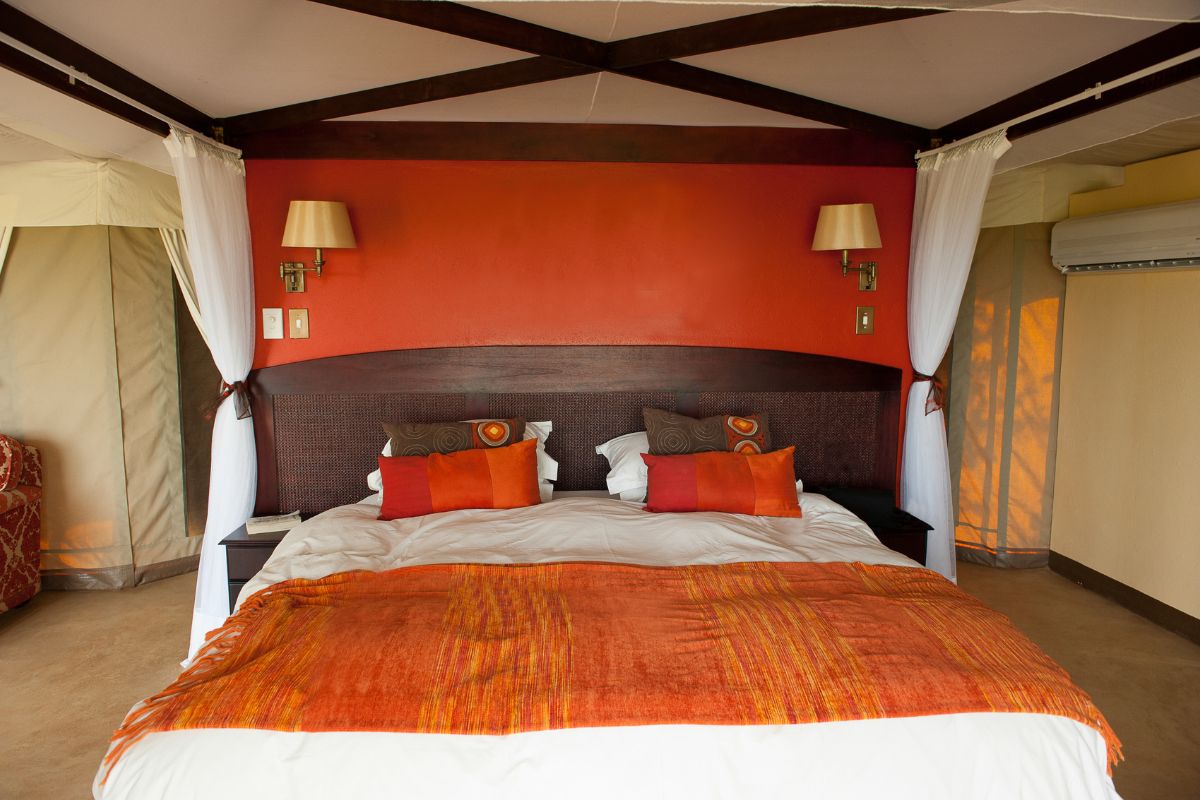
Experience the wilderness up close by staying in eco-friendly lodges or luxury tented camps. Each stay offers comfort, panoramic views, and the authentic sounds of the African night.

From July to October, witness millions of wildebeests and zebras cross the Mara River in one of nature’s most dramatic spectacles. The thunder of hooves and tense moments at the riverbanks are the highlights of any African safari.

Experience early morning and late afternoon guided forest treks with expert naturalists who know where to find gorillas, golden monkeys, and other wildlife. The misty rainforest, lush trails, and close primate encounters make this a truly unforgettable adventure.

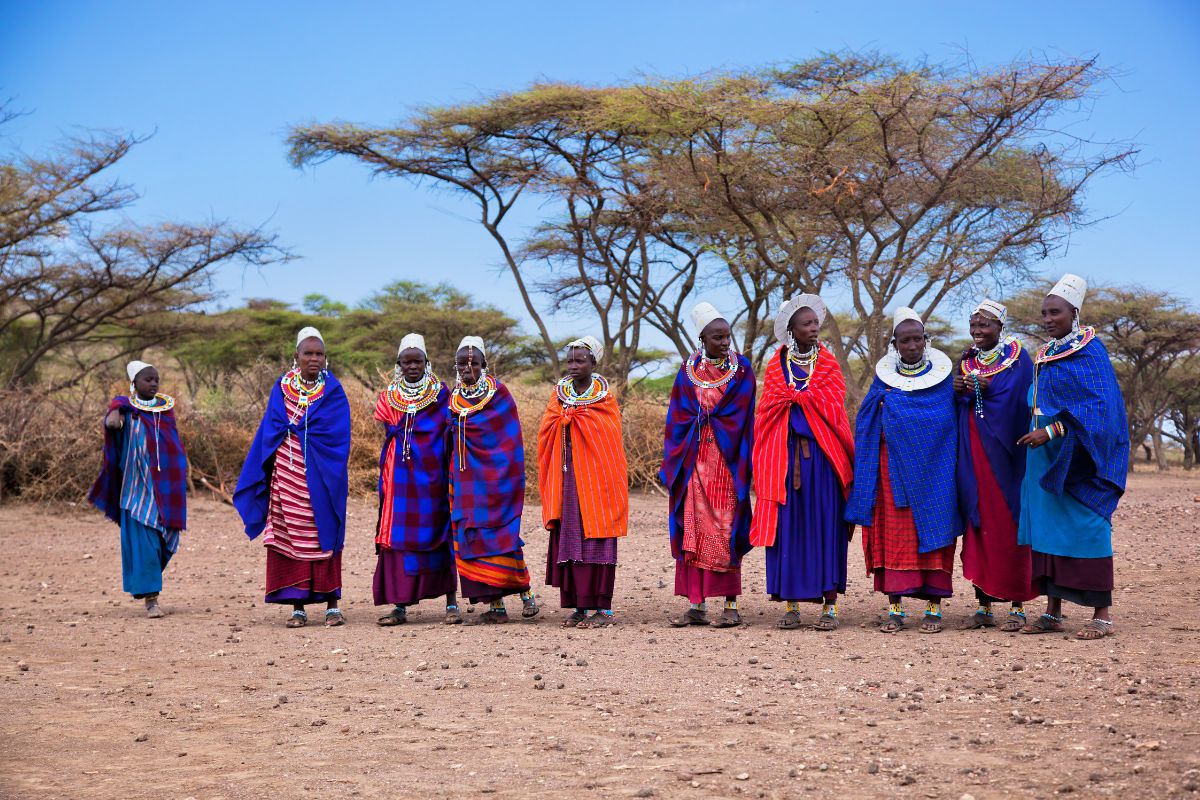
Meet the proud Maasai people and learn about their traditions, dress, and way of life. A guided visit to a local village gives travelers a meaningful cultural connection beyond the wildlife.

With over 450 bird species, including secretary birds, lilac-breasted rollers, and ostriches, the Mara is a paradise for bird lovers. The best time for birding is during the green season (November to April).

Capture the magic of the Mara’s wildlife and landscapes through your lens. Whether you’re a professional or hobbyist, the light, scenery, and animal action offer endless inspiration.

Tailor-Made Dian Fossey Gorilla Sanctuary Adventures

We work closely with you to create a personalized Dian Fossey Gorilla Sanctuary itinerary that suits your interests, fitness level, and travel style. From guided gorilla treks and forest walks to birdwatching and cultural experiences, we ensure every step is safe, engaging, and unforgettable. Our team handles all logistics, allowing you to fully enjoy close primate encounters, lush rainforest trails, and the serene beauty of this iconic conservation area.

9 Days Amboseli, Tsavo West, Tsavo East and Diani Beach Safari Package

FAQs About Dian Fossey Gorilla Sanctuary

Dian Fossey Gorilla Sanctuary is located in northern Rwanda, within the greater Volcanoes region. The sanctuary lies in a mountainous, forested area that provides ideal habitat for endangered mountain gorillas and other primates. Its location places it close to other key conservation areas, making it part of Rwanda’s rich primate corridor. The surrounding landscape is characterized by misty hills, volcanic soils, and dense montane forests. This setting creates both ecological importance and exceptional visitor experiences.
The sanctuary was established primarily to protect endangered mountain gorillas and support long-term conservation efforts. It also plays a critical role in primate research, habitat restoration, and environmental education. Conservation programs focus on monitoring gorilla families, protecting forest ecosystems, and reducing human-wildlife conflict. The sanctuary continues the legacy of Dian Fossey’s groundbreaking work in gorilla protection. Visitors contribute directly to conservation through responsible tourism.

Dian Fossey Gorilla Sanctuary is best known for its mountain gorillas, which are the main attraction for visitors. Golden monkeys and other smaller primates are also commonly encountered in the forest. The sanctuary supports a rich variety of bird species, including endemic and highland forest birds. Small mammals, butterflies, and unique plant species add to the biodiversity of the area. Each visit offers a chance to observe wildlife in a protected and natural environment.

Gorilla trekking is the primary activity and highlights the sanctuary experience. Visitors can also enjoy guided forest walks that explore the ecology and conservation history of the area. Birdwatching is popular due to the high diversity of forest bird species. Educational tours provide insight into gorilla research and conservation programs. Photography opportunities are abundant, especially in the misty forest landscapes.

Activities at the sanctuary range from moderate to physically demanding, depending on the trek. Gorilla trekking often involves hiking through uneven terrain, dense vegetation, and steep forest slopes. A reasonable level of fitness is recommended, though treks are conducted at a manageable pace. Guides and rangers provide support throughout the experience. Visitors are encouraged to prepare with proper footwear and realistic expectations.

The best time to visit is during Rwanda’s dry seasons, from June to September and December to February. These months offer better trail conditions and clearer visibility in the forest. Gorilla trekking is possible year-round, but rain can make hikes more challenging during wet seasons. Wildlife activity remains consistent throughout the year due to the sanctuary’s stable ecosystem. Choosing the dry season generally ensures a smoother and more comfortable visit.

Gorilla trekking is conducted in small, controlled groups to minimize environmental impact. Each trek is led by experienced guides and armed rangers who track gorilla families daily. Visitors receive a briefing before entering the forest to learn safety rules and conservation guidelines. Time spent with gorillas is strictly limited to protect their wellbeing. This structured approach ensures both safety and conservation integrity.

Yes, the sanctuary is well suited for first-time safari travelers seeking a focused primate experience. Guided activities ensure safety and provide educational context throughout the visit. The experience is immersive but well organized, making it accessible even for those new to wildlife travel. Visitors benefit from clear regulations and professional guiding. This makes the sanctuary an excellent introduction to Rwanda’s conservation tourism.

There are several accommodation options near the sanctuary, ranging from luxury lodges to comfortable mid-range eco-lodges. Many properties are designed to blend into the natural environment while offering modern amenities. Staying nearby allows for early morning trek departures and reduced travel time. Lodges often provide panoramic forest or volcano views. Advance booking is recommended, especially during peak seasons.

Visitors should bring sturdy hiking boots, long-sleeved clothing, and rain protection. Gloves are recommended for navigating dense vegetation during gorilla treks. Cameras with zoom lenses are ideal, though flash photography is not allowed. Water, snacks, and personal medication are also essential. Being well prepared enhances comfort and safety during forest activities.

Tourism revenue directly supports gorilla conservation, forest protection, and research programs. Local communities benefit through employment opportunities, education initiatives, and sustainable development projects. Visitor fees help fund ranger patrols and habitat restoration efforts. Community engagement reduces pressure on forest resources. A visit contributes meaningfully to long-term conservation success.

Planning your visit with Sparwild African Tours & Safaris ensures a seamless and well-organized experience. Our team customizes itineraries based on your travel dates, fitness level, and interests. We handle gorilla permits, accommodations, transport, and professional guiding. Expert support ensures compliance with all sanctuary regulations. Booking with Sparwild African Tours & Safaris guarantees a safe, responsible, and unforgettable gorilla trekking adventure.