
Can Children Go on Safari in Kenya?
A Kenyan safari is often imagined as a once-in-a-lifetime adventure: endless savannahs, dramatic sunsets, lions lounging under acacia trees, and elephants moving slowly across dusty plains. For many parents, however, one big question arises before they ever begin planning: Can children go on safari in Kenya? And more importantly, is it safe, enjoyable, and worthwhile for them?
The short answer is yes, children can absolutely go on safari in Kenya—and for many families, it becomes one of the most enriching travel experiences they ever share together. That said, not all safaris are created equal, and not all safari styles are suitable for all ages. A successful family safari requires thoughtful planning, age-appropriate choices, and a clear understanding of what to expect on the ground. Read this guide to help you confidently decide whether a Kenyan safari is right for your children—and how to plan one that works beautifully for the whole family.

Why Kenya Is One of the Best Safari Destinations for Families
Kenya stands out globally as a safari destination that is particularly well-suited to family travel. This is not accidental. The country has decades of experience hosting international travelers, well-developed tourism infrastructure, and a wide range of safari products designed to suit different ages, comfort levels, and budgets. Several factors make Kenya especially family-friendly:
- A diverse range of wildlife that can be seen relatively easily, reducing the need for long, exhausting drives with children
- A variety of accommodation options, including family tents, interconnecting rooms, and child-focused lodges
- Experienced safari guides who are trained to engage children and explain wildlife in an educational and entertaining way
- Opportunities to combine safari with beach holidays on the Kenyan coast, offering downtime after game drives
Unlike destinations that require very long transfers or extreme conditions, Kenya allows families to experience authentic wildlife encounters while still maintaining comfort and flexibility.
Is It Safe for Children to Go on Safari in Kenya?
Safety is the first and most important concern for any parent, and understandably so. The idea of children being near wild animals can sound intimidating, but when safaris are done correctly, they are extremely safe.
Understanding Safari Safety in Context
A safari is not an uncontrolled encounter with wildlife. It is a carefully managed experience governed by strict rules, trained professionals, and long-established safety protocols. Children on safari are never allowed to wander freely in wildlife areas and are always under supervision. Key safety elements include:
- Professional, licensed guides and drivers who understand animal behavior and know how to keep safe distances
- Designated roads and tracks within national parks and conservancies
- Strict lodge rules, such as no walking alone after dark and escorting guests at night
- Vehicles designed for wildlife viewing, offering a safe and elevated vantage point
Wild animals in Kenya’s parks are accustomed to safari vehicles and generally ignore them when approached respectfully. Incidents involving tourists—especially children—are extremely rare.
Teaching Children Safari Safety
One of the advantages of traveling with children is that safaris naturally become educational experiences. Before and during the safari, children are taught:
- Why they must stay quiet during sightings
- Why they should never run or shout near wildlife
- Why animals must never be fed or approached
- The importance of listening to guides at all times
When children understand the why behind the rules, they usually follow them enthusiastically.
Minimum Age Requirements: What Parents Should Know
There is no single national law in Kenya that bans children from going on safari. However, age policies vary depending on the park, lodge, and type of activity.
Game Drives
- Most lodges allow children of any age on standard game drives
- Some lodges may recommend a minimum age of 5 or 6 years due to long hours and the need for quiet
- Private safaris offer more flexibility, allowing families to adjust drive times around children’s needs
Walking Safaris
- Typically restricted to children aged 12 years and above
- This is due to safety concerns and the physical demands of walking in wildlife areas
Boat Safaris and Specialized Activities
- Age limits depend on the activity and safety equipment
- Life jackets are mandatory for children on boat safaris
It is always essential to check age policies in advance, especially if you are planning a luxury lodge or conservancy experience, as these tend to enforce rules more strictly.
Best Age for Children to Go on Safari
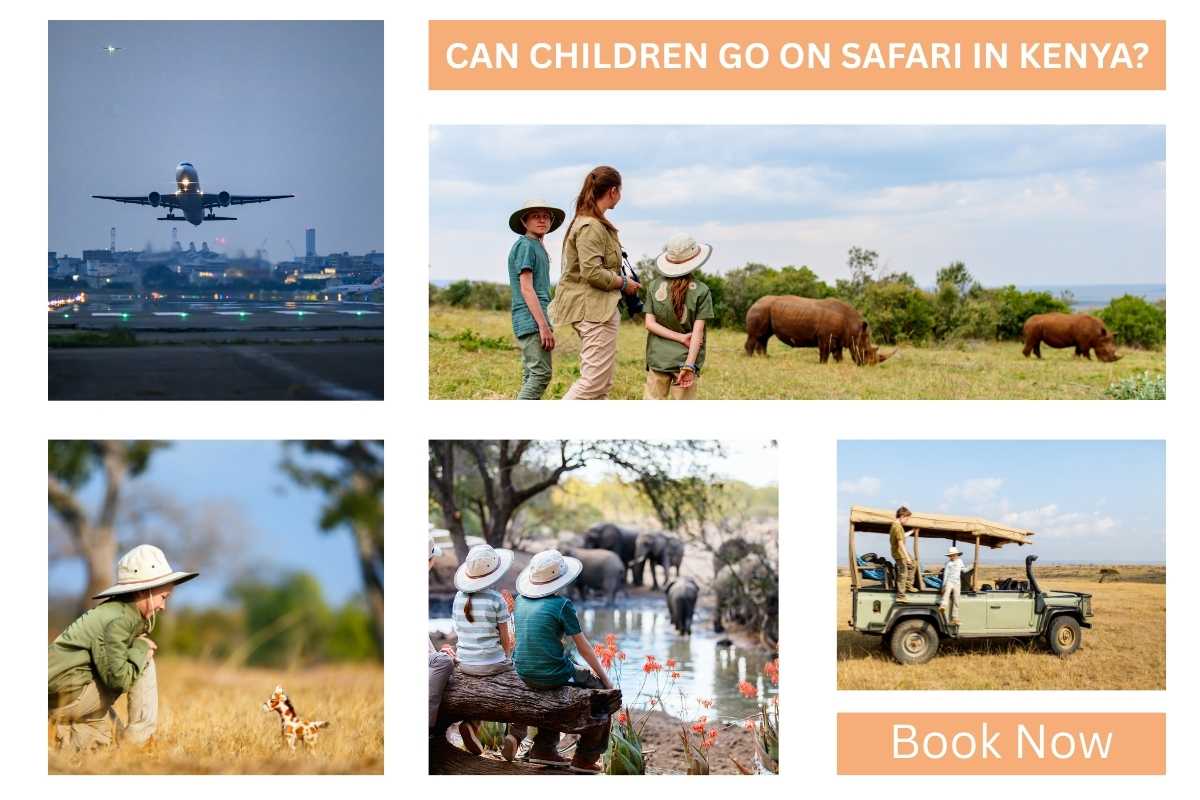
There is no universally perfect age, but different age groups experience safari very differently.
Toddlers and Preschoolers (Ages 0–4)
Safaris with very young children are possible but require careful planning. Parents should expect:
- Shorter game drives
- More breaks during the day
- Lodges with enclosed play areas and child-friendly amenities
While toddlers may not remember the experience later in life, many parents still value the shared family time.
Young Children (Ages 5–8)
This is often considered a sweet spot for family safaris. Children at this age:
- Are curious and eager to learn
- Can follow instructions
- Enjoy spotting animals and asking questions
Lodges with junior ranger programs or nature activities are particularly appealing for this age group.
Older Children and Teenagers (Ages 9–16)
Older children and teens often have the most immersive safari experiences. They can:
- Sit through longer game drives
- Participate in walking safaris (age permitting)
- Engage deeply with conservation topics
For teenagers, safaris can be genuinely transformative, inspiring interest in wildlife, photography, biology, or environmental protection.
Choosing the Right Safari Style for Families
Not all safaris are ideal for children. Choosing the right format makes all the difference.
Private Family Safaris (Highly Recommended)
A private safari means the vehicle, guide, and itinerary are exclusively for your family. This offers:
- Flexible schedules
- The ability to return to camp early if children are tired
- Freedom to stop for snacks, bathroom breaks, or explanations
This is often the best choice for families, even though it may cost more than group tours.
Group Joining Safaris
While more budget-friendly, group safaris can be challenging with children because:
- Schedules are fixed
- Other guests may not want frequent stops
- Long drives can feel restrictive
These are generally better suited to older children who are patient and adaptable.
Family-Friendly Safari Accommodations in Kenya
Accommodation choice is one of the most important factors when traveling with children.
What Makes a Lodge Child-Friendly?
A genuinely family-friendly safari lodge typically offers:
- Spacious family tents or interconnecting rooms
- Flexible meal times and child-friendly menus
- Swimming pools (often fenced)
- On-site activities for children between game drives
Types of Family-Friendly Accommodations
- Safari lodges: Permanent structures with modern comforts, ideal for families seeking stability
- Tented camps: Comfortable and adventurous, often a hit with older children
- Private villas or exclusive-use camps: Excellent for multi-generational families
Parents should always confirm whether tents are fully enclosed and whether there are safety features such as raised walkways or staff escorts.
Health Considerations for Children on Safari
Vaccinations and Medical Prep
Parents should consult a travel clinic well in advance. Common considerations include:
- Routine childhood vaccinations
- Yellow fever (depending on travel route)
- Malaria prevention (age-appropriate options are available)
Food and Water Safety
Reputable lodges maintain high hygiene standards. Parents should:
- Stick to bottled or filtered water
- Inform lodges of dietary requirements
- Carry familiar snacks for younger children
Managing Fatigue and Comfort
Safaris can be tiring. Successful family safaris balance activity with rest, allowing children time to relax between game drives.
Educational and Emotional Benefits of Safari for Children
A safari is far more than a vacation—it is a powerful, immersive learning experience that engages children in ways few other journeys can. Surrounded by vast landscapes and untamed wildlife, young travelers naturally absorb lessons about nature, conservation, and the delicate balance of ecosystems. Other benefits include:
- Firsthand exposure to wildlife and ecosystems
- Understanding of conservation and sustainability
- Cultural awareness through interactions with local communities
Seeing animals in the wild often fosters empathy, patience, and respect for nature—lessons that last a lifetime.
Rules Children Must Follow on Safari
To ensure safety and respect for wildlife, children are expected to follow clear rules, including:
- Staying inside the vehicle unless instructed otherwise
- Keeping voices low during sightings
- Never feeding or touching animals
- Following lodge staff instructions at all times
Most children adapt quickly and enjoy the sense of responsibility.
Combining Safari with Beach Time: A Perfect Balance
Many families choose to combine a safari with a beach holiday in destinations such as Diani Beach or Watamu. This combination allows children to:
- Recover from early mornings
- Enjoy swimming and beach activities
- Balance adventure with relaxation
This safari-and-beach format is one of the most popular family travel options in Kenya.
When a Safari Might Not Be Ideal for Children
Despite its many advantages, a safari may not be suitable if:
- A child struggles with long periods of sitting
- There is difficulty following rules or instructions
- Parents are uncomfortable with remote locations
Honest assessment of your child’s temperament is essential.
Book a Family Safari With Kids: Experience Memorable Family Travel Adventures in Kenya
For most families, the answer is a resounding yes. With the right planning, Kenya offers one of the safest, most enriching, and most memorable family travel experiences in the world. Children are not just welcome on safari—they often thrive. The key lies in choosing the right itinerary, accommodation, and pace. When these elements align, a family safari in Kenya becomes more than a holiday; it becomes a shared story that parents and children carry with them for life.
Frequently Asked Questions (FAQs)
Can toddlers go on safari in Kenya?
Yes, but safaris with toddlers require private arrangements, shorter game drives, and child-friendly lodges.
Are there age limits for safari activities?
Some activities like walking safaris have minimum age limits, usually around 12 years.
Is malaria a big risk for children?
Malaria exists in some regions, but preventive medication, repellents, and proper planning greatly reduce risk.
Will my child get bored on safari?
With the right pacing, engaging guides, and varied activities, most children find safaris exciting rather than boring.
Are safaris educational for children?
Absolutely. Safaris offer real-world learning about wildlife, ecology, and conservation.
Can safaris be customized for families?
Yes. Private family safaris are highly customizable and ideal for traveling with children.
If you are considering a family safari in Kenya, thoughtful planning and professional guidance can make all the difference between a good trip and an extraordinary one.