Africa Big Five: The Ultimate Guide to Big Five Safari Africa
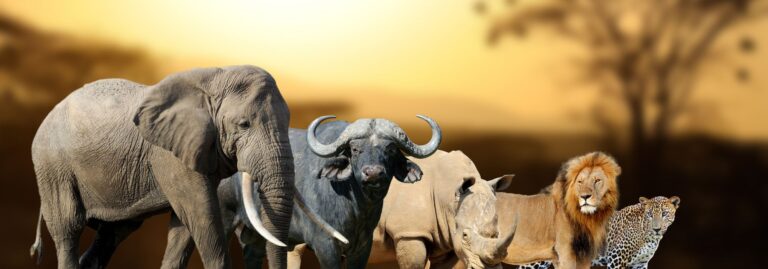
The phrase Africa Big Five instantly evokes images of vast savannahs, dramatic landscapes, and close encounters with some of the most powerful animals on Earth. For decades, the Big Five have symbolized the pinnacle of the African safari experience, drawing travelers from all corners of the globe who dream of witnessing raw nature in its purest form. These animals are not just famous because of their size or appearance; they represent resilience, survival, and the untamed spirit of Africa’s wilderness.
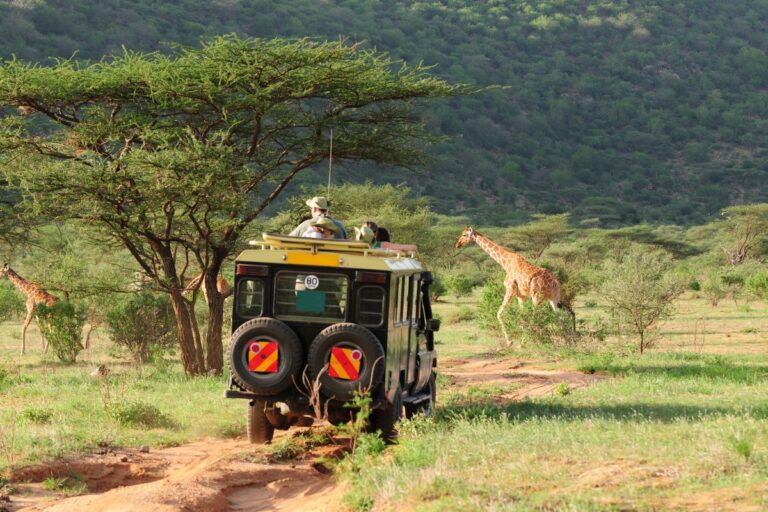
Originally coined by early big-game hunters, the term Big Five referred to the five most difficult animals to hunt on foot. Today, the meaning has evolved dramatically. Modern safaris focus on conservation, photography, and responsible tourism, turning the Big Five into ambassadors of wildlife protection. A big five safari Africa experience is now about appreciation rather than pursuit, offering travelers a chance to connect deeply with nature while supporting local communities and conservation efforts.
Understanding the Concept of the Africa Big Five
Before diving into each animal individually, let’s understand why the Big Five hold such a central place in African safari culture. The term emerged during the colonial hunting era, when hunters ranked animals based on the danger and difficulty involved in hunting them on foot. Over time, as attitudes toward wildlife shifted, the same animals became the most sought-after sightings for wildlife enthusiasts and photographers.
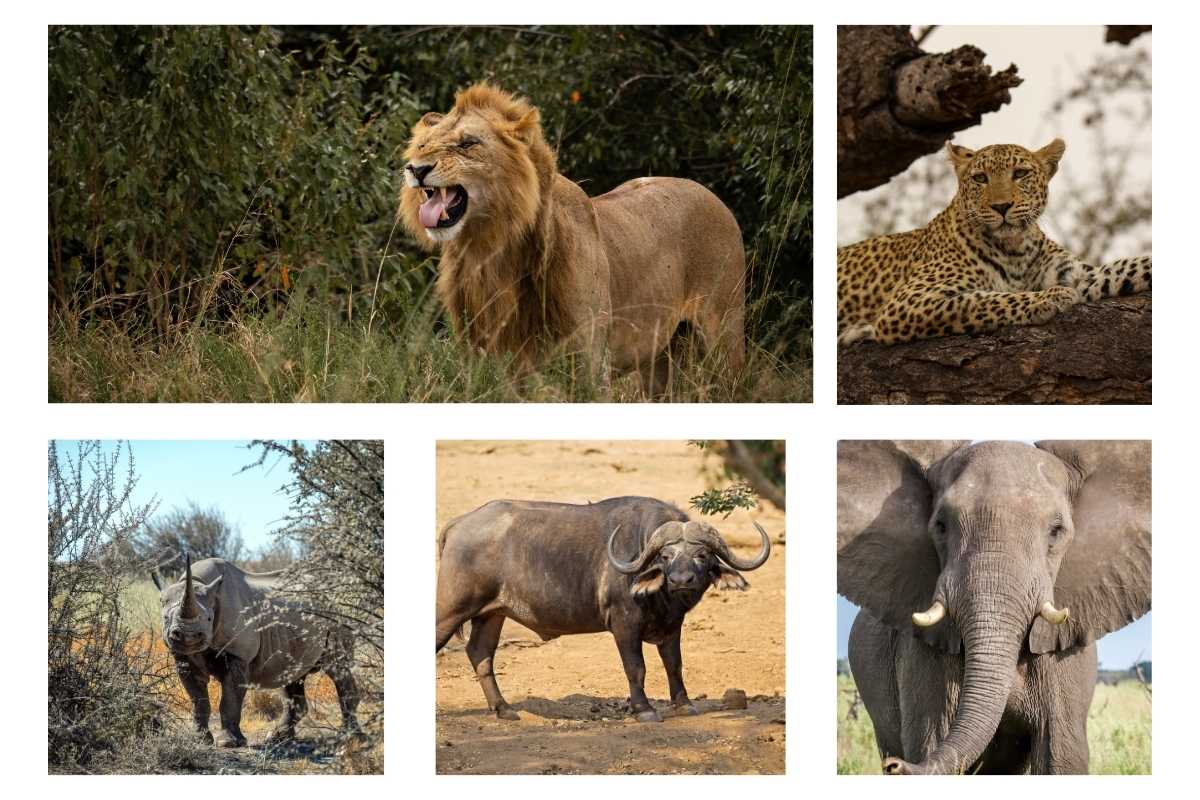
The Big Five concept also gained popularity because these animals collectively represent different ecological roles within their environments. From apex predators to keystone herbivores, each species plays a critical part in maintaining ecosystem balance. Seeing all five on one safari has become a benchmark achievement, often referred to as completing a “Big Five checklist,” though modern safari-goers are encouraged to focus on the overall experience rather than ticking boxes.
Beyond tourism, the Big Five are deeply intertwined with conservation narratives. They are flagship species, meaning their protection helps safeguard entire ecosystems and countless other species that share their habitats. This makes the Big Five not only icons of Africa but also symbols of global conservation efforts.
The African Lion: King of the Savannah
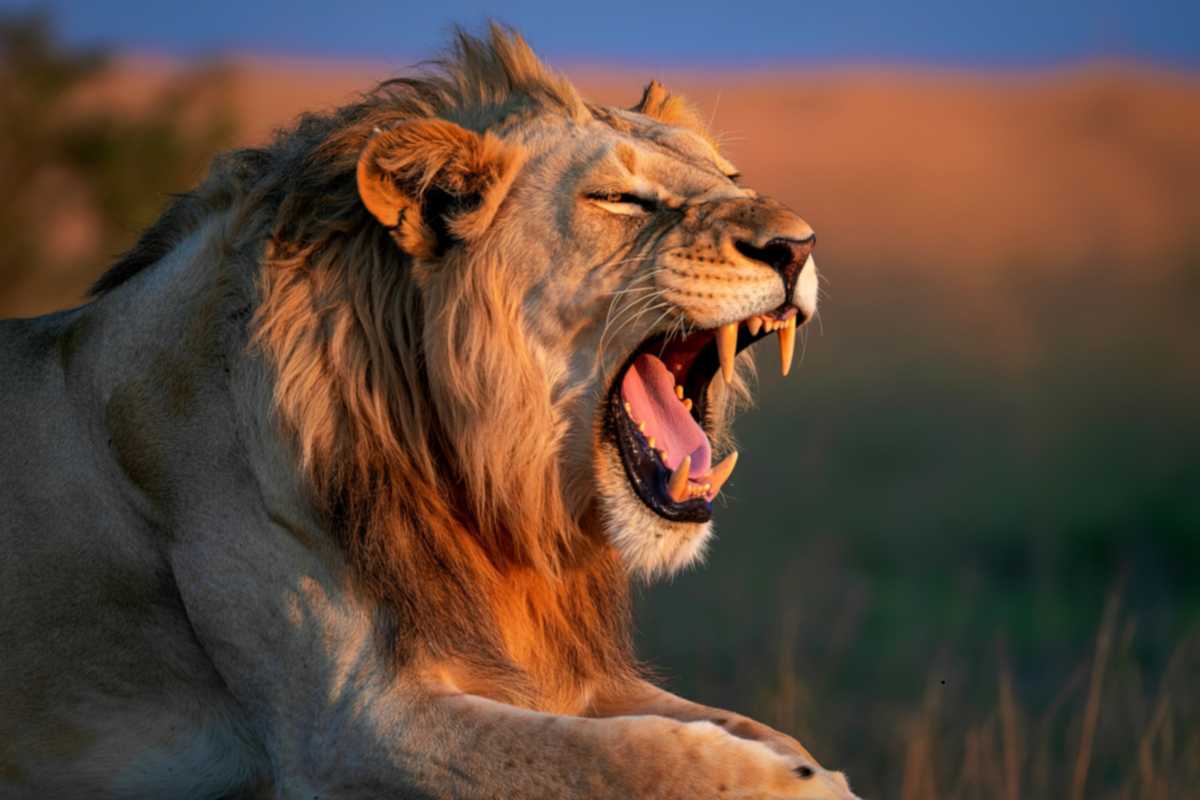
The African lion is perhaps the most recognizable member of the Big Five, often celebrated as the king of the jungle, though it primarily inhabits open savannahs and grasslands. Lions are social animals, living in prides that can consist of related females, their cubs, and a coalition of males. This social structure sets them apart from other big cats and adds a fascinating dynamic to observing them in the wild.
Lions play a vital role as apex predators, regulating herbivore populations and maintaining balance within their ecosystems. Their presence influences the behavior and distribution of other animals, creating what ecologists call a “landscape of fear,” which ultimately supports biodiversity. Despite their powerful image, lions face significant threats from habitat loss, human-wildlife conflict, and declining prey numbers.
When observing lions on safari, travelers often witness moments of rest rather than action, as lions spend much of their day conserving energy. However, these quiet moments are just as meaningful, offering insight into pride dynamics, social bonding, and the subtle behaviors that define lion society. A big five safari Africa experience is rarely complete without the thrill of seeing a lion in its natural domain.
The African Elephant: Gentle Giant of the Wild
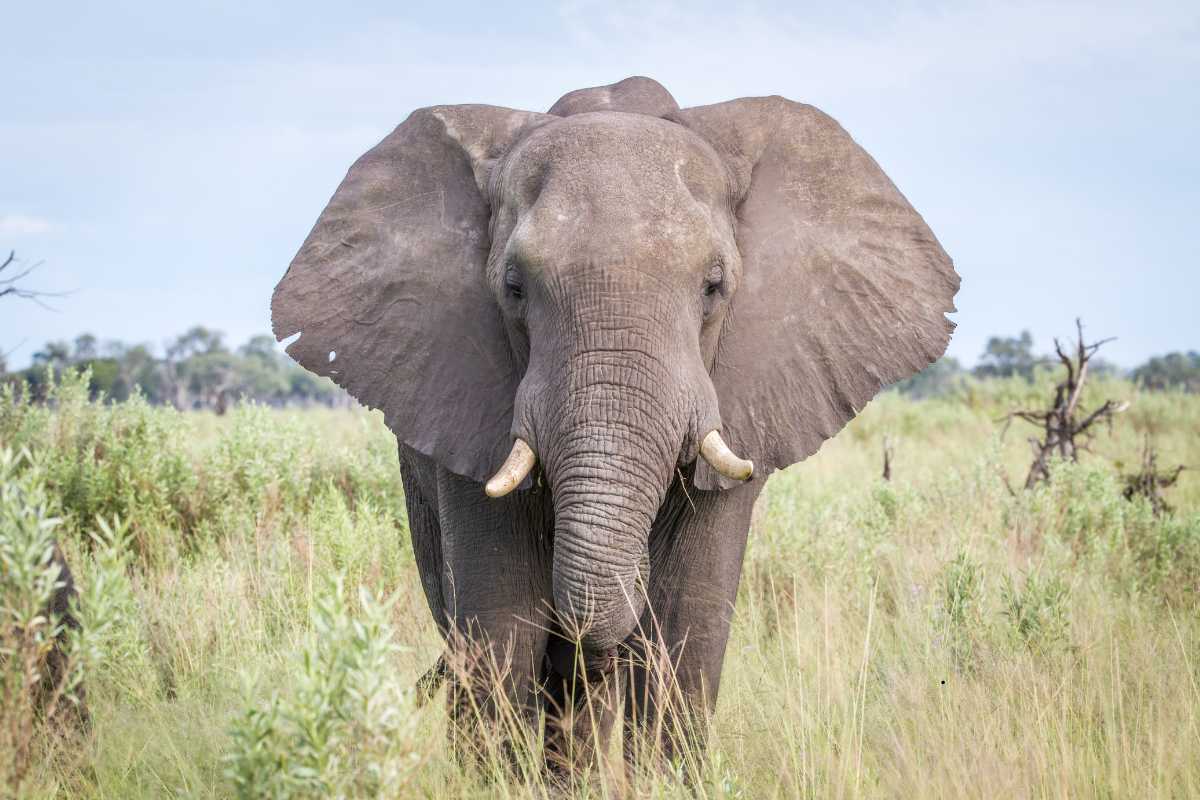
African elephants are the largest land mammals on Earth, commanding attention not only because of their size but also because of their intelligence and emotional complexity. They live in matriarchal family groups led by the oldest and often wisest female, whose knowledge of water sources and migration routes is essential for the group’s survival. Watching elephants interact reveals a depth of social connection rarely seen in other species.
Elephants are keystone species, meaning their behavior significantly shapes their environment. By uprooting trees, dispersing seeds, and creating water access points, they actively engineer the landscapes they inhabit. These actions benefit countless other species, from birds to smaller mammals, making elephants critical to ecosystem health.
Despite their importance, elephants face severe threats from poaching and habitat fragmentation. Conservation initiatives across Africa focus heavily on elephant protection, anti-poaching measures, and community-based conservation. Seeing elephants in the wild often leaves a lasting impression on safari travelers, fostering a deeper appreciation for wildlife protection and responsible tourism.
The African Leopard: Master of Stealth and Adaptability
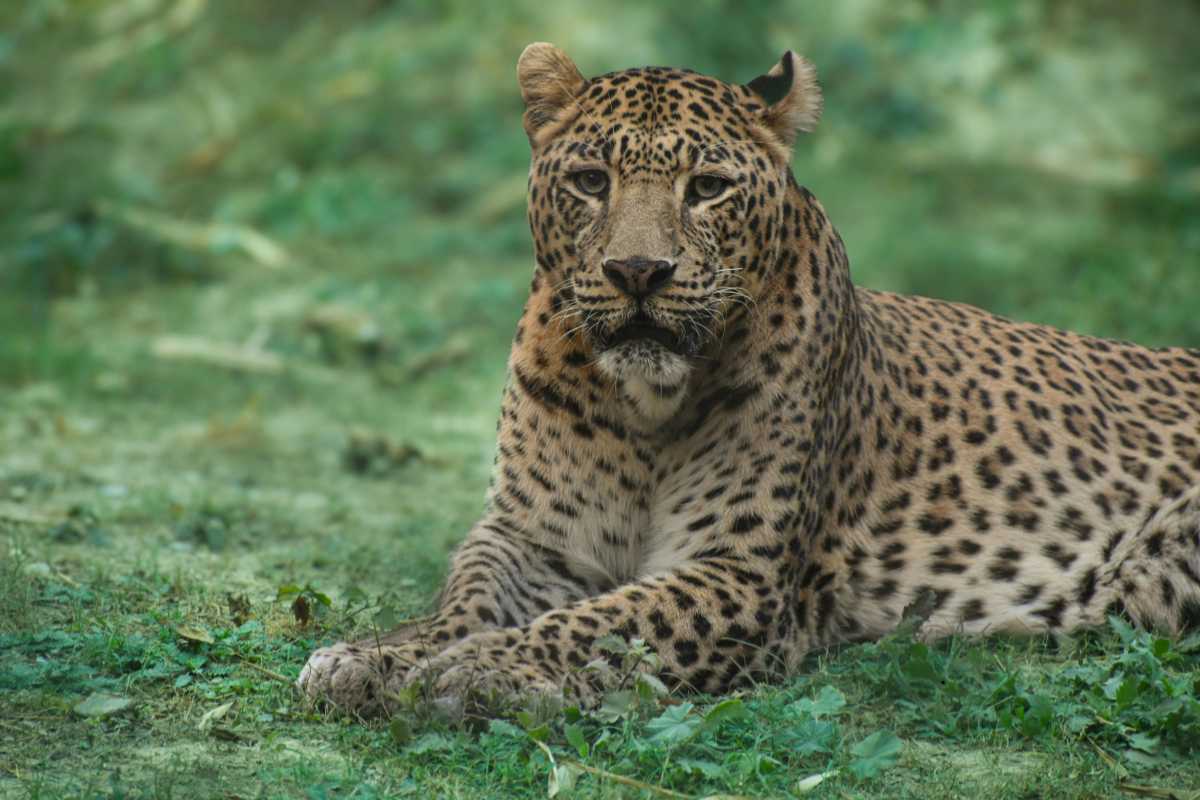
The African leopard is the most elusive member of the Big Five, known for its solitary nature and exceptional adaptability. Leopards inhabit a wide range of environments, from dense forests and mountainous regions to open savannahs. Their spotted coats provide perfect camouflage, allowing them to blend seamlessly into their surroundings.
As opportunistic predators, leopards have a remarkably diverse diet, preying on everything from small rodents to medium-sized antelope. This adaptability has helped them survive in areas where other large predators struggle. However, their secretive behavior makes sightings particularly special and rewarding for safari-goers.
Leopards are also renowned for their strength, often hauling prey into trees to protect it from scavengers like hyenas and lions. Observing this behavior offers insight into the constant competition and survival strategies that define life in the wild. For many travelers, spotting a leopard is a highlight that adds a sense of mystery and excitement to the safari experience.
The African Rhinoceros: Symbol of Conservation Urgency
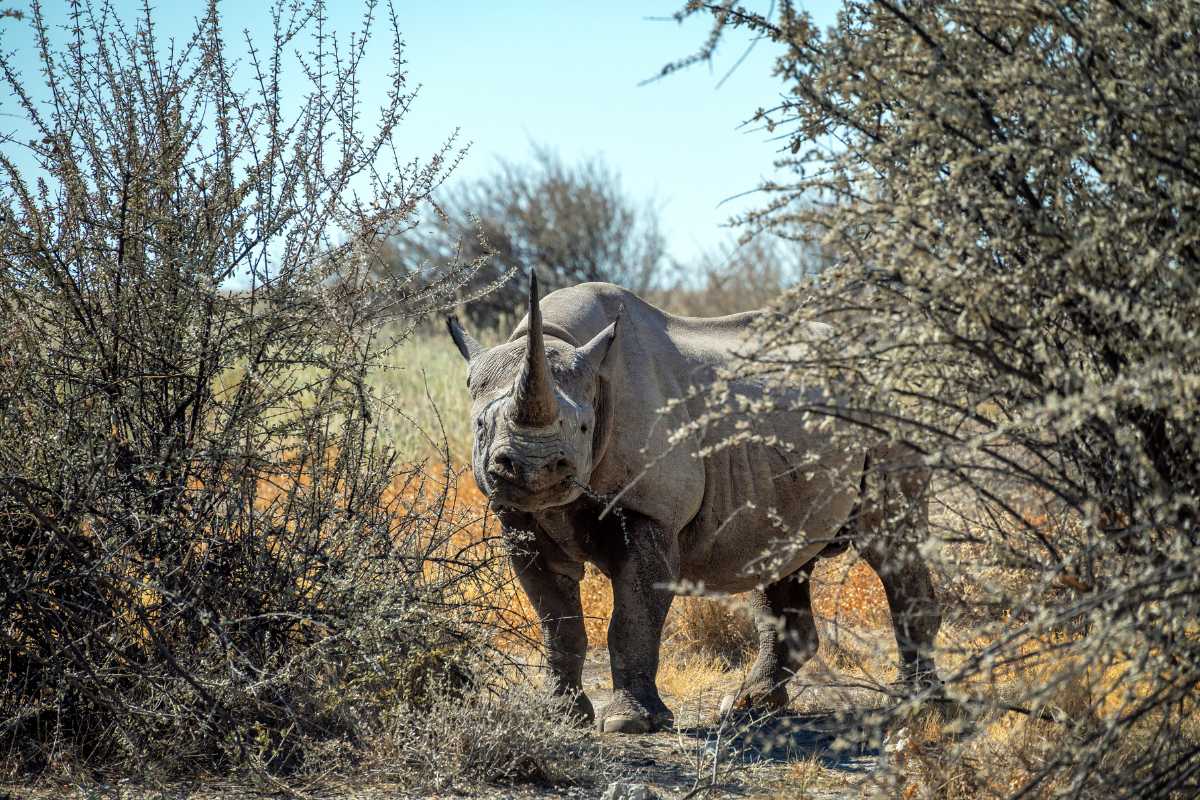
African rhinos, both black and white species, are among the most endangered members of the Big Five. Their prehistoric appearance and solitary demeanor make them a powerful symbol of Africa’s ancient wildlife heritage. Rhinos are primarily grazers or browsers, depending on the species, and play a role in shaping vegetation patterns.
The biggest threat to rhinos is poaching, driven by illegal demand for their horns. As a result, rhino conservation has become one of the most urgent wildlife protection challenges in Africa. Intensive security measures, protected sanctuaries, and international awareness campaigns are all part of ongoing efforts to prevent their extinction.
Encountering a rhino in the wild is a profoundly moving experience, often accompanied by a sense of privilege and responsibility. Many safari destinations highlight rhino conservation stories, helping visitors understand the complex relationship between wildlife protection, local livelihoods, and global demand.
The African Buffalo: The Unpredictable Powerhouse
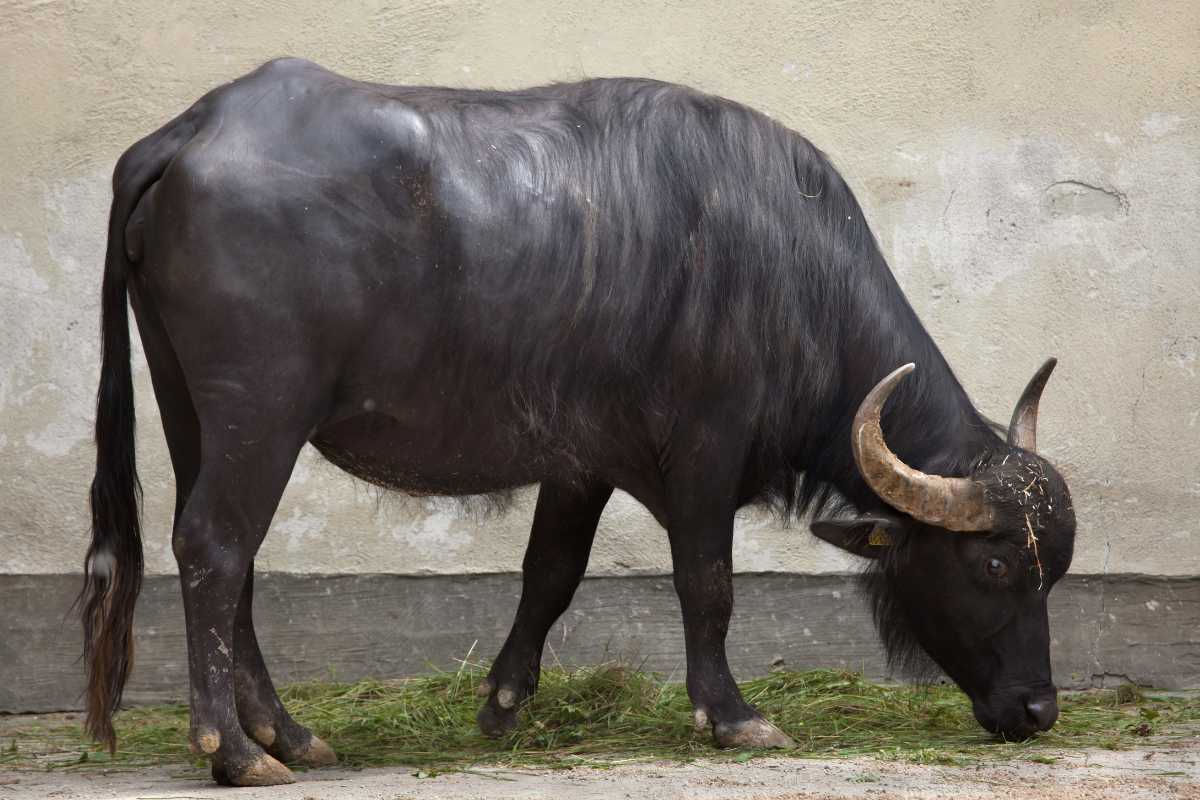
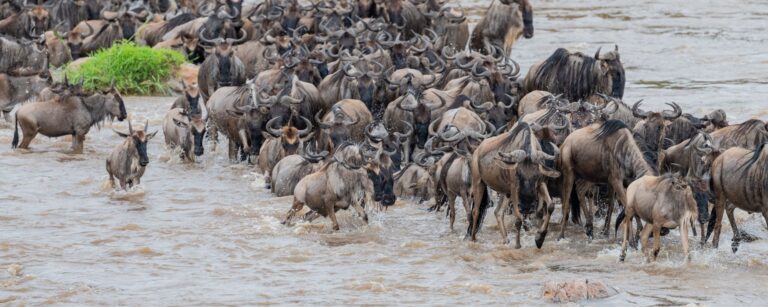
The African buffalo may not have the same visual glamour as lions or leopards, but it is widely regarded as one of the most dangerous animals in Africa. Known for their unpredictable nature and strong herd mentality, buffaloes are formidable and resilient. They often move in large groups, providing protection against predators through sheer numbers.
Buffaloes are essential grazers, influencing grassland composition and supporting other herbivores by maintaining open habitats. Their presence attracts predators, contributing to dynamic predator-prey interactions that define the African savannah. Unlike domesticated cattle, African buffaloes are resistant to many diseases, making them uniquely adapted to wild environments.
Observing a buffalo herd on safari offers insight into cooperation, vigilance, and survival in numbers. Their intense stares and solid build leave a lasting impression, reminding travelers that danger and beauty often coexist in the wild.
Best Destinations for a Big Five Safari in Africa
Choosing the right destination is important for maximizing your chances of seeing the Big Five. Africa offers numerous iconic safari regions, each with unique landscapes, wildlife densities, and cultural experiences. From East Africa’s rolling plains to Southern Africa’s vast wetlands, the diversity of safari destinations ensures that no two experiences are the same.
Kenya and Tanzania are particularly famous for their Big Five populations, with national parks and reserves that have been protected for generations. Southern African countries such as South Africa, Botswana, and Zambia also offer exceptional Big Five viewing, often with a focus on luxury lodges and private conservancies.
When selecting a destination, factors such as travel season, accommodation style, and conservation philosophy should all be considered. A well-planned big five safari Africa journey balances wildlife sightings with ethical tourism practices, ensuring long-term benefits for both nature and local communities.
Conservation and the Future of the Africa Big Five
The future of the Africa Big Five depends heavily on effective conservation strategies and responsible tourism. Climate change, population growth, and land-use changes continue to put pressure on wildlife habitats. However, successful conservation stories across the continent demonstrate that positive change is possible.
Community-based conservation initiatives have proven particularly effective, empowering local people to benefit directly from wildlife tourism. When communities see tangible value in protecting wildlife, conflicts decrease and conservation outcomes improve. Safari tourism plays a vital role in funding these initiatives through park fees, employment, and community projects.
As travelers, choosing ethical operators and conservation-focused destinations can make a meaningful difference. Experiencing the Big Five responsibly ensures that future generations will continue to marvel at these iconic animals in the wild.
Book Big Five Safari Africa With Sparwild African Tours & Safaris: Connect With Nature Today
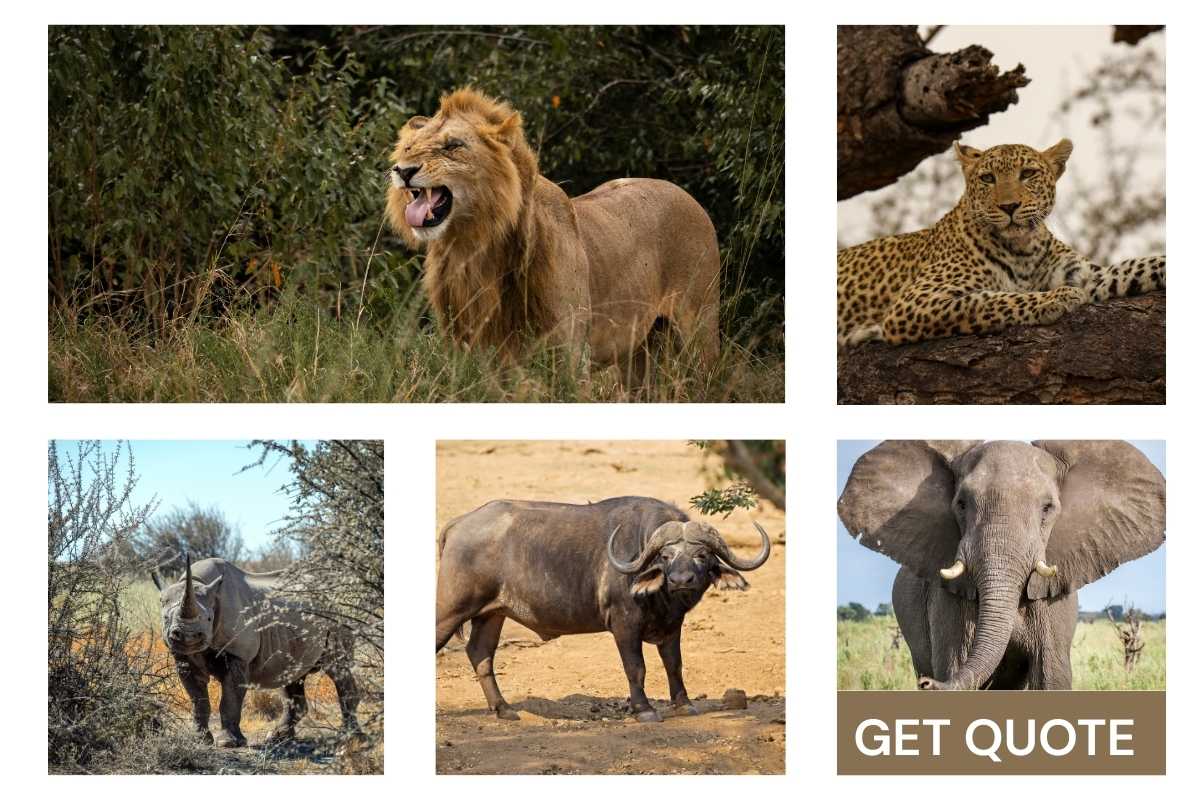
The Africa Big Five represent far more than a list of animals to be seen on safari. They embody the richness, complexity, and resilience of Africa’s natural heritage. Each species tells a story of adaptation, survival, and interdependence within fragile ecosystems. A safari centered on the Big Five is ultimately a journey of connection — to nature, to conservation, and to the cultures that coexist with wildlife. Whether it is your first safari or one of many, encountering the Big Five leaves an indelible mark, inspiring respect and responsibility for the wild places that make Africa truly extraordinary. Book your African Big five safari now.