Mount Kenya Climbing Safari Packages: 2026 Complete Guide

7-day Mount Kenya Climbing Safari

Have you ever faced a peak that tests every step, every breath, every ounce of endurance? The ascent challenges your stamina, sharpens your focus, and rewards grit with panoramic vistas, alpine beauty, and summit triumph. Embrace the expedition, navigate rugged ridges, shifting terrain, and feel the exhilaration of conquering what once felt beyond reach.

Mount Kenya Climbing Safari

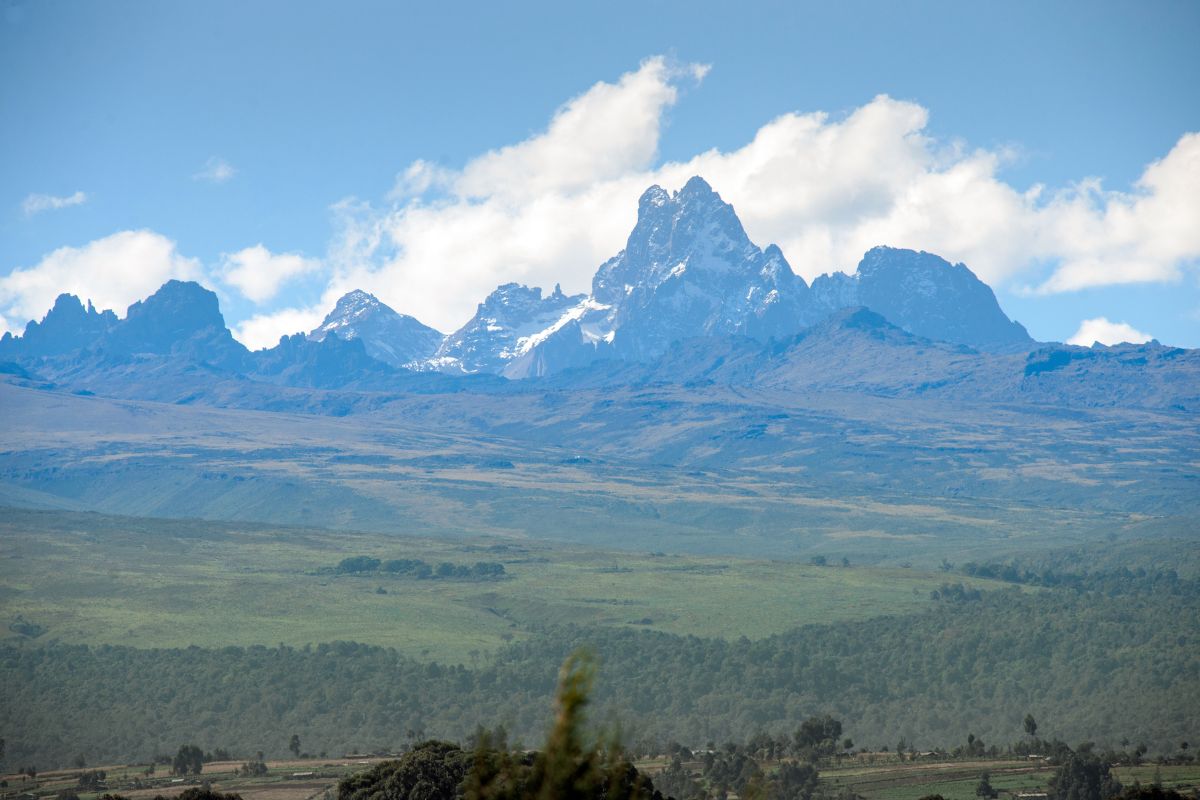
At the heart of Africa, in Kenya, rises a majestic peak that draws adventurers and nature lovers alike. Mount Kenya is more than Africa’s second-highest mountain; it is a trekking and safari destination where glacial valleys, alpine moorlands, and forests blend to create a truly unique climbing experience. Each trail tests endurance while rewarding trekkers with breathtaking vistas, highland wildlife, and the thrill of exploring untouched landscapes.

Carefully designed Mount Kenya Climbing Safari Packages guide adventurers through multi-day climbs with expert support, acclimatization, and immersive encounters with nature and local culture. Every expedition promises challenge, discovery, and memories that last a lifetime.

Where is Mount Kenya Located?

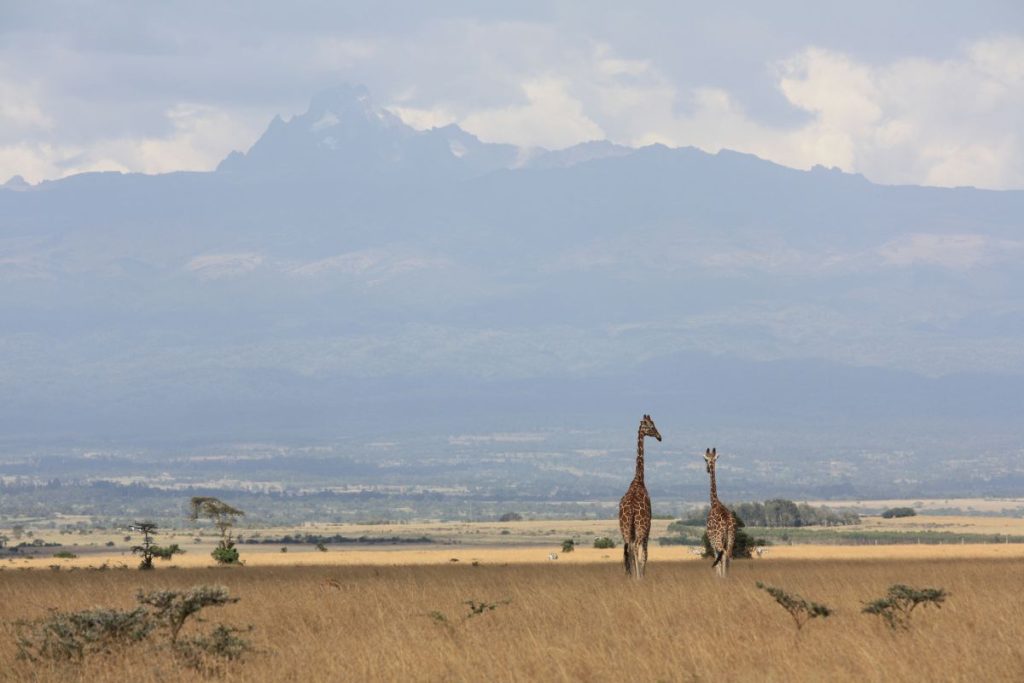
Mount Kenya, Africa’s second-highest peak, is located in central Kenya within Meru, Laikipia, and Nyeri counties. Part of the Eastern Rift highlands, it spans diverse ecosystems from dense montane forests at the lower slopes to alpine moorlands and glacial valleys near the peaks. Key nearby towns such as Nanyuki, Nyeri, and Nairobi serve as primary access points for climbers and safari travelers.

The mountain and its surrounding areas are protected and managed by the Kenya Wildlife Service (KWS), ensuring conservation of flora, fauna, and cultural heritage. For those planning a structured ascent, Mount Kenya Climbing Safari Packages provide guided treks, camping, and route planning from these entry points. Maps included in the packages highlight major trekking gates—Naro Moru, Sirimon, Chogoria, and Burguret—helping adventurers choose routes matching their fitness, experience, and desired challenge.

Mount Kenya National Park: Heritage, History, and Conservation

Mount Kenya National Park, established in 1949, protects the mountain’s extraordinary ecosystems, diverse wildlife, and critical water catchment areas. Spanning 715 km² (276 sq mi), with an adjacent forest reserve of 705 km², the combined 1,420 km² (550 sq mi) UNESCO World Heritage Site is celebrated for its stunning natural beauty, rich biodiversity, and ecological importance—making it a must-visit destination for adventurers and nature enthusiasts.

Originally designated a forest reserve, the park became a UNESCO Biosphere Reserve in 1978 and was formally inscribed as a World Heritage Site in 1997. Its creation reflects a deliberate vision to protect one of Africa’s most iconic mountains while balancing conservation, tourism, and community benefits.

The Park’s Key Purposes Include:

  • Tourism Development: Boosts local and national tourism revenue.

  • Conservation: Protects rare species and fragile ecosystems.

  • Water Catchment: Secures vital rivers and wetlands.

  • Scenic Preservation: Preserves iconic mountain landscapes.

Managed by the Kenya Wildlife Service (KWS), Mount Kenya National Park ensures that every climbing, camping, or trekking experience is safe, sustainable, and immersive. For travelers exploring Mount Kenya Climbing Safari Packages, this protected status adds depth and meaning: adventurers not only conquer peaks but also engage responsibly with a living ecosystem, supporting conservation and eco-tourism initiatives.

7-day Mount Kenya Climbing Safari

How High is Mount Kenya?

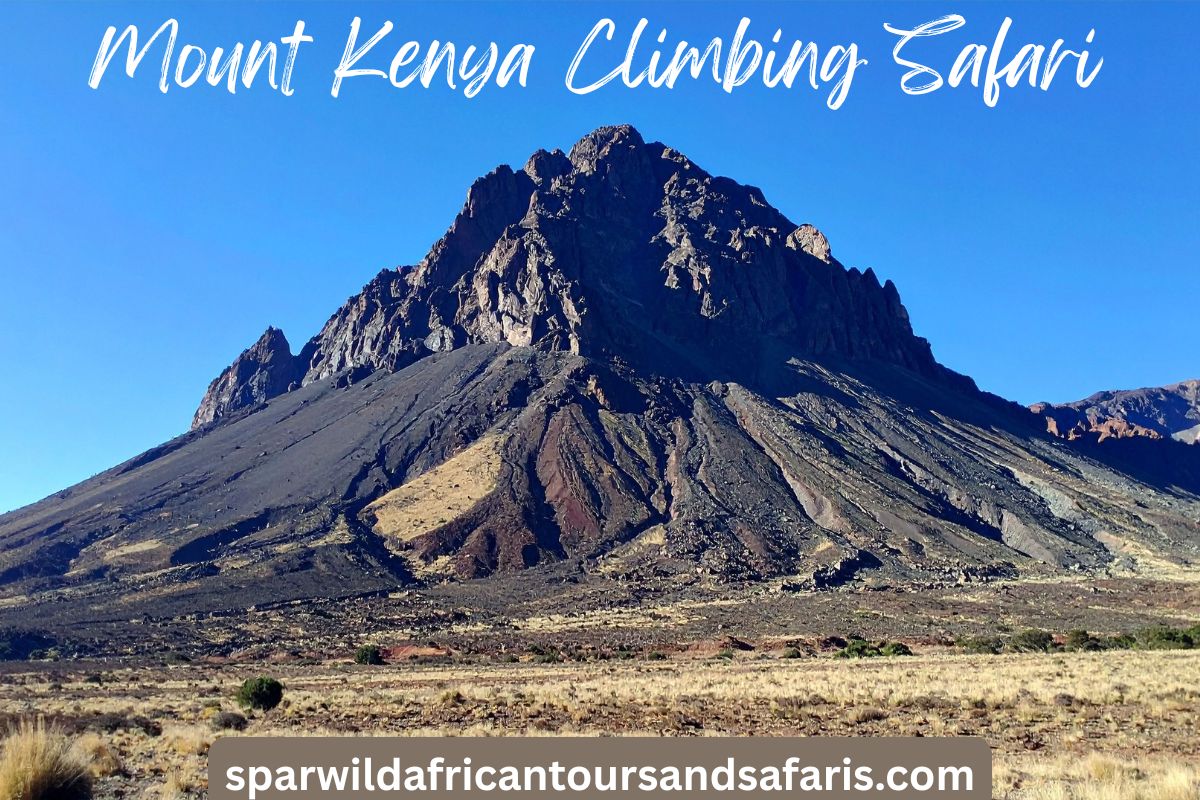
Mount Kenya reaches an impressive 5,199 meters (17,057 feet) above sea level, making it the second-highest mountain in Africa after Kilimanjaro. Its towering presence dominates the central Kenyan landscape, offering climbers and adventurers a variety of ecosystems to explore—from lush montane forests at lower elevations to alpine moorlands, glacial valleys, and rugged peaks at higher altitudes. Understanding the height and characteristics of Mount Kenya’s peaks is essential for anyone planning an expedition, ensuring proper acclimatization, route selection, and a safe, fulfilling adventure.

Major Peaks of Mount Kenya

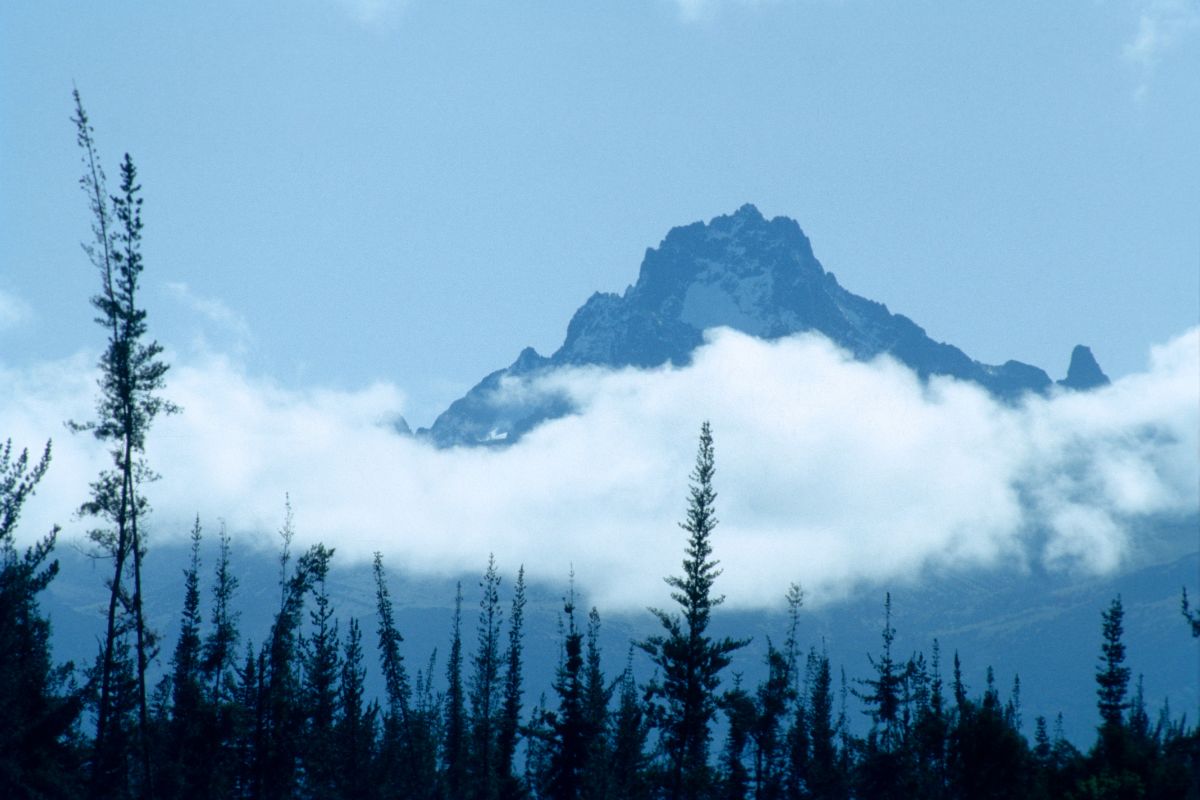
Climbers embarking on the Major Peaks of Mount Kenya face an unforgettable journey through rugged ridges, glacial valleys, and alpine moorlands. Mount Kenya Climbing Safari Packages provide expertly guided routes, staged acclimatization, and local insights, ensuring trekkers experience each peak safely while fully immersing in the mountain’s breathtaking landscapes and unique highland ecosystems.

Peak NameElevation (meters)Elevation (feet)Climbing DifficultyNotes & Features
Point Lenana4,98516,355ModerateTrekker-accessible; most popular summit for guided expeditions; perfect for sunrise photography and alpine scenery.
Nelion5,18817,021AdvancedSecond-highest peak; rope-assisted climbs needed; offers dramatic ridges, glaciers, and high-altitude landscapes.
Batian5,19917,057AdvancedHighest peak; technical rock climbing required; panoramic alpine views; challenging routes for experienced mountaineers.

Each peak offers unique experiences and challenges. Batian and Nelion are suited for climbers with technical expertise, while Point Lenana allows trekkers of moderate fitness to enjoy a rewarding summit experience. Proper acclimatization and route selection, often included in Mount Kenya Climbing Safari Packages, are critical to safely navigating these elevations and making the most of the mountain’s breathtaking vistas.

This detailed overview equips climbers, trekkers, and adventure travelers with the knowledge needed to plan a successful Mount Kenya expedition, understand the relative difficulty of each peak, and select the right package for their experience and fitness level.

What Type of Volcano is Mt. Kenya?

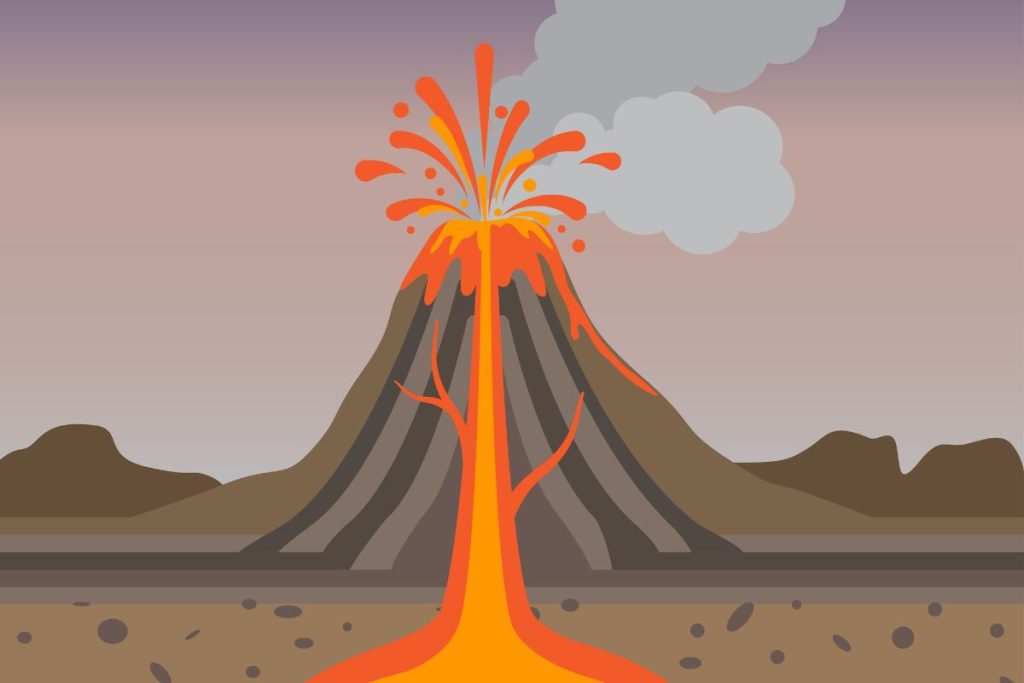
Mount Kenya, a stratovolcano, isn’t just a mountain—it’s a proving ground for climbers seeking both challenge and reward. Its towering peaks, glacial valleys, and rugged ridges create natural obstacles that test stamina, focus, and technical skill, making every step a memorable part of your expedition.

The volcanic features—eroded craters, moraine ridges, and alpine glaciers—aren’t just scenery; they define the routes that climbers navigate, shaping the intensity and excitement of the trek. Each feature provides opportunities for adventure photography, route planning, and personal achievement, turning the climb into a deeply immersive alpine experience.

Mount Kenya Climbing Safari Packages

Volcanic Features That Shape Mount Kenya Trek

Experienced guides help trekkers interpret the terrain, manage safe ascents, and ensure that each stage—from forested lower slopes to high alpine ridges—is both exhilarating and achievable. Understanding how Mount Kenya’s volcanic formations shape the climb allows adventurers to fully appreciate the thrill of conquering one of Africa’s most iconic peaks.

  • Stratovolcano – The mountain’s layered volcanic structure creates diverse terrain that challenges endurance and technical climbing skills, offering a truly engaging ascent.

  • Glacial Valleys – These scenic corridors provide natural trekking routes for acclimatization, exploration, and photography, allowing climbers to immerse themselves in breathtaking highland landscapes.

  • Rocky Ridges – Sharp ridges and cliffs form natural pathways with panoramic viewpoints, testing balance, stamina, and route navigation while rewarding trekkers with unforgettable vistas.

  • Eroded Craters – Unique formations along the trails serve as natural landmarks, creating memorable climbing milestones and enhancing the sense of adventure.

  • Alpine Glaciers – High-altitude glaciers present climbers with physical challenges and the reward of awe-inspiring vistas, elevating the sense of achievement at every step.

  • Volcanic Soil Zones – Fertile and varied soils support diverse vegetation, enriching the trekking experience and connecting climbers intimately with the mountain’s ecosystem.

Exploring these volcanic features offers adventurers a deep connection to the landscape, combining physical challenge with geological wonder. Those seeking structured guidance can enhance the experience with Mount Kenya Climbing Safari Packages, which provide expert support through the mountain’s varied terrains.

Mount Kenya Climbing Safari Packages

Mount Kenya Climbing Routes

Navigating Mount Kenya requires choosing the path that best suits your fitness, trekking style, and adventure goals. Each route offers a unique combination of terrain, scenery, and challenges—from shaded forests and alpine moorlands to glacial ridges and rugged peaks. Understanding the differences between Sirimon, Naro Moru, Chogoria, and Teleki/Mackinder routes allows climbers to plan a safe, exhilarating, and fully immersive expedition that matches their ambitions and maximizes the mountain experience.

1. Mount Kenya Climbing Sirimon Route

The Sirimon Route approaches Mount Kenya from the northwest and is renowned for its gradual, steady ascent, making it ideal for acclimatization. Trekkers traverse dense forests at lower elevations before moving through moorlands and alpine ridges. This route balances challenge and accessibility, providing panoramic views of the northern slopes and an opportunity to spot highland wildlife such as hyraxes and rare birds. The trail is well-marked and supported by camps like Sirimon Gate and Old Moses, offering a structured yet immersive climbing experience.

  • Difficulty: Moderate, suitable for most fit trekkers

  • Scenery Highlights: Forests, moorlands, alpine ridges, glacial valleys

  • Duration: Typically 5–7 days depending on acclimatization stops

2. Mount Kenya Climbing Naro Moru Route

The Naro Moru Route is Mount Kenya’s classic western approach, known for its steeper slopes and faster pace. Starting from Naro Moru town, the route moves through bamboo forests, moorlands, and rocky ridges before reaching the alpine zone. The path includes the famous “Vertical Bog,” which requires careful navigation but rewards climbers with exceptional views of the western peaks. This route is ideal for travelers seeking a challenging, time-efficient ascent while still enjoying the mountain’s diverse ecosystems.

  • Difficulty: High, best for climbers with good physical fitness

  • Scenery Highlights: Bamboo forests, alpine ridges, glacial landscapes

  • Duration: 4–6 days for standard itineraries

3. Mount Kenya Climbing Chogoria Route

The Chogoria Route is the eastern approach, prized for its dramatic scenery and longer trek. It passes through forests, waterfalls, and the Gorges Valley before climbing to alpine meadows and glacial ridges. This route offers a more remote and scenic experience, including hidden alpine lakes and varied flora. Although physically longer, the trail’s visual rewards make it highly appealing for photographers and nature enthusiasts. Camps like Meru Mount Kenya Lodge and Lake Michaelson provide comfortable stops along the way.

  • Difficulty: Moderate to high, longer distance requires endurance

  • Scenery Highlights: Waterfalls, gorges, alpine lakes, wildlife sightings

  • Duration: 6–8 days depending on pace

4. Mount Kenya Climbing Teleki / Mackinder Route

The Teleki / Mackinder Route is the northern and least frequented path, often used for circuit treks that combine other routes. It is remote, challenging, and offers a wilderness experience unlike any other, with fewer climbers and untouched landscapes. Trekkers traverse valleys, ridges, and glacial slopes, experiencing the full grandeur of Mount Kenya’s northern face. Guides are essential here to ensure safety and proper navigation.

  • Difficulty: Very high, recommended for experienced trekkers

  • Scenery Highlights: Remote alpine ridges, glacial valleys, pristine highlands

  • Duration: 7–9 days for full circuit treks

Comparison of Mount Kenya Climbing Routes

RouteDifficultyDurationDistanceKey Scenery & Highlights
Sirimon RouteModerate5–7 days~50 km-Dense Forests With Indigenous Trees And Birdlife
-Rolling Moorlands Perfect For Acclimatization
-Alpine Ridges Offering Panoramic Views
-Glacial Valleys With Small Alpine Lakes
-Frequent Wildlife Encounters Including Hyraxes And Antelopes.
Naro Moru RouteHigh4–6 days~50 km-Steep Western Approach Testing Endurance
-Bamboo Forests And Highland Moorlands
-Vertical Bogs Providing Unique Trekking Challenges
-Alpine Ridges And Cliffs With Breathtaking Vistas
-Fast-Paced Route Ideal For Experienced Climbers.
Chogoria RouteModerate–High6–8 days~65 km-Eastern Scenic Path With Lush Waterfalls
-Gorges Valley With Dramatic Cliffs
-Alpine Lakes And Glacier Remnants
-Less Crowded Route Ideal For Photography
-Rich Biodiversity Including Endemic Plants And Birds.
Teleki / Mackinder RouteVery High7–9 days~70 km-Remote Northern Route For Circuit Treks
-Rugged Ridges And Expansive Glacial Valleys
-Minimal Human Traffic In Pristine Wilderness
-High-Altitude Challenges For Advanced Climbers
-Stunning Views Of All Main Peaks Along The Circuit.

Duration, Difficulty & Fitness Requirements for Mount Kenya Climbing Safaris

Embarking on a Mount Kenya Climbing Safari is more than a trek—it is a carefully orchestrated expedition that challenges both body and mind. Success requires not only physical preparedness but also knowledge of route difficulty, duration, and altitude adaptation. Whether you are a first-time climber or an experienced mountaineer, understanding these factors is essential to fully enjoy the mountain’s dramatic landscapes, from dense indigenous forests to alpine moorlands and glacial ridges. A structured approach ensures safety, maximizes enjoyment, and allows climbers to immerse themselves in the adventure offered by Africa’s second-highest peak.

Typical Mount Kenya Climbing Durations by Route

Choosing the right route is critical, as it determines both the climbing experience and the time commitment:

  • Sirimon Route: 5–7 days. This gradual northwest approach provides excellent acclimatization and is ideal for novice climbers seeking a steady, scenic ascent.

  • Chogoria Route: 6–7 days. A longer, eastern scenic route, rich with waterfalls, alpine lakes, and panoramic ridges, perfect for travelers prioritizing natural beauty.

  • Naro Moru Route: 4–5 days. A western classic route featuring steeper inclines and fast-paced climbs, suited for experienced trekkers seeking a more challenging expedition.

  • Teleki/Mackinder Route: 6–8 days. A remote northern circuit that offers pristine wilderness, minimal crowds, and advanced high-altitude trekking for seasoned climbers.

These durations form the backbone of structured Mount Kenya Climbing Safari Packages, allowing travelers to plan their adventure without compromising safety or the quality of the experience.

Fitness Requirements for Mount Kenya Climbers

Successfully completing a Mount Kenya climb requires a balance of endurance, strength, and stamina. Key fitness components include:

  • Cardiovascular Endurance: Sustained uphill trekking at varying altitudes demands strong heart and lung capacity.

  • Leg Strength: Navigating rocky and uneven terrain requires powerful and resilient leg muscles.

  • Stamina: Multi-day climbs necessitate the ability to maintain consistent energy and focus over long periods.

  • Mental Resilience: A determined mindset is essential for overcoming challenging sections and unpredictable conditions.

While gentler routes like Sirimon accommodate beginners, more advanced routes such as Naro Moru and Teleki/Mackinder test both physical and mental strength, providing a sense of accomplishment for seasoned trekkers.

Acclimatization Strategies for a Safe Ascent

Altitude adaptation is critical to prevent illness and optimize performance. Recommended strategies include:

  • Gradual Ascents: Structured rest points along the route allow the body to adjust to decreasing oxygen levels.

  • Hydration and Nutrition: Drink plenty of water and consume light, energy-rich meals to sustain stamina.

  • Monitoring Symptoms: Early recognition of altitude sickness signs—headache, nausea, fatigue—can prevent serious complications.

Professional guides included in Mount Kenya Climbing Safari Packages design itineraries that incorporate staged ascents and targeted acclimatization strategies, balancing safety with adventure.

Common Challenges and Safety Measures

Climbers encounter natural obstacles and environmental challenges, which include:

  • Rapid Weather Changes: Sudden cold, rain, or frost at higher altitudes requires preparedness with layered clothing and protective gear.

  • Steep and Rocky Terrain: Uneven paths, ridges, and slippery surfaces demand focus, balance, and sturdy equipment.

  • Navigation in Remote Areas: Less-traveled sections require guidance to ensure correct route finding and safety.

Experienced guides mitigate these challenges by offering route navigation, first aid support, altitude monitoring, and expert advice. This support allows travelers to concentrate on the adventure, natural beauty, and personal achievement of summiting one of Africa’s most iconic peaks.

Wildlife & Natural Highlights on Mount Kenya Climbing Safaris

A Mount Kenya Climbing Safari is more than a physical adventure—it is a journey into one of Africa’s most ecologically diverse landscapes. As trekkers ascend from the lower forested slopes to the high alpine ridges, they encounter distinct flora and fauna at every altitude, creating a truly immersive nature experience. The mountain’s unique volcanic topography, coupled with varied climatic zones, makes every stage of the climb visually striking and ecologically significant.

7-day Mount Kenya Climbing Safari

Flora Across Altitude Zones

Lower Forests: The base of Mount Kenya is enveloped in dense indigenous forests of cedar, camphor, olive, and podo trees. These forests provide a habitat for vibrant birdlife, including hornbills and turacos, while the understory teems with endemic shrubs and ferns. The forested sections also offer shaded trekking routes, ideal for gradual acclimatization.

Mid-Moorlands: As climbers ascend, the landscape opens into vast moorlands dotted with giant lobelias, groundsels, and heather. This zone provides a surreal, almost otherworldly scenery, perfect for photography and quiet contemplation. Rolling grasslands are interspersed with bogs and streams, offering both visual and physical variety along the trekking path.

Mount Kenya Climbing Safari Packages

Alpine Zones: Near the summit, vegetation becomes sparse, dominated by hardy shrubs, tussocks, mosses, and lichens. These plants have adapted to extreme cold, strong winds, and thin soils on volcanic ridges. The stark beauty of the alpine landscape highlights the mountain’s high-altitude environment, creating dramatic vistas that reward every step.

Unique Wildlife Encounters

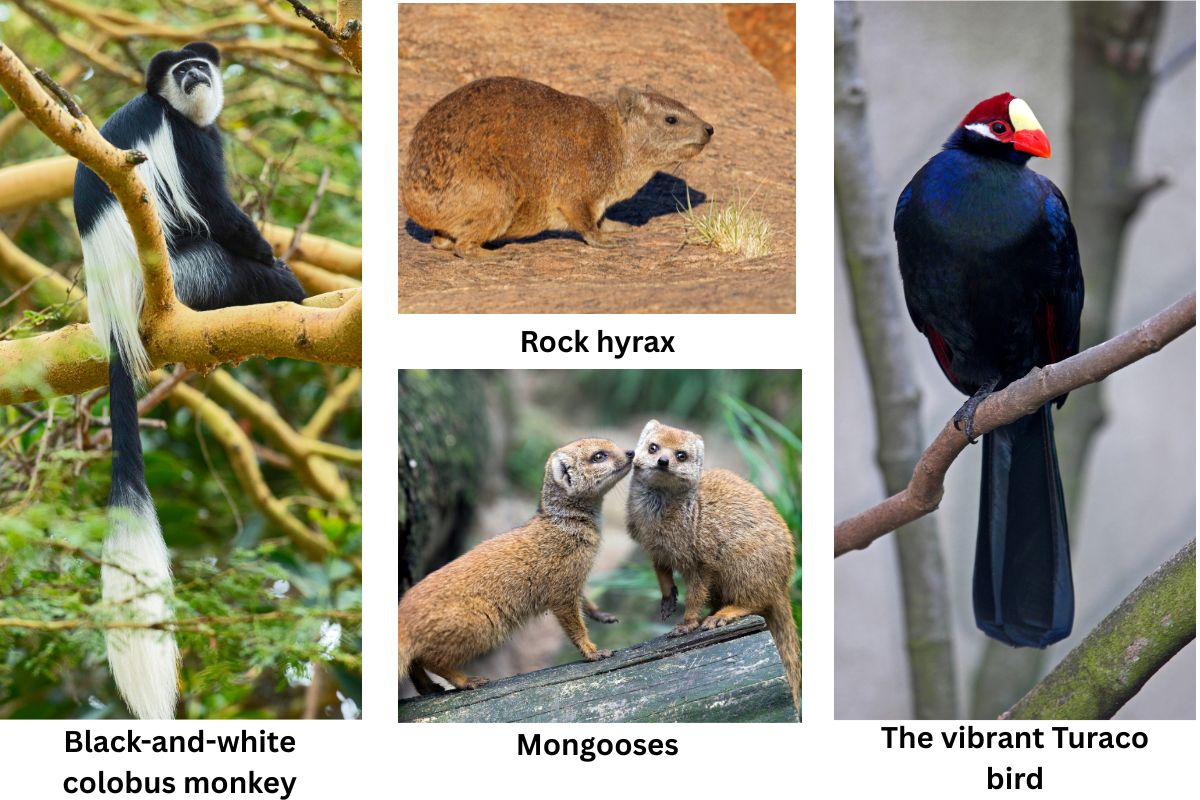
Primates: Agile baboons and black-and-white colobus monkeys are commonly seen along lower and mid-altitude trails. Observing these animals in their natural habitat adds excitement and memorable wildlife moments to the climb.

Small Mammals: Rock hyraxes, mongooses, and endemic small mammals often appear on rocky ridges and alpine screes. Spotting them requires patience but enhances the sense of adventure and connection with the ecosystem.

Mount Kenya Wild Animals Fauna
Mount Kenya Wildlife Highlights

Birdlife: Mount Kenya is a birdwatcher’s paradise. Species such as sunbirds, turacos, Jackson’s francolin, and alpine chat inhabit different altitudinal zones, offering a vibrant display of color and activity throughout the trek. Every route presents unique birding opportunities for enthusiasts.

Other Wildlife: In mid-altitude zones, travelers may encounter antelopes like the bushbuck or duiker, while endemic amphibians and insects add further ecological diversity along streams and wetlands.

Eco-Tourism and Conservation Practices

Protected Areas: Treks are primarily within Mount Kenya National Park, a UNESCO World Heritage site that preserves the mountain’s unique biodiversity, glacial valleys, and ecological balance. Guided safaris ensure travelers adhere to park regulations and avoid disrupting wildlife habitats.

Responsible Travel: Guides and operators emphasize eco-conscious trekking principles, including leaving no trace, maintaining safe distances from wildlife, and respecting fragile vegetation zones.

Community Engagement: Many climbing safaris incorporate local community interactions, supporting eco-tourism initiatives that provide income and promote the preservation of traditional practices. Travelers contribute directly to sustainable tourism while gaining insights into the region’s culture.

By combining adventure with ecological awareness, a Mount Kenya Climbing Safari allows travelers to summit Africa’s second-highest peak while witnessing an extraordinary array of wildlife and flora. Each stage of the climb—from shaded forests to alpine ridges—offers both a personal achievement and the rewarding experience of contributing to conservation efforts, making the journey as meaningful as it is exhilarating.

7-Day Mount Kenya Climbing Safari

Cultural & Historical Significance of Mount Kenya

A Mount Kenya Climbing Safari is not only a test of endurance and skill but also a gateway into the rich cultural and historical context of central Kenya. The mountain has been a central part of local communities’ lives for centuries, influencing their spiritual beliefs, livelihoods, and traditions. Understanding this heritage adds depth and meaning to every climb, transforming the adventure into a culturally immersive experience.

Local Communities and Traditions

The regions surrounding Mount Kenya are home to diverse communities whose lives are intricately linked with the mountain. Travelers on a Mount Kenya Climbing Safari gain the opportunity to witness this living heritage, creating meaningful connections beyond the physical trek.

  • Ethnic Groups: The Kikuyu, Embu, and Meru people inhabit the slopes and foothills, relying on fertile soils for agriculture, livestock, and sustainable forest resources. Their daily practices reflect centuries of adaptation to the mountain environment.

  • Cultural Practices: Sacred shrines, ritual sites, and traditional folklore highlight Mount Kenya’s spiritual significance. Seasonal festivals, storytelling, and community ceremonies are integral to the local culture and provide climbers with authentic cultural insights.

  • Community Interaction: Many climbing safaris include guided visits to nearby villages, enabling travelers to engage respectfully with locals, observe traditional crafts, and learn about customary practices while supporting community-based tourism initiatives.

Historical Importance of Mount Kenya

Mount Kenya has a rich history that intertwines exploration, scientific study, and conservation. Every route and trail tells a story that enhances the overall safari experience.

  • Exploration History: From early missionaries to colonial surveyors, Mount Kenya has drawn explorers who documented its peaks, glaciers, and ecosystems. Several historical trails now form part of modern climbing routes, connecting adventurers to the mountain’s exploration legacy.

  • Scientific Research: The mountain has long served as a natural laboratory for geology, botany, and wildlife studies. Trekkers experience a landscape that contributed to global understanding of alpine ecosystems, volcanic formations, and high-altitude biodiversity.

  • Heritage Protection: Mount Kenya National Park, a UNESCO World Heritage Site, preserves both natural and cultural landmarks. The park ensures that the historical, ecological, and spiritual value of the region remains intact for future generations.

Economic and Sustainable Contributions

Mount Kenya Climbing Safaris do more than provide adventure—they also foster sustainable development and support local livelihoods. Travelers contribute directly to conservation and cultural preservation while enjoying a responsibly guided experience.

  • Eco-Tourism Support: Participating in guided climbing safaris ensures continued funding for wildlife protection, habitat restoration, and sustainable tourism programs in Mount Kenya National Park.

  • Local Livelihoods: Safari operations employ local guides, porters, and cultural liaisons, generating income while promoting responsible interactions with the environment.

  • Cultural Preservation: Revenue from climbing safaris helps maintain sacred sites, traditional practices, and local heritage, ensuring that tourism actively supports the conservation of culture alongside nature.

A Mount Kenya Climbing Safari is a multi-dimensional adventure. Travelers not only face the physical challenge of summiting Africa’s second-highest peak but also engage deeply with the mountain’s living traditions, historical landmarks, and thriving communities. Every climb becomes an opportunity to connect with the people, history, and culture of central Kenya, creating a truly unforgettable expedition that balances adventure with cultural immersion.

Recommended Mount Kenya Climbing Safari Packages

Choosing the right Mount Kenya Climbing Safari Package depends on your available time, fitness level, and the kind of adventure you seek. Each package is designed to balance safety, acclimatization, and the opportunity to experience the mountain’s breathtaking landscapes. From shorter climbs to extended expeditions, there’s a tailored itinerary for every traveler.

Corporate & Group Travel Management services with the Best Tour Operator in Kenya

3-Day Mount Kenya Climbing Safari

Push through key trails for a condensed summit experience, navigating alpine ridges, moorlands, and glacial valleys with expert guidance, capturing breathtaking vistas in a compact itinerary of intense adventure.

4-Day Mount Kenya Climbing Safari

Combine acclimatization and adventure, trekking through forests, moorlands, and alpine zones. Summit or explore major ridges while enjoying panoramic views and wildlife encounters along the way.

5-Day Mount Kenya Climbing Safari

Balanced ascent and descent with full acclimatization, covering scenic routes, glacial lakes, and diverse wildlife zones. Includes guided trekking, cultural insights, and photography opportunities.

6-Day Mount Kenya Climbing Safari

Extended adventure for experienced climbers, exploring remote ridges, alpine lakes, and less-traveled paths. Focus on safety, acclimatization, and immersive nature encounters with expert guides.

7-Day Mount Kenya Climbing Safari

Full structured expedition allowing gradual ascent, summit attempt, and comprehensive exploration. Includes cultural interactions, detailed route navigation, and high-altitude challenges.

8-Day Mount Kenya Climbing Safari

Luxury expedition combining scenic trekking, summit experience, and off-the-beaten-path exploration. Extended time for photography, wildlife observation, and optional cultural village visits with local immersion.

9-Day Mount Kenya Climbing Safari

Ultimate Mount Kenya experience with complete circuit trekking, remote ridge exploration, multiple summits, cultural immersion, and wildlife encounters, ideal for avid adventure seekers and expedition purists.

10-Day Mount Kenya Safari

Comprehensive expedition covering all major routes, full acclimatization, multiple summit attempts, immersive wildlife and cultural experiences, and extended photography and exploration opportunities for the ultimate adventure.

Gear, Preparation & Safety for Mount Kenya Climbing Safaris

A successful Mount Kenya climbing safari is built on proper preparation, correct gear selection, and strict safety discipline. The mountain’s rapidly changing weather, high-altitude conditions, and rugged terrain demand that every trekker approaches the climb with professional-level readiness. This section outlines exactly what to pack, how safety is managed on the mountain, and the essential health considerations every climber must understand before ascent.

Essential Packing List for Mount Kenya Climbers

Proper equipment directly impacts comfort, safety, and summit success. Every Mount Kenya climber should be equipped with:

  • Trekking Boots: Waterproof, ankle-support hiking boots with strong grip for rocky and muddy terrain.

  • Layered Clothing System: Thermal base layers, insulating mid-layers, and windproof outer shells for temperature control.

  • Cold-Weather Gear: Insulated jackets, fleece wear, gloves, wool socks, and a thermal hat for alpine zones.

  • Sleeping Gear: High-altitude rated sleeping bag and insulating liner for sub-zero nights.

  • Trekking Poles: For balance, knee protection, and energy conservation during ascent and descent.

  • Daypack & Duffel Bag: Lightweight daypack for essentials and a duffel bag for porter transport.

  • Headlamp & Extra Batteries: Mandatory for early-morning summit ascents.

  • Hydration System: Water bottles or hydration bladder (minimum 2–3 liters per day).

  • Personal Protection: Sunscreen, lip balm with SPF, sunglasses, insect repellent, and blister care.

Proper packing directly supports endurance, warmth retention, and mobility throughout all Mount Kenya climbing safari routes.

Safety Protocols & Professional Guide Support

Safety is a defining pillar of every professionally guided Mount Kenya climb. Standard protocols include:

  • Certified Mountain Guides: Trained in high-altitude rescue, first aid, and route management.

  • Porter Support System: Reduces physical strain and improves acclimatization success.

  • Daily Health Monitoring: Oxygen level checks, hydration control, and fatigue assessment.

  • Emergency Response Readiness: Evacuation protocols, radio communication, and medical descent procedures.

  • Weather Intelligence: Continuous route adjustments based on real-time weather patterns.

Mount Kenya climbing safaris operate under controlled expedition systems designed to eliminate unnecessary risk while preserving the adventure experience.

Health, Medical & Vaccination Recommendations

Climbers must be in good general health before attempting Mount Kenya. Key health considerations include:

  • Medical Clearance: Mandatory for travelers with heart, respiratory, or joint-related conditions.

  • Routine Vaccinations: Yellow fever, tetanus, hepatitis A & B (as advised by international travel clinics).

  • High-Altitude Readiness: No sedatives, minimal alcohol, and proper pre-climb conditioning.

  • Personal Medications: Clearly labeled and accessible throughout the climb.

Travel insurance covering altitude trekking and emergency evacuation is strongly advised for Mount Kenya climbing safaris.

Altitude Sickness Awareness & Management

Altitude sickness is the most critical health risk on Mount Kenya. Awareness and prevention include:

  • Gradual Ascent Planning: Built-in acclimatization days across all major routes.

  • Hydration Discipline: Continuous fluid intake to prevent dehydration-related complications.

  • Symptom Awareness: Headache, nausea, dizziness, fatigue, and appetite loss must be reported immediately.

  • Immediate Descent Protocol: Any severe symptoms trigger controlled descent under guide supervision.

Professional guides are trained to identify early warning signs and stabilize climbers before escalation occurs.

Camping & Accommodation Options on Mount Kenya Climbing Safaris

A Mount Kenya Climbing Safari is not just about summiting the peaks—it’s about experiencing the mountain fully, including where you rest and recharge along the journey. Camping and accommodation options vary by altitude, route, and traveler preference, impacting acclimatization, safety, and overall enjoyment. Choosing the right camp or lodge ensures a comfortable, secure, and immersive experience as you traverse the mountain’s diverse terrains.

Below, we break down strategic camping and accommodation options along different altitude zones, aligned with the main routes, giving you clear insight for planning your Mount Kenya adventure.

Mount Kenya Climbing Safari Packages

Shipton’s Camp – Sirimon Route

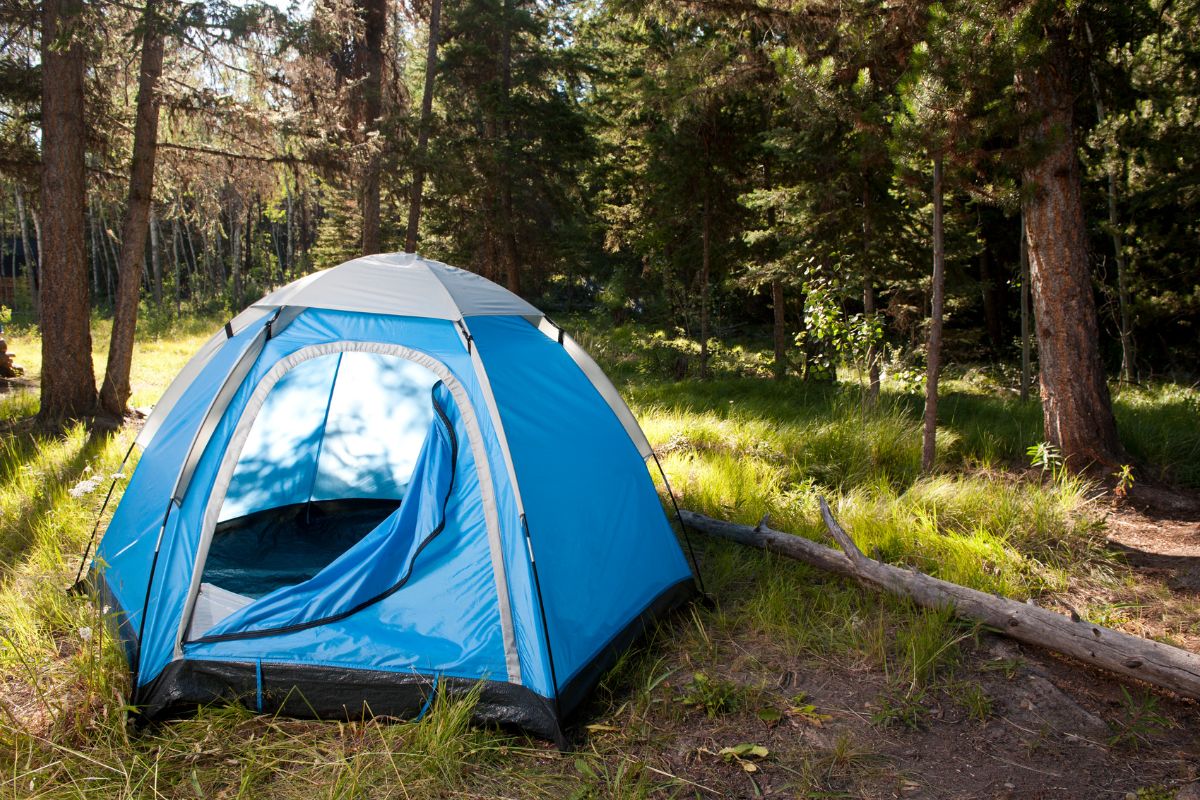
Nestled in dense forest, this site offers an ideal starting point for acclimatization. Surrounded by indigenous trees and birdlife, it provides a tranquil setting for your first night on the mountain. Basic tent facilities and water access make it perfect for novice climbers.
Mount Kenya Climbing Safari Packages

Gathiuru Camp – Chogoria Route

Located at the base of the eastern slopes, Gathiuru Camp provides simple huts and access to local meals. It’s an excellent stop for early trekking, allowing climbers to adjust to the altitude while enjoying forested landscapes and flowing streams.
Mount Kenya Climbing Safari Packages

Naro Moru Gate Lodge – Naro Moru Route

This comfortable lodge serves as both a starting point and overnight option for climbers. With convenient access to the main trailhead and amenities like meals and guided support, it’s ideal for those seeking a slightly more comfortable stay before tackling steeper sections.
Mount Kenya Climbing Safari Packages

Old Moses Camp – Sirimon Route

Set amid open moorlands, Old Moses Camp is a scenic mid-point for acclimatization. Its location offers panoramic views of alpine ridges and glaciers, and it functions as the primary overnight stop for summit attempts.
Mount Kenya Climbing Safari Packages

Met Station Hut – Chogoria Route

Strategically placed in the mid-alpine zone, this hut is perfect for photographers and trekkers keen to enjoy the mountain’s dramatic landscapes. Accommodation is basic but functional, supporting safe acclimatization.
Mount Kenya Climbing Safari Packages

Mackinder’s Camp – Teleki/Mackinder

Remote and rugged, this small, rustic highland hut provides essential shelter for climbers on northern circuit routes. Its location ensures early starts for summit attempts while minimizing altitude-related risks.
Mount Kenya Climbing Safari Packages

Shipton’s Hut – Sirimon Route

Perched in the alpine zone, Shipton’s Hut is the final stop before the summit push. Limited facilities and high-altitude conditions make it suitable for experienced climbers seeking early morning summit departures.
Mount Kenya Climbing Safari Packages

Batia & Nelion Tents – Chogoria Route

Located near alpine ridges and glacier remnants, these camps are designed for climbers attempting the higher summits. Minimal facilities require proper preparation, but the scenic reward and proximity to key peaks are unmatched.
Mount Kenya Climbing Safari Packages

Point Lenana Summit Camp – Teleki/Mackinder Route

This tent-based high-altitude camp supports summit attempts on Africa’s second-highest peak. Early starts from this location maximize the chance of reaching the summit safely while capturing stunning sunrise vistas.

10 Expert Tips to Choose the Best Mount Kenya Climbing Safari Packages

Planning a Mount Kenya adventure can be thrilling, yet overwhelming. With multiple routes, varying durations, and different levels of support, selecting the right package is crucial to ensure safety, enjoyment, and a truly unforgettable experience. To help you navigate these choices, we’ve compiled 10 expert tips for choosing Mount Kenya Climbing Safari Packages, designed for beginners and seasoned adventurers alike.

1. Choose the Right Route for Your Goals

First and foremost, consider the route that best aligns with your fitness and interests. For gradual acclimatization, the Sirimon Route provides steady inclines and scenic forests. The Chogoria Route offers breathtaking waterfalls, alpine lakes, and dramatic gorges, ideal for photographers. If you’re seeking speed and challenge, the Naro Moru Route is the fastest, while Teleki/Mackinder is perfect for adventurous trekkers wanting a remote circuit experience. Selecting the right route ensures your climb is not only safer but deeply rewarding.

2. Match Package Duration to Your Fitness and Schedule

Time is a critical factor. Mount Kenya Climbing Safari Packages range from 3-day express climbs to extended 10-day expeditions. Shorter itineraries suit highly fit climbers seeking a condensed summit, while 5–7 day packages allow for proper acclimatization and higher summit success. Longer durations not only reduce altitude sickness risk but also let travelers savor the mountain’s full beauty.

3. Prioritize Expert Guidance and Support

A professional guide transforms your climb from a trek into an enriching journey. The best Mount Kenya trekking packages include certified guides, trained porters, and staff skilled in altitude monitoring. Guides provide route navigation, emergency support, and tips for maximizing your experience, ensuring each stage—from dense forest to alpine ridges—is safe and enjoyable.

4. Evaluate Accommodation and Camp Comfort

Overnight rest impacts energy levels and acclimatization. Top-tier Mount Kenya Climbing Safari Packages provide well-equipped tents or lodges with meals, ensuring climbers are comfortable and prepared for long days of trekking. Adequate rest translates to better performance and more enjoyment of the scenery.

5. Review Safety Protocols and Emergency Plans

Safety is non-negotiable. Reputable packages include daily health monitoring, first-aid support, emergency communication devices, and clear evacuation procedures. Understanding these protocols beforehand allows climbers to focus on the adventure while having peace of mind.

6. Understand Acclimatization Strategies

Altitude sickness is a real concern. Leading Mount Kenya climbing safaris incorporate staged ascents, rest points, hydration, and nutrition management. Guides also teach how to recognize early symptoms and respond appropriately. Proper acclimatization ensures climbers can safely enjoy the mountain’s challenging terrain.

7. Seek Packages with Cultural and Wildlife Experiences

Mount Kenya offers more than physical challenge; it’s rich in biodiversity and cultural heritage. Packages that include local village visits, wildlife observation, and insights into traditions allow trekkers to engage meaningfully with the region. Combining adventure with cultural immersion makes your Mount Kenya climbing experience unique and memorable.

8. Consider Group Size and Personalization Options

Some travelers thrive in intimate, private treks, while others enjoy group dynamics. Look for Mount Kenya Climbing Safari Packages that allow flexibility, whether private tours or small guided groups. Smaller groups provide personalized attention, quieter trekking experiences, and enhanced safety.

9. Check Inclusions: Permits, Gear, and Meals

A well-structured package covers essential items: national park permits, camping equipment, meals, and trekking gear. This ensures you focus on your adventure rather than logistics. Packages that include these elements also minimize surprises and enhance comfort on the climb.

10. Balance Cost with Value

Finally, assess value rather than just price. Budget-friendly packages may appeal to cost-conscious travelers, but premium Mount Kenya Climbing Safari Packages provide private guides, comfortable accommodations, and all-inclusive logistics. Choosing value ensures a seamless, safe, and unforgettable trek, rather than compromising on essentials.

By considering these 10 factors, travelers can confidently select Mount Kenya Climbing Safari Packages that align with their fitness, interests, and expectations. Proper planning transforms a climb into an extraordinary adventure—safely navigating trails, absorbing breathtaking scenery, and immersing in culture and wildlife along the way.
FAQs About Mount Kenya Climbing Safari Packages

Planning a Mount Kenya Climbing Safari raises many questions for travelers, from route selection and duration to safety, gear, and costs. This FAQ section focuses on the most commonly asked questions about Mount Kenya Climbing Safari Packages, providing clear, practical guidance to help adventurers choose the right itinerary, prepare effectively, and fully enjoy their Mount Kenya experience. The answers draw on expert insight, ensuring that whether you are a beginner or an experienced trekker, you can confidently plan your safari.

Mount Kenya Climbing Safari Packages are structured trekking and adventure programs that combine guided mountain ascents with wildlife, scenery, and cultural experiences. A standard package typically includes park permits, professional mountain guides, porters, accommodation (tents or lodges), meals, safety equipment, and all logistics within Mount Kenya National Park. Some premium Mount Kenya trekking packages also integrate photography sessions, wildlife viewing, and cultural village visits.

The cost of a Mount Kenya Climbing Safari depends on several factors, including the chosen route, duration, level of service, group size, and accommodation style. Prices generally cover park permits, professional guides, porters, accommodation, meals, safety equipment, and logistical support throughout the trek.

Approximate costs by duration and type of package:

  • 3-Day Express Mount Kenya Climbing Safari – Ideal for experienced climbers seeking a condensed summit experience, costing around $450–$550 USD per person for a group itinerary.

  • 4-Day Mount Kenya Climbing Safari – Balances acclimatization and adventure, averaging $550–$650 USD per person.

  • 5–6 Day Mount Kenya Climbing Safari – Standard packages allowing gradual ascent, scenic exploration, and summit attempts, typically $650–$800 USD per person.

  • 7-Day Mount Kenya Climbing Safari – Full structured expedition with cultural visits and high-altitude acclimatization, ranging $800–$1,000 USD per person.

  • 8–10 Day Luxury Mount Kenya Climbing Safari – Includes private guides, premium lodging, extended scenic exploration, and complete circuit trekking, costing $1,000–$1,500 USD per person.

These rates vary depending on group size, custom itineraries, and optional services such as photography assistance or private transport. Booking a structured Mount Kenya Climbing Safari ensures travelers gain professional guidance, safety support, and an organized route plan that maximizes both summit success and overall trekking enjoyment.

A Mount Kenya hiking safari focuses on lower-altitude trails and scenic trekking zones within the national park, ideal for casual adventurers. A Mount Kenya climbing safari package, by contrast, involves technical ascents toward Point Lenana or the twin peaks (Batian and Nelion), requiring endurance, altitude adaptation, and expert mountaineering guidance.

Yes. Affordable Mount Kenya climbing safari packages are designed specifically for first-time climbers using routes such as Sirimon or Naro Moru. These routes offer steady altitude progression, reliable rescue access, and moderate terrain—making them ideal for beginners who want a guided Mount Kenya summit trek at a controlled cost.

You should ideally book your Mount Kenya climbing safari at least 2–4 weeks in advance during low seasons and 6–10 weeks ahead during peak climbing periods. Early booking secures park permits, experienced mountain guides, preferred routes, and allows for full pre-climb medical and gear preparation.

Choosing the right route is one of the most critical decisions when booking Mount Kenya climbing safari packages. Each route offers a unique combination of scenery, difficulty level, acclimatization profile, and trekking pace. The best route depends on your fitness level, photography expectations, available time, and whether your priority is scenery, speed, or safety.

The three most popular Mount Kenya climbing routes include:

  • Sirimon Route – Known for its gradual altitude gain, wide trails, and stable weather patterns. It is the best route for proper acclimatization, ideal for beginners, group trekkers, and climbers targeting high summit success rates.

  • Chogoria Route – Regarded as the most scenic Mount Kenya climbing route, featuring waterfalls, deep gorges, alpine tarns, and expansive valleys. This is the top choice for photography-focused Mount Kenya trekking safaris and nature lovers.

  • Naro Moru Route – The fastest and most direct ascent, commonly used for short-duration climbs. It includes the famous Vertical Bog, making it physically demanding and best suited for strong, time-limited climbers.

Many premium Mount Kenya climbing safari packages combine Sirimon for ascent and Chogoria for descent, maximizing both acclimatization and scenic value.

Mount Kenya climbing safari packages are designed with flexible durations to accommodate different fitness levels, travel schedules, and summit targets. The number of days directly affects acclimatization quality, safety, comfort, and overall success rate. Shorter itineraries prioritize speed, while longer packages focus on safety and immersive experience.

Typical Mount Kenya climbing safari durations include:

  • 3-Day Express Climbs – High-speed itineraries designed for elite trekkers with previous high-altitude experience. Limited acclimatization and higher physical strain.

  • 5–6 Day Standard Mount Kenya Climbing Safari Packages – The most popular option, offering the best balance between acclimatization, summit success, safety, and cost efficiency. Ideal for most international travelers.

  • 7–10 Day Full Circuit Expeditions – Extended treks covering multiple routes with maximum acclimatization, scenic variety, cultural add-ons, and wildlife exposure. Best for photographers, researchers, and serious adventure travelers.

As a general rule, longer Mount Kenya trekking packages significantly increase summit success while minimizing altitude-related risks.

A 3 Day Mount Kenya Climbing Safari is not recommended for beginners due to the rapid altitude gain and limited acclimatization window. This short itinerary is best suited for very fit trekkers with prior high-altitude trekking or mountaineering experience. Beginners are strongly advised to choose 5–6 day Mount Kenya climbing safari packages, which allow the body to adapt gradually to altitude changes, significantly reducing the risk of acute mountain sickness. Longer itineraries also improve stamina management, safety margins, and overall enjoyment of the climb.

Mount Kenya climbing safari packages are generally classified as moderate to challenging, depending on the chosen summit. Point Lenana (4,985m) is attainable for well-prepared hikers with no technical climbing background, making it the most popular target for trekking safaris. However, Batian and Nelion, the twin technical peaks, require advanced rock climbing skills, ropes, and professional alpine guiding. Compared to Mount Kilimanjaro, Mount Kenya receives far fewer climbers, offers steeper terrain, colder alpine conditions, and more rugged visual drama, making it feel more remote and adventurous despite its slightly lower elevation.

When climbers follow properly structured Mount Kenya climbing safari packages with full acclimatization, average summit success rates range between 70% and 90%. Success is influenced by several factors, including physical fitness, altitude adaptation speed, weather stability, hydration discipline, psychological endurance, and the professionalism of the guiding team. Climbers who choose 5–8 day itineraries, follow altitude protocols, and work with certified mountain guides consistently achieve the highest summit success with the lowest health risks.

Formal mountaineering training is not required for most Mount Kenya climbing safari packages, especially for trekkers targeting Point Lenana (4,985 m). However, physical preparation significantly improves your endurance, comfort, and summit success.

Recommended physical preparation before your Mount Kenya climb includes:

  • Long-distance walking and hill training

  • Stair climbing for leg strength

  • Cardiovascular conditioning such as cycling, swimming, or jogging

  • Light strength training for core and back stability

For climbers pursuing technical peaks such as Batian or Nelion, prior rock climbing and rope-handling experience is mandatory, as these summits involve vertical ascents and advanced safety systems.

Altitude sickness is the most common medical risk encountered during a Mount Kenya climb. To safeguard climbers, reputable operators apply strict medical monitoring, controlled ascent planning, and professional emergency response protocols throughout the expedition.

Altitude sickness management includes:

  • Gradual ascent schedules designed to allow proper physiological adjustment

  • Hydration and nutrition supervision to support oxygen efficiency

  • Daily health assessments conducted by trained mountain guides

  • Immediate descent procedures at the first signs of moderate to severe symptoms

  • Emergency evacuation coordination for advanced altitude illness cases

Through structured ascent planning and continuous health monitoring, the risk of Acute Mountain Sickness (AMS) and related high-altitude complications is significantly reduced, ensuring a safer and more controlled climbing experience on Mount Kenya.

Packing correctly for a Mount Kenya climbing safari is essential for thermal protection, comfort, and safety across rapidly changing altitude zones. Climbers move from warm rainforest to freezing alpine ridges within days.

Personal gear you must carry includes:

  • Waterproof, insulated trekking boots

  • Thermal clothing layers (base, mid, and outer shell)

  • Trekking poles for steep and slippery terrain

  • Sub-zero rated sleeping bag

  • Insulated gloves, beanies, and socks

  • High-SPF sun protection

  • Headlamp with extra batteries

  • Hydration system and personal medication

Most professional Mount Kenya climbing safari packages provide tents, mattresses, cooking equipment, porter support, food supplies, and group safety gear—allowing you to focus fully on the climb.

The success, safety, and visibility of your Mount Kenya climbing safari package depend heavily on seasonal weather stability. Dry seasons provide safer trails, clearer summit views, and better wildlife visibility.

The best seasons for Mount Kenya climbing safaris are:

  • January to March – Clear skies, warm lower slopes, excellent summit visibility

  • July to October – Cool, dry conditions with the highest success rates

These periods offer the most predictable weather, reduced rainfall, safer ascents, and superior photographic conditions, compared to the long and short rainy seasons.

Book Your Mount Kenya Climbing Safari Package

Share With Pals
In this Guide show