
Easter Holiday Packages: Is Easter a Good Time for Safari?
Easter often marks a turning point in the travel calendar for many people. It sits between the long stretch of the early year and the peak summer holidays. This makes it a natural moment to pause, travel, and reconnect with nature. For safari travelers, Easter raises an important question: is it actually a good time to go on safari, or does the holiday period complicate the experience? The answer is not a simple yes or no. Easter safaris come with unique advantages, a few limitations, and specific planning considerations that you should understand before making safari decisions.
About Easter in the Safari Calendar
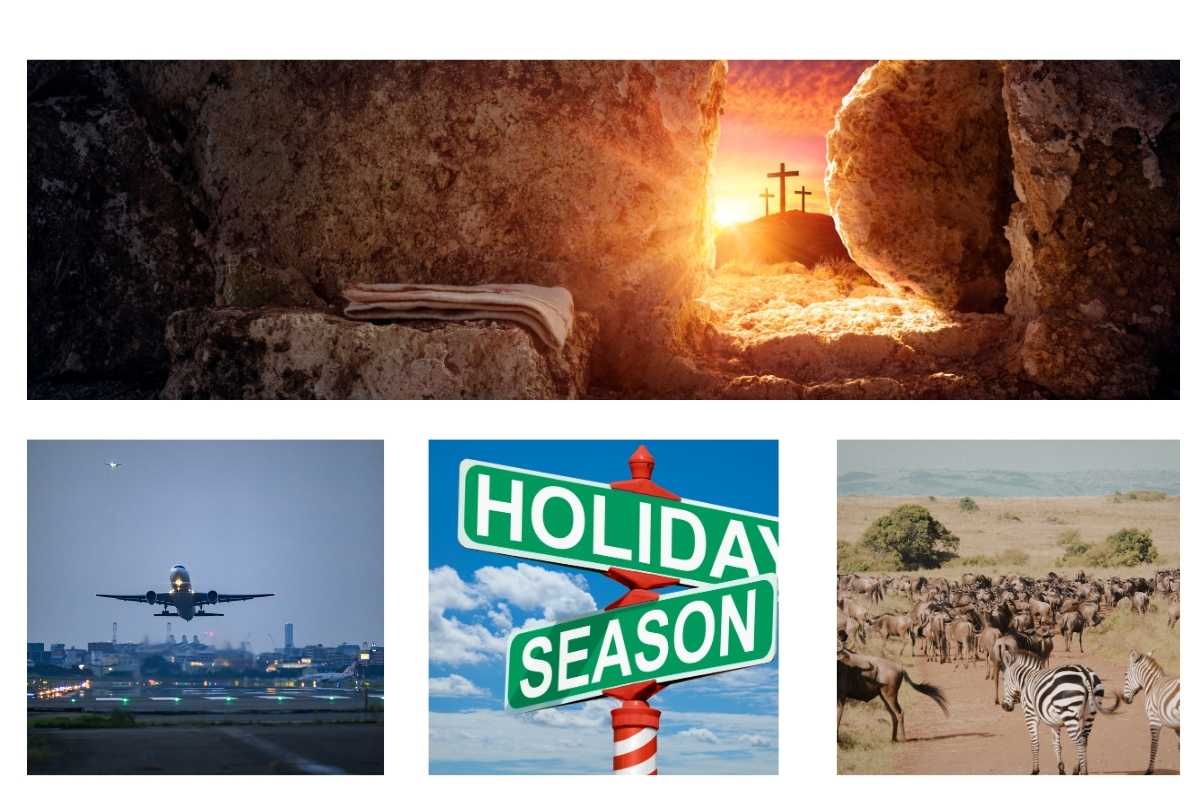
Easter does not fall on a fixed date, which means its impact on safari conditions changes slightly each year. In most years, Easter falls between late March and mid-April, a period that often coincides with seasonal transitions in many African safari destinations. This timing places Easter close to what is traditionally considered the shoulder season in East and parts of Southern Africa. Shoulder seasons are periods between peak and low travel times, and they often provide a balance between good wildlife viewing and manageable visitor numbers.
Because Easter is a public holiday in many countries, including key safari source markets, it tends to attract both international travelers and regional holidaymakers. This can influence availability, pricing, and crowd levels in popular parks. However, it does not automatically mean that the safari experience is compromised. Instead, Easter becomes a period where informed planning plays a much larger role in determining the quality of the trip.
Weather Conditions During the Easter Period
Weather is one of the most important factors when evaluating whether Easter is a good time for safari. In East Africa, Easter often falls close to the onset of the long rains, though the exact timing and intensity vary from year to year. Rain during this period is usually intermittent rather than constant, meaning game drives can still take place with minimal disruption. Landscapes are greener, dust levels are lower, and wildlife disperses across wider areas, creating a different but equally rewarding safari atmosphere.
In Southern Africa, Easter generally aligns with the end of the rainy season. Parks such as those in Botswana, Zambia, and Zimbabwe begin transitioning into drier conditions, with vegetation slowly thinning out. This makes wildlife increasingly visible, especially around water sources. While some remote areas may still have accessibility challenges, many major parks remain fully operational and offer excellent sightings during this time.
Wildlife Viewing: What to Expect at Easter
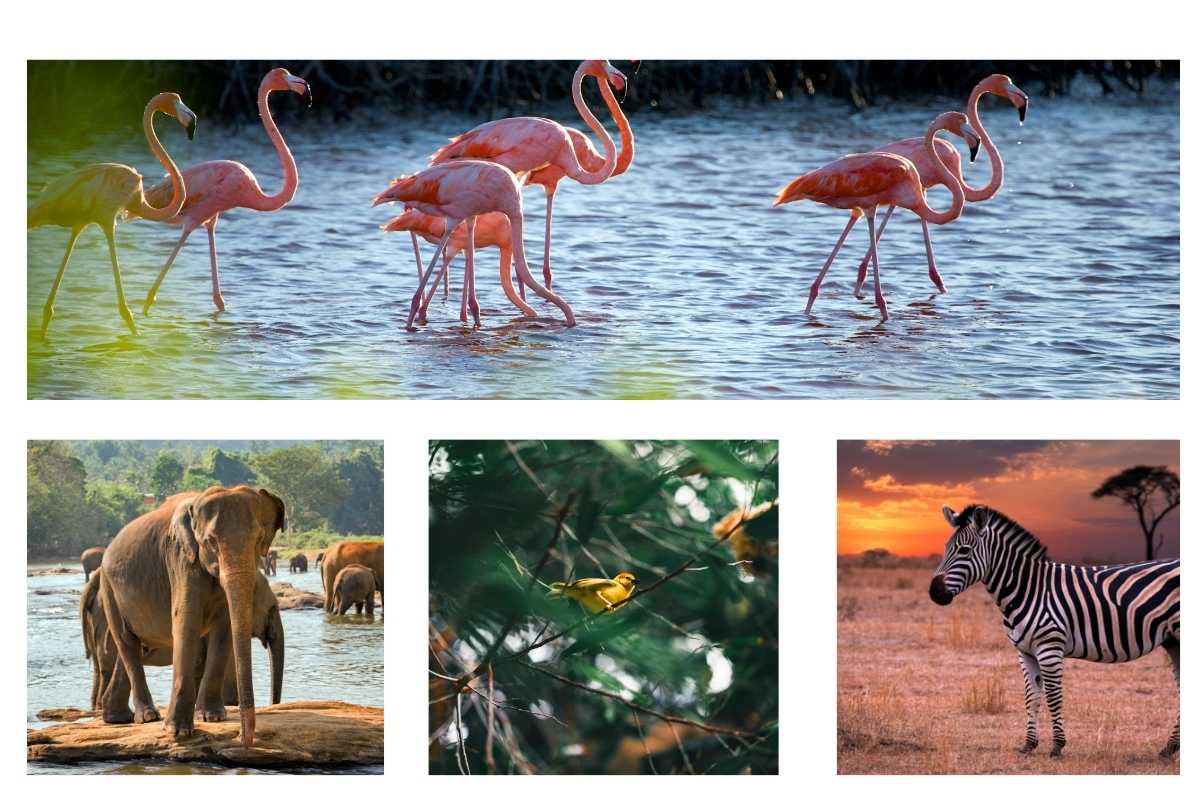
Wildlife viewing during Easter is often very good, though it differs from classic peak-season safaris. Animals are not yet concentrated around permanent water sources in many regions, which means sightings can feel more exploratory. This appeals to travelers who enjoy a sense of discovery rather than predictable encounters. Predators are active, herbivores are well-fed, and birdlife is particularly rich due to the presence of migratory species.
Easter also coincides with important wildlife cycles in certain destinations. For example, in parts of East Africa, calving seasons may still be ongoing. This increases predator activity and dramatic interactions. In Southern Africa, young animals born earlier in the season are more visible and mobile. These dynamics create opportunities for unique sightings that differ from those seen during the dry-season peak months.
Crowd Levels and Park Experience
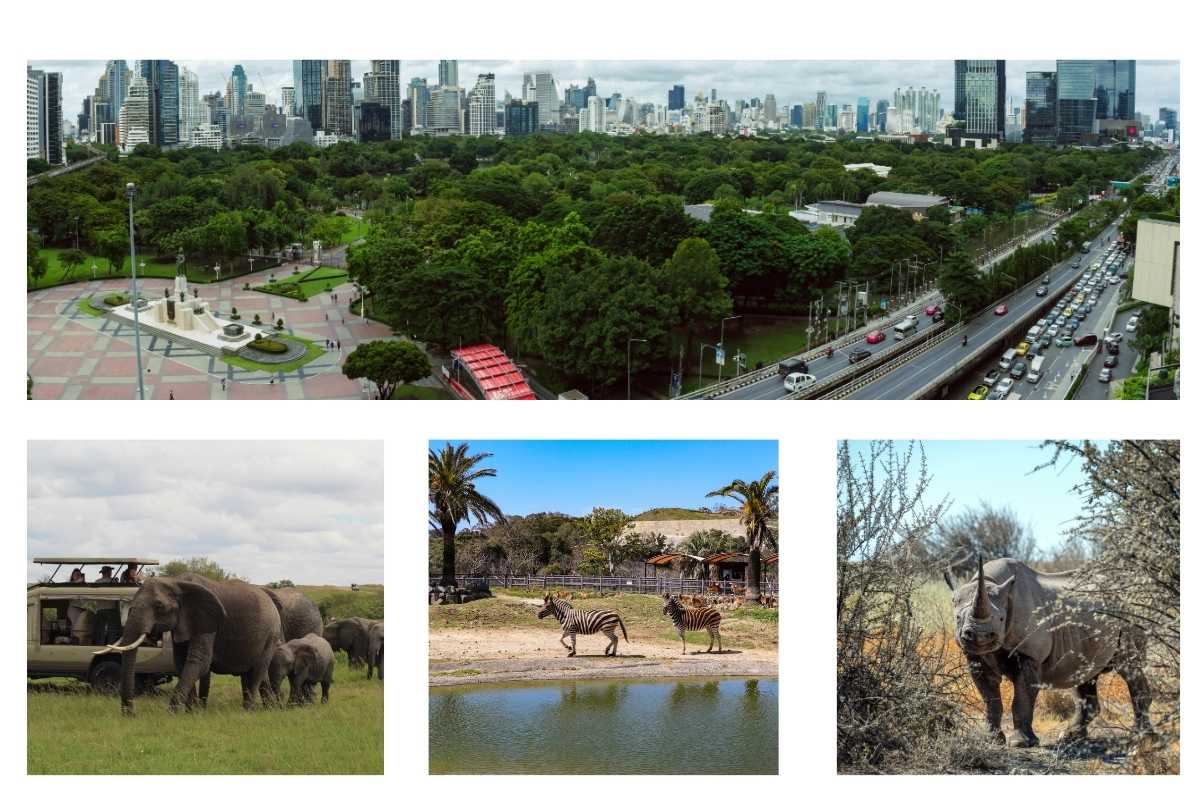
One of the most common concerns about Easter safaris is crowding. Because Easter is a popular holiday period, certain well-known parks and lodges can be busier than usual, especially those easily accessible from major cities. However, crowd levels are rarely comparable to those seen during July–October peak seasons. Instead, Easter crowds tend to be localized and manageable with thoughtful planning.
Choosing less-trafficked conservancies, private reserves, or alternative parks can significantly improve the experience. These areas often maintain strict vehicle limits and offer more flexible safari activities, such as walking safaris or night drives. If you value exclusivity and quieter game viewing, Easter can still deliver a highly immersive experience when the right locations are selected.
Pricing and Value Considerations
Pricing during Easter sits in a transitional zone. It is typically higher than low-season rates but lower than peak-season pricing. Many lodges apply special holiday supplements, while others maintain shoulder-season rates with minimum stay requirements. Understand these pricing structures so you can set realistic expectations and avoid surprises.
From a value perspective, Easter can be appealing because travelers often receive good wildlife experiences without paying the highest seasonal rates. Additionally, the quality of guiding, accommodation, and service remains consistent year-round at reputable safari operations. The key is to assess value not only in terms of cost but also in terms of experience, comfort, and overall trip flow.
Who Is Easter Safari Best Suited For?
Easter safaris tend to suit certain types of travelers particularly well:
- Families traveling with school-age children often find Easter ideal because it aligns with school holidays, allowing meaningful travel without disrupting academic schedules. With careful lodge selection, families can enjoy flexible activities, shorter game drives, and family-friendly accommodations that enhance comfort and engagement.
- First-time safari travelers benefit from Easter’s balanced conditions. Wildlife viewing is strong, weather is generally manageable, and parks are active without being overwhelming. This makes Easter a good introduction to safari travel without the intensity of peak-season crowds.
- Repeat safari travelers who enjoy seasonal variation may appreciate Easter for its green landscapes, dynamic animal behavior, and birding opportunities. For these travelers, Easter offers a fresh perspective on familiar destinations.
Each of these traveler types benefits differently, but all require realistic expectations and destination-specific planning to maximize the experience.
Practical Planning Tips for an Easter Safari
Planning an Easter safari requires attention to timing, logistics, and flexibility. Easter dates shift annually, confirm weather patterns and park conditions for the specific year. Book Easter holiday safaris especially for popular lodges, as availability can fill up quickly due to the holiday period.
You should also factor in flight schedules, border crossings, and park access times, which may be affected by increased holiday traffic. Choose lodges with flexible activity schedules and experienced guides to allow for weather changes or crowd fluctuations. Finally, build in a relaxed pace. This allows you to adapt and enjoy the safari rather than rushing through it.
Request a Custom Easter Safari Quote: Contact Sparwild African Tours And Safaris

Easter can be an excellent time for a safari, provided you understand what the season offers and plan accordingly. Easter holiday delivers strong wildlife experiences, dynamic landscapes, and a balance between peak and low-season conditions. While Easter holiday may not offer the predictability of peak dry-season safaris, Easter holiday rewards you with variety, freshness, and often better overall value.
If you are considering an Easter holiday safari, thoughtful planning is key. Destinations, lodge selection, and itinerary design all play a major role in shaping the experience. To explore what would work best for your travel dates, interests, and budget, you may request a custom Easter safari quote tailored specifically to your holiday plans.