Gorilla Trekking: Where Can I See Gorillas in Africa?
Gorilla trekking is one of the most extraordinary wildlife experiences in Africa and, for many travelers, a once-in-a-lifetime journey. Unlike traditional game drives, gorilla trekking involves hiking through dense rainforests to encounter wild gorillas in their natural habitat, often at close range. The experience is emotional, humbling, and deeply memorable, offering rare insight into the lives of one of humanity’s closest relatives. Africa is the only place in the world where you can see gorillas in the wild, and even here, their range is limited to a few carefully protected regions.
Gorillas in Africa: Species and Habitats
Before choosing where to go gorilla trekking, understand the types of gorillas found in Africa and where they live. Gorillas are divided into two main species—Eastern Gorillas and Western Gorillas—with several subspecies under each. However, only one subspecies is accessible for tourism.
The gorillas you can trek in Africa are mountain gorillas, a subspecies of the Eastern Gorilla. These gorillas inhabit high-altitude montane and bamboo forests in Central and East Africa. Their limited habitat is one of the reasons gorilla trekking is restricted to just a handful of national parks, all of which operate under strict conservation rules to protect the species.
Uganda: Gorilla Trekking in Bwindi Impenetrable National Park
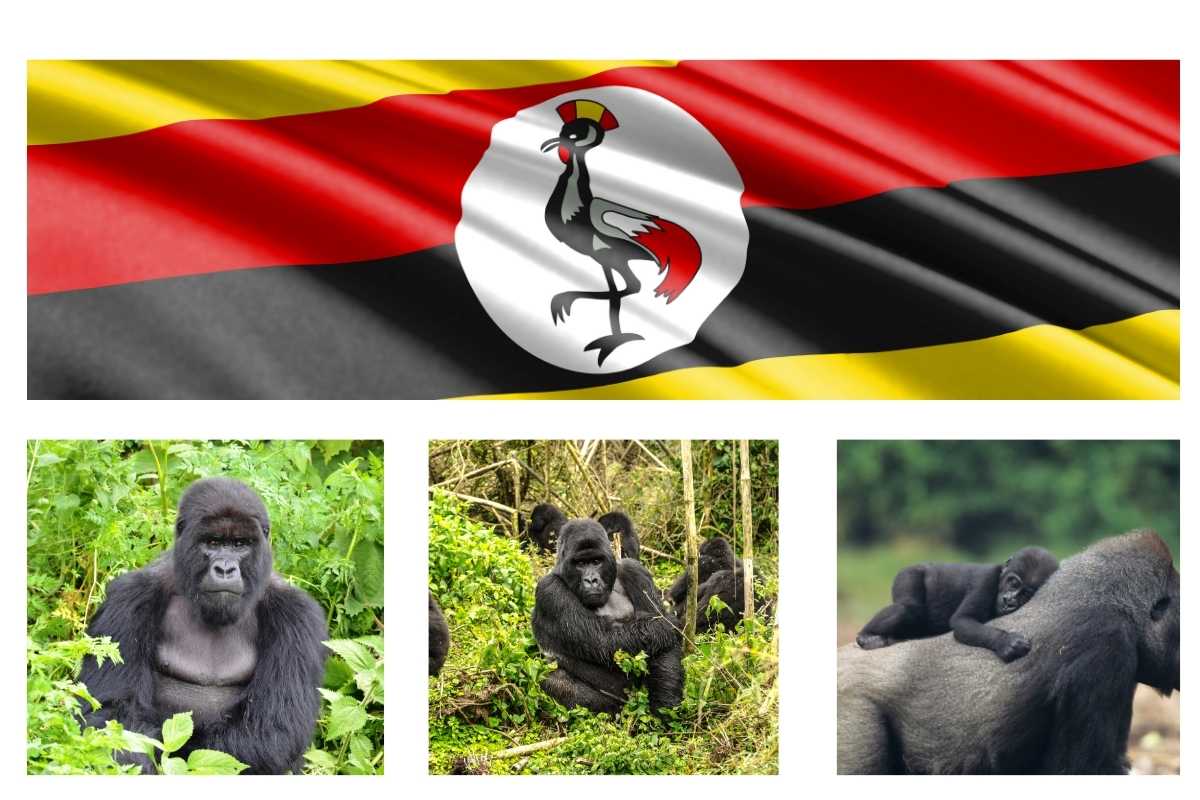
Uganda is one of the most popular and accessible destinations for gorilla trekking in Africa, largely due to its well-established tourism infrastructure and relatively affordable permit fees. The country is home to Bwindi Impenetrable National Park, which shelters nearly half of the world’s remaining mountain gorilla population.
Bwindi is a UNESCO World Heritage Site known for its dense rainforest, steep terrain, and exceptional biodiversity. Gorilla trekking here involves hiking through thick vegetation, guided by experienced rangers who track gorilla families daily. The park is divided into several trekking sectors—Buhoma, Ruhija, Rushaga, and Nkuringo—each offering different gorilla families and trekking experiences.
Uganda is often chosen by travelers who want a balance between cost, conservation impact, and authentic wilderness experience. For example, a traveler combining gorilla trekking with a classic safari can easily add Queen Elizabeth National Park for tree-climbing lions or extend the trip to Murchison Falls for river safaris and big game viewing.
Rwanda: Gorilla Trekking in Volcanoes National Park
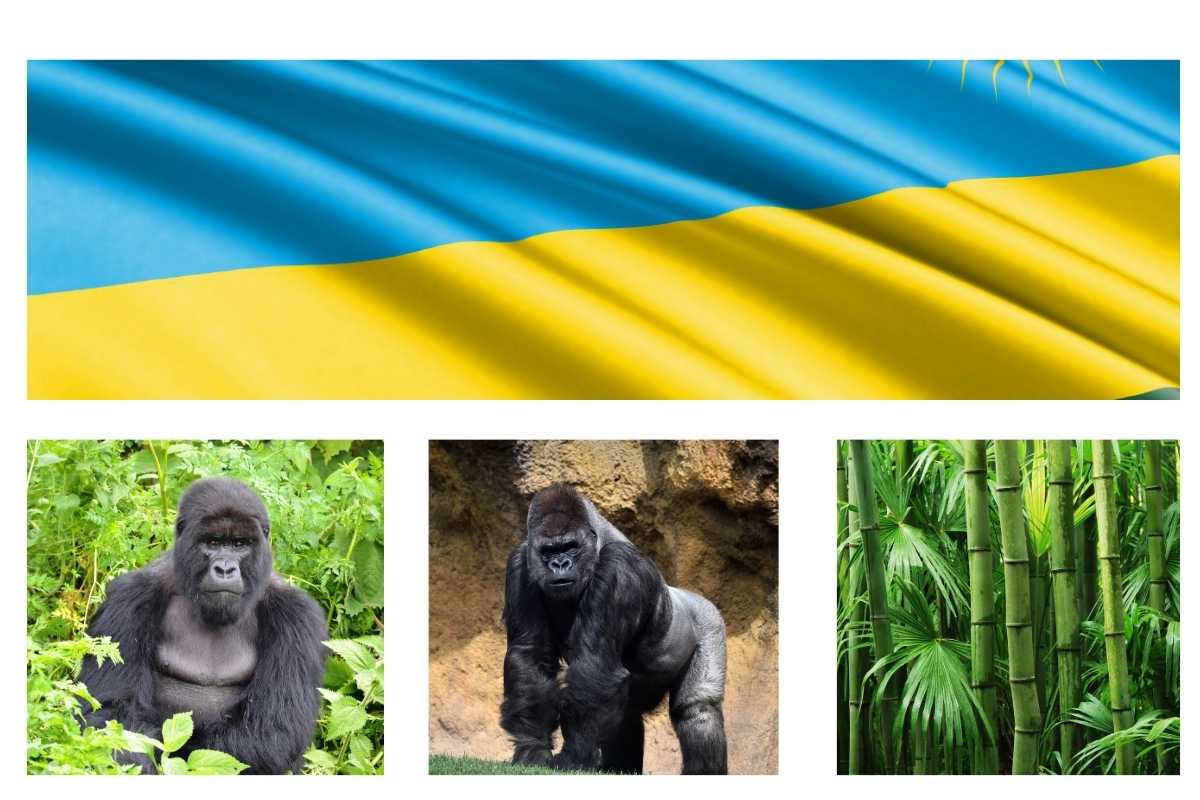
Rwanda offers one of the most refined and well-organized gorilla trekking experiences in Africa. Gorilla trekking takes place in Volcanoes National Park, located in the north of the country, just a two-to-three-hour drive from Kigali International Airport. This ease of access makes Rwanda particularly appealing for travelers with limited time.
Volcanoes National Park is characterized by mist-covered volcanic slopes and open bamboo forests, which often make trekking less physically demanding compared to Bwindi. Rwanda is also known for its high-end, luxury approach to gorilla tourism, with excellent guiding standards and exclusive eco-lodges such as Bisate Lodge and Singita Kwitonda Lodge.
Although Rwanda’s gorilla trekking permits are more expensive than those in Uganda, many travelers consider the cost worthwhile for the comfort, efficiency, and conservation investment. A common example is honeymooners or luxury travelers who want a short but immersive wildlife experience combined with cultural tours or relaxation by Lake Kivu.
Democratic Republic of Congo: Gorilla Trekking in Virunga National Park
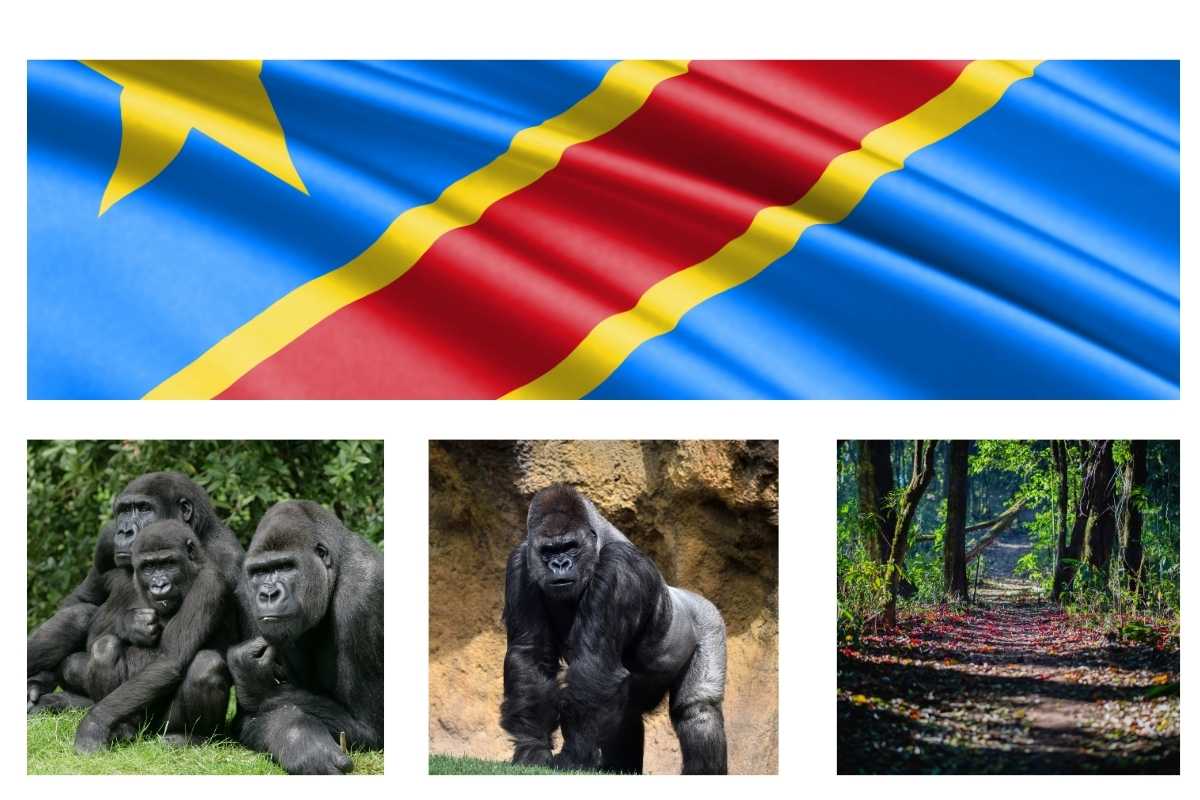
The Democratic Republic of Congo (DRC) offers a more adventurous and less-traveled gorilla trekking option for experienced travelers. Gorilla trekking in the DRC takes place in Virunga National Park, Africa’s oldest national park and one of its most biologically diverse regions.
Virunga is unique because it is home to both mountain gorillas and eastern lowland gorillas, depending on the region visited. Trekking mountain gorillas here is similar to Rwanda’s Volcanoes National Park, as the parks share the same Virunga mountain range. However, the DRC experience tends to be more rugged and less commercialized.
Travelers who choose the DRC are often motivated by adventure, conservation interest, and a desire to explore lesser-known destinations. For instance, some visitors combine gorilla trekking with hiking Mount Nyiragongo, one of the world’s most active volcanoes, creating a dramatic and unforgettable itinerary. That said, travel to the DRC requires careful planning and up-to-date security considerations.
What Is Gorilla Trekking Like? A Realistic Experience Overview
Gorilla trekking is not a passive activity, and understanding what the experience involves helps set realistic expectations. Treks typically begin early in the morning with a briefing by park rangers, after which small groups are assigned to a specific gorilla family. Group sizes are strictly limited to minimize disturbance to the animals.
The hike itself can last anywhere from 30 minutes to several hours, depending on the gorillas’ location that day. Terrain may include steep slopes, muddy trails, and thick undergrowth, especially in Bwindi Impenetrable Forest. Once the gorillas are located, visitors are allowed one hour in their presence, during which they can observe behaviors such as feeding, grooming, playing, and resting.
For many travelers, the moment of locking eyes with a wild silverback or watching young gorillas tumble through the forest is profoundly moving. It is often cited as one of the most meaningful wildlife encounters in the world.
Gorilla Trekking Permits: What You Need to Know
Gorilla trekking requires a government-issued permit, which controls visitor numbers and funds conservation efforts. These permits are mandatory and must be secured in advance, especially during peak seasons.
Permit availability is limited per day, per gorilla family, which is why early planning is essential. For example, during high season months such as June to September and December to February, permits in Rwanda and Uganda can sell out months ahead. The cost of permits varies by country, reflecting different tourism strategies and conservation funding models.
Permit fees typically support park protection, ranger salaries, veterinary care, and community development projects surrounding the parks. This means that every trekker directly contributes to the survival of mountain gorillas and the livelihoods of local communities.
When Is the Best Time to See Gorillas in Africa?
Gorilla trekking is possible year-round, but certain seasons offer more favorable conditions. The dry seasons, generally from June to September and December to February, are considered the best times to trek. During these months, trails are less muddy, and hiking conditions are more manageable.
However, the wet seasons—March to May and October to November—also have advantages. Forests are lush and green, permits may be easier to secure, and some lodges offer lower rates. For photographers, the dramatic mist and rich vegetation can add atmosphere to gorilla encounters.
Ultimately, gorilla sightings are almost guaranteed regardless of season, as gorilla families are tracked daily. The choice of timing often depends more on comfort, budget, and overall travel plans than on wildlife availability.
Combining Gorilla Trekking with Other African Safari Experiences
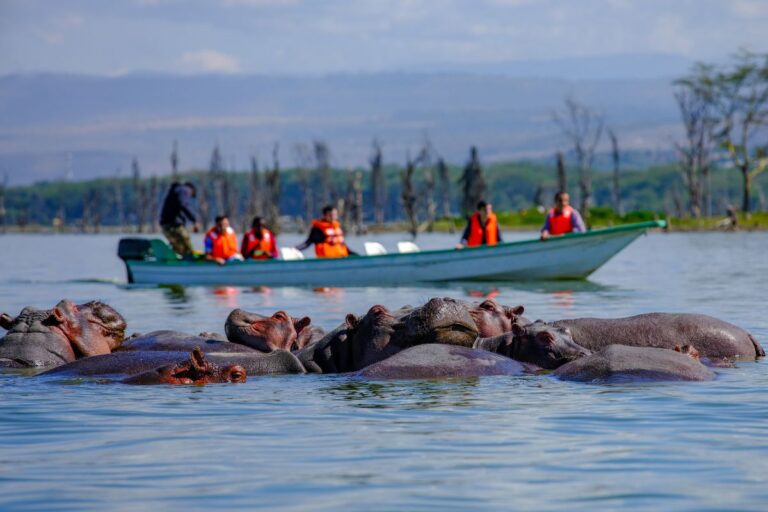
One of the biggest advantages of gorilla trekking in Africa is the ability to combine it with other iconic safari experiences. Uganda allows travelers to pair gorilla trekking with savannah safaris, boat cruises, and birdwatching, making it ideal for longer, varied itineraries.
Rwanda, while smaller, offers meaningful cultural experiences, genocide memorial visits, and scenic retreats around Lake Kivu. Meanwhile, travelers trekking gorillas in the DRC often combine the experience with volcano hikes or expeditions into remote wilderness areas.
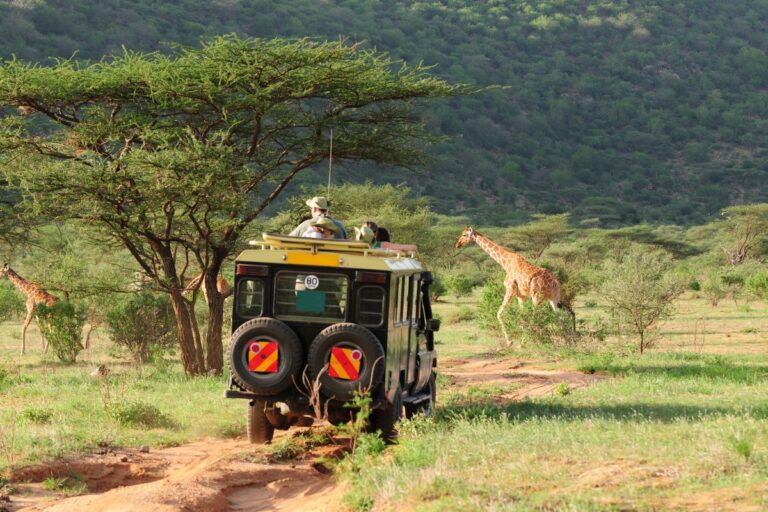
For example, a traveler might trek gorillas in Bwindi, then continue to Kenya or Tanzania for a Big Five safari, creating a diverse itinerary that blends primate encounters with classic African wildlife viewing.
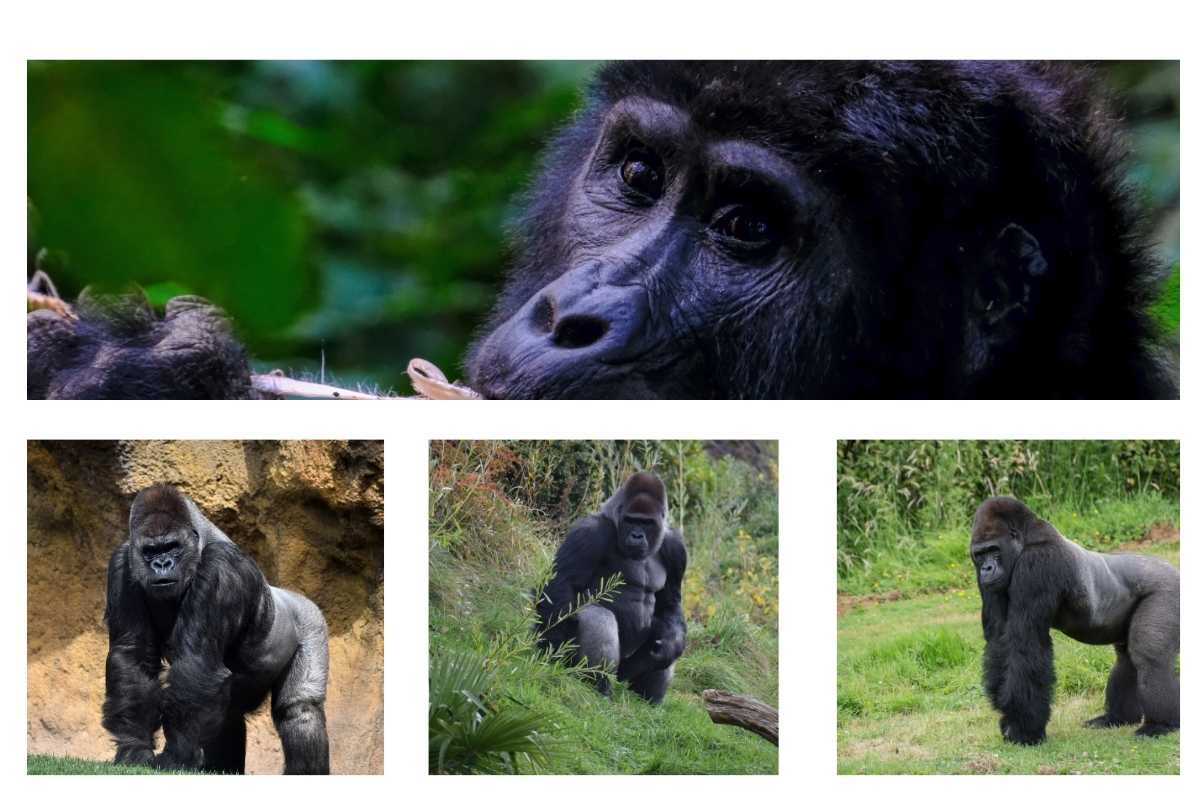
Where Should You See Gorillas in Africa?
So, where can you see gorillas in Africa? The answer depends on what kind of experience you’re seeking. Uganda offers affordability and diversity, Rwanda provides ease, luxury, and efficiency, while the Democratic Republic of Congo appeals to adventurous travelers looking for something off the beaten path.
Regardless of the destination, gorilla trekking is a deeply personal and transformative experience. Seeing these magnificent primates in the wild not only creates lasting memories but also supports critical conservation efforts that protect gorillas for future generations. If you’re ready to start planning, speak with experienced safari specialists to help you choose the right destination, timing, and itinerary to match your preferences and travel style.