Discover Africa Experience the extraordinary
East African savannah landscape beneath a wide open sky

EAST AFRICA WEATHER GUIDE · MARCH

East Africa weather in March

March is a transition month. The long rains begin to develop in parts of Kenya and Tanzania, often first becoming more noticeable later in the month. Uganda's first rainy season commonly strengthens, especially in the south and west. Early March can still bring useful travel windows, but rainfall becomes increasingly important to itinerary planning.

MARCH AT A GLANCE

March is a transition month

March is a transition month. The long rains begin to develop in parts of Kenya and Tanzania, often first becoming more noticeable later in the month. Uganda's first rainy season commonly strengthens, especially in the south and west. Early March can still bring useful travel windows, but rainfall becomes increasingly important to itinerary planning.

East Africa does not have one uniform weather pattern. Altitude, distance from the ocean, lake influence and local topography all affect temperature, rainfall and sunshine. A coastal holiday, a savannah safari and a rainforest trek can experience very different weather during the same week.

CLIMATE COMPARISON

Typical March conditions across the three countries

Broad destination-planning ranges

The ranges below describe broad conditions across representative travel regions, not a single weather station. They are deliberately presented as ranges because coastal, highland, forest and savannah locations differ. Use local forecasts for exact travel dates.

Country / broad regionTypical daytime rangeTypical night rangeRainfall patternSunshine and conditions
Kenya25–31°C13–23°CIncreasingLong rains building, especially later
Tanzania26–32°C14–25°CIncreasing / high southNorthern rains developing; south wet
Uganda25–30°C16–20°CModerate–high south/westFirst rainy season begins

These are indicative planning ranges, not guaranteed measurements or live forecasts. Actual temperatures and rainfall vary by destination, elevation and year. Sunshine duration is highly local and is described qualitatively where a consistent comparable station figure is not available.

COUNTRY-BY-COUNTRY GUIDE

Kenya, Tanzania and Uganda in March

Three countries · many climate zones

01

Kenya weather in March

Regional contrasts between highlands, savannah, drylands and the Indian Ocean coast.

Kenya savannah and wildlife
Kenya has distinct weather conditions between its main travel regions.

March marks the build-up to Kenya's long rains. Early in the month, many destinations may still have warm, relatively settled weather; later weeks can bring more frequent showers and thunderstorms, particularly in the central highlands, west and around the Rift Valley. The Mara and Amboseli become greener as rain develops, while roads can become muddy after heavy showers. The coast remains hot and humid, with showers becoming more likely. Mount Kenya conditions are variable, with cold high-altitude weather year-round.

Key destinations to compare

Nairobi and the central highlands, Maasai Mara and Laikipia, Amboseli and Tsavo, Samburu, Mombasa, Diani and Watamu, Mount Kenya.. Conditions vary by elevation, exposure and local rainfall; check the specific park, coast or trekking area rather than relying on a national average.

Temperature, rainfall and sunshine

Rainfall generally increases through March in many parts of Kenya, northern Tanzania and Uganda's southern and western regions. Southern Tanzania is commonly still in its wet season. Sunny intervals remain common, but cloud builds more often and afternoon or evening storms become increasingly possible. Sunshine duration varies sharply between coast, highlands and rainforest. Daytime heat, cool early starts and local cloud patterns can differ substantially between lowland parks, highland towns and forest reserves.

Safari and outdoor activities

Early March can work for safaris and beach combinations, but later March is less predictable as the rains build. Travellers focused on gorilla or chimpanzee trekking should prepare for wet trails. Allow extra time for road transfers and avoid overly tight schedules. Choose early morning and late afternoon for many outdoor activities, and keep time in the itinerary for weather-related changes.

What to expect on the ground

Lowland safari areas can be warmer than nearby towns. Forests retain humidity and may have wet trails; highland lodges can feel cold after sunset. Ask your accommodation about current track, road and activity conditions.

02

Tanzania weather in March

Northern safari circuit, tropical coast and southern wet-season contrasts.

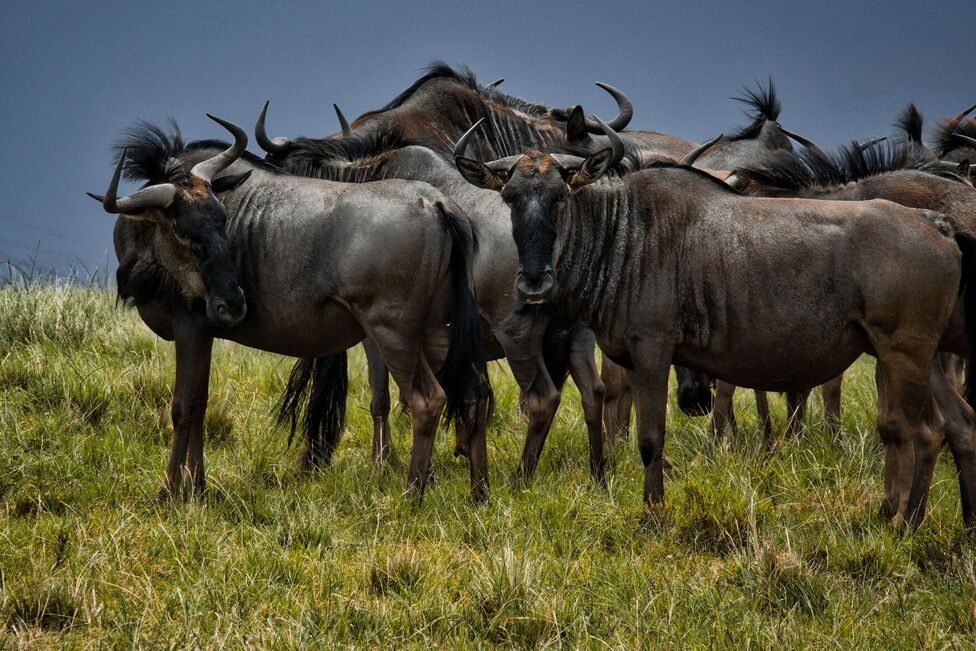
Tanzania safari landscape
Tanzania has distinct weather conditions between its main travel regions.

Northern Tanzania moves toward its long-rain period, with showers often becoming more frequent as March progresses. The Serengeti can be lush after the calving season, while Arusha, Tarangire and Ngorongoro experience increasingly changeable conditions. The coast and Zanzibar are hot and humid, with rainfall risk rising. In southern Tanzania the main wet season is well established, and some remote tracks or camps may be affected by rain.

Key destinations to compare

Serengeti and Ngorongoro, Arusha and Kilimanjaro foothills, Tarangire and Lake Manyara, Zanzibar and Pemba, Dar es Salaam coast, Ruaha and Nyerere.. Conditions vary by elevation, exposure and local rainfall; check the specific park, coast or trekking area rather than relying on a national average.

Temperature, rainfall and sunshine

Rainfall generally increases through March in many parts of Kenya, northern Tanzania and Uganda's southern and western regions. Southern Tanzania is commonly still in its wet season. Sunny intervals remain common, but cloud builds more often and afternoon or evening storms become increasingly possible. Sunshine duration varies sharply between coast, highlands and rainforest. Daytime heat, cool early starts and local cloud patterns can differ substantially between lowland parks, highland towns and forest reserves.

Safari and outdoor activities

Early March can work for safaris and beach combinations, but later March is less predictable as the rains build. Travellers focused on gorilla or chimpanzee trekking should prepare for wet trails. Allow extra time for road transfers and avoid overly tight schedules. Choose early morning and late afternoon for many outdoor activities, and keep time in the itinerary for weather-related changes.

What to expect on the ground

Lowland safari areas can be warmer than nearby towns. Forests retain humidity and may have wet trails; highland lodges can feel cold after sunset. Ask your accommodation about current track, road and activity conditions.
03

Uganda weather in March

Warm savannah parks, lake-influenced towns and cool mountain rainforests.

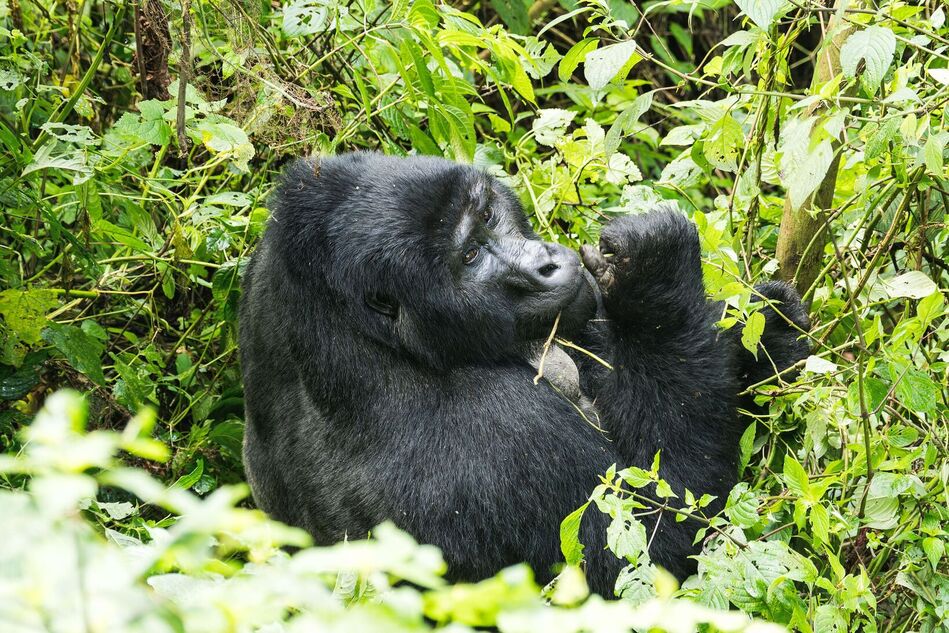
Uganda rainforest and mountain landscape
Uganda has distinct weather conditions between its main travel regions.

March is usually the beginning of Uganda's first rainy season, particularly around Lake Victoria, the central region and the south-west. Kampala and Entebbe can see more regular showers. Forest trekking in Kibale, Bwindi and Mgahinga can become muddier, while Murchison Falls and the north may be relatively drier than the south. Rain rarely means it rains all day, but plans should allow flexibility.

Key destinations to compare

Kampala and Entebbe, Murchison Falls, Queen Elizabeth, Kibale, Bwindi and Mgahinga, Lake Bunyonyi.. Conditions vary by elevation, exposure and local rainfall; check the specific park, coast or trekking area rather than relying on a national average.

Temperature, rainfall and sunshine

Rainfall generally increases through March in many parts of Kenya, northern Tanzania and Uganda's southern and western regions. Southern Tanzania is commonly still in its wet season. Sunny intervals remain common, but cloud builds more often and afternoon or evening storms become increasingly possible. Sunshine duration varies sharply between coast, highlands and rainforest. Daytime heat, cool early starts and local cloud patterns can differ substantially between lowland parks, highland towns and forest reserves.

Safari and outdoor activities

Early March can work for safaris and beach combinations, but later March is less predictable as the rains build. Travellers focused on gorilla or chimpanzee trekking should prepare for wet trails. Allow extra time for road transfers and avoid overly tight schedules. Choose early morning and late afternoon for many outdoor activities, and keep time in the itinerary for weather-related changes.

What to expect on the ground

Lowland safari areas can be warmer than nearby towns. Forests retain humidity and may have wet trails; highland lodges can feel cold after sunset. Ask your accommodation about current track, road and activity conditions.
PLAN BY EXPERIENCE

What is March like for an East African holiday?

Wildlife safaris

Early March can work for safaris and beach combinations, but later March is less predictable as the rains build. Travellers focused on gorilla or chimpanzee trekking should prepare for wet trails. Allow extra time for road transfers and avoid overly tight schedules.

Beach holidays

Kenya's coast and Tanzania's islands remain tropical. Consider heat, humidity, sea conditions and local shower patterns when planning water activities.

Gorilla and chimpanzee trekking

Uganda's forest parks are humid environments in every season. Trails may be slippery after rain; sturdy boots, gaiters and waterproof protection are useful throughout the year.

Mountain experiences

Mount Kenya and Kilimanjaro have their own high-altitude climates. Temperatures fall rapidly with elevation and summit weather can be cold, windy and changeable whatever the lowland forecast says.

Photography and birding

Light changes with cloud, dust, rain and vegetation. Early morning and late afternoon often provide softer light and more comfortable conditions for outdoor observation.

Multi-country journeys

Allow for climate changes between countries and elevations. A warm coastal stay may be followed by cool highland nights or wet forest trekking conditions.

PRACTICAL TRAVEL ADVICE

What to pack for East Africa in March

  • Breathable clothing for warm lowlands, savannah parks and coastal destinations.
  • A light fleece or jacket for highland evenings and early morning game drives.
  • Sun hat, sunglasses and high-SPF sunscreen for strong equatorial UV.
  • Insect repellent and comfortable closed shoes for outdoor activities.
  • A compact waterproof jacket and quick-drying layers for showers.
  • For gorilla and chimpanzee trekking: waterproof hiking boots, gaiters and a rain cover for your daypack.
  • For Mount Kenya and Kilimanjaro: specialist cold-weather equipment as advised by your trekking operator.
  • Swimwear and sandals for coastal and island stays when sea conditions are suitable.

MARCH WEATHER QUESTIONS

Frequently asked questions

Is March a good time to visit East Africa?

March can be a shoulder-season month. The first part may be more settled than the latter part, when long rains develop in Kenya and Tanzania and Uganda's first rainy season becomes more established.

Does it rain in Kenya, Tanzania and Uganda in March?

Rainfall generally increases through March in many parts of Kenya, northern Tanzania and Uganda's southern and western regions. Southern Tanzania is commonly still in its wet season. Rainfall varies between coast, highlands, savannah and forest, so check the exact destinations on your itinerary.

Which country is best to visit in March?

There is no single best country for every traveller. Kenya, Tanzania and Uganda each offer different combinations of safari, beach, mountain and forest experiences. Choose based on the activities you want and the conditions in the specific destinations.

How hot is East Africa in March?

Lowland and coastal destinations are generally warmer than elevated towns and mountain parks. The broad country ranges above are planning guides; exact temperatures depend on elevation and location.

Can I go on safari in March?

Safari is possible throughout the year, but rainfall can affect vegetation, animal distribution, road access and lodge operations. Select parks according to the month's regional pattern and check current conditions.

What should I pack for March?

Pack light layers, sun protection and comfortable walking shoes. Add a warm layer for highlands and early starts, plus rain protection for forests and showers.

TRAVEL WITH SPARWILD

Choose the right destinations for your travel month.

Tell us whether you are interested in wildlife safaris, beach holidays, gorilla trekking or a combination of experiences.

Plan My Safari ↗