Discover Africa Experience the extraordinary
East African savannah landscape beneath a wide open sky

EAST AFRICA WEATHER GUIDE · JULY

East Africa weather in July

July is one of the most popular safari months in East Africa. Much of Kenya and northern Tanzania is in a dry season, and Uganda is often relatively dry. Days can be sunny, nights cool in highlands, and dusty conditions may develop in some savannah areas.

JULY AT A GLANCE

July is one of the most popular safari months in East Africa

July is one of the most popular safari months in East Africa. Much of Kenya and northern Tanzania is in a dry season, and Uganda is often relatively dry. Days can be sunny, nights cool in highlands, and dusty conditions may develop in some savannah areas.

East Africa does not have one uniform weather pattern. Altitude, distance from the ocean, lake influence and local topography all affect temperature, rainfall and sunshine. A coastal holiday, a savannah safari and a rainforest trek can experience very different weather during the same week.

CLIMATE COMPARISON

Typical July conditions across the three countries

Broad destination-planning ranges

The ranges below describe broad conditions across representative travel regions, not a single weather station. They are deliberately presented as ranges because coastal, highland, forest and savannah locations differ. Use local forecasts for exact travel dates.

Country / broad regionTypical daytime rangeTypical night rangeRainfall patternSunshine and conditions
Kenya20–27°C8–18°CLow in many regionsCool, dry; highland mornings chilly
Tanzania21–28°C8–20°CLow in northDry-season safari conditions
Uganda24–29°C15–19°CGenerally lowerRelatively dry; humid forests

These are indicative planning ranges, not guaranteed measurements or live forecasts. Actual temperatures and rainfall vary by destination, elevation and year. Sunshine duration is highly local and is described qualitatively where a consistent comparable station figure is not available.

COUNTRY-BY-COUNTRY GUIDE

Kenya, Tanzania and Uganda in July

Three countries · many climate zones

01

Kenya weather in July

Regional contrasts between highlands, savannah, drylands and the Indian Ocean coast.

Kenya savannah and wildlife
Kenya has distinct weather conditions between its main travel regions.

July is typically cool and dry in much of Kenya. Nairobi and the central highlands can have crisp mornings and mild afternoons. The Maasai Mara is busy as the migration herds move through the wider ecosystem; river crossings are possible but never guaranteed on a particular date. Samburu, Laikipia, Amboseli and Tsavo are generally dry, with wildlife gathering around reliable water. The coast is warm and often breezy.

Key destinations to compare

Maasai Mara, Laikipia, Samburu, Amboseli and Tsavo, Nairobi, Mombasa, Diani and Watamu, Mount Kenya.. Conditions vary by elevation, exposure and local rainfall; check the specific park, coast or trekking area rather than relying on a national average.

Temperature, rainfall and sunshine

Generally low across many savannah safari areas, but mountain forests and highlands can still receive rain or mist. Many open areas have long sunny spells and strong daylight. Dust and glare can affect photography; use sun protection and keep camera equipment clean. Daytime heat, cool early starts and local cloud patterns can differ substantially between lowland parks, highland towns and forest reserves.

Safari and outdoor activities

July is excellent for classic safari combinations and popular for migration-focused travel. It is peak season in many locations, so accommodation and gorilla permits should be secured early. Expect cooler mornings and busy parks. Choose early morning and late afternoon for many outdoor activities, and keep time in the itinerary for weather-related changes.

What to expect on the ground

Lowland safari areas can be warmer than nearby towns. Forests retain humidity and may have wet trails; highland lodges can feel cold after sunset. Ask your accommodation about current track, road and activity conditions.

02

Tanzania weather in July

Northern safari circuit, tropical coast and southern wet-season contrasts.

Tanzania safari landscape
Tanzania has distinct weather conditions between its main travel regions.

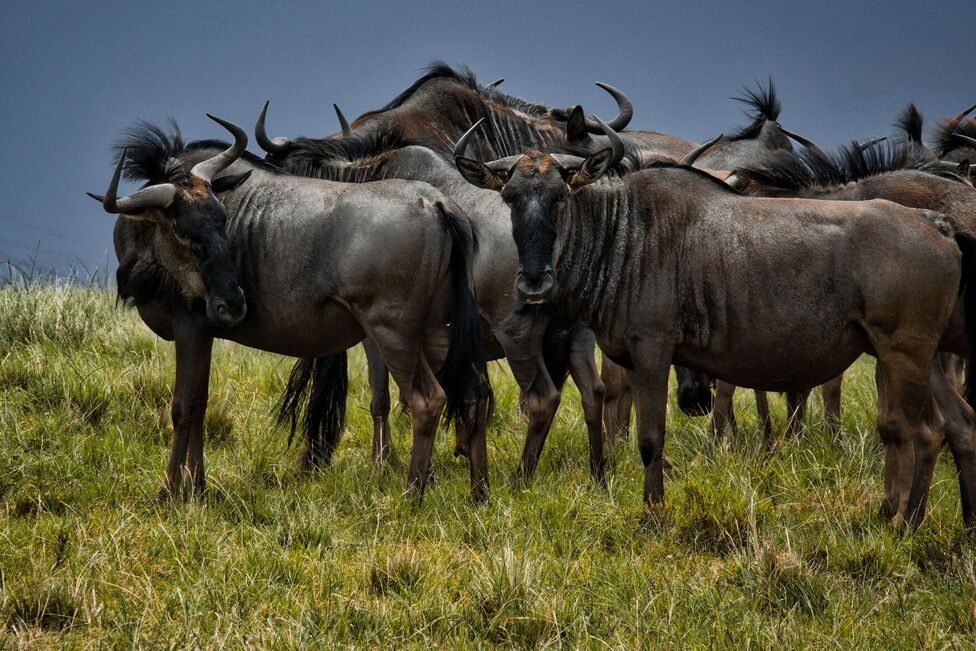
July is a dry-season month in northern Tanzania. The Serengeti migration may be in the western corridor or moving north, depending on rainfall and grazing. Ngorongoro mornings can be cold, while lower parks are warmer during the day. Zanzibar is generally warm and less humid than in the hottest months. Southern parks are often drier, although remote tracks and wildlife conditions vary.

Key destinations to compare

Serengeti, Ngorongoro, Tarangire and Lake Manyara, Arusha and Kilimanjaro, Zanzibar, Ruaha and Nyerere.. Conditions vary by elevation, exposure and local rainfall; check the specific park, coast or trekking area rather than relying on a national average.

Temperature, rainfall and sunshine

Generally low across many savannah safari areas, but mountain forests and highlands can still receive rain or mist. Many open areas have long sunny spells and strong daylight. Dust and glare can affect photography; use sun protection and keep camera equipment clean. Daytime heat, cool early starts and local cloud patterns can differ substantially between lowland parks, highland towns and forest reserves.

Safari and outdoor activities

July is excellent for classic safari combinations and popular for migration-focused travel. It is peak season in many locations, so accommodation and gorilla permits should be secured early. Expect cooler mornings and busy parks. Choose early morning and late afternoon for many outdoor activities, and keep time in the itinerary for weather-related changes.

What to expect on the ground

Lowland safari areas can be warmer than nearby towns. Forests retain humidity and may have wet trails; highland lodges can feel cold after sunset. Ask your accommodation about current track, road and activity conditions.
03

Uganda weather in July

Warm savannah parks, lake-influenced towns and cool mountain rainforests.

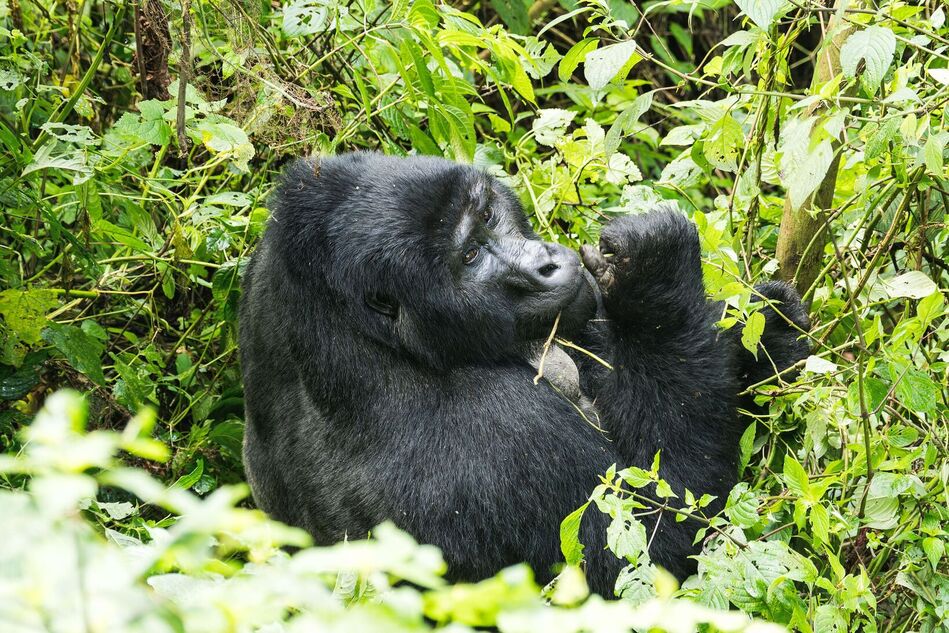
Uganda rainforest and mountain landscape
Uganda has distinct weather conditions between its main travel regions.

July is commonly within Uganda's drier mid-year period. Murchison Falls and Queen Elizabeth can be good for savannah game viewing, while Bwindi and Kibale remain moist forests with possible showers. Gorilla trekking can be popular, so permits should be arranged well in advance. Highlands are cooler, especially after sunset.

Key destinations to compare

Murchison Falls, Queen Elizabeth, Bwindi and Mgahinga, Kibale, Kampala and Entebbe, Lake Bunyonyi.. Conditions vary by elevation, exposure and local rainfall; check the specific park, coast or trekking area rather than relying on a national average.

Temperature, rainfall and sunshine

Generally low across many savannah safari areas, but mountain forests and highlands can still receive rain or mist. Many open areas have long sunny spells and strong daylight. Dust and glare can affect photography; use sun protection and keep camera equipment clean. Daytime heat, cool early starts and local cloud patterns can differ substantially between lowland parks, highland towns and forest reserves.

Safari and outdoor activities

July is excellent for classic safari combinations and popular for migration-focused travel. It is peak season in many locations, so accommodation and gorilla permits should be secured early. Expect cooler mornings and busy parks. Choose early morning and late afternoon for many outdoor activities, and keep time in the itinerary for weather-related changes.

What to expect on the ground

Lowland safari areas can be warmer than nearby towns. Forests retain humidity and may have wet trails; highland lodges can feel cold after sunset. Ask your accommodation about current track, road and activity conditions.
PLAN BY EXPERIENCE

What is July like for an East African holiday?

Wildlife safaris

July is excellent for classic safari combinations and popular for migration-focused travel. It is peak season in many locations, so accommodation and gorilla permits should be secured early. Expect cooler mornings and busy parks.

Beach holidays

Kenya's coast and Tanzania's islands remain tropical. Consider heat, humidity, sea conditions and local shower patterns when planning water activities.

Gorilla and chimpanzee trekking

Uganda's forest parks are humid environments in every season. Trails may be slippery after rain; sturdy boots, gaiters and waterproof protection are useful throughout the year.

Mountain experiences

Mount Kenya and Kilimanjaro have their own high-altitude climates. Temperatures fall rapidly with elevation and summit weather can be cold, windy and changeable whatever the lowland forecast says.

Photography and birding

Light changes with cloud, dust, rain and vegetation. Early morning and late afternoon often provide softer light and more comfortable conditions for outdoor observation.

Multi-country journeys

Allow for climate changes between countries and elevations. A warm coastal stay may be followed by cool highland nights or wet forest trekking conditions.

PRACTICAL TRAVEL ADVICE

What to pack for East Africa in July

  • Breathable clothing for warm lowlands, savannah parks and coastal destinations.
  • A light fleece or jacket for highland evenings and early morning game drives.
  • Sun hat, sunglasses and high-SPF sunscreen for strong equatorial UV.
  • Insect repellent and comfortable closed shoes for outdoor activities.
  • A compact waterproof jacket and quick-drying layers for showers.
  • For gorilla and chimpanzee trekking: waterproof hiking boots, gaiters and a rain cover for your daypack.
  • For Mount Kenya and Kilimanjaro: specialist cold-weather equipment as advised by your trekking operator.
  • Swimwear and sandals for coastal and island stays when sea conditions are suitable.

JULY WEATHER QUESTIONS

Frequently asked questions

Is July a good time to visit East Africa?

July is a popular dry-season month for Kenya and Tanzania safaris and Uganda wildlife trips. The Great Migration is in motion, but exact herd locations and river crossings cannot be guaranteed.

Does it rain in Kenya, Tanzania and Uganda in July?

Generally low across many savannah safari areas, but mountain forests and highlands can still receive rain or mist. Rainfall varies between coast, highlands, savannah and forest, so check the exact destinations on your itinerary.

Which country is best to visit in July?

There is no single best country for every traveller. Kenya, Tanzania and Uganda each offer different combinations of safari, beach, mountain and forest experiences. Choose based on the activities you want and the conditions in the specific destinations.

How hot is East Africa in July?

Lowland and coastal destinations are generally warmer than elevated towns and mountain parks. The broad country ranges above are planning guides; exact temperatures depend on elevation and location.

Can I go on safari in July?

Safari is possible throughout the year, but rainfall can affect vegetation, animal distribution, road access and lodge operations. Select parks according to the month's regional pattern and check current conditions.

What should I pack for July?

Pack light layers, sun protection and comfortable walking shoes. Add a warm layer for highlands and early starts, plus rain protection for forests and showers.

TRAVEL WITH SPARWILD

Choose the right destinations for your travel month.

Tell us whether you are interested in wildlife safaris, beach holidays, gorilla trekking or a combination of experiences.

Plan My Safari ↗