Discover Africa Experience the extraordinary
African wilderness beneath a wide open sky

BEST PLACES TO VISIT IN AFRICA · FEBRUARY

Best places to visit in Africa in February

February is a remarkable time to be in East Africa. Follow the wildebeest calving season in Tanzania, explore Kenya's wildlife-rich reserves and venture into Uganda's forests for gorilla and chimpanzee encounters.

THE EAST AFRICAN SEASON

February brings you close to one of Africa's great wildlife spectacles.

February is generally part of the short dry-season window in many East African safari areas. Kenya can offer warm, relatively dry conditions for game viewing, while Uganda is often in a favourable period for gorilla and chimpanzee trekking. In Tanzania, the southern Serengeti and Ndutu plains are a major focus as wildebeest calving reaches its peak.

Conditions are not identical everywhere. Altitude, local rainfall and changing wildlife movements all influence what you will experience. Plan around the destinations and activities that matter most to you, and allow flexibility for the migration herds to move with the grazing.

WHERE TO TRAVEL

Three countries. Three different February experiences.

Choose the landscape and wildlife experience that best fits your journey.

01 · KENYA

Open plains, big cats and a coast worth staying for

February is usually warm and relatively dry in many of Kenya's safari regions. Wildlife viewing can be rewarding around water sources and in open habitats, although conditions differ between the coast, highlands and northern reserves. Expect warm afternoons and plan game drives for the cooler hours around sunrise and late afternoon.

Where to consider

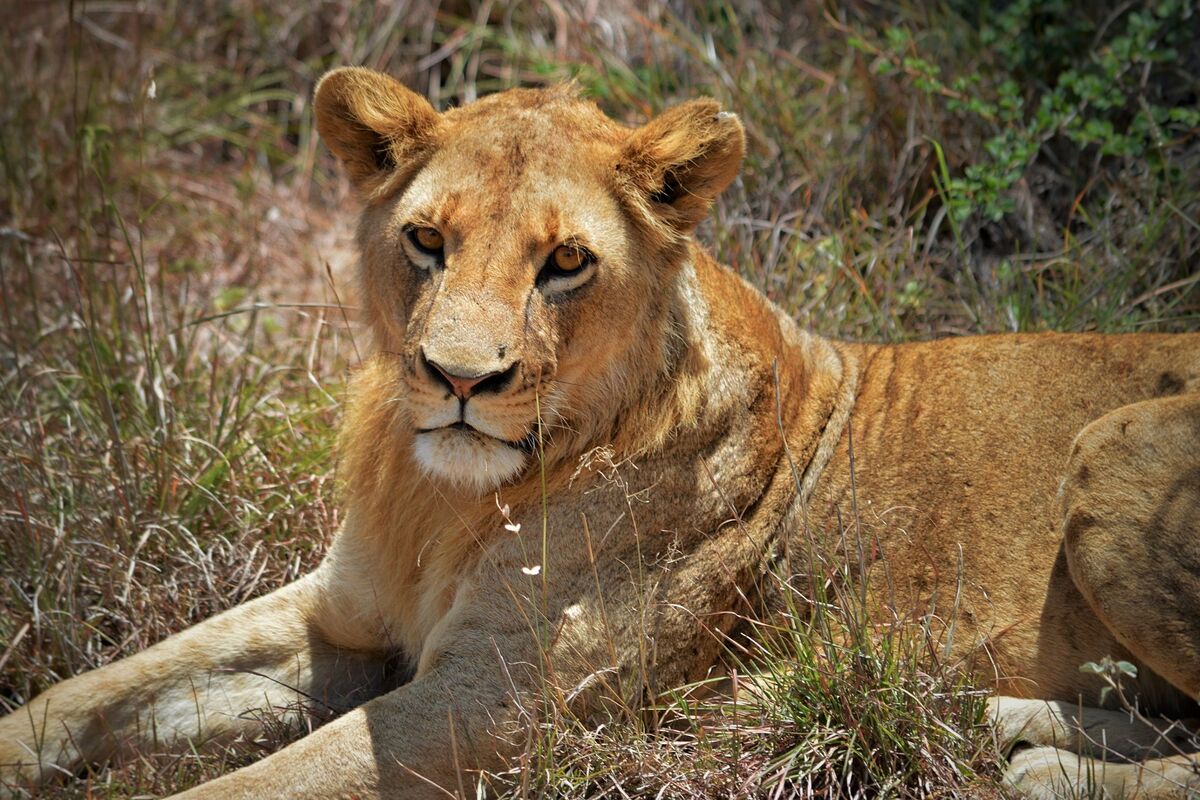
  • Maasai Mara: Resident lions, leopards, cheetahs, elephants and plains game remain a major draw. The Great Migration is generally in the Serengeti at this time, not the Mara.
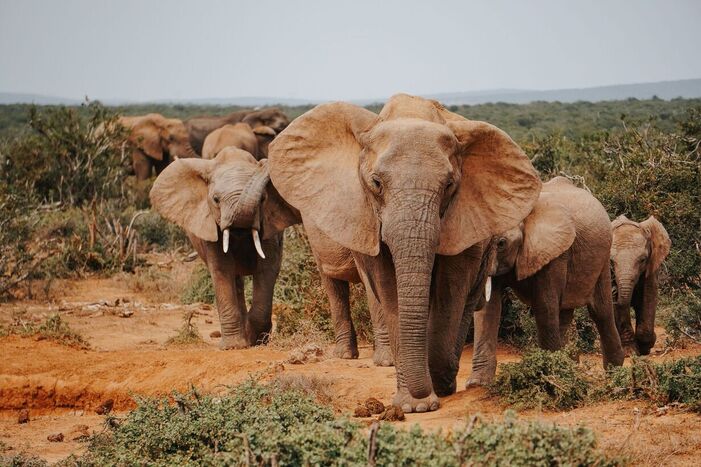
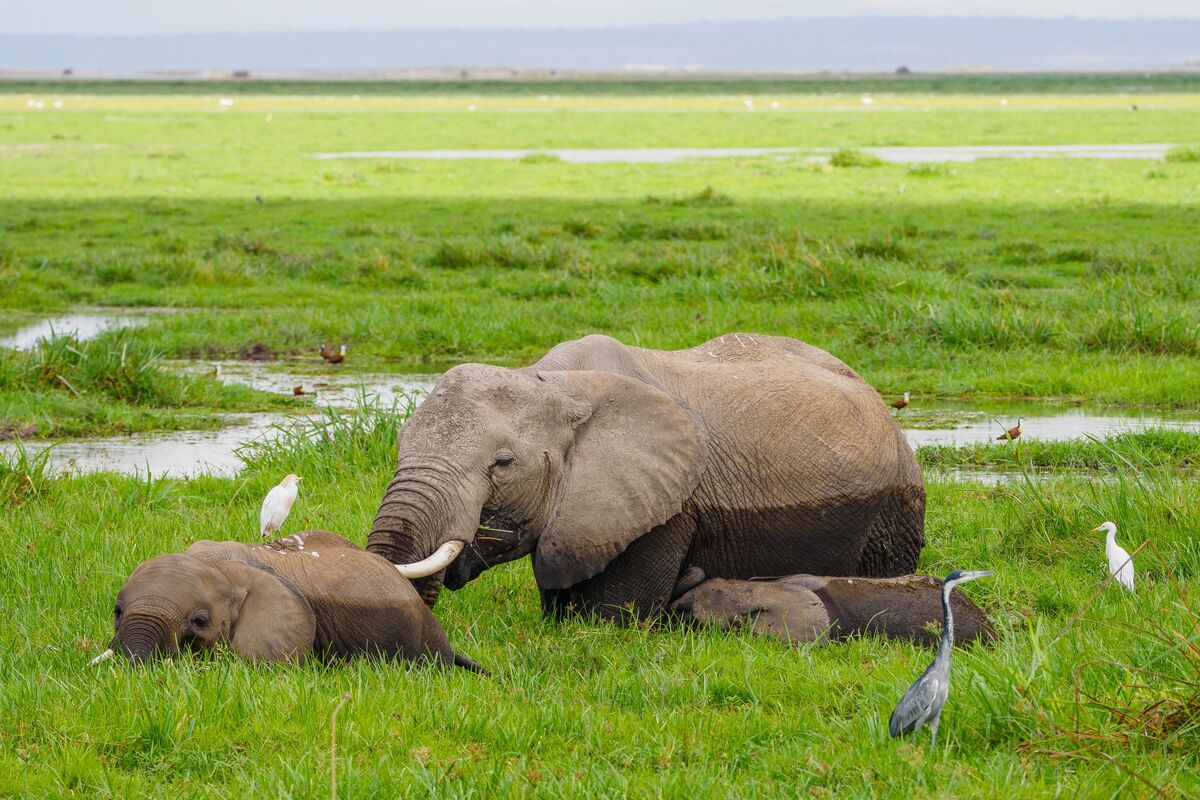
  • Amboseli: Look for large elephant herds and expansive views towards Mount Kilimanjaro when skies are clear.
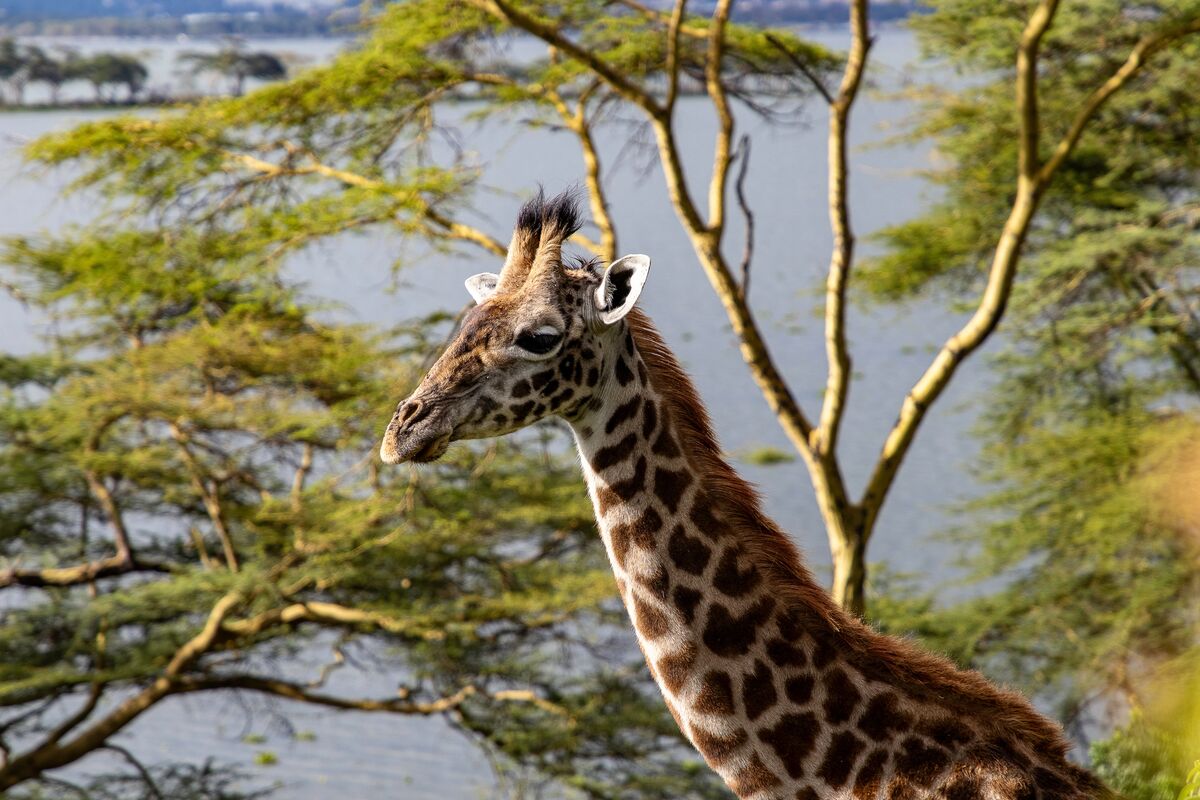
  • Samburu: Explore a drier northern landscape known for distinctive wildlife, including Grevy's zebra, reticulated giraffe and gerenuk.
  • Lake Nakuru: A varied wildlife and birding stop that can complement a longer circuit.

February idea: Combine two contrasting safari areas, then finish with time on the Kenyan coast if your schedule allows.

Explore Kenya destinations
02 · TANZANIA

Follow the wildebeest calving season in the southern Serengeti

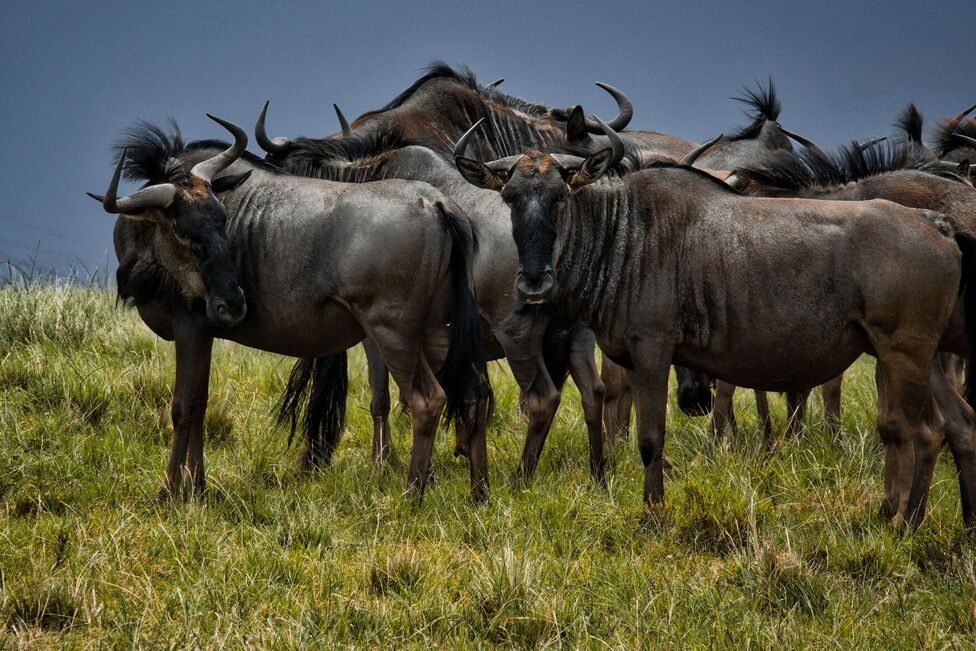
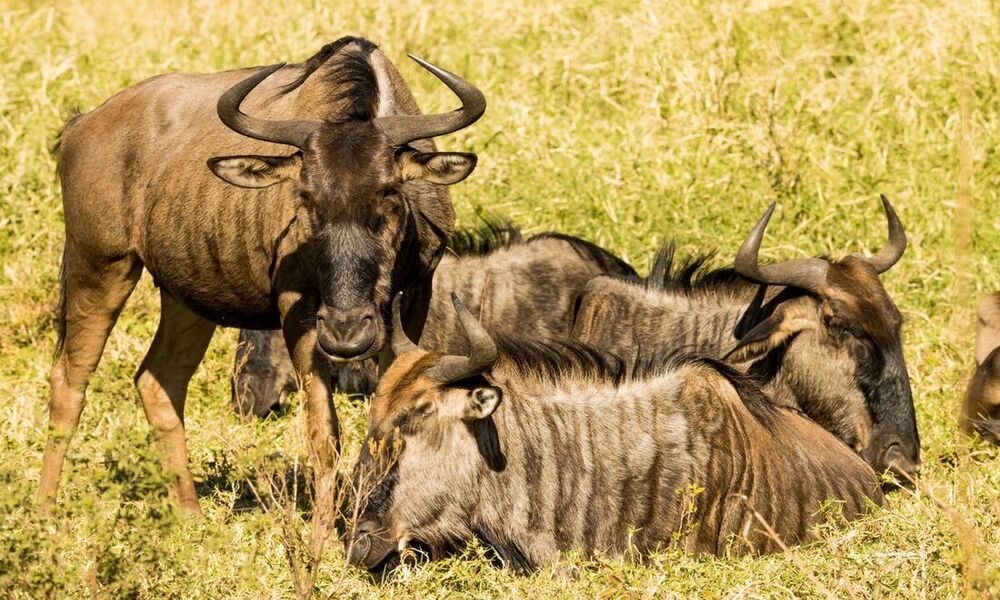
February is a standout month for the southern Serengeti and Ndutu, where wildebeest calving is often at its peak. Large herds gather on the short-grass plains and many calves are born over a concentrated period. The abundance of young animals attracts lions, cheetahs and hyenas, creating compelling predator-prey encounters.

Where to consider

  • Southern Serengeti and Ndutu: A strong choice for witnessing the calving season and the predator activity that follows the herds.
  • Ngorongoro Conservation Area: Add the crater for a different landscape and excellent year-round wildlife viewing.
  • Tarangire: Consider its baobab-dotted scenery and resident wildlife as part of a northern circuit.
  • Zanzibar: Extend your safari with warm Indian Ocean beaches, historic Stone Town and opportunities for snorkelling and diving.

February idea: Spend several nights around the southern Serengeti or Ndutu rather than rushing between distant parks. Wildlife movements are seasonal, so route planning matters.

Explore Tanzania destinations

03 · UGANDA

Gorilla forests, chimpanzees and classic wildlife parks

February falls within Uganda's December-to-February drier season and can be a favourable month to combine primate encounters with classic wildlife viewing. Forests remain humid and rain is possible, but trekking trails may be less wet than during the main rainy seasons.

Where to consider

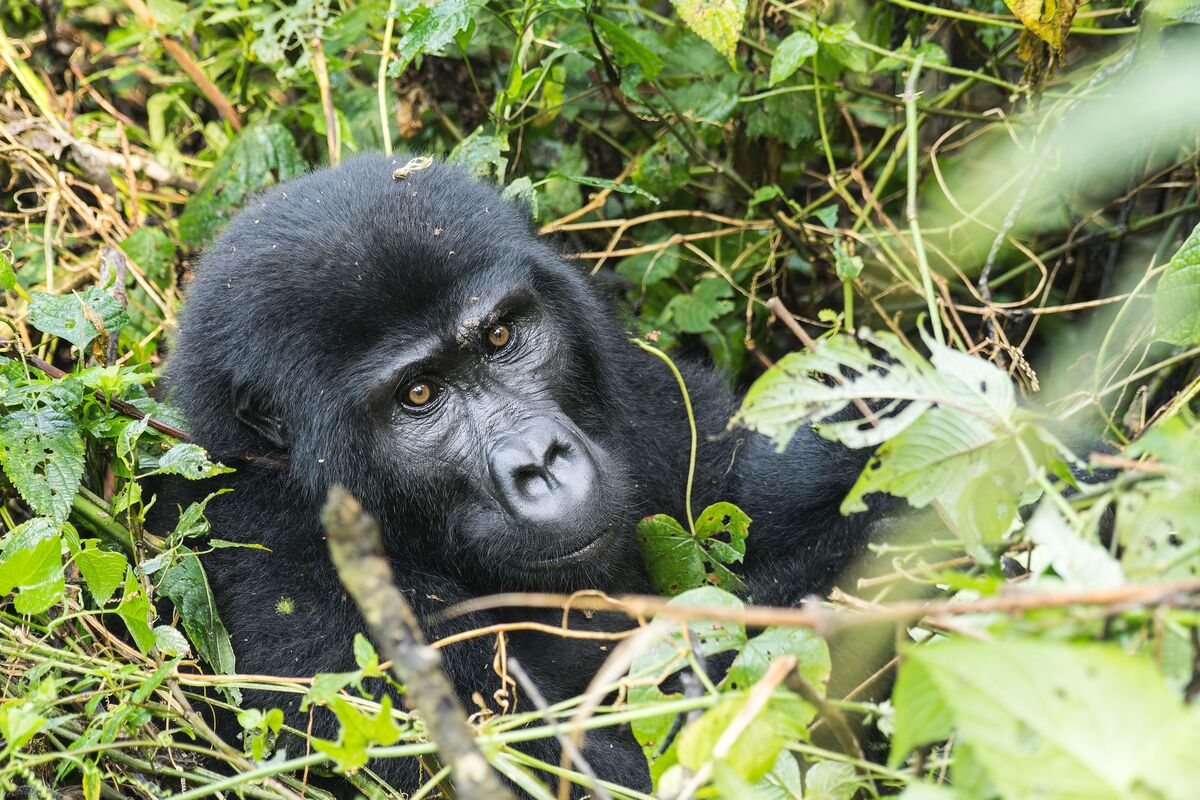
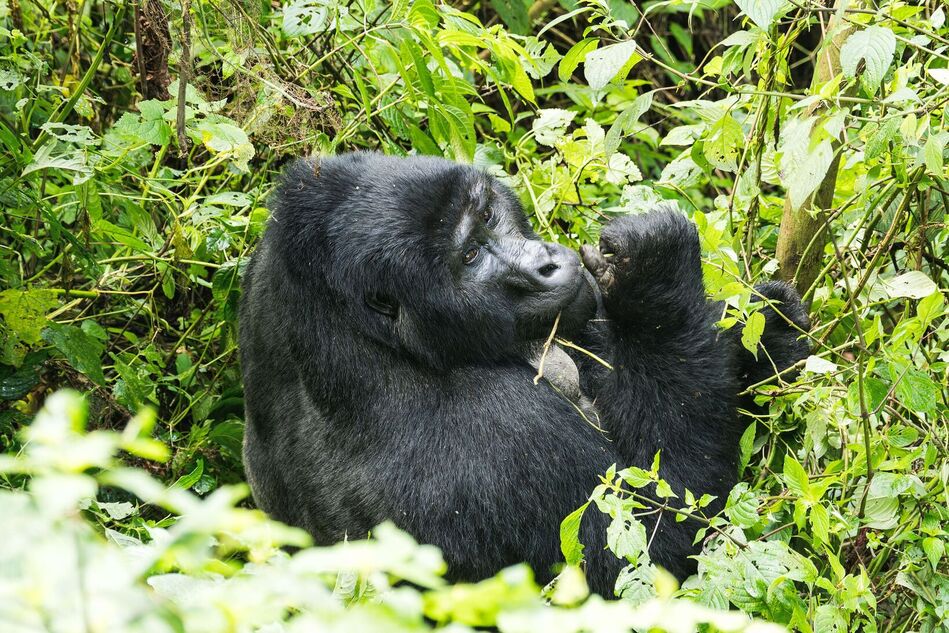
  • Bwindi Impenetrable National Park: Plan a mountain gorilla trekking experience with a valid permit and a suitable level of fitness.
  • Kibale Forest: A leading destination for chimpanzee tracking and forest birdlife.
  • Queen Elizabeth National Park: Combine game drives with a boat trip along the Kazinga Channel.
  • Murchison Falls National Park: Experience the Nile, powerful waterfalls and savannah wildlife.

February idea: Pair gorilla trekking with Kibale or Queen Elizabeth National Park for a varied Uganda journey. Secure trekking permits before confirming the rest of the arrangements.

Explore Uganda destinations

FEBRUARY WILDLIFE HIGHLIGHT

A front-row view of wildebeest calving

February is often the heart of the wildebeest calving season in the southern Serengeti ecosystem. Calves arrive across the open plains, and the concentration of herds draws predators. Patient game drives around Ndutu and the southern plains can offer opportunities to observe this remarkable cycle of life.

The herds do not follow a fixed timetable. Rainfall and fresh grazing influence where they gather, so a knowledgeable guide and a flexible route are important when planning a February migration safari.

Explore safari journeys

FIND YOUR FEBRUARY JOURNEY

Top Safari packages for February

Explore journeys from our collection. Each itinerary can be tailored to your dates, interests and travel style.

PLAN WITH CONFIDENCE

What to know before travelling in February

A few practical considerations can make your journey smoother.

01

Book key experiences early

February is a popular period for the southern Serengeti calving season. Reserve migration-area camps, internal flights and gorilla permits early, especially for fixed travel dates.

02

Plan for warm days

Pack light, breathable clothing, sun protection and a refillable water bottle. Early morning game drives and higher-altitude areas can feel cool, so bring a light layer.

03

Allow for regional weather

February is often relatively dry in many safari areas, but local showers can still occur. Forest trekking, mountain routes and remote roads need flexible planning.

04

Choose the right route

Distances between parks can be substantial. Avoid squeezing too many destinations into a short trip; allow time to enjoy each place rather than spending the holiday in transit.

05

Think about a beach extension

Kenya's coast and Zanzibar can provide a warm beach extension after safari. February can be hot, so plan outdoor activities around the heat and check local sea conditions.

06

Confirm health and entry advice

Check current entry requirements and seek professional travel-health advice well before departure. Requirements can depend on your itinerary and countries visited.

IDEAS FOR YOUR ITINERARY

Three ways to shape a February journey

These are starting points. Your final route should reflect your dates, interests and preferred pace.

Kenyan savannah landscape on safari

KENYA

Classic safari and coast

Explore Amboseli, Samburu or the Maasai Mara, then add a few days on Kenya's Indian Ocean coast.

Explore Kenya safaris ↗
Tanzanian wilderness and safari landscape

TANZANIA

Calving season in the southern Serengeti

Spend several nights around Ndutu and the southern Serengeti, with Ngorongoro as a possible addition.

Explore Tanzania safaris ↗
Ugandan tropical forest landscape

UGANDA

Primates and wildlife

Combine gorilla trekking in Bwindi with chimpanzee tracking or wildlife viewing in Queen Elizabeth National Park.

Explore Uganda safaris ↗

GOOD TO KNOW

February safari questions

Is February a good month for an East African safari?

Yes. February is often a rewarding month for wildlife viewing in Kenya, Tanzania and Uganda. It is especially notable for wildebeest calving in the southern Serengeti and Ndutu area. Conditions vary by destination and can change from year to year.

Can I see the Great Migration in Kenya in February?

The main migration herds are generally in Tanzania's southern Serengeti and Ndutu area in February, where calving takes place. The Maasai Mara has resident wildlife throughout the year, but February is not normally the main migration season there.

Where should I go in Tanzania in February?

The southern Serengeti and Ndutu area are the leading choices for the wildebeest calving season. Ngorongoro can complement the route, while other northern circuit parks may be included depending on your interests and available time.

Is February suitable for gorilla trekking in Uganda?

February falls within Uganda's December-to-February drier period and is generally considered a favourable time for gorilla trekking. Forest weather is changeable, however, and rain and muddy trails are possible. Arrange permits well in advance.

Is February a good time for a Kenya beach holiday?

February is generally hot along Kenya's Indian Ocean coast and can work well for a beach extension. Expect tropical heat and humidity, and check local sea conditions if you have specific water activities in mind.

How far in advance should I book a February safari?

Book early if you want a camp in the Ndutu or southern Serengeti calving areas, specific lodges, internal flights or gorilla trekking permits. Availability varies, so lead time depends on your route and travel dates.

What should I pack for a February safari?

Pack light, breathable neutral-coloured clothing, comfortable closed shoes, a hat, sunglasses, sunscreen and insect repellent. Bring a light layer for early game drives and waterproof layers with sturdy footwear for gorilla trekking.