Discover Africa Experience the extraordinary
African savannah landscape beneath a wide open sky

EAST AFRICA WEATHER GUIDE · JANUARY

East Africa weather in January

January is often a warm, relatively dry travel window in many parts of Kenya and northern Tanzania. Uganda is also commonly in a drier period in several popular travel areas, although rainforest parks can still receive showers. Coast, highland, savannah and forest destinations each have their own conditions.

JANUARY AT A GLANCE

A warm-season month with three different travel experiences

January sits between the main rainy seasons in several of East Africa’s best-known safari areas. Kenya’s central and southern safari regions are often relatively dry, northern Tanzania is commonly between the short and long rains, and many Ugandan parks experience a comparatively drier interval. This does not mean that every destination is rain-free.

Altitude makes a major difference. Nairobi and Arusha can have warm days and cool evenings; the coast is hot and humid; the Ngorongoro highlands are cooler; and the forests of Bwindi and Kibale can be damp even when nearby towns are enjoying sunshine.

For trip planning, use January as a seasonal guide rather than a promise of daily sunshine. Local showers, short thunderstorms and changes in road conditions are possible.

DESTINATION CLIMATE SNAPSHOT

January temperatures, rainfall and sunshine

Indicative monthly climate averages

These figures help compare representative destinations. Climate datasets use different station locations and averaging periods, so values are indicative rather than a perfectly matched comparison. A safari camp, mountain lodge or beach several kilometres away can experience different conditions.

Country / destinationDaytime highNight lowRainfallSunshine / conditions
Kenya – NairobiCentral highlandsAbout 26–27°CAbout 14–16°CAbout 35–55 mmOften bright, around 8–9 sunshine hours daily in some climatologies.
Kenya – MombasaIndian Ocean coastAbout 32°CAbout 23°CAbout 30–35 mmHot, humid and often sunny; brief showers are possible.
Kenya – Maasai MaraSouth-western savannahAbout 27–28°CAbout 13–16°CAbout 80 mmWarm afternoons and cooler early game drives; local showers possible.
Kenya – AmboseliSouthern lowlandsAbout 29–31°CCool before sunriseAbout 40–50 mmStrong sun and hot afternoons; plan activities early.
Tanzania – ArushaNorthern highlandsAbout 28–29°CAbout 14–17°CAbout 65–75 mmWarm days, cooler evenings and a mix of sun and cloud.
Tanzania – SerengetiCentral / southern safari areasAbout 27–28°CAbout 14–16°CAbout 80–130 mmWarm with intermittent showers; calving areas can be green.
Tanzania – ZanzibarIndian Ocean islandAbout 32–33°CAbout 24–25°CAbout 75–90 mmHot, humid beach weather with strong sunshine and occasional showers.
Tanzania – Ngorongoro rimHighland plateauAbout 22–23°CAbout 8–11°CAbout 100 mmCooler, mistier and much colder at night than the crater floor.
Uganda – KampalaLake Victoria basinAbout 28–29°CAbout 17–18°CAbout 65–80 mmWarm and humid; some showers can occur during the month.
Uganda – BwindiMountain rainforestAbout 20–24°CAbout 10–14°CVariable; showers possibleCloud, mist and rain are possible even in a relatively drier period.
Uganda – Murchison FallsNorthern savannahAbout 30–33°CAbout 18–21°CGenerally relatively lowHotter and often drier than the south-western highlands.

Sunshine hours are not the same as daylight hours. Exact averages vary by station, elevation and climate-normal period. Treat ranges as planning guidance, not a daily forecast.

COUNTRY-BY-COUNTRY WEATHER

Where to go in January

Kenya · Tanzania · Uganda

01

Kenya weather in January

Warm, generally drier conditions in many safari regions; hot tropical weather along the coast.

Elephants in an open Kenyan savannah landscape
Kenya’s open savannahs are often warm and relatively dry in January.

January is commonly one of Kenya’s warmer months. It falls between the October–December short rains and the March–May long rains in many parts of the country. The central highlands usually have warm days and more comfortable evenings, while the northern and eastern lowlands can be significantly hotter. Western Kenya and some highland locations can still receive showers.

Nairobi and the central highlands

Nairobi is elevated, so it is usually less oppressive than the coast. Daytime temperatures commonly reach the mid-to-upper 20s Celsius, while nights are cooler. January is often favourable for city visits, excursions and onward travel to safari areas. Carry a light layer for early mornings and evenings.

Maasai Mara and Laikipia

The Mara is commonly in a relatively dry interval. Warm afternoons, cooler dawns and shorter grass in some areas can make game viewing rewarding. January is not the main migration river-crossing period; wildlife viewing is about resident animals, grazing patterns and local conditions. Laikipia varies with altitude and conservancy location.

Amboseli and Tsavo

These lower-lying parks can be hot, particularly around midday. Amboseli’s open plains and swamps create local contrasts, while Tsavo covers a very large area with varied habitats. Early morning and late afternoon are generally more comfortable for game drives. Hydration and sun protection are important.

Samburu and northern Kenya

Expect hot, dry-country conditions, strong sunshine and large temperature differences between day and night. Shade can be limited in open landscapes. Plan activities around cooler hours and carry sufficient drinking water.

Mombasa, Diani, Watamu and Lamu

The coast is hot and humid, with daytime highs around 31–32°C and warm nights. January is often a good beach month, although humidity can make the heat feel stronger. Sea conditions vary by location and day, so check local advice for snorkelling, diving and boat excursions.

Mount Kenya and high-altitude areas

Lowland weather does not describe the mountain. Temperatures fall with altitude, and summit conditions can be below freezing with wind, cloud or precipitation. January is often considered a useful climbing window, but route conditions, acclimatisation and mountain forecasts must guide the trek.

January travel outlook: A strong option for many Kenya safari circuits and coastal holidays. Choose the specific park according to your interests and confirm local conditions before travel.

02

Tanzania weather in January

Northern Tanzania is often between rainy seasons; the southern circuit can be much wetter.

Tanzanian Serengeti-style savannah and wildlife landscape
Northern Tanzania combines warm savannah days with cooler highland nights.

Tanzania has more than one rainfall pattern. Northern areas such as Arusha, Kilimanjaro, the northern safari circuit and Zanzibar generally experience two rainy seasons, with January and February often forming a shorter dry interval. Much of the south and south-west follows a single longer rainy season, so January can be wet in parks such as Nyerere and Ruaha. This distinction is important when choosing an itinerary.

Arusha, Tarangire and Lake Manyara

Arusha is warm by day and cooler at night because of its elevation. Tarangire and Lake Manyara are lower and can be hotter. January often brings a mix of sunshine, cloud and occasional showers. Wildlife viewing can be good, although animals may be more dispersed where water and grazing are plentiful.

Serengeti and Ndutu

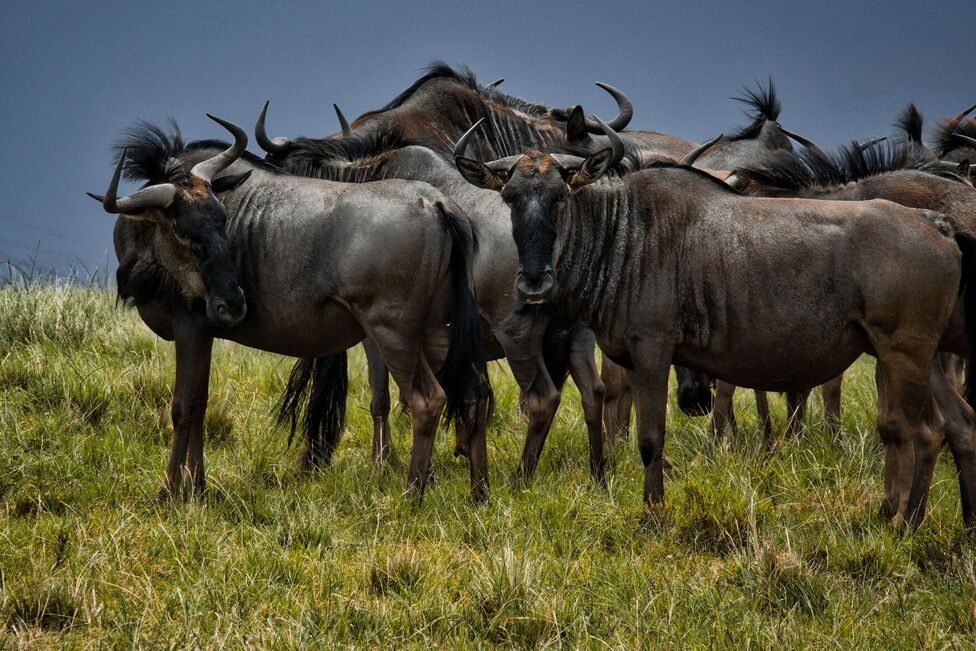
January is associated with the beginning of the southern Serengeti and Ndutu calving period, which generally develops from late January into February. Herd movements depend on rainfall and fresh grass, so exact timing changes. Expect warm days, cooler early mornings and possible showers across the plains.

Ngorongoro Conservation Area

The crater rim sits much higher than the surrounding plains and can feel cold, especially at night and before sunrise. Mist and showers are possible. Pack a warm fleece or jacket even if your safari begins in a hot lowland park.

Dar es Salaam and the coast

Coastal Tanzania is hot and humid in January. Dar es Salaam commonly reaches around 32°C during the day, with warm nights and occasional rain. Sea breezes can help, but midday sun is strong.

Zanzibar and Pemba

January is generally hot and suitable for beach time, with daytime temperatures often around 32–33°C and warm sea conditions. Humidity is high and short tropical showers can occur. It is a good month to combine a northern Tanzania safari with time on the islands.

Ruaha and Nyerere (Selous)

These southern parks are in a different seasonal pattern from the northern circuit. January falls within the main wet season in many areas. Lush vegetation, wet tracks and changing river levels can affect game drives, road transfers and lodge operations. Confirm seasonal opening and access before booking.

January travel outlook: Often well suited to northern circuit safaris, Ndutu calving-season trips as the season develops, and Zanzibar beach extensions. Treat the southern circuit as a wet-season destination.

03

Uganda weather in January

Often a relatively drier period for several safari and trekking regions, but rainforest weather remains unpredictable.

Lush East African mountain forest
Uganda’s forest parks remain humid and can receive rain even in relatively drier months.

Uganda’s equatorial climate is shaped by elevation, lakes, forest cover and regional rainfall cycles. January is commonly one of the drier travel windows in several popular regions, but it is not a guaranteed dry month. Kampala and Entebbe remain warm and humid; northern savannah parks can be hotter and drier; the south-western highlands are cooler and wetter.

Kampala and Entebbe

Expect warm days, mild nights and humidity influenced by Lake Victoria. Short showers are possible. Light clothing is comfortable, but a compact rain jacket is useful for city sightseeing and transfers.

Murchison Falls National Park

The northern savannah is generally hotter than Uganda’s south-western highlands. January is often a useful month for game drives and boat activities, with strong sunshine and warm afternoons. Schedule outdoor activities early and carry water.

Queen Elizabeth National Park

The park includes open savannah, crater lakes, wetlands and forest edges. January is often a relatively favourable wildlife-viewing period, but local showers can occur. Temperatures are generally warm, with cooler conditions around higher ground and early morning.

Kibale Forest and chimpanzee trekking

Kibale is a humid tropical forest. Even when the wider region is in a drier interval, forest trails can be damp, muddy or slippery. Wear proper walking boots and carry a rain layer and a waterproof bag for camera equipment.

Bwindi and Mgahinga gorilla trekking

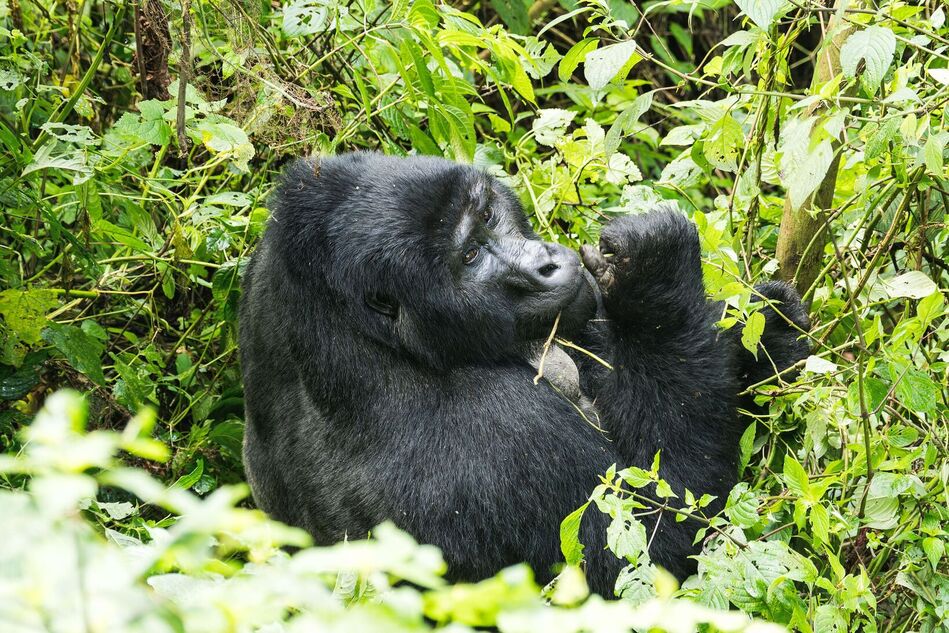
These high-altitude rainforest parks are cooler than Kampala and can receive mist and rain at any time of year. Trekking involves steep, uneven and sometimes muddy ground. Waterproof hiking boots, gaiters, gloves and layered clothing make the experience more comfortable.

Lake Bunyonyi and south-western highlands

Elevated landscapes are generally cooler, particularly at night and early in the morning. Showers can pass through, and lake or hillside conditions may change quickly. Bring a light warm layer as well as rain protection.

January travel outlook: A useful month for combining Uganda’s savannah parks with chimpanzee or gorilla trekking, provided visitors prepare for humid forest trails and variable mountain weather.

PLAN BY EXPERIENCE

Is January a good time for your East African trip?

Kenya wildlife safaris

Often favourable in the Maasai Mara, Amboseli, Tsavo and selected conservancies. Expect warm days and cooler early starts. Wildlife sightings depend on local habitat and animal movements.

Tanzania calving season

The southern Serengeti and Ndutu can begin to host the wildebeest calving season around late January. The exact movement follows rainfall and fresh grazing rather than a fixed date.

Uganda gorilla trekking

January is often a relatively drier trekking window, but Bwindi and Mgahinga are rainforests. Expect steep, muddy trails and cooler highland temperatures.

Beach holidays

Kenya’s coast and Tanzania’s Zanzibar islands are hot, humid and generally suitable for beach stays. Protect yourself from strong sun and check daily sea conditions for water activities.

Mountain climbing

January can be a useful period for Mount Kenya and Kilimanjaro climbs, but summit conditions are cold and changeable. Choose an experienced operator and follow route-specific equipment and acclimatisation advice.

Photography and birding

Clear spells and green landscapes can create excellent photographic conditions. Early morning and late afternoon often provide softer light and more comfortable temperatures than midday.

PRACTICAL TRAVEL ADVICE

What to pack for Kenya, Tanzania and Uganda in January

  • Lightweight, breathable clothing for warm safari lowlands and the coast.
  • A fleece or light jacket for Nairobi, Arusha, Ngorongoro and early morning game drives.
  • Sun hat, sunglasses and high-SPF sunscreen for strong equatorial sunshine.
  • Insect repellent and comfortable closed shoes for outdoor activities.
  • A compact waterproof jacket and quick-drying clothing for occasional showers.
  • For gorilla and chimpanzee trekking: waterproof hiking boots, gaiters, gardening-style gloves and a rain cover for your daypack.
  • For Mount Kenya or Kilimanjaro: specialist cold-weather equipment as advised by your trekking operator.
  • Swimwear, sandals and sun protection for Mombasa, Diani, Zanzibar and other coastal stays.

JANUARY WEATHER QUESTIONS

Frequently asked questions

Is January a good time to visit Kenya, Tanzania and Uganda?

January is often a good month for many Kenya safaris, northern Tanzania itineraries, Zanzibar beach holidays and selected Uganda wildlife and trekking trips. However, southern Tanzania can be wet, and Uganda’s rainforest parks can receive showers at any time.

Does it rain in Kenya in January?

Many parts of Kenya are in a relatively dry period, but showers can still occur, especially in western and highland areas. Coastal and northern Kenya have different local patterns.

Is January good for the Serengeti?

It can be an excellent month for the southern Serengeti and Ndutu as the calving season develops around late January and February. Herd locations vary with rainfall and grazing conditions.

Is Zanzibar hot in January?

Yes. January is generally hot and humid, with daytime temperatures often around 32–33°C and warm nights. Short tropical showers are possible, but the month is commonly suitable for beach travel.

Can I go gorilla trekking in Uganda in January?

Yes. January is often a relatively drier period, but Bwindi and Mgahinga are mountain rainforests. Trails can remain muddy and rain is possible, so suitable boots and waterproof clothing are important.

Is January rainy in Tanzania?

It depends on the region. Northern Tanzania often has a shorter dry interval in January, while southern and south-western parts of the country can be in their main rainy season.

What temperatures should I expect on safari?

Many lowland safari areas have warm to hot afternoons, often around the upper 20s or low 30s Celsius. Early mornings can be much cooler, especially in elevated areas such as the Ngorongoro highlands.

What should I wear in East Africa in January?

Wear breathable layers, a sun hat and comfortable walking shoes. Add a warm layer for early mornings and highlands, and carry a light waterproof jacket for showers and forest trekking.

TRAVEL EAST AFRICA WITH SPARWILD

Choose the right destinations for your travel month.

Tell us whether you are interested in wildlife safaris, beach holidays, gorilla trekking or a combination of experiences.

Plan My Safari ↗