Kenya weather in August
Regional contrasts between highlands, savannah, drylands and the Indian Ocean coast.

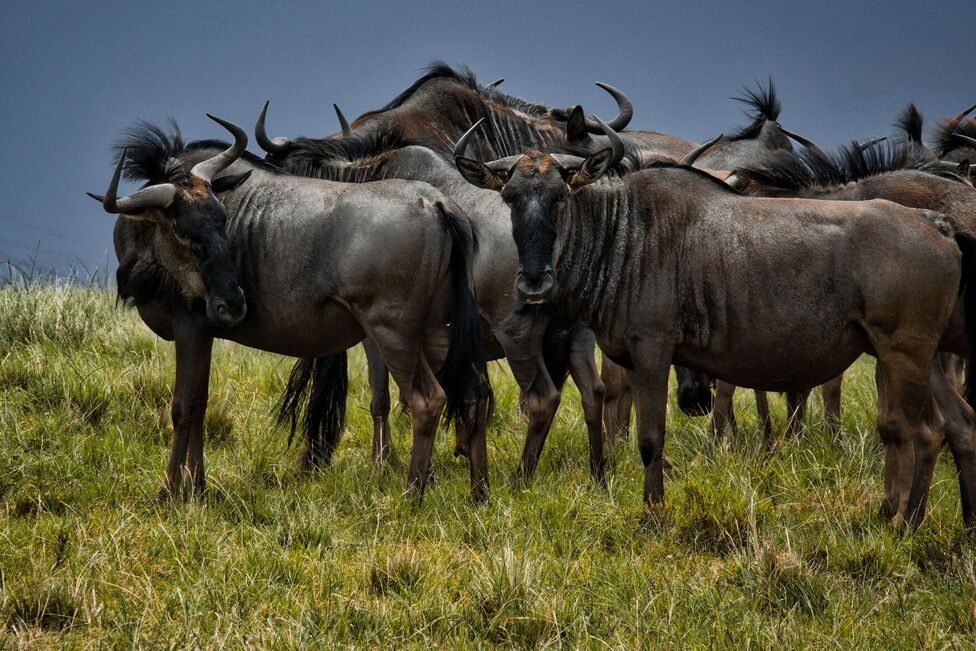
August is generally dry and mild to warm in much of Kenya. The Maasai Mara is a major focus for migration safaris, with large herds often in the wider Mara-Serengeti ecosystem. River crossings may occur but are unpredictable. Samburu and Laikipia are dry-country destinations with hot afternoons and cool starts. Nairobi is comfortable during the day and cool at night; the coast is warm with sea breezes.
Key destinations to compare
Maasai Mara, Laikipia, Samburu, Amboseli and Tsavo, Nairobi, Mombasa and Diani, Mount Kenya.. Conditions vary by elevation, exposure and local rainfall; check the specific park, coast or trekking area rather than relying on a national average.
Temperature, rainfall and sunshine
Low rainfall is common in many savannah areas. Forest and mountain locations can still receive showers, drizzle and mist. Bright, sunny conditions are common in open country, with strong midday UV. Coastal breezes can make beach weather comfortable, while highlands have cooler mornings. Daytime heat, cool early starts and local cloud patterns can differ substantially between lowland parks, highland towns and forest reserves.
Safari and outdoor activities
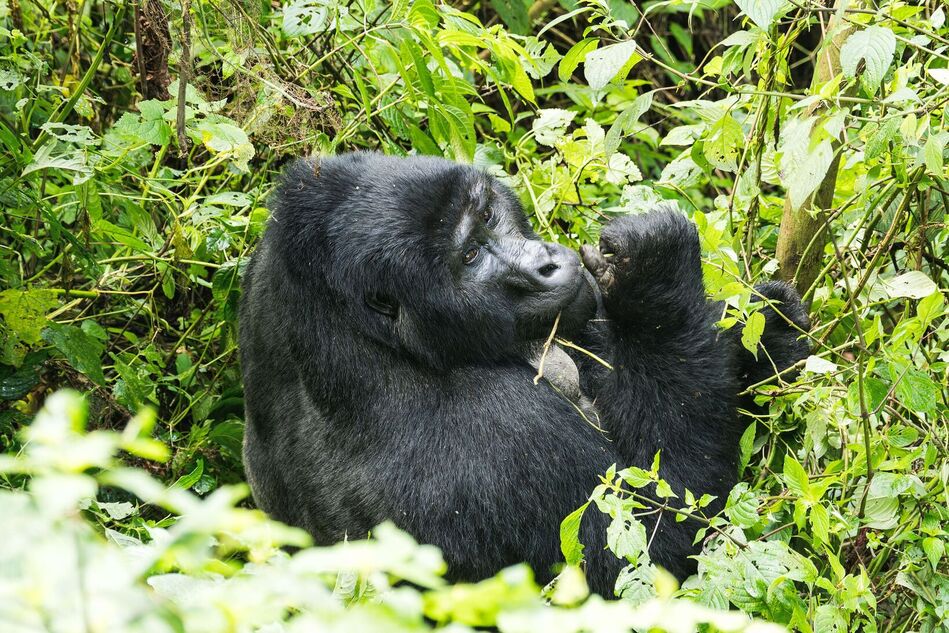
August is well suited to migration safaris, classic wildlife circuits and gorilla trekking. It is peak travel season in many places; reserve lodges, internal flights and trekking permits early. Choose early morning and late afternoon for many outdoor activities, and keep time in the itinerary for weather-related changes.
What to expect on the ground
Lowland safari areas can be warmer than nearby towns. Forests retain humidity and may have wet trails; highland lodges can feel cold after sunset. Ask your accommodation about current track, road and activity conditions.