Kenya weather in June
Regional contrasts between highlands, savannah, drylands and the Indian Ocean coast.

June is commonly the beginning of Kenya's cooler, drier season. Nairobi and the central highlands have pleasant days and cool nights. The Mara, Laikipia, Samburu and Amboseli become increasingly attractive for safari travel as vegetation thins and water sources become more concentrated. The coast remains warm, though humidity may feel less intense than in the hottest months. Mount Kenya is cold at altitude and can be windy.
Key destinations to compare
Maasai Mara and Laikipia, Samburu, Amboseli and Tsavo, Nairobi and the central highlands, Mombasa and Diani, Mount Kenya.. Conditions vary by elevation, exposure and local rainfall; check the specific park, coast or trekking area rather than relying on a national average.
Temperature, rainfall and sunshine
Rainfall is generally lower across many safari areas than in April and May. Forested and highland locations can still receive showers. Sunshine becomes more dependable in many open safari regions. Coastal and highland cloud patterns still vary, and early mornings may feel cool despite sunny afternoons. Daytime heat, cool early starts and local cloud patterns can differ substantially between lowland parks, highland towns and forest reserves.
Safari and outdoor activities
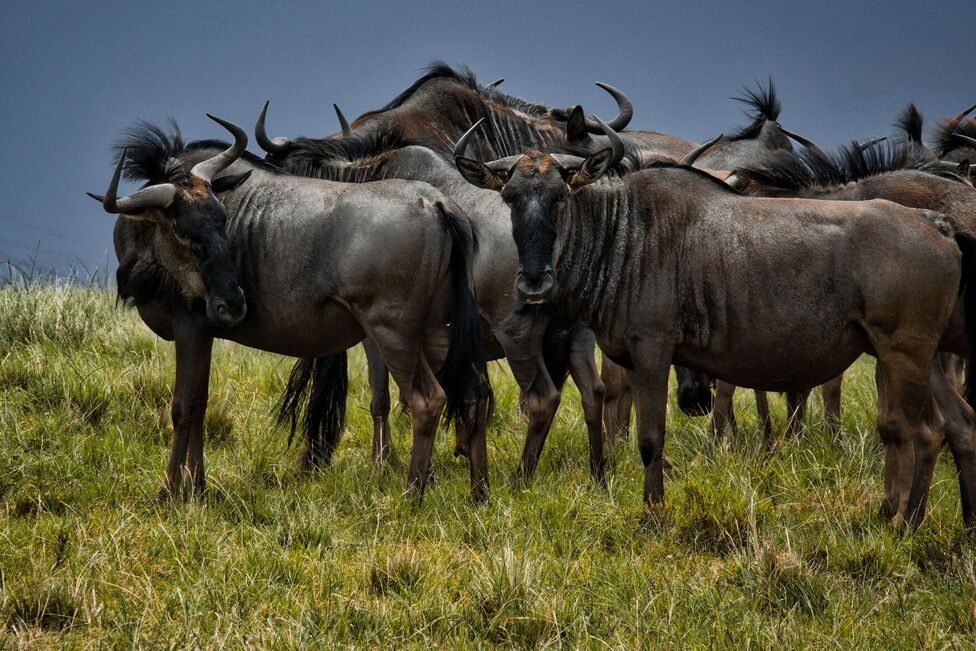
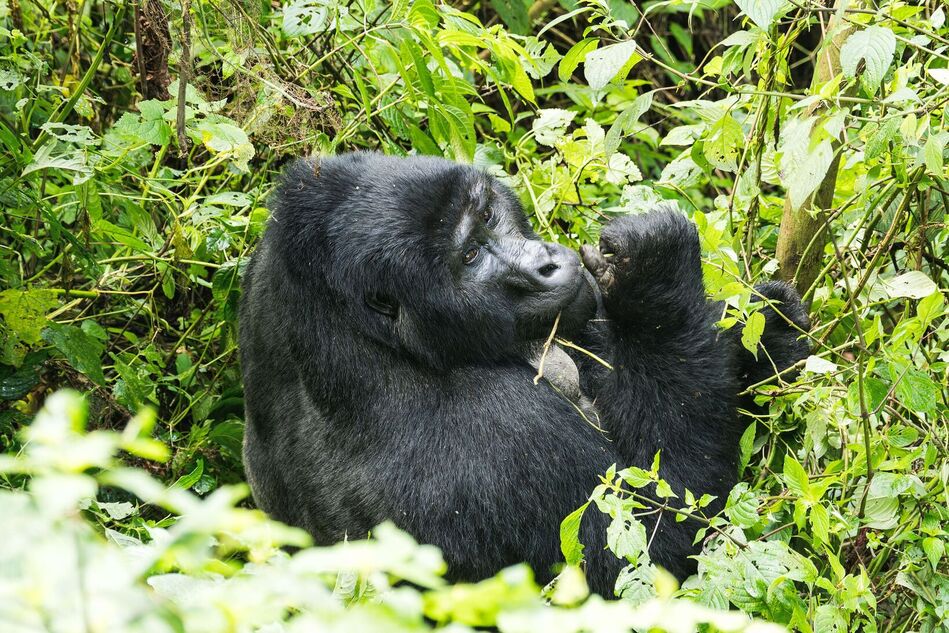
June is a strong month for safari circuits in Kenya and northern Tanzania and a useful window for Uganda wildlife and primate trips. It is also a popular start to the migration season in parts of the Serengeti. Book popular lodges early. Choose early morning and late afternoon for many outdoor activities, and keep time in the itinerary for weather-related changes.
What to expect on the ground
Lowland safari areas can be warmer than nearby towns. Forests retain humidity and may have wet trails; highland lodges can feel cold after sunset. Ask your accommodation about current track, road and activity conditions.