Exploring Kenya’s Wild Beauty: The Essence of the Best Kenya Safari Guide
Kenya is more than just a destination — it’s the beating heart of African adventure. From its golden savannahs to snow-capped peaks and palm-fringed coastlines, this East African gem offers a safari experience that awakens every sense. As the home of the Big Five and the Great Migration, Kenya’s landscapes blend raw wilderness with breathtaking serenity, inviting travelers to witness nature’s most dramatic spectacles. To truly understand what makes Kenya extraordinary, it helps to explore what defines its magic:
1. The Land of Timeless Landscapes
Kenya’s geography is a masterpiece of contrasts. The rolling grasslands of the Maasai Mara, the misty peaks of Mount Kenya, and the sparkling lakes of the Rift Valley each paint a unique story of life and survival. Every region reveals new textures of the land — from Amboseli’s open plains with Kilimanjaro’s towering backdrop to Samburu’s rugged wilderness in the north. This diversity allows travelers to experience a different Kenya with every journey, making each safari unique.
2. The Wildlife Spectacle That Defines Africa
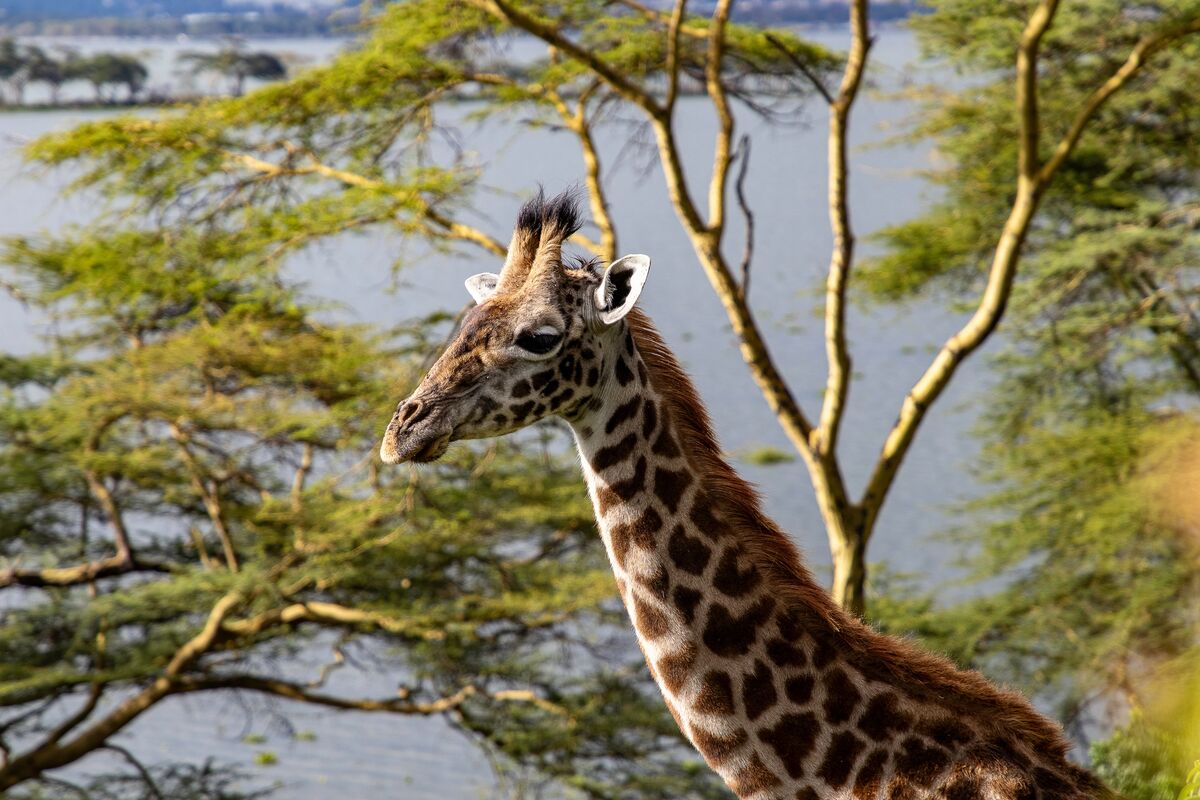
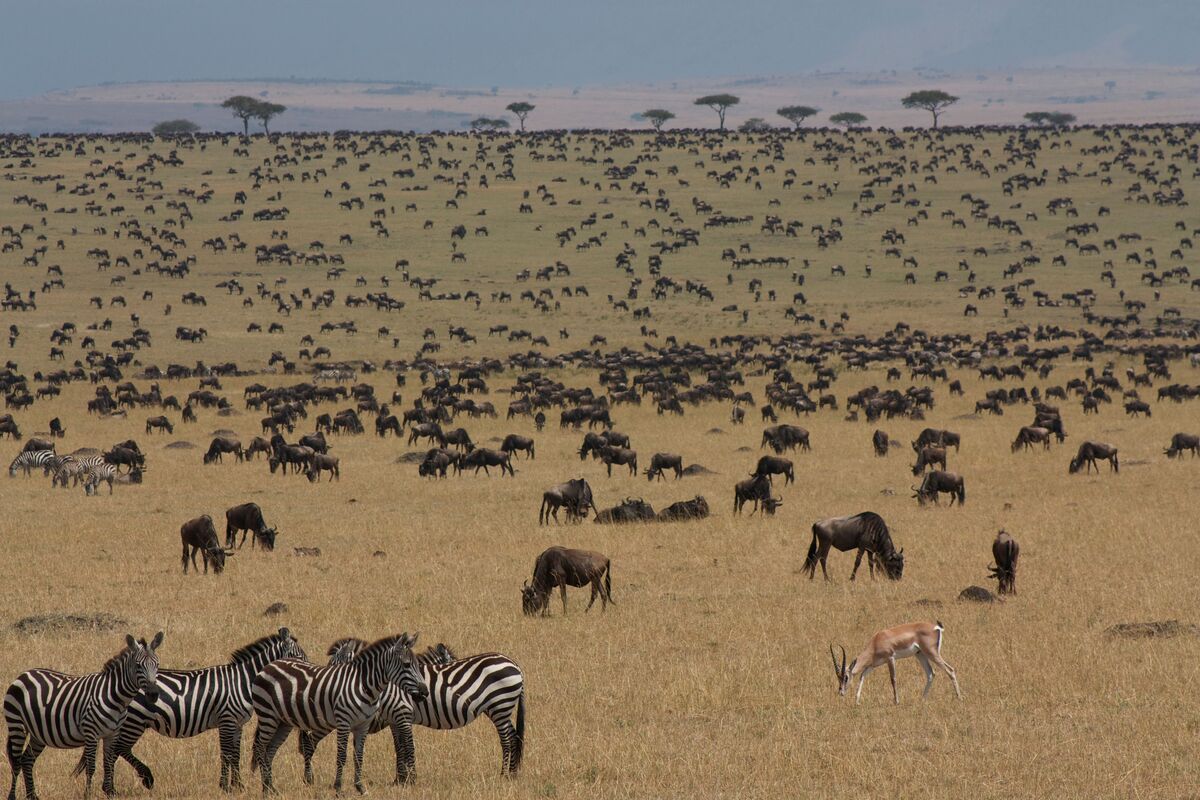
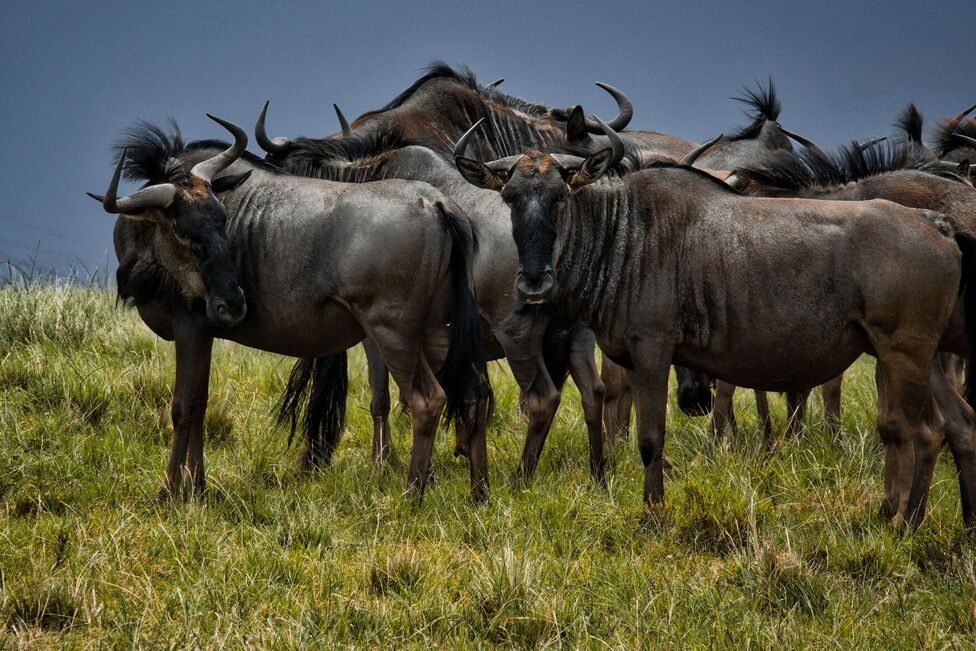
Few places on Earth can match Kenya’s abundance of wildlife. The annual Great Migration, where over a million wildebeest and zebras traverse the Mara River, is one of nature’s most thrilling performances. Beyond this, Kenya teems with lions, elephants, rhinos, leopards, and countless bird species. Every game drive unveils a living tapestry of survival, beauty, and instinct — an experience that cements Kenya’s reputation as Africa’s ultimate safari destination.
3. A Culture Deeply Connected to the Land
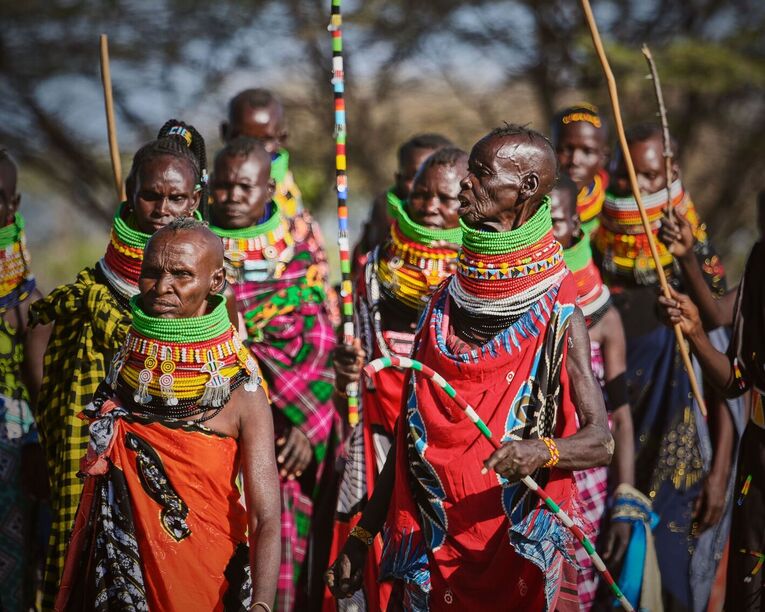
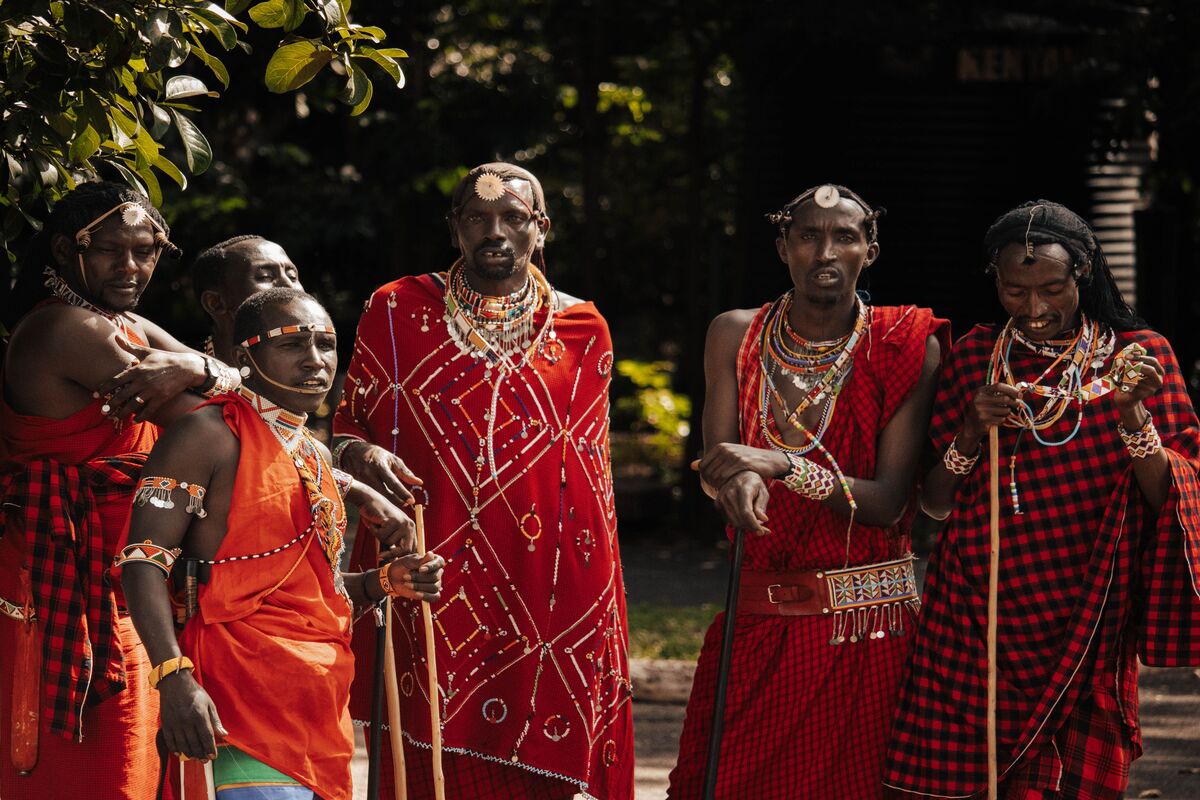
Kenya’s strength lies not only in its landscapes and wildlife but also in its people. The Maasai, Samburu, Turkana, and Swahili communities enrich every safari with stories, traditions, and warm hospitality. Through cultural visits and village experiences, travelers can connect with a way of life that has remained harmoniously linked to nature for centuries. It’s this human connection — alongside the wilderness — that makes a Kenyan safari profoundly meaningful.
4. The Ideal Starting Point for Every Safari Dream
Whether you’re planning your first safari or returning for another adventure, Kenya provides the perfect starting point. Its well-established parks, professional guides, and diverse accommodations ensure every traveler finds their rhythm in the wild. With the Best Kenya Safari Guide, you gain not just directions on where to go but insights on how to feel truly connected to every landscape, animal, and sunset you encounter.
At the heart of every journey lies one promise — in Kenya, the wild isn’t just something you see; it’s something you feel.
How to Choose the Perfect Safari Destination in Kenya — Expert Advice from the Best Kenya Safari Guide
Choosing where to go on safari is an important part of planning your Kenyan holiday. Each national park and reserve has its own landscape, wildlife, atmosphere, and travel requirements, so the right destination depends on what you hope to experience. The Best Kenya Safari Guide should help you make choices that suit your interests, available time, and travel budget. Before settling on your destinations, consider these important factors:
1. Define Your Safari Priorities: Wildlife, Scenery, or Solitude?
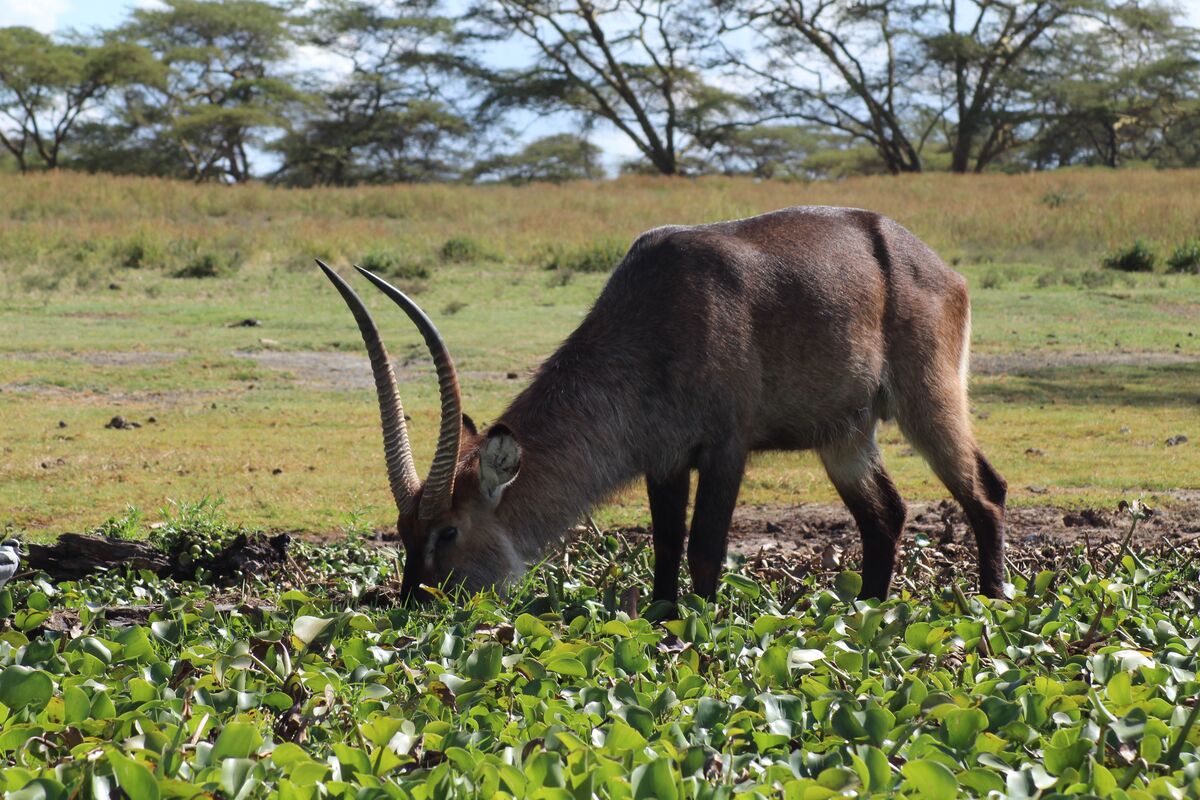
Start by thinking about what you want most from your safari. You may be interested in seeing the Big Five, photographing elephants against a mountain backdrop, exploring less-visited wilderness areas, or learning about local communities. Your priorities will help determine which destinations deserve a place in your itinerary.
Ask yourself:
-
Am I mainly interested in seeing the Big Five and enjoying regular game drives?
-
Do I prefer scenic landscapes and photography opportunities?
-
Would I enjoy popular safari destinations or quieter parks with fewer visitors?
-
Do I want to include cultural visits and interactions with local communities?
For a first safari, destinations such as the Maasai Mara and Lake Nakuru are worth considering because of their wildlife diversity and established safari facilities. Travellers who want to explore different habitats may also consider Samburu or Tsavo, depending on their interests and available time.
2. Consider the Best Time to Visit Kenya's Safari Parks
The time of year you travel can influence wildlife viewing, weather conditions, road accessibility, and accommodation rates. Kenya has distinct dry and rainy seasons, and each brings different conditions to its national parks and reserves. Consider the following seasonal patterns when planning your visit:
-
Dry season (June–October): Wildlife can be easier to spot in many parks as vegetation becomes less dense and animals gather around available water sources. The Maasai Mara also receives large herds of migrating wildebeest and zebras during part of this period, although the timing and river crossings vary each year.
-
Short dry season (January–February): These months often bring favourable conditions for game drives in destinations such as Amboseli and Tsavo. Clearer skies can also create good opportunities for landscape and wildlife photography.
-
Rainy seasons (March–May and October–December): Rainfall supports greener landscapes and can create excellent conditions for birdwatching. Some roads may become difficult to navigate, particularly during heavier rains, so travel arrangements require careful planning.
The best travel period depends on what you want to experience. Wildlife photographers may prefer periods with favourable light and visibility, while birdwatchers may find the rainy seasons particularly rewarding. Travellers interested in the Great Migration should also consider the expected movement of herds, keeping in mind that wildlife movements cannot be guaranteed.
3. Factor in Accessibility and Travel Distance
Kenya's safari destinations are spread across different regions, so travel time should be part of your planning. Some parks are relatively accessible from Nairobi, while others require longer road journeys or domestic flights. Your available holiday time, preferred transport, and the number of destinations you want to visit will influence which routes make sense.
Here are approximate road travel times from Nairobi:
-
Lake Nakuru National Park: Approximately 3–4 hours.
-
Amboseli National Park: Approximately 4–5 hours.
-
Maasai Mara National Reserve: Approximately 5–7 hours, depending on the entry point and road conditions.
-
Samburu National Reserve: Approximately 5–7 hours.
-
Tsavo East and Tsavo West National Parks: Travel time varies considerably depending on the park entrance and starting point.
When planning a short safari, consider destinations that can be combined without spending too much of your holiday travelling between parks. For a longer trip, adding destinations in different regions can provide greater variety, provided the route remains practical. You should also account for road transfers, domestic flights where suitable, and the time needed to settle into each destination.
4. Balance Wildlife Variety with Scenery and Activities
A safari becomes more varied when you choose destinations with different habitats and wildlife experiences. Rather than selecting parks based only on their popularity, consider what each location adds to your overall trip. Kenya has several destinations that offer distinct reasons to visit:
-
Maasai Mara National Reserve: Known for its large populations of wildlife, including lions, elephants, cheetahs, and wildebeest.
-
Amboseli National Park: Recognised for its elephant herds and views of Mount Kilimanjaro on clear days.
-
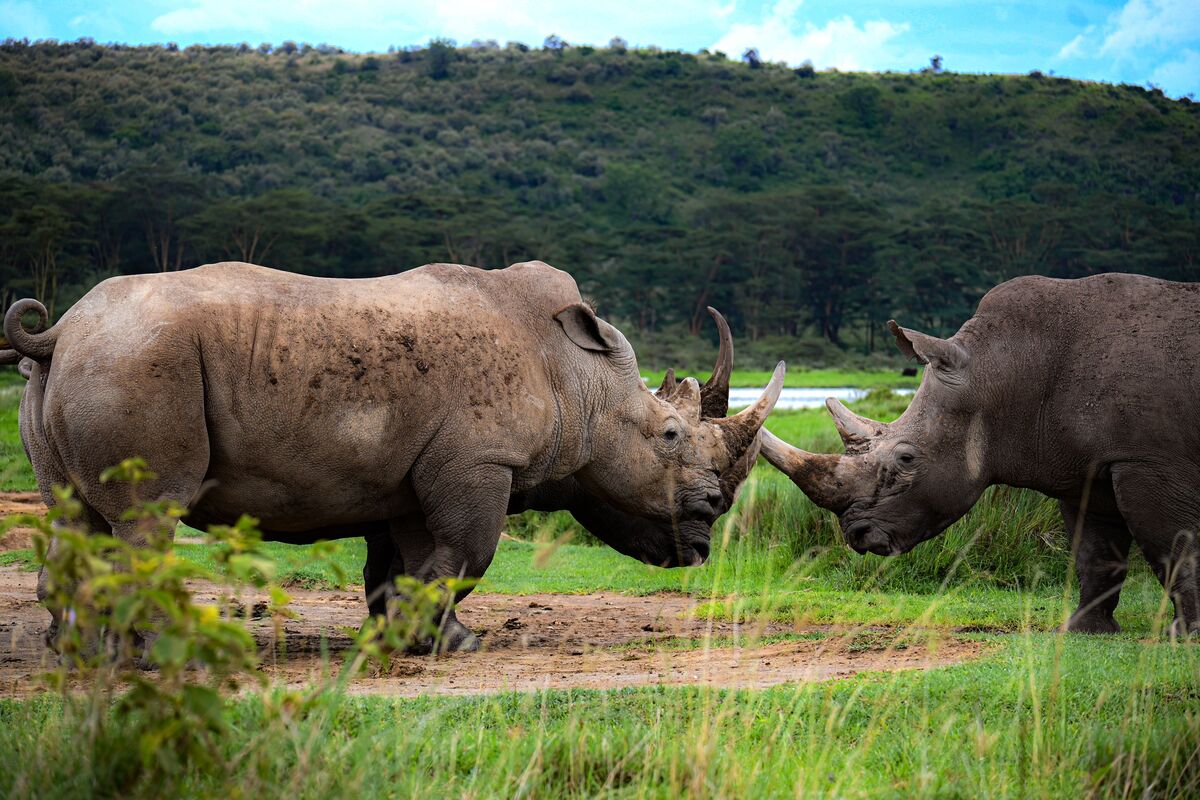
Lake Nakuru National Park: Noted for its rhinos, birdlife, and scenic lake surroundings.
-
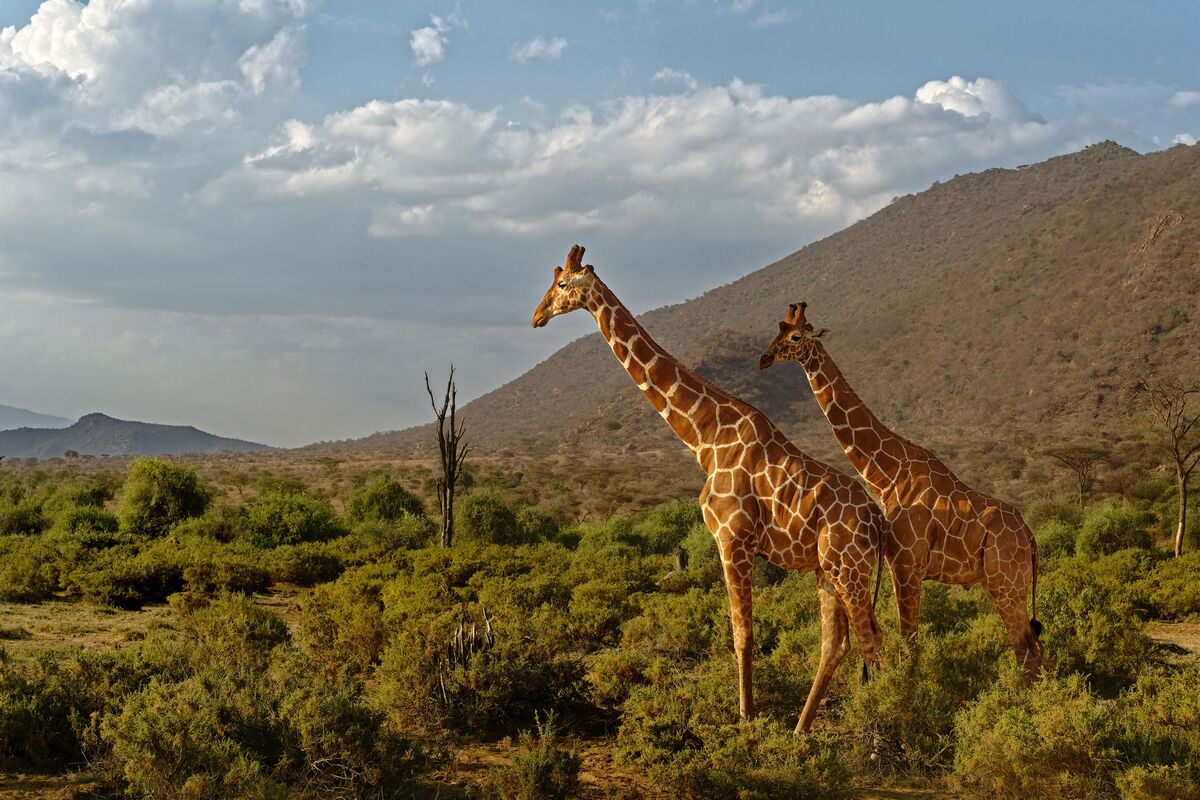
Samburu National Reserve: Offers opportunities to see northern Kenya's distinctive wildlife, including Grevy's zebras, reticulated giraffes, and gerenuks.
-
Tsavo East and Tsavo West National Parks: Known for their extensive wilderness areas, varied landscapes, and diverse wildlife.
Combining destinations with different features can give your safari more variety. For example, visiting the Maasai Mara and Amboseli offers a contrast between open savannah landscapes and the scenery around Mount Kilimanjaro. Other combinations may suit travellers interested in different wildlife habitats or a longer exploration of Kenya. The aim is to select destinations that complement one another while keeping your travel schedule comfortable.
Top 10 Safari Destinations in Kenya and What Makes Them Special
Kenya has a wide selection of safari destinations, each offering different wildlife encounters, landscapes, and outdoor experiences. From famous wildlife reserves to conservation areas and scenic national parks, the country provides options for different travel interests and safari preferences. This Best Kenya Safari Guide highlights ten destinations worth considering and the features that make each one special:
1. Maasai Mara National Reserve
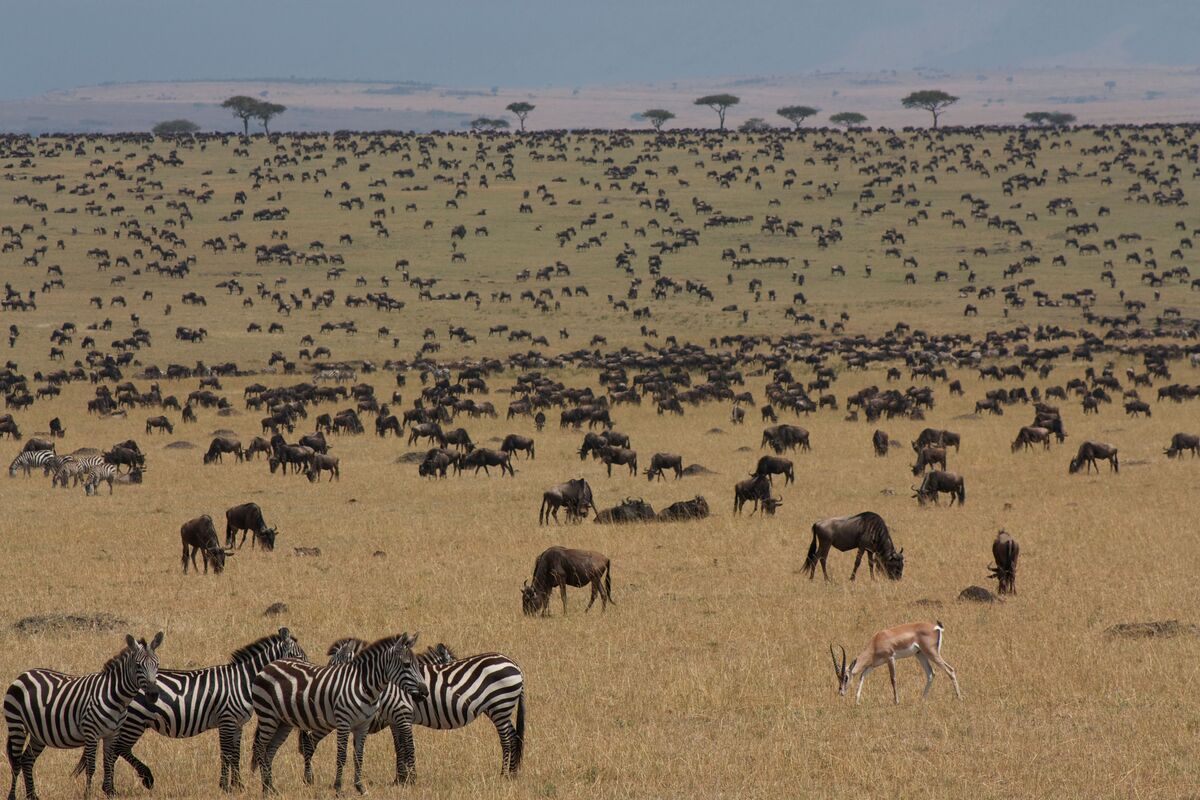
The Maasai Mara is one of Africa's most recognised safari destinations, known for its open grasslands, rich wildlife populations, and the annual Great Migration. Its diverse habitats support a wide range of animals, making it a popular choice for wildlife enthusiasts and first-time safari travellers.
Highlights:
-
Excellent opportunities to see the Big Five, including lions, elephants, leopards, buffaloes, and rhinos.
-
Part of the annual Great Migration, when wildebeest and zebras move between the Serengeti and Maasai Mara ecosystems.
-
Large populations of cheetahs, hyenas, giraffes, zebras, and several antelope species.
-
Expansive savannah landscapes that provide excellent wildlife photography opportunities.
-
Cultural experiences and community visits involving the Maasai people.
-
Hot air balloon safaris that offer an aerial view of the reserve.
2. Amboseli National Park
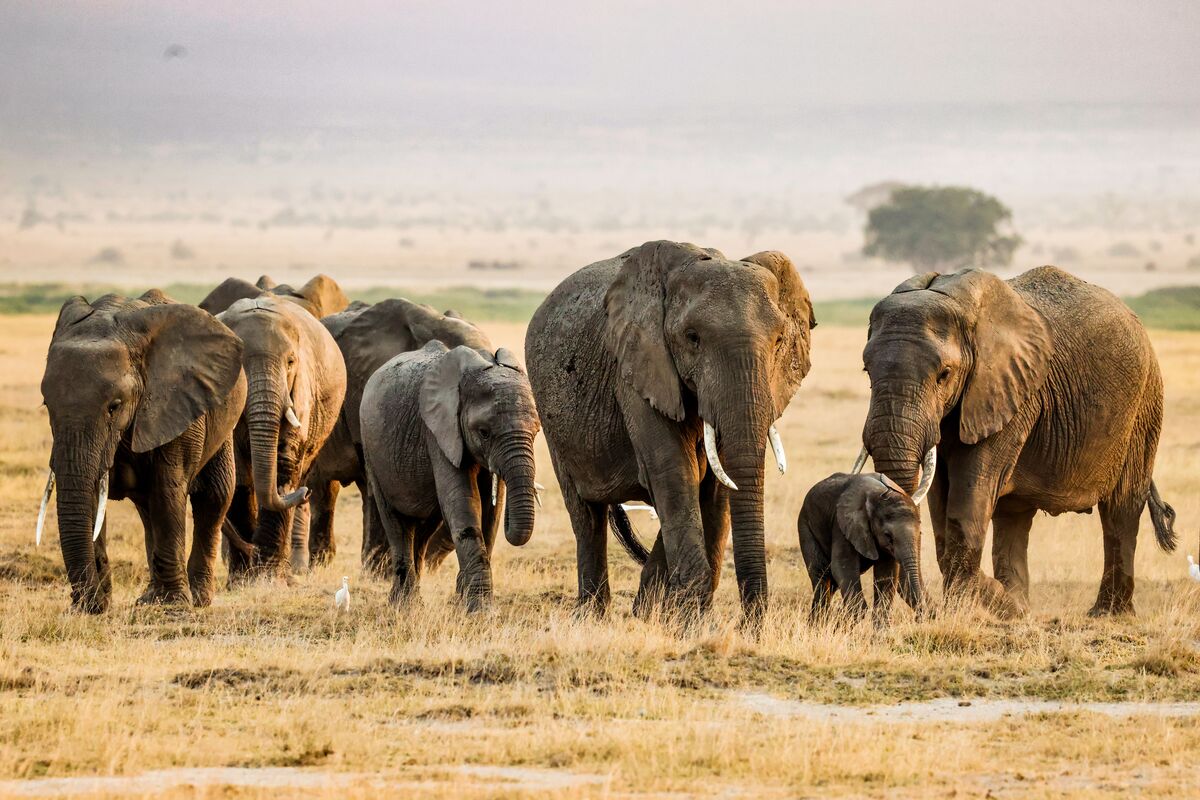
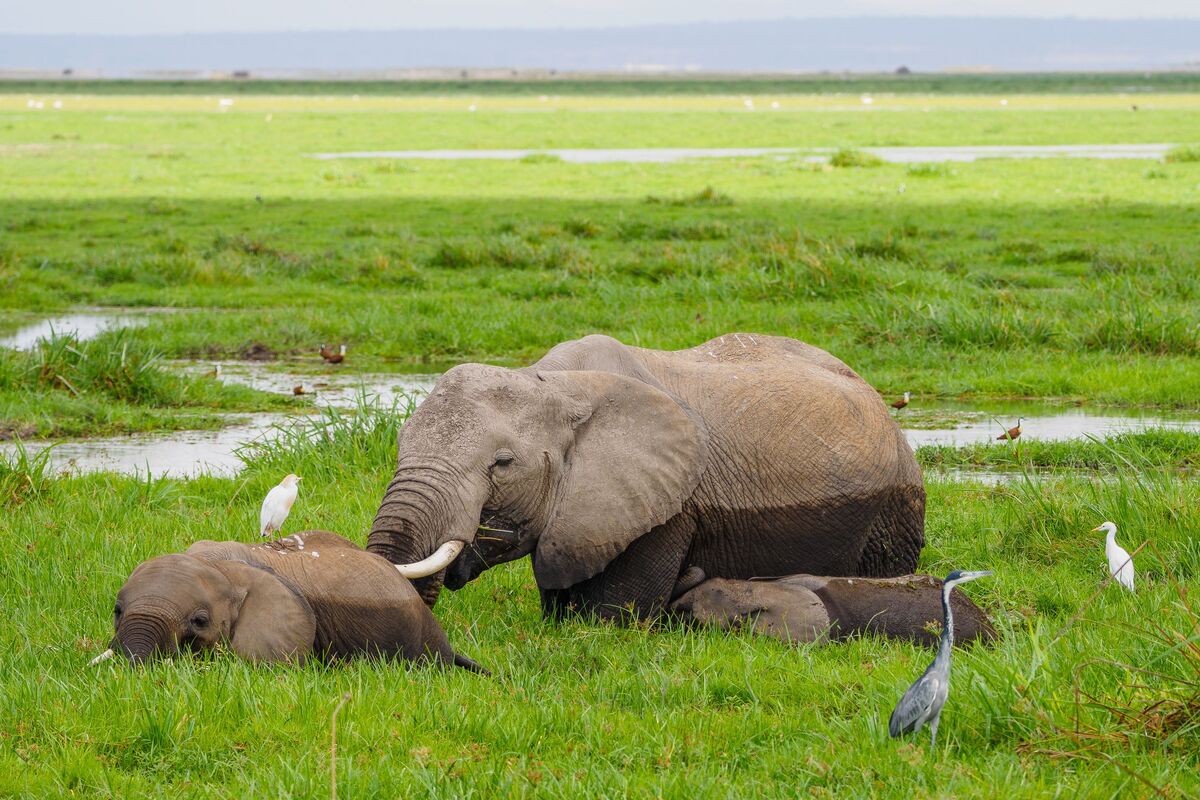
Amboseli National Park is famous for its large elephant herds and striking views of Mount Kilimanjaro. Its open plains, swamps, and seasonal wetlands create varied habitats for wildlife while offering some of Kenya's most recognisable safari scenery.
Highlights:
-
Large elephant herds, including opportunities to observe family groups.
-
Views of Mount Kilimanjaro on clear days.
-
Swamps and wetlands that attract elephants, hippos, buffaloes, and numerous bird species.
-
Opportunities to see lions, cheetahs, hyenas, zebras, and giraffes.
-
Open landscapes that make wildlife observation and photography rewarding.
-
A relatively compact park that allows visitors to explore several habitats during game drives.
3. Lake Nakuru National Park
Located in Kenya's Great Rift Valley, Lake Nakuru National Park is known for its lake scenery, birdlife, and rhino conservation. Its combination of woodland, grassland, and wetland habitats supports a variety of wildlife within a relatively accessible park.
Highlights:
-
Important habitat for both black and white rhinos.
-
Opportunities to see Rothschild's giraffes, lions, leopards, buffaloes, and zebras.
-
Diverse birdlife, including flamingos when lake conditions are suitable.
-
Scenic viewpoints overlooking Lake Nakuru and the surrounding Rift Valley landscape.
-
Waterfalls and wooded areas that add variety to game drives.
-
Convenient access from Nairobi, making it suitable for shorter safari trips.
4. Samburu National Reserve
Samburu National Reserve offers a different safari setting in northern Kenya. Its semi-arid landscapes, rocky hills, doum palms, and the Ewaso Nyiro River support wildlife species adapted to drier conditions. The reserve is particularly known for animals that are less commonly encountered in other parts of the country.
Highlights:
-
Opportunities to see the Samburu Special Five: Grevy's zebra, reticulated giraffe, Beisa oryx, gerenuk, and Somali ostrich.
-
Wildlife viewing along the Ewaso Nyiro River, which attracts animals throughout the year.
-
Opportunities to see elephants, lions, leopards, crocodiles, and numerous bird species.
-
Distinctive northern Kenya landscapes with rugged hills and semi-arid vegetation.
-
Cultural visits that introduce travellers to Samburu traditions and community life.
-
A quieter safari atmosphere compared with some of Kenya's more frequently visited reserves.
5. Tsavo East National Park
Tsavo East is one of Kenya's largest national parks, characterised by expansive plains, seasonal rivers, and open wilderness. It is particularly recognised for its red-dusted elephants and the impressive Yatta Plateau, which stretches across part of the park.
Highlights:
-
Large herds of elephants often covered in the park's distinctive red soil.
-
Opportunities to see lions, leopards, buffaloes, giraffes, zebras, and several antelope species.
-
The Yatta Plateau, one of the park's most notable geographical features.
-
The Galana River and other water sources that attract wildlife.
-
Extensive open landscapes that create a strong sense of wilderness.
-
A convenient safari destination for travellers combining wildlife experiences with Kenya's coastal region.
6. Tsavo West National Park
Tsavo West offers a contrasting landscape to its eastern neighbour, with volcanic hills, rocky outcrops, natural springs, and areas of dense vegetation. Its varied terrain supports different wildlife habitats and gives visitors a combination of game viewing and scenic exploration.
Highlights:
-
Mzima Springs, known for their clear water, hippos, and underwater viewing opportunities.
-
The Shetani Lava Flow, an extensive landscape formed by ancient volcanic activity.
-
Opportunities to see elephants, lions, leopards, buffaloes, rhinos, and giraffes.
-
Diverse birdlife across its woodland, grassland, and wetland habitats.
-
Scenic viewpoints and rugged terrain that create varied photography opportunities.
-
Opportunities to combine the park with Tsavo East or other southern Kenya destinations.
7. Nairobi National Park
Nairobi National Park offers a distinctive safari experience just outside Kenya's capital city. Its open grasslands and scattered woodland support a range of wildlife, with the Nairobi skyline providing an unusual backdrop to game drives.
Highlights:
-
Opportunities to see lions, rhinos, giraffes, buffaloes, zebras, and several antelope species.
-
One of the few national parks located so close to a major city.
-
Important habitat for both black and white rhinos.
-
Open grasslands that offer good opportunities for wildlife photography.
-
The Nairobi Safari Walk and nearby animal conservation attractions.
-
A convenient option for visitors with limited time or those beginning or ending a trip in Nairobi.
8. Aberdare National Park
Aberdare National Park is known for its mountainous terrain, thick forests, moorlands, and spectacular waterfalls. Its cooler highland environment creates a different safari atmosphere from the open savannahs found in many other Kenyan parks.
Highlights:
-
Scenic waterfalls, including Karuru Falls and Gura Falls.
-
Forest habitats that support elephants, buffaloes, leopards, and other wildlife.
-
Opportunities to spot the rare bongo antelope in its forest habitat.
-
Mountain scenery, bamboo forests, and open moorlands.
-
Specialised wildlife-viewing experiences from forest lodges and observation areas.
-
Excellent opportunities for nature walks and birdwatching in designated areas.
9. Ol Pejeta Conservancy
Located in Laikipia County, Ol Pejeta Conservancy combines wildlife tourism with important conservation work. It is recognised for its rhino protection programmes and is home to a wide range of wildlife across its grasslands and woodland habitats.
Highlights:
-
One of Kenya's important black and white rhino conservation areas.
-
Home to the world's last two northern white rhinos.
-
The Sweetwaters Chimpanzee Sanctuary, which provides refuge for rescued chimpanzees.
-
Opportunities to see lions, elephants, buffaloes, giraffes, zebras, and other wildlife.
-
Conservation-focused experiences that help visitors understand wildlife protection.
-
Views of Mount Kenya from parts of the conservancy.
10. Lake Naivasha and Hell's Gate National Park
Lake Naivasha and nearby Hell's Gate National Park offer a combination of freshwater scenery, birdlife, and outdoor adventure in the Great Rift Valley. Although they provide a different experience from traditional Big Five safari parks, they are popular stops for travellers exploring the region.
Highlights:
-
Boat excursions on Lake Naivasha, with opportunities to observe hippos and waterbirds.
-
Rich birdlife, including fish eagles, pelicans, cormorants, and kingfishers.
-
Crescent Island, known for guided walking experiences among free-roaming wildlife.
-
Hell's Gate National Park's dramatic gorges, cliffs, and volcanic rock formations.
-
Cycling and guided walking opportunities in designated areas of Hell's Gate.
-
Opportunities to see zebras, giraffes, buffaloes, and other wildlife.
These ten destinations demonstrate the range of safari experiences available across Kenya. The best choice depends on your preferred wildlife encounters, travel schedule, budget, and interest in activities beyond traditional game drives.
Private vs Group Safaris in Kenya: Choosing the Right Experience
The type of safari you choose influences how you travel, interact with other visitors, and spend time exploring Kenya's wildlife destinations. Private and group safaris offer different arrangements in terms of flexibility, privacy, social interaction, and cost. Neither option is automatically better, as the right choice depends on your travel preferences, group size, and budget. Understanding the differences between the two can help you decide which safari experience suits you best:
1. Private Safaris in Kenya
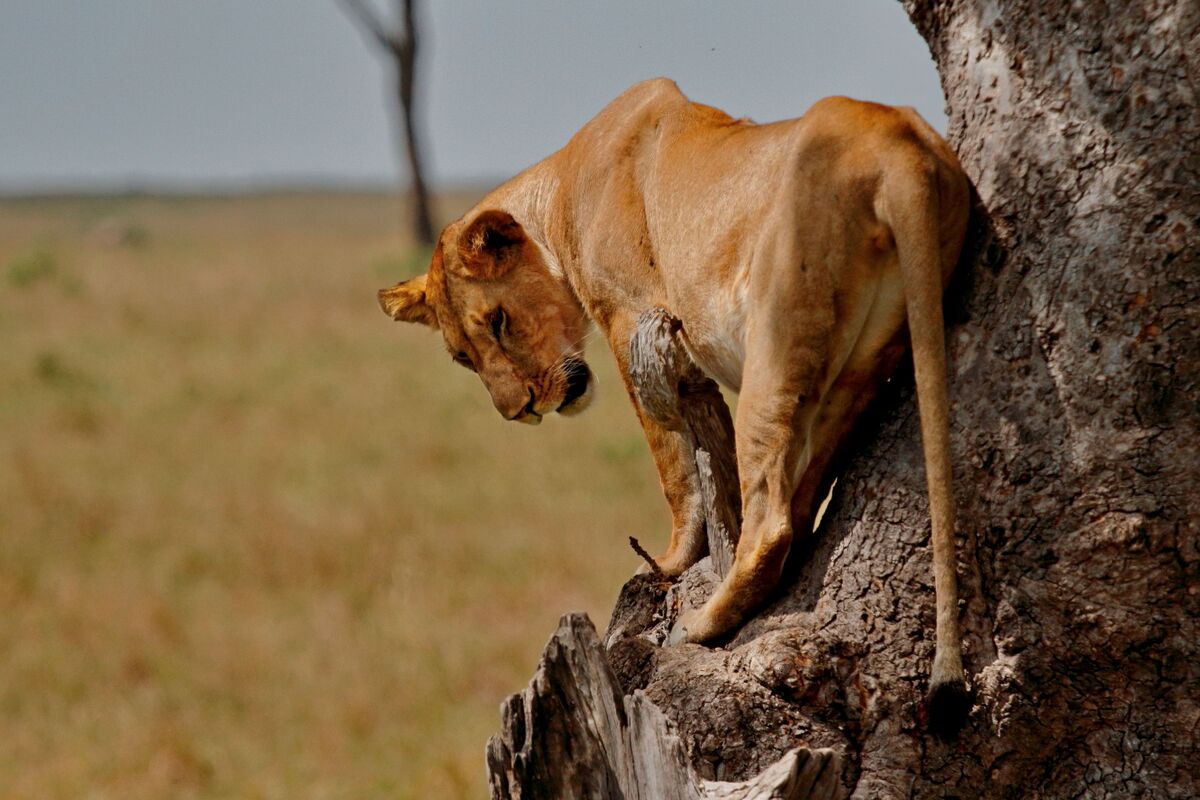
A private safari gives you a dedicated vehicle and guide, allowing you to enjoy the journey with your chosen travel companions. You have greater control over your daily activities, travel pace, and preferred destinations. This arrangement is particularly suitable for travellers who value privacy and want an itinerary shaped around their interests.
Why Choose a Private Safari?
-
Flexible itineraries: You can arrange daily activities and travel schedules around your preferences, subject to park regulations and operating conditions.
-
Personalised attention: Your guide can focus on your interests, whether you enjoy wildlife photography, birdwatching, or learning about animal behaviour.
-
Greater privacy: You share the safari vehicle with your family, friends, or partner rather than unrelated travellers.
-
Destination flexibility: You can plan a route that combines different parks and reserves according to your available time.
-
Suitable accommodation choices: You can select accommodation based on your preferred comfort level, location, and budget.
-
Ideal for different travel groups: Couples, families, photographers, and small groups can benefit from having their own safari arrangements.
Cost Considerations
Private safaris generally cost more per person because the vehicle, guide, and other arrangements are organised for a smaller number of travellers. However, the cost per person can become more manageable when several people share the vehicle and other expenses. The final price depends on the destinations, accommodation category, number of travellers, transport arrangements, and duration of the safari.
2. Group Safaris in Kenya
A group safari allows travellers to share transportation and other arrangements with people they may not have travelled with before. These safaris usually follow a planned itinerary with established departure dates, accommodation arrangements, and activity schedules. They are a practical option for visitors who want to explore Kenya while sharing some of the travel costs.
Why Choose a Group Safari?
-
Lower individual costs: Sharing transportation and other expenses can make the safari more affordable per person.
-
Social interaction: You get to meet other travellers, share wildlife sightings, and enjoy the journey together.
-
Organised travel arrangements: Transport, accommodation, park visits, and scheduled activities are usually arranged in advance.
-
Suitable for solo travellers: Joining a group provides an opportunity to experience a safari without organising an entire private trip.
-
Established itineraries: Planned routes make it easier to understand the destinations, activities, and expected travel schedule.
-
Shared experiences: Game drives and other safari activities create opportunities to exchange experiences with fellow travellers.
Cost Considerations
Group safaris generally have lower individual costs because participants share certain expenses. The actual price depends on group size, accommodation, destinations, transport, and the services included in the package. However, travellers should be comfortable following the agreed schedule and sharing safari facilities with other participants.
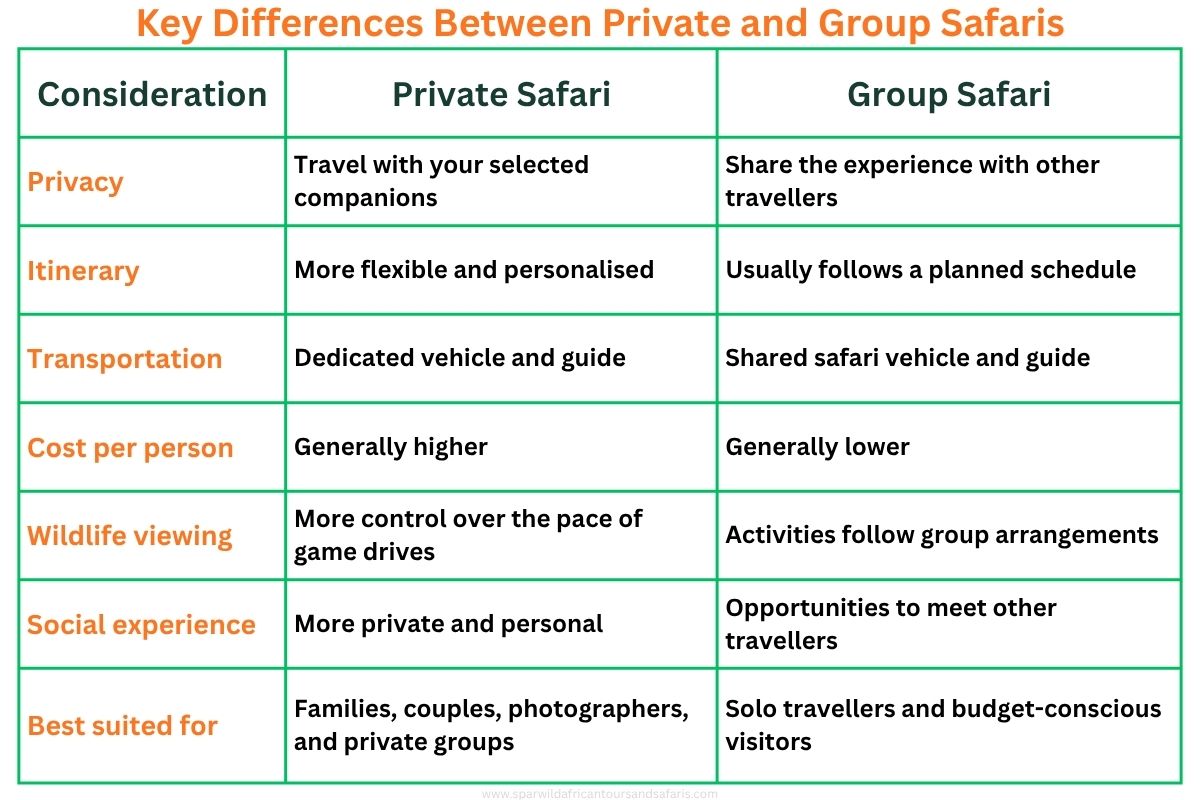
3. Private vs Group Safaris: Key Differences
Although both options provide opportunities to explore Kenya's national parks and reserves, their arrangements differ in several important ways.
4. How to Decide Which Safari Suits Your Needs
Your choice should reflect the kind of holiday you want rather than cost alone. Consider these factors before selecting a private or group safari:
-
Your budget: A group safari may be more suitable when keeping individual travel costs low is a priority. A private safari may offer better value when travelling with several companions who can share the expenses.
-
Your preferred level of privacy: Choose a private safari if you want to travel exclusively with your companions. A group safari is suitable if you enjoy meeting and travelling with other people.
-
Your travel schedule: Private arrangements provide greater flexibility when choosing departure dates and adjusting your itinerary. Group safaris are better suited to travellers who can work with scheduled departures.
-
Your safari interests: Wildlife photographers and travellers with specific interests may appreciate the flexibility of a private vehicle. Group travellers can still enjoy rewarding game drives while following the shared itinerary.
-
Your group size: Families and friends travelling together may find private safaris convenient, while individuals and couples may prefer joining an existing group.
At Sparwild African Tours and Safaris, we help travellers compare safari arrangements based on their budgets, travel dates, and expectations. Whether you prefer the flexibility of a private safari or the shared experience of a group tour, the important thing is to choose an arrangement that makes your journey through Kenya comfortable and enjoyable.
How Long Should Your Kenya Safari Last?
The ideal length of a Kenya safari depends on your available time, travel budget, preferred destinations, and the experiences you want to include. Some travellers prefer a short wildlife getaway, while others have enough time to explore several parks and reserves at a relaxed pace. A well-planned itinerary should allow you to enjoy each destination without spending too much time travelling between locations. Here are three common safari durations to help you decide:
1. Short Safaris: 2 to 3 Days
Short safaris are suitable for travellers with limited time who still want to experience Kenya's wildlife and natural landscapes. They provide an opportunity to visit selected destinations without committing to an extended holiday. However, choosing parks carefully is important to avoid spending most of your trip on the road.
a. Suitable Destinations and Accessibility
Short safaris generally focus on destinations that can be reached within a manageable travel time. Options include Amboseli National Park, Lake Nakuru National Park, Nairobi National Park, and the Maasai Mara National Reserve. The best choice depends on your starting point, transport arrangements, and available days.
b. Wildlife Experiences and Activities
Depending on the destination and itinerary, you can enjoy morning and afternoon game drives, wildlife photography, and scenic exploration. Some short safaris may also include cultural visits or other activities where time and location permit. Although the schedule is limited, careful planning allows you to make good use of your time.
c. Who Should Consider a Short Safari?
This duration works well for weekend travellers, business visitors with extra days in Kenya, and holidaymakers combining a safari with other travel plans. It is also a practical option for first-time visitors who want an introduction to the country's wildlife destinations without taking a long holiday.
2. Medium-Length Safaris: 5 to 7 Days
A medium-length safari provides more time to explore different destinations while maintaining a manageable travel schedule. You can visit multiple parks, experience different landscapes, and spend more time on game drives without extending your holiday significantly. This duration is particularly suitable for travellers seeking a balance between wildlife exploration and relaxation.
a. Destination Variety and Travel Routes
A five-to-seven-day itinerary can accommodate two or more destinations, depending on their locations and the time available. Possible combinations include the Maasai Mara and Lake Nakuru or Amboseli and Tsavo West. Selecting destinations with practical travel connections helps reduce unnecessary transfers and leaves more time for exploration.
b. Wildlife Experiences and Activities
With additional days, you can enjoy several game drives and explore different habitats at a comfortable pace. You may also include guided nature walks in designated areas, cultural experiences, birdwatching, and scenic stopovers where available. The extra time allows you to appreciate each destination rather than rushing through the itinerary.
c. Budget and Overall Value
A five-to-seven-day safari requires a larger budget than a short trip, but it also provides more opportunities to explore Kenya. Accommodation, park entry fees, transportation, meals, and additional activities all contribute to the overall cost. Choosing destinations carefully and selecting accommodation that matches your budget can help you manage expenses.
3. Long Safaris: 8 to 10 Days or More
Long safaris are suitable for travellers who want to explore several regions of Kenya without rushing between destinations. The extended duration allows you to experience different wildlife habitats, spend more time in individual parks, and include activities beyond traditional game drives. It also provides greater flexibility when planning longer travel routes.
a. Comprehensive Itineraries and Destination Coverage
An extended safari can include destinations such as Samburu National Reserve, Ol Pejeta Conservancy, Aberdare National Park, the Maasai Mara, and Tsavo East or West. You can also consider adding Lake Naivasha or other destinations depending on your route. The number of parks should reflect your available time and preferred travel pace rather than simply how many places you can fit into the itinerary.
b. Cultural and Scenic Experiences
Having more days creates opportunities to explore Kenya's cultural heritage and varied landscapes. You can include visits involving Maasai or Samburu communities, enjoy scenic drives through different regions, and spend time appreciating the natural surroundings of your accommodation. These experiences add variety to a safari beyond wildlife viewing.
c. Who Should Consider a Long Safari?
Extended safaris are suitable for wildlife enthusiasts, photographers, families on longer holidays, and travellers who prefer slower-paced journeys. They also work well for visitors who want to explore destinations in different parts of the country. With sufficient time, you can enjoy longer stays in selected parks instead of moving to a new location every day.
4. How to Choose the Right Safari Duration
The number of days you need depends on several practical considerations. Before settling on an itinerary, think about the following:
-
Available travel time: Consider how many days you can dedicate to your safari, including arrival, departure, and transfers.
-
Destinations you want to visit: A single park may require fewer days, while combining several destinations usually requires a longer itinerary.
-
Travel budget: Longer safaris involve additional accommodation, meals, transport, and other travel expenses.
-
Preferred travel pace: Decide whether you enjoy frequent transfers or would rather spend several nights exploring one destination.
-
Activities and interests: Photography, birdwatching, cultural visits, and other activities may require additional time.
The Best Kenya Safari Guide should help you select a duration that matches your travel plans and expectations. Whether you have three days or two weeks, the goal is to create a practical itinerary that gives you enough time to enjoy your chosen destinations.
What Should You Pack for a Kenya Safari? Practical Tips from the Best Kenya Safari Guide.
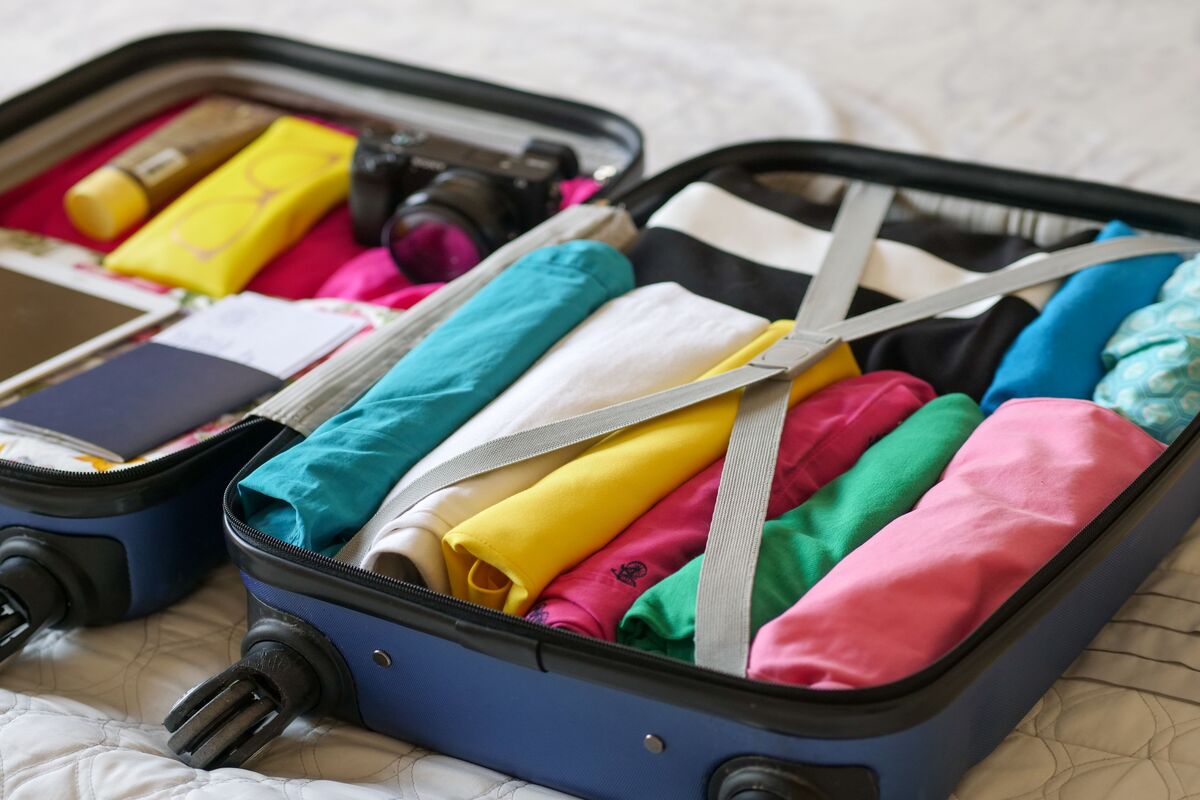
Packing well can make the difference between a comfortable, enjoyable safari and one filled with small inconveniences. The secret is to pack light, choose wisely, and prepare for changing conditions during your journey:
1. Neutral-Colored Clothing – Blend with Nature
Choose lightweight, breathable clothing in neutral tones such as khaki, beige, or olive. These colors help you stay cool while blending into the environment, which minimizes distractions during wildlife viewing. Avoid bright colors and camouflage patterns — they can either attract insects or cause confusion with park regulations. Light, long-sleeved shirts and convertible trousers are ideal for sun protection during the day and warmth during cooler evenings.
2. Comfortable Walking Shoes – Support for Every Step
A good pair of closed walking shoes or lightweight boots is essential. Safaris often involve uneven terrain, dusty paths, and occasional short walks around camps. Shoes with proper grip and comfort help you stay stable while exploring. For downtime at the lodge, pack an extra pair of sandals or slip-ons for convenience.
3. Lightweight Jacket – Warmth for Cool Mornings and Evenings
Mornings and nights on safari can be surprisingly cool, even in warm seasons. A lightweight fleece or windbreaker keeps you comfortable during early game drives or evening dinners outdoors. Choose a packable jacket that fits easily into your day bag without taking much space.
4. Sun Protection Essentials – Guard Against the Equatorial Sun
The African sun can be intense, especially during mid-morning drives. Always pack a wide-brimmed hat, quality sunglasses, and high-SPF sunscreen. These essentials protect you from heat and UV exposure, ensuring you stay comfortable and focused on the experience rather than the glare. Lip balm with SPF is another small but vital addition many travelers forget.
5. Camera and Accessories – Capture Every Moment
Kenya’s wildlife scenes are once-in-a-lifetime moments, so bring a reliable camera to capture them. Pack extra batteries, memory cards, and lens cleaning kits to avoid missing out on special shots. A pair of binoculars can enhance your experience, letting you spot animals even at a distance. Keep your equipment in a padded case for protection during travel.
6. Personal Items and Medications – Prioritize Health and Comfort
Pack necessary medications, a small first-aid kit, and personal toiletries. Insect repellent and hand sanitizer are must-haves for hygiene and comfort in the wild. It’s also wise to carry a reusable water bottle to stay hydrated during long drives. Remember, most lodges provide toiletries, so avoid duplicates to save space.
Packing light keeps your safari experience stress-free and mobile. Most lodges and camps in Kenya offer laundry services, meaning you can refresh your clothes during longer stays. By planning strategically and following this practical guide, you’ll travel with confidence, ready to focus on the adventure — not the luggage.
What Are the Top Health and Safety Tips for a Kenya Safari? Insights from the Best Kenya Safari Guide
A well-prepared traveler is a confident traveler. Taking a few smart health and safety precautions ensures your safari remains memorable for all the right reasons. Here are the key steps to help you stay safe, healthy, and relaxed during your adventure:
1. Medical Preparations – Consult Your Doctor Before You Travel
Before your trip, schedule a consultation with your healthcare provider to discuss recommended vaccinations and preventive medications. Vaccines such as Yellow Fever and Hepatitis A are commonly advised for Kenya, while malaria prevention is essential depending on the regions you plan to visit. Carry a small travel health kit with basic medication, hand sanitizer, and any personal prescriptions. This simple step ensures you’re prepared for any minor health needs during your safari.
2. Insect Protection – Keep Mosquitoes and Bugs at Bay
Insect bites can be avoided with a few practical precautions. Always apply insect repellent, especially in the evening and early morning when mosquitoes are most active. Wear long-sleeved shirts and light trousers during those hours, and make use of mosquito nets provided in lodges or camps. These small habits go a long way in ensuring a comfortable, bite-free safari experience.
3. Safe Hydration and Food Practices – Stay Healthy on the Go
Kenya’s tropical climate makes hydration crucial. Always drink bottled or filtered water, which is readily available at lodges and in safari vehicles. Avoid tap water and ice from unknown sources. When it comes to food, stick to freshly prepared meals served at reputable accommodations. Following these basic rules helps prevent common travel discomforts and keeps your energy high for adventure-filled days.
4. Wildlife Safety – Respect Distance and Follow Your Guide’s Instructions
Wildlife encounters are the heart of every safari, but safety always comes first. Always remain inside your vehicle during game drives unless your guide instructs otherwise. Keep a respectful distance from animals, as even calm species can react unpredictably if approached too closely. Your guide will brief you on behavior protocols to ensure both your safety and the protection of the wildlife. Listening to and trusting your guide is the best way to enjoy these incredible moments responsibly.
5. Travel with Trusted Operators – Assurance of Safety and Peace of Mind
Traveling with a reputable safari company adds an extra layer of security and professionalism. Experienced operators ensure your vehicles are well-maintained, guides are trained, and emergency support is available at all times. From airport pickup to park navigation, you’re in capable hands throughout your journey. Choosing an established company transforms your safari from a simple trip into a safe, stress-free experience where you can focus on adventure, not logistics.
Ultimately, the key to a worry-free safari lies in preparation and awareness. Kenya welcomes travelers from around the world with warmth and safety, and when you follow these health and safety tips, you’re set for an unforgettable journey guided by expertise, care, and peace of mind.
What Should You Know About Safari Etiquette and Culture? Guidance from the Best Kenya Safari Guide
A great safari experience goes beyond wildlife viewing — it’s also about connecting meaningfully with Kenya’s people, culture, and natural environment. Knowing a few key etiquette principles ensures that your trip is not only enjoyable but also respectful and responsible. Here's what you should know:
1. Greet Locals with Respect – Start Every Interaction Warmly
In Kenya, greetings are a sign of respect and friendliness. Always begin conversations with a polite “hello” or “habari” before asking questions or requesting assistance. When visiting local communities or interacting with staff at lodges, take a moment to engage genuinely — it builds connection and shows appreciation for the hospitality extended to you. If you wish to take photos of people, always ask for permission first; it demonstrates courtesy and earns trust.
2. Protect Nature – Keep Parks Clean and Untouched
Kenya’s national parks and reserves are some of the most pristine ecosystems in Africa. To preserve them, never litter, pick plants, or disturb natural habitats. Dispose of trash properly and use designated bins when available. Responsible behavior not only protects wildlife but also maintains the beauty of these landscapes for future travelers. Respecting nature is one of the simplest yet most powerful ways to leave a positive footprint during your safari.
3. Maintain Silence Around Wildlife – Let the Wild Stay Wild
Quiet observation is key to experiencing wildlife authentically. Loud noises or sudden movements can startle animals and disrupt their natural behavior. Keep conversations soft and avoid using flash photography during game drives. This quiet respect allows you to witness incredible animal moments — like lions hunting or elephants nurturing their young — without interference. It’s in these calm, undisturbed moments that the magic of Kenya truly unfolds.
4. Follow Your Guide’s Instructions – Safety and Conservation Go Hand in Hand
Your guide’s expertise ensures that every safari runs smoothly, safely, and ethically. Always follow their instructions, whether it’s maintaining distance from animals, staying inside vehicles, or respecting restricted zones. These guidelines are designed not just for your safety but also to protect the animals and their habitats. Listening to your guide helps you enjoy every encounter while upholding responsible tourism practices that support Kenya’s conservation efforts.
Kenya’s safari experience is a blend of natural beauty, cultural depth, and human warmth. Understanding and practicing proper etiquette ensures that your journey leaves lasting positive impressions — both on the places you visit and the people you meet. The most rewarding safaris are those that foster connection, respect, and appreciation for Kenya’s diverse heritage and environment.
How Can You Capture Unforgettable Safari Moments? Photography Tips from the Best Kenya Safari Guide
A safari in Kenya is a visual masterpiece waiting to be captured. Whether you’re a professional photographer or simply want to preserve your memories, understanding when and how to shoot makes all the difference. Here's what can make you capture unforgettable safari moments:
1. Harness the Golden Hours – Early Mornings and Late Afternoons
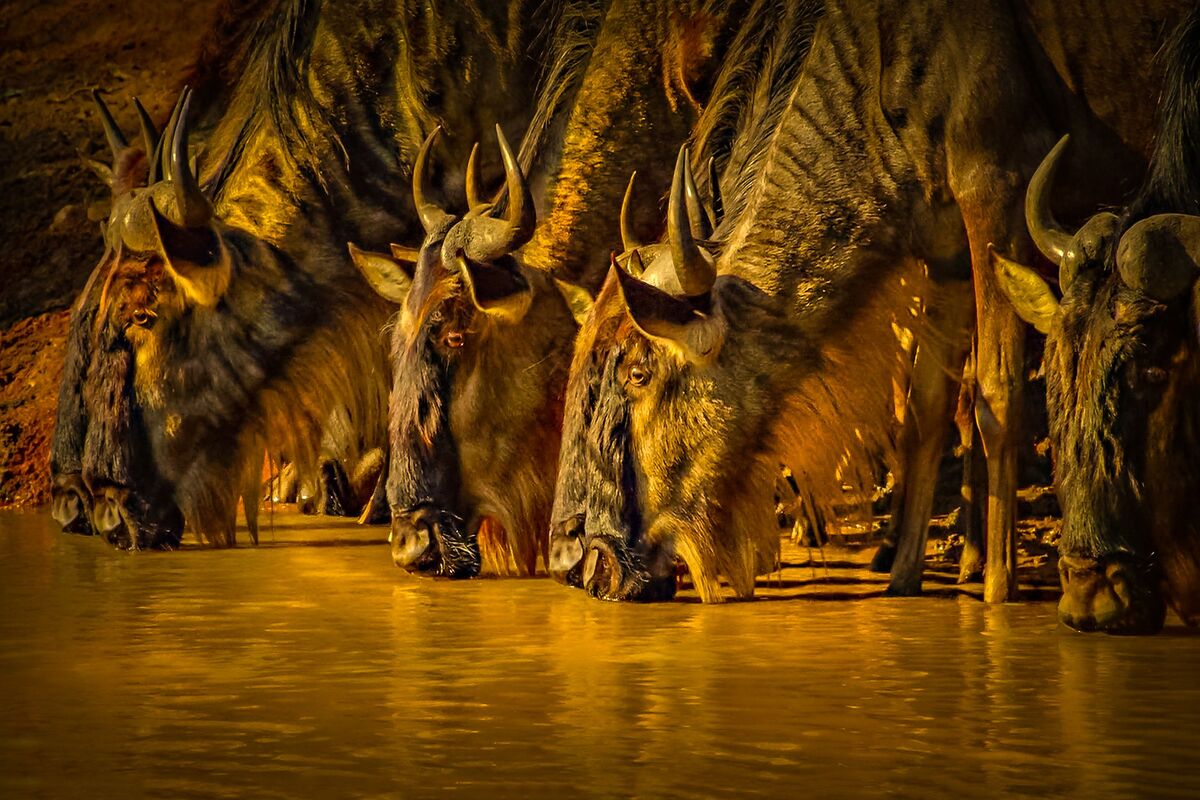
The best lighting for wildlife photography happens during sunrise and sunset. These “golden hours” cast warm, soft tones that bring your images to life, enhancing colors and minimizing harsh shadows. Morning light often coincides with heightened animal activity — predators on the move or elephants grazing in misty grasslands. Evening light, on the other hand, adds drama and depth, perfect for capturing silhouettes or sunset landscapes.
2. Keep Your Camera Ready – Wildlife Doesn’t Wait
Safari magic unfolds without warning, so always have your camera or phone within easy reach. Set your preferred shooting mode before heading out and keep extra batteries and memory cards handy. Animals may appear suddenly from the bush or cross the road right in front of your vehicle — those few seconds can make the difference between a missed moment and a once-in-a-lifetime shot. Quick readiness ensures you never lose that perfect frame.
3. Follow Your Guide’s Advice – Positioning is Everything
Your safari guide knows the terrain and animal behavior better than anyone. Ask for the best vantage points and optimal angles for specific sightings. Guides often anticipate animal movements and can position your vehicle for the best natural light and unobstructed views. Working in harmony with your guide not only enhances your photography results but also deepens your overall understanding of Kenya’s wildlife patterns.
4. Practice Patience – Wait for Nature’s Perfect Moment
Some of the most extraordinary photos come from waiting quietly and observing. Avoid rushing or constantly switching positions. Animals often behave naturally when they feel unobserved, leading to authentic, intimate shots — like a lion’s yawn or a giraffe’s tender nuzzle. Patience transforms photography from quick snapshots into storytelling — capturing the essence of life in the wild.
5. Respect Wildlife – Ethical Photography Matters
While capturing stunning shots, remember that animal welfare comes first. Avoid loud noises, flash photography, or getting too close, as these can disturb wildlife. Always prioritize their comfort and safety over a photo opportunity. Ethical photography not only protects Kenya’s natural treasures but also preserves the genuine authenticity of every image you take.
Great safari photography is a blend of timing, patience, and perspective. By mastering these techniques and trusting your guide’s experience, you’ll return home with more than just pictures — you’ll carry vivid stories of Kenya’s wild heart, ready to relive every time you look through your lens.
Types of Safari Accommodation in Kenya
Choosing the right accommodation is an important part of planning a comfortable and enjoyable safari. Kenya offers different places to stay, ranging from simple camps to luxurious lodges and exclusive tented camps. Each option provides a different level of comfort, service, and connection to the surrounding environment. Understanding these differences can help you select accommodation that suits your travel style, budget, and safari expectations:
1. Budget Camps – Affordable Stays Close to Nature
Budget camps provide affordable accommodation for travellers who want to experience Kenya's wilderness without spending too much on their stay. They typically offer simple tents or cottages, basic furnishings, clean bedding, and shared or private bathroom facilities. Some camps also provide meals and communal spaces where guests can relax after game drives. Their locations near national parks and reserves make them practical for visitors who prioritise wildlife activities over luxury facilities. They are particularly suitable for solo travellers, students, backpackers, and groups seeking an authentic outdoor experience.
2. Mid-Range Lodges – Comfort and Convenience at a Reasonable Cost
Mid-range lodges offer a balance between affordability and comfort, making them a popular choice for different types of safari travellers. Depending on the property, facilities may include en-suite bathrooms, comfortable rooms, restaurants, swimming pools, and outdoor relaxation areas. Some lodges also arrange game drives and other activities through their safari teams or local operators. Their convenient locations provide access to popular wildlife destinations while offering a comfortable place to relax between excursions. They are ideal for couples, families, and first-time safari travellers who want reliable services without paying luxury accommodation rates.
3. Luxury Tented Camps – An Exclusive Wilderness Experience
Luxury tented camps combine the atmosphere of traditional safari camping with the comfort and personalised services of upscale accommodation. They may feature spacious tents, comfortable beds, en-suite bathrooms, private verandas, and elegant dining areas. Some properties also offer guided nature walks, private dining, and other exclusive experiences. Their settings allow guests to enjoy close connections with nature without sacrificing comfort. They are particularly suitable for honeymooners, couples, and travellers seeking an intimate and memorable safari experience.
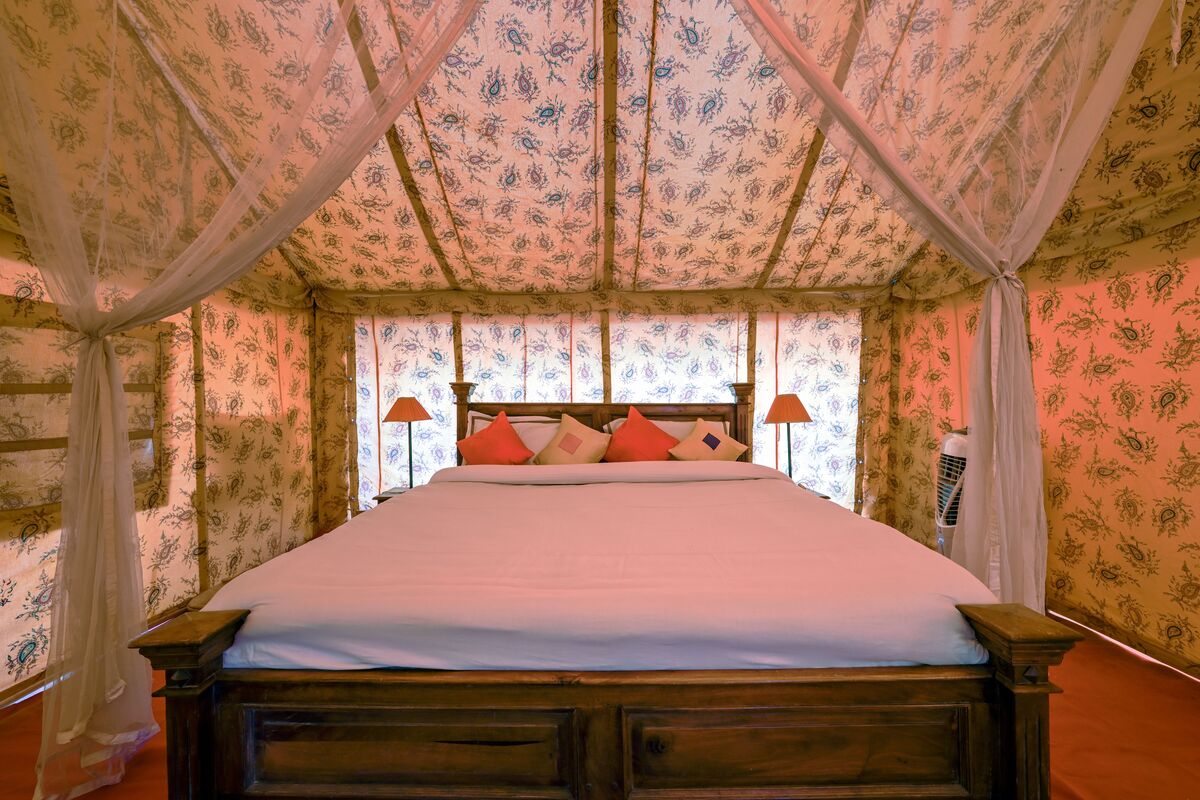
4. Safari Lodges – Full-Service Accommodation and Modern Comforts
Safari lodges are permanent accommodation establishments located within or near national parks, reserves, and other wildlife areas. They commonly provide furnished rooms or suites, restaurants, swimming pools, lounges, and outdoor viewing areas. Some overlook open plains, waterholes, or other natural features, allowing guests to appreciate the surrounding scenery from the property. Many also offer organised hospitality services and convenient access to safari activities. They are suitable for families, couples, and travellers who prefer established facilities and a comfortable base for exploring Kenya.
5. Eco-Camps and Boutique Stays – Sustainable and Personalised Accommodation
Eco-camps and boutique stays appeal to travellers who value environmental responsibility, smaller accommodation settings, and personalised hospitality. Some use solar energy, water-saving systems, locally sourced materials, and waste-reduction practices to minimise their environmental impact. Others support conservation initiatives and work with nearby communities through employment and local supply chains. Their atmosphere often provides a quieter and more personal alternative to larger accommodation establishments. They are ideal for responsible travellers who want their stay to reflect an interest in conservation and local community development.
6. Mobile Camps – A More Flexible Safari Experience
Mobile camps provide temporary accommodation in selected wilderness areas, offering a different experience from permanent lodges and tented camps. Some are established seasonally to serve areas of particular wildlife interest, while others operate according to specific safari itineraries. They generally feature temporary tented structures with beds, dining areas, and bathroom facilities that vary between operators. Their locations can provide access to remote areas and seasonal wildlife experiences that may be less convenient to explore from permanent properties. They are suitable for adventurous travellers and wildlife enthusiasts seeking a more immersive safari experience.
Choosing between these accommodation types depends on your budget, preferred comfort level, destination, and the kind of safari experience you want. At Sparwild African Tours and Safaris, we can help you select suitable accommodation based on your itinerary and travel preferences.
How Much Does a Kenya Safari Cost? Budgeting Tips from the Best Kenya Safari Guide
The cost of a Kenya safari depends on several travel choices. Your accommodation, transport, destinations, and trip duration all influence the final price. Safari experiences also vary by season, group size, and the services included in a package. The Best Kenya Safari Guide helps you understand these cost factors and plan a safari that fits your budget:
1. Accommodation Type – From Budget Camps to Luxury Lodges
Accommodation is one of the main factors that influence safari costs. Kenya has options ranging from basic camps to luxury lodges and exclusive tented camps. Budget properties offer essential facilities for travellers who want to keep costs manageable. Mid-range properties provide additional comfort, while luxury establishments offer more facilities and personalised services. Compare the rates and inclusions before choosing where to stay.

Budget camps are suitable for travellers who prioritise wildlife experiences over luxury. They provide basic facilities and a simple outdoor experience. Mid-range lodges offer more comfort, with facilities such as en-suite bathrooms, restaurants, and relaxation areas. Luxury lodges provide a more refined experience through spacious rooms, fine dining, and personalised hospitality. The Best Kenya Safari Guide recommends comparing accommodation facilities and services before making a decision.
2. Transportation – Choosing Between Road and Air Safaris
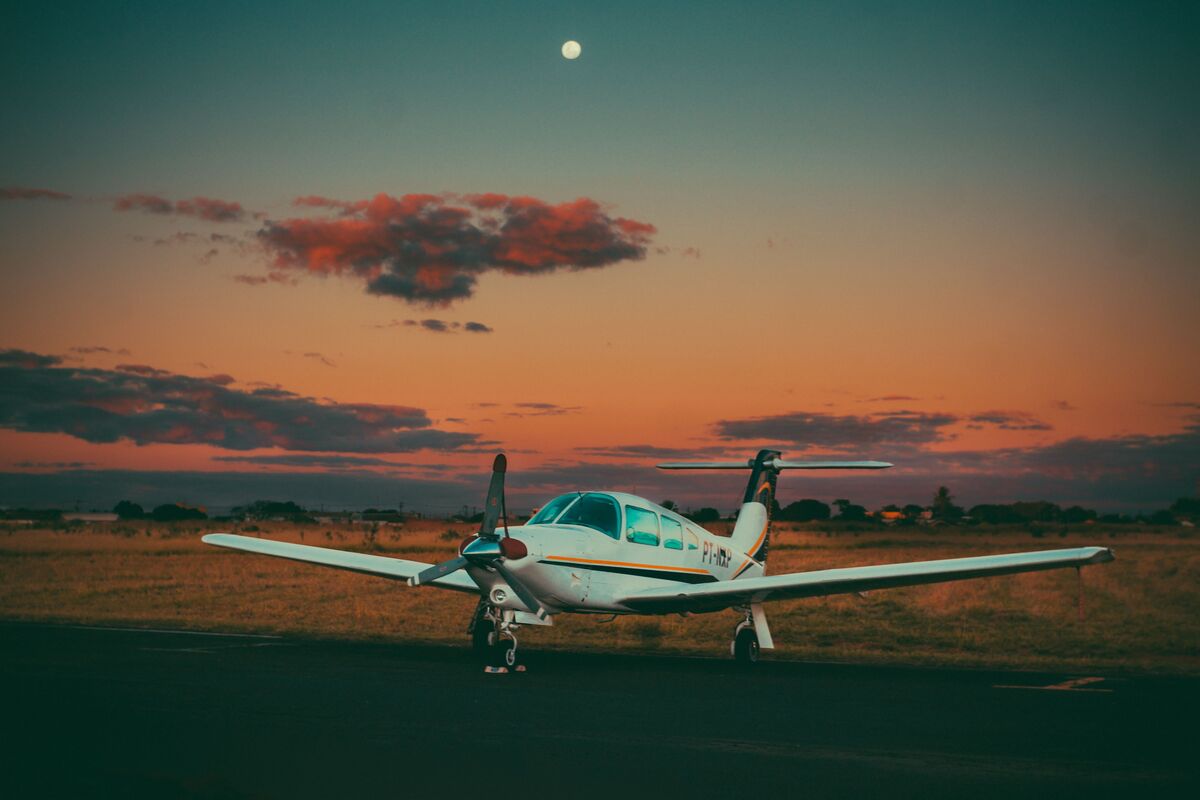
Transport costs depend on how you travel between destinations. Road safaris are common and allow you to explore Kenya's landscapes along the way. Fly-in safaris reduce travel time and provide convenient access to remote destinations. Some itineraries combine both options to balance cost and convenience. The Best Kenya Safari Guide considers your schedule, budget, and preferred travel experience when comparing transport arrangements.
Road safaris provide a practical way to explore several destinations. You can enjoy changing landscapes and experience local communities along the route. The overall transport cost depends on the vehicle, distance, group size, and itinerary. Fly-in safaris are more convenient for covering longer distances. However, flight prices depend on the route, airline, season, and baggage allowance. Combined itineraries offer flexibility by using road transfers between nearby parks and flights for longer journeys.
3. Safari Duration – Finding the Right Length for Your Budget
The length of your safari has a direct influence on the overall cost. Longer trips usually involve more accommodation nights, meals, transport, and activities. Shorter safaris may cost less overall, but the daily cost can be higher depending on the destination and arrangements. Consider how much time you have and which experiences matter most. The Best Kenya Safari Guide can help you find a suitable balance between trip duration and budget.
A three-day safari is suitable for travellers who want a short wildlife experience. The Maasai Mara is one possible destination, depending on the starting point and travel arrangements. A five-to-seven-day safari allows more time to explore different parks and reserves. You could combine destinations such as the Maasai Mara, Lake Nakuru, and Amboseli. Longer safaris of ten days or more provide opportunities to explore additional regions and enjoy a more relaxed travel pace.
4. Season of Travel – Understanding Peak and Low-Season Rates
The time of year can affect accommodation rates, transport availability, and overall safari expenses. Peak travel periods often attract higher demand, especially in popular wildlife destinations. Some properties offer more favourable rates during quieter months. However, seasonal weather conditions may influence road access and wildlife-viewing experiences. The Best Kenya Safari Guide recommends considering both travel costs and seasonal conditions when selecting your safari dates.
5. Group Size – Sharing the Cost of Your Safari
The number of people travelling together can influence the cost per person. Private safaris offer greater flexibility but may involve higher individual transport costs for smaller groups. Group safaris allow travellers to share certain expenses, including vehicle and guide costs. Families and larger groups may also benefit from shared accommodation arrangements where available. Consider your preferred level of privacy and flexibility when comparing these options.
6. Safari Activities and Additional Experiences
The activities included in your itinerary can also affect your overall spending. Standard game drives may be part of your safari package, while experiences such as hot air balloon flights, guided nature walks, and cultural visits may attract additional charges. Some destinations also offer boat excursions and hiking opportunities. Decide which activities are important to you before finalising your itinerary. This helps you allocate your budget towards experiences that match your interests.
7. Check Package Inclusions and Exclusions
Always review what your safari package covers before making a booking. Some packages include accommodation, meals, park entry fees, transport, and professional guiding. Others may charge separately for certain activities, drinks, or personal expenses. Check the terms carefully to understand what you will pay for during the trip. At Sparwild African Tours and Safaris, we help travellers compare package details and plan itineraries that reflect their budgets and expectations.
What’s the Best Time of Year for a Kenya Safari? Insights from the Best Kenya Safari Guide
The timing of your safari can influence the wildlife experiences, weather, and landscapes you encounter. Kenya has distinct dry and wet seasons, each offering different conditions for exploring its national parks and reserves. Wildlife movements also vary throughout the year, making some periods more suitable for particular interests. The Best Kenya Safari Guide considers these seasonal differences when helping travellers plan their trips:
1. The Dry Season (July to October and January to March)
The dry season is a popular time for wildlife safaris in Kenya. Limited rainfall and shorter grass can make animals easier to spot in many areas. Wildlife may also gather around remaining water sources, creating rewarding game-viewing opportunities. Roads are generally easier to navigate, although conditions can vary between destinations. These months are particularly suitable for travellers who prioritise wildlife viewing and outdoor activities:
a. July to October – The Great Migration and Peak Safari Season
July to October is a popular period for visiting the Maasai Mara. During these months, large herds of wildebeest and zebras may move into the reserve as part of the Great Migration. Predators such as lions and leopards also inhabit the ecosystem, although sightings depend on natural wildlife activity. The period attracts many visitors, especially around expected river-crossing locations. The Best Kenya Safari Guide recommends booking accommodation and safari arrangements early during this busy season.
-
What to Expect: Generally drier conditions, open grasslands, and opportunities to observe large wildlife herds.
-
Best For: First-time safari travellers, wildlife photographers, and visitors interested in the Great Migration.
-
Travel Consideration: Popular camps and lodges can fill up quickly. Consider combining the Maasai Mara with destinations such as Lake Nakuru or Amboseli for a varied itinerary.
b. January to March – Warm Weather and Wildlife Viewing
January to March is another favourable period for a Kenya safari. The weather is generally warm and relatively dry in many wildlife destinations. Shorter vegetation can improve visibility during game drives. This period also offers opportunities to observe predators and other wildlife across different habitats. It is a good option for travellers seeking a safari outside the main migration season.
-
What to Expect: Warm temperatures, relatively dry conditions, and good wildlife-viewing opportunities.
-
Best For: Families, couples, and travellers who prefer warmer weather.
-
Travel Consideration: You can combine your safari with a beach holiday along Kenya's coast for a varied experience.
2. The Wet Season (November to December and March to May)
The wet season brings rainfall that transforms Kenya's landscapes. Grasslands become greener, seasonal water sources refill, and many areas attract different bird species. Some roads may become muddy or difficult to navigate, particularly during heavier rainfall. However, the season can offer quieter safari experiences and attractive photography conditions. Travellers should consider local weather patterns when selecting destinations and accommodation:
a. November to December – The Short Rains
The short rains usually occur between October and December, although their timing and intensity vary. November often brings noticeable rainfall, while December can have a mixture of wet and dry days. The changing weather creates green landscapes and fresh scenery across many wildlife areas. Birdwatching can also be rewarding during this period. The Best Kenya Safari Guide recommends checking local conditions before confirming travel arrangements.
-
What to Expect: Greener landscapes, occasional showers, and opportunities for birdwatching.
-
Best For: Nature photographers, bird enthusiasts, and travellers who prefer quieter destinations.
-
Travel Consideration: Pack suitable rain protection and choose accommodation with convenient access to planned activities.
b. March to May – The Long Rains
The long rains generally occur between March and May, with April often experiencing heavier rainfall in many parts of Kenya. The scenery becomes lush, and some destinations experience fewer visitors. However, muddy roads and changing weather can affect travel between parks. Some seasonal camps may also adjust their operating schedules. Travellers visiting during this period should plan carefully and allow flexibility in their itineraries.
-
What to Expect: Lush vegetation, occasional heavy showers, and quieter wildlife destinations.
-
Best For: Budget-conscious travellers, birdwatchers, and visitors interested in green-season landscapes.
-
Travel Consideration: Confirm accommodation availability and road conditions before travelling. Work with an operator who can adapt the route to local weather conditions.
3. Choosing the Right Season for Your Kenya Safari
The best time for a Kenya safari depends on your interests, available travel dates, and preferred conditions. Some visitors prioritise the Great Migration, while others prefer green landscapes or quieter parks. The Best Kenya Safari Guide helps you consider these differences when selecting your travel period.
-
For the Great Migration: Consider July to October, while remembering that herd movements and river crossings are unpredictable.
-
For generally dry conditions: Consider January to March or July to October.
-
For green landscapes and birdwatching: Consider the wetter months, particularly November and December.
-
For quieter safari experiences: Consider travelling during the rainy seasons, while checking local access and accommodation conditions.
At Sparwild African Tours and Safaris, we help travellers plan around their preferred season, destinations, and activities. We consider weather conditions, wildlife interests, and travel arrangements when preparing safari itineraries. This helps you choose a suitable time to explore Kenya and make the most of your journey.
Why Book Your Kenya Safari with Sparwild African Tours and Safaris?
Choosing the right safari operator can make a significant difference to your travel experience. You need a team that understands your interests, provides clear guidance, and helps organise an itinerary that suits your expectations. At Sparwild African Tours and Safaris, we focus on making safari planning straightforward while helping you explore Kenya's remarkable destinations. Here is why you should consider booking your next safari with us:
1. Local Knowledge of Kenya's Safari Destinations
We understand the different landscapes, wildlife habitats, and experiences offered by Kenya's national parks and reserves. Our knowledge helps us guide you towards destinations that match your interests, whether you want to explore the Maasai Mara, Amboseli, Samburu, or other parts of the country. We also consider travel distances and seasonal conditions when planning your itinerary.
2. Safari Itineraries Tailored to Your Preferences
We recognise that every traveller has different expectations. Our team works with you to plan an itinerary around your preferred destinations, travel dates, budget, accommodation choices, and activities. Whether you are planning a short wildlife getaway, a family holiday, or an extended Kenya safari, we help create an arrangement that reflects your travel goals.
3. Carefully Planned Travel Arrangements
A rewarding safari requires more than selecting destinations. We consider the practical details that make your journey easier, including transport, accommodation, park visits, and the timing of activities. We help coordinate these arrangements so that your itinerary follows a practical route and allows you to enjoy your chosen destinations.
4. Clear Communication and Booking Support
We believe you should understand what your safari involves before making a commitment. We provide information about package inclusions, exclusions, accommodation arrangements, payment requirements, and other relevant details. Our team remains available to answer your questions and guide you through the booking process, helping you make informed decisions.
5. Experiences That Balance Adventure and Comfort
Your safari should reflect the kind of holiday you want to enjoy. We help you consider suitable accommodation, travel arrangements, and activities based on your preferences and budget. Whether you prefer a simple camping experience or a more comfortable lodge stay, we aim to create a safari that balances wildlife exploration with your desired level of comfort.
6. A Team Committed to Your Safari Experience
We want your journey to be enjoyable from the planning stage to the end of your trip. We take time to understand your expectations, communicate the arrangements, and provide guidance as your travel plans take shape. Our goal is to help you experience Kenya with confidence while making the most of your time in the country.
Frequently Asked Questions About the Best Kenya Safari Guide
Planning your first safari often comes with excitement and uncertainty — it’s natural to have questions before setting off on such a life-changing adventure. To help you make confident, informed decisions, we’ve compiled the most common inquiries travelers ask when preparing for their first Kenyan safari. Here are the answers you’ve been looking for:
1.How Does This Guide Help First-Time Travelers Plan the Best Kenya Safari?
This guide is built from real experience hosting first-time safari travelers and understanding their challenges. It’s not just an itinerary — it’s a practical roadmap covering all you need to know about timing, destinations, budgeting, packing, and safety. The goal is to help you avoid common mistakes and plan your safari with clarity and confidence.
2. What Is the Ideal Duration for a First-Time Safari in Kenya?
For a fulfilling experience, plan at least 5–7 days. This allows enough time to explore multiple parks, witness diverse wildlife, and unwind without feeling rushed. Shorter safaris (2–3 days) are still exciting but usually focus on a single park such as Maasai Mara or Amboseli.
3. When Is the Ideal Season to Go on Safari in Kenya for the Best Wildlife Experience?
The best period is July to October, during the Great Migration and dry season, when wildlife viewing is at its peak. For those seeking quieter experiences, January to March offers equally rewarding sightings and fewer crowds — perfect for photographers or honeymooners.
4. Are Kenya Safaris Safe and Suitable for Families with Children?
Yes, Kenya is family-friendly and has lodges that cater specifically to children. Many camps provide family tents, child-friendly menus, and engaging junior ranger programs. Our trained guides ensure every family member — from kids to grandparents — enjoys a safe and enriching adventure.
5. What Animals Can I Expect to See on the Best Kenya Safari?
Expect to see the Big Five — lion, leopard, elephant, rhino, and buffalo — along with giraffes, zebras, cheetahs, hippos, hyenas, and hundreds of bird species. Kenya’s national parks are home to some of the world’s richest biodiversity, ensuring unforgettable wildlife encounters every day.
6. What Should I Wear on the Best Kenya Safari for Comfort and Safety?
Opt for neutral-colored clothing like khaki, olive, or beige, which blend well into natural surroundings. Avoid bright colors or camouflage prints. Layer your outfits to adjust to changing temperatures — cool mornings, warm afternoons, and breezy evenings are common.
7. How Much Should I Budget for the Best Kenya Safari Experience?
Prices vary by season, park, and accommodation type. On average, safaris range between $200 and $800 per person per day. Budget safaris offer incredible value, while luxury packages provide exclusive lodges, private vehicles, and premium services. The Best Kenya Safari Guide helps you find the perfect balance between comfort and cost.
8. How Much Should I Tip Guides and Staff During a Kenya Safari?
Tipping is a thoughtful way to show appreciation for exceptional service during your safari. While it’s not mandatory, it’s a valued custom in Kenya’s tourism industry. For safari guides or drivers, a tip of $10–$20 per person per day is standard, depending on service quality and trip duration. For lodge or camp staff, $5–$10 per day is appreciated, often placed in a shared tip box. Always carry small denominations in USD or Kenyan Shillings, and hand tips discreetly at the end of your stay. Including tipping in your budget ensures a smooth, respectful experience that supports the hardworking teams who make your adventure unforgettable.
9. Can I combine my safari with a beach holiday?
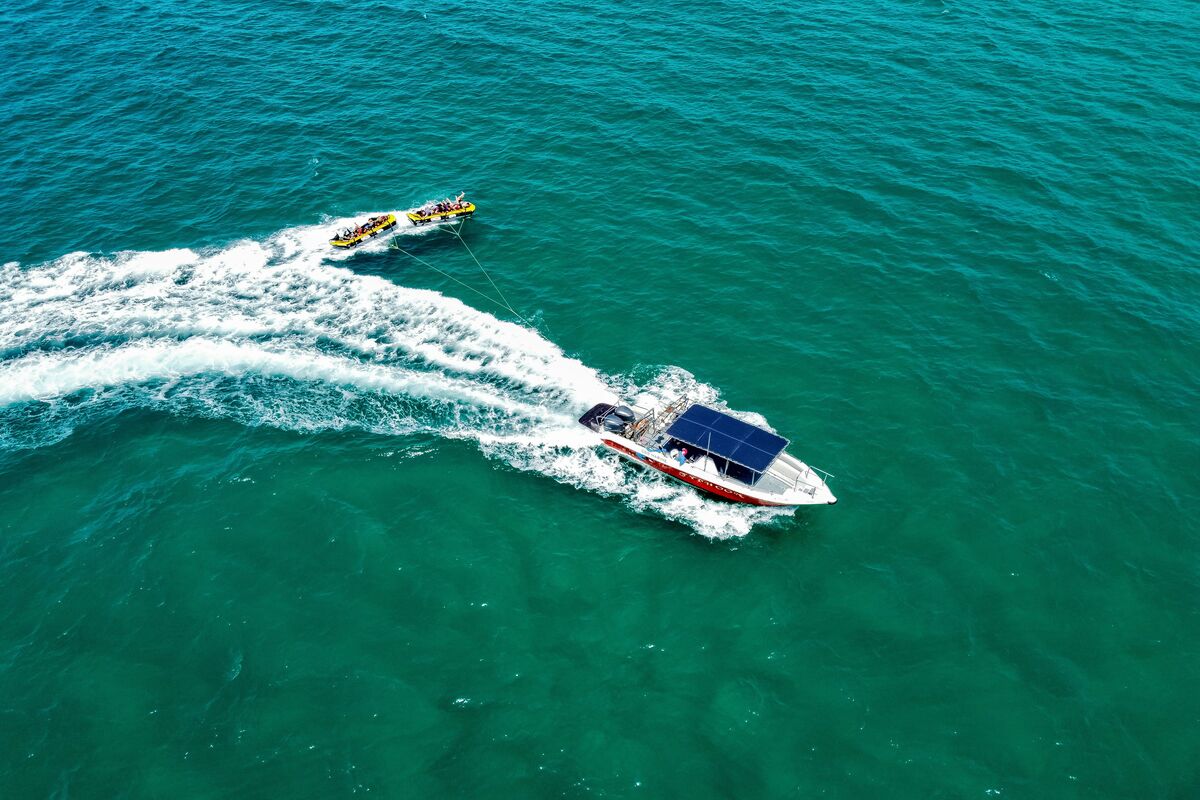
Absolutely — combining your Kenya safari with a beach holiday is one of the most rewarding ways to experience the country. After thrilling days of wildlife viewing in the Maasai Mara or Amboseli, many travelers unwind along Kenya’s coastal gems like Diani Beach, Watamu, or Malindi. These destinations offer turquoise waters, white sandy beaches, and world-class resorts ideal for relaxation. Whether you want to dive, snorkel, or simply enjoy a sunset by the ocean, this combination gives you the best of both worlds — adventure and tranquility. Many safari packages can be customized to include both experiences seamlessly, allowing you to end your journey in pure bliss.
10. Do I Need Travel Insurance for My Kenya Safari?
Yes, having comprehensive travel insurance is strongly recommended for anyone planning a safari in Kenya. It provides peace of mind by covering unexpected events such as medical emergencies, trip cancellations, flight delays, or lost luggage. Some parks and lodges may even require proof of insurance, especially if your itinerary includes remote locations. Look for a policy that includes medical evacuation coverage, as safaris often take place far from major hospitals. Investing in reliable travel insurance ensures that your adventure remains safe, worry-free, and fully enjoyable — no matter what surprises the wild may bring.
11. What Camera Gear Should I Bring for the Best Kenya Safari Experience?
Capturing Kenya’s breathtaking wildlife and landscapes requires the right equipment. A DSLR or mirrorless camera with a zoom lens (200mm–400mm) is ideal for photographing animals from a safe distance. Bring extra batteries, memory cards, and a sturdy camera bag to protect your gear during bumpy game drives. A lightweight tripod or beanbag helps stabilize shots, especially in low light. If you prefer mobile photography, ensure your phone has sufficient storage and a power bank for long days in the field. The key is to travel light but prepared — the best Kenya safari moments often happen when your camera is ready.
12. Why Should I Book My Safari with Sparwild African Tours and Safaris?
Booking your safari with us ensures a truly personalized and worry-free experience. We specialize in tailor-made itineraries that combine adventure, comfort, and cultural immersion, all guided by experts with deep local knowledge. From game drives to accommodations and logistics, every detail is carefully planned to maximize your time and enjoyment. Choosing our services means you benefit from professional guidance, safety, and insider insights — turning your first Kenya safari into a seamless, unforgettable journey that exceeds expectations.
Book Your Dream Safari Today – Experience the Best Kenya Safari Guide in Action
Your dream safari begins the moment you decide to make it real. With the Best Kenya Safari Guide as your starting point, we’ll help you craft a journey filled with awe, discovery, and unforgettable encounters across Kenya’s most breathtaking landscapes. Every itinerary we design is personalized to match your pace, interests, and budget — whether you seek luxury comfort or authentic bush adventure. Don’t just read about Kenya’s magic — live it. Book your safari today with Sparwild African Tours and Safaris and let our expertise, passion, and attention to detail turn your first safari into a once-in-a-lifetime experience you’ll cherish forever.