The Maasai Mara National Reserve is one of Kenya's most celebrated safari destinations, known for its expansive grasslands, remarkable wildlife and traditional Maasai culture. For first-time visitors, a safari here offers an opportunity to experience Africa's wilderness, observe animals in their natural habitat and enjoy some of the continent's most memorable landscapes.
Whether you are planning a short safari from Nairobi or a longer holiday combining several destinations, understanding how the Maasai Mara works will help you prepare for a rewarding journey.
This guide covers the best time to visit, wildlife experiences, accommodation, transport, packing essentials and practical tips for planning your first Maasai Mara safari.
1. Where Is the Maasai Mara?
The Maasai Mara is located in southwestern Kenya, within Narok County, close to the Tanzania border. It forms part of the wider Mara-Serengeti ecosystem, which extends across Kenya and northern Tanzania.
The landscape is characterised by open savannah grasslands, rolling hills, river systems and scattered acacia trees. These habitats support a wide variety of wildlife, making the region an important destination for wildlife conservation and safari tourism.
The Maasai Mara is particularly associated with large populations of lions, elephants, leopards, cheetahs, buffaloes and other plains animals.
Visitors should understand that the Maasai Mara National Reserve and the surrounding private conservancies are different management areas. Each has its own access arrangements, activities, accommodation options and conservation rules.
2. What Wildlife Can You See in the Maasai Mara?
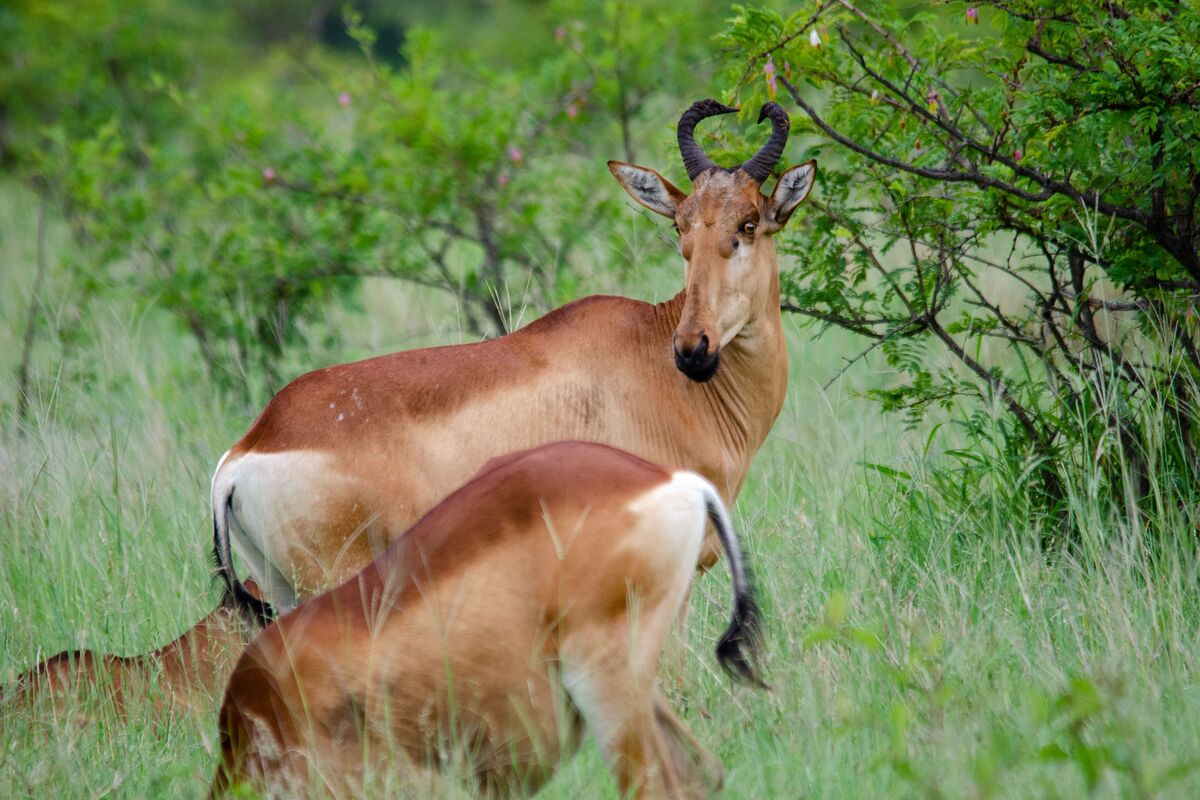
Wildlife viewing is one of the main reasons travellers visit the Maasai Mara. The reserve supports an impressive variety of mammals and birdlife.
Some of the animals commonly encountered during game drives include:
-
Lions: Often seen resting in the grass or moving across the plains, sometimes in family groups called prides.
-
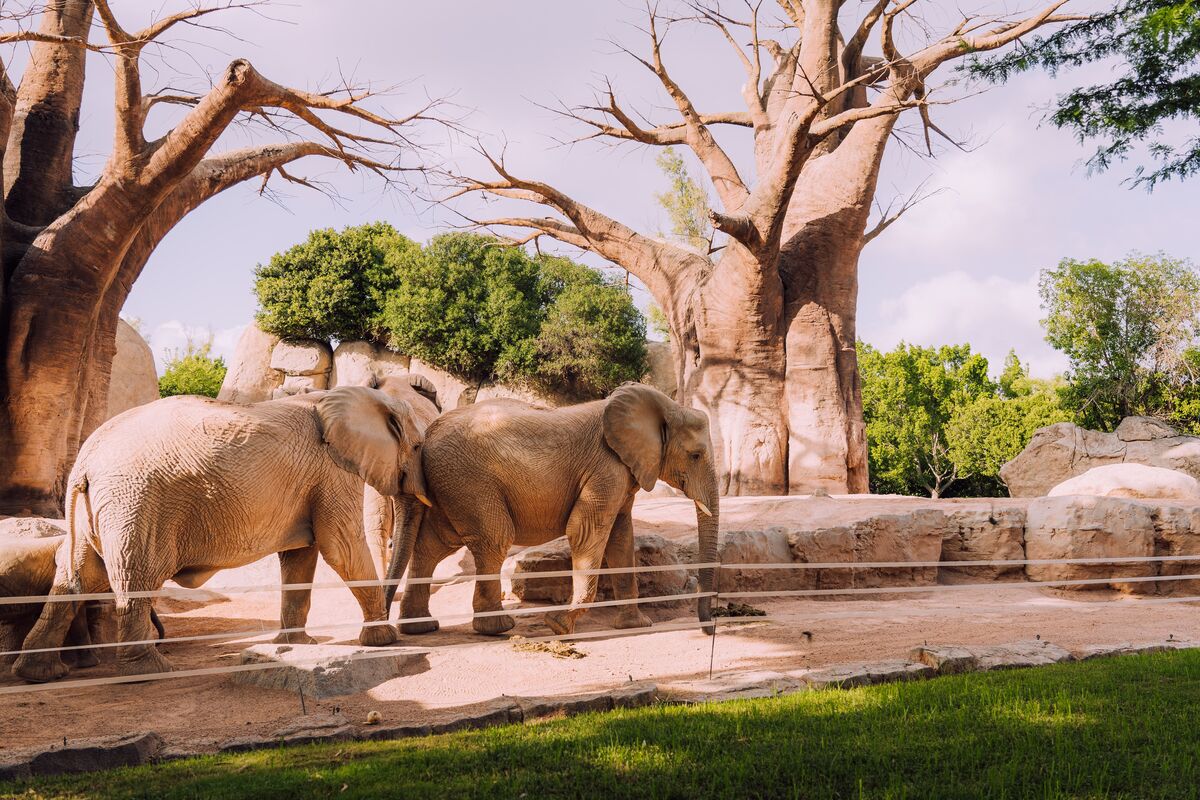
Elephants: Frequently observed moving through the savannah and woodland areas.
-
Leopards: These elusive cats may be spotted resting in trees or moving through riverine vegetation.
-
Cheetahs: Known for their speed, cheetahs are often associated with open grassland habitats.
-
Buffaloes: Usually found in herds and frequently encountered during game drives.
-
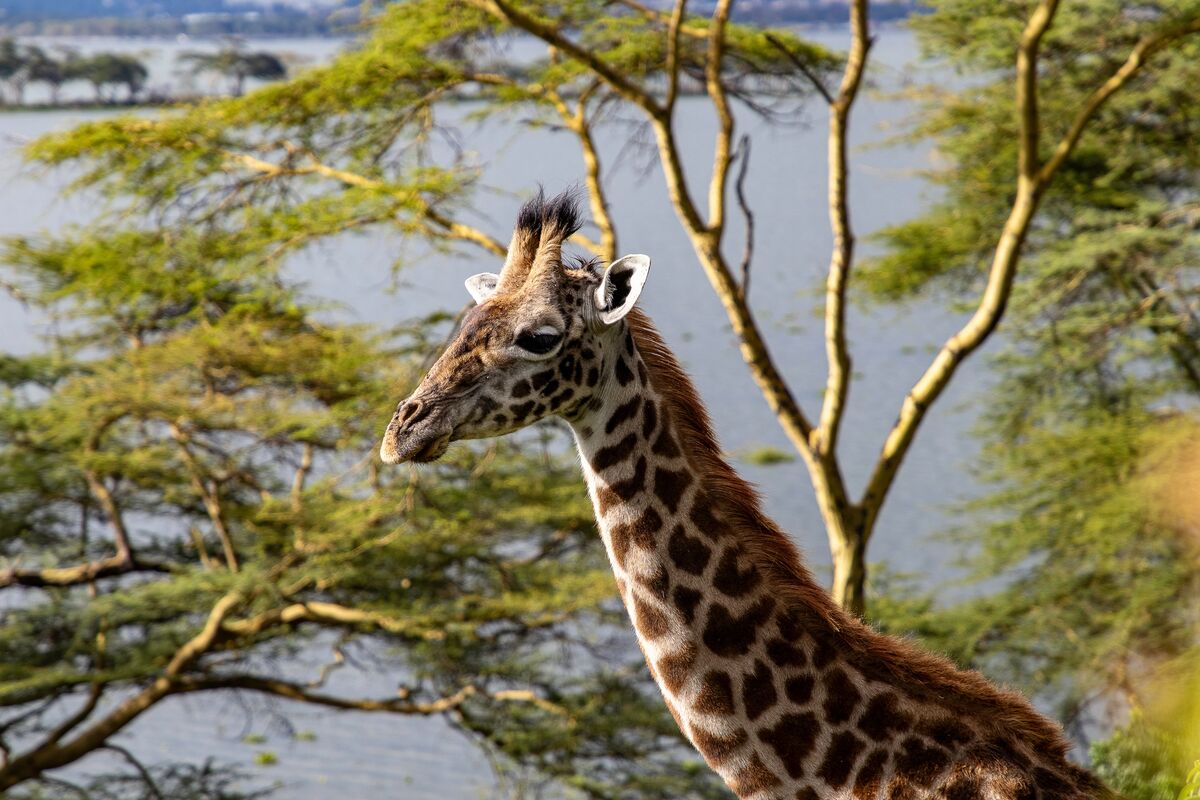
Giraffes: Their height makes them easy to recognise as they browse on trees and shrubs.
-
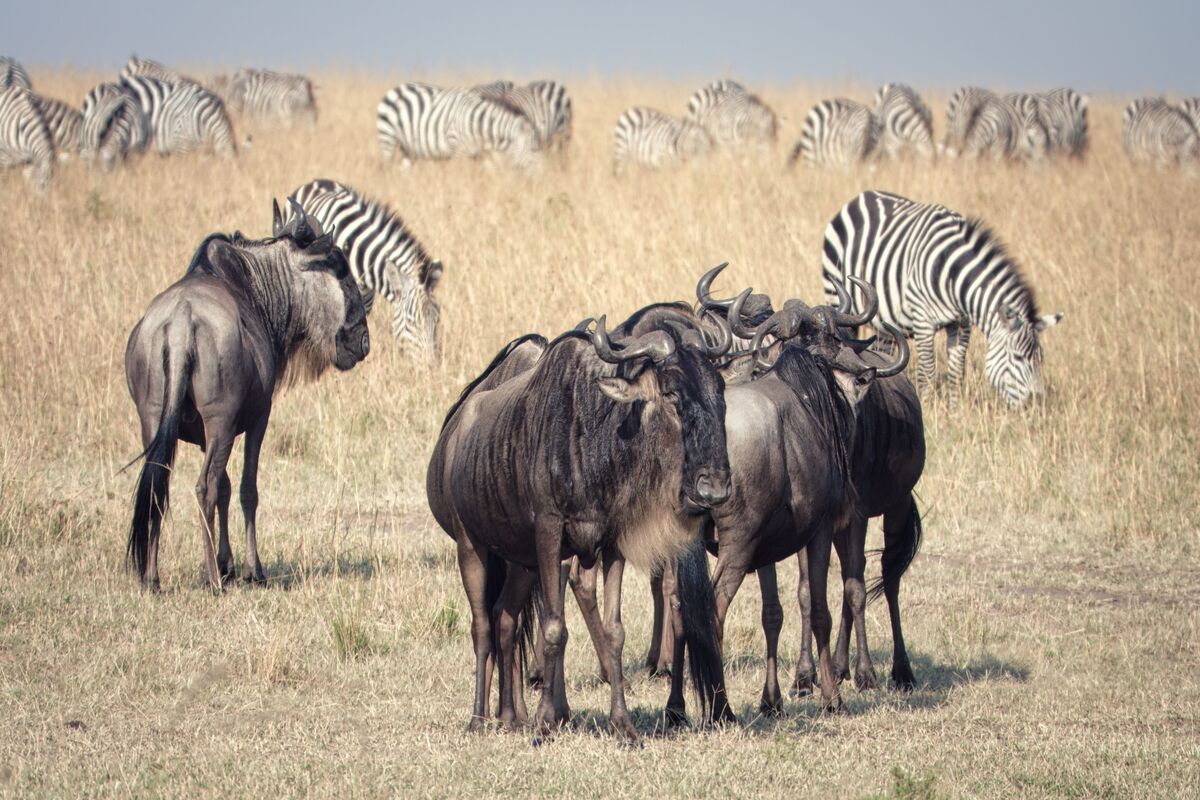
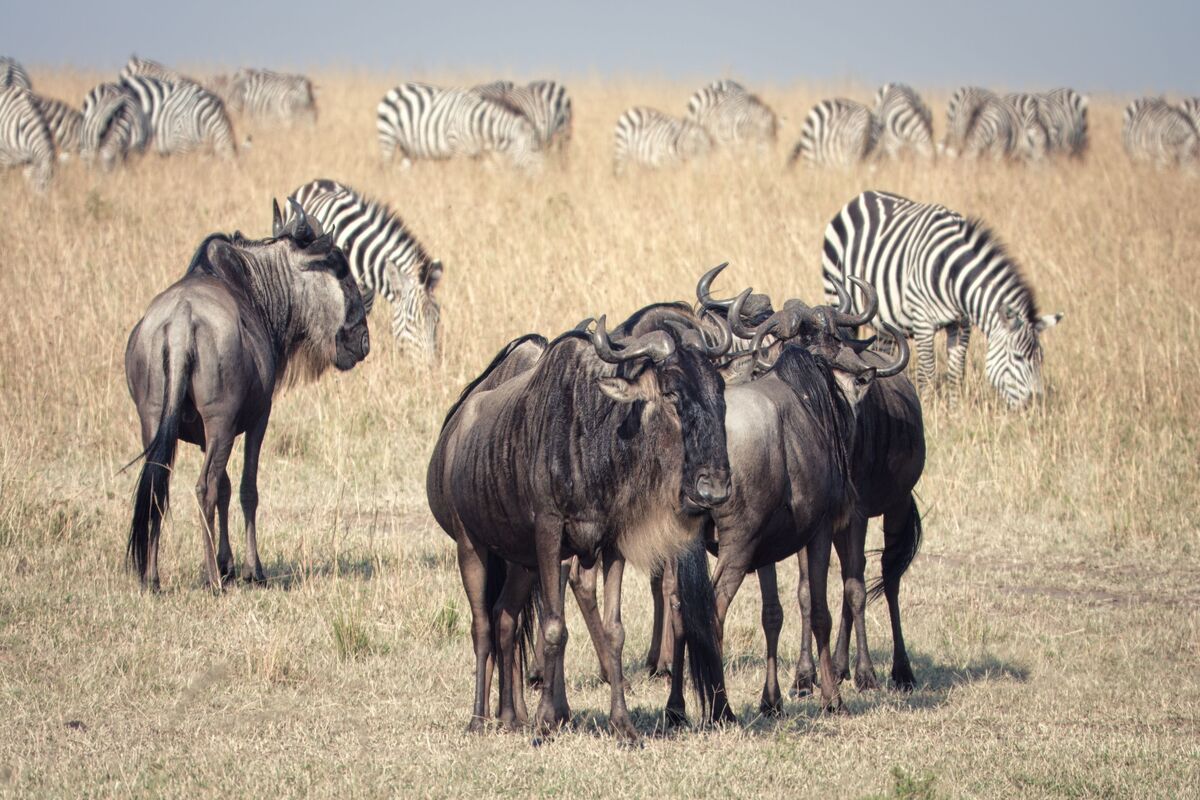
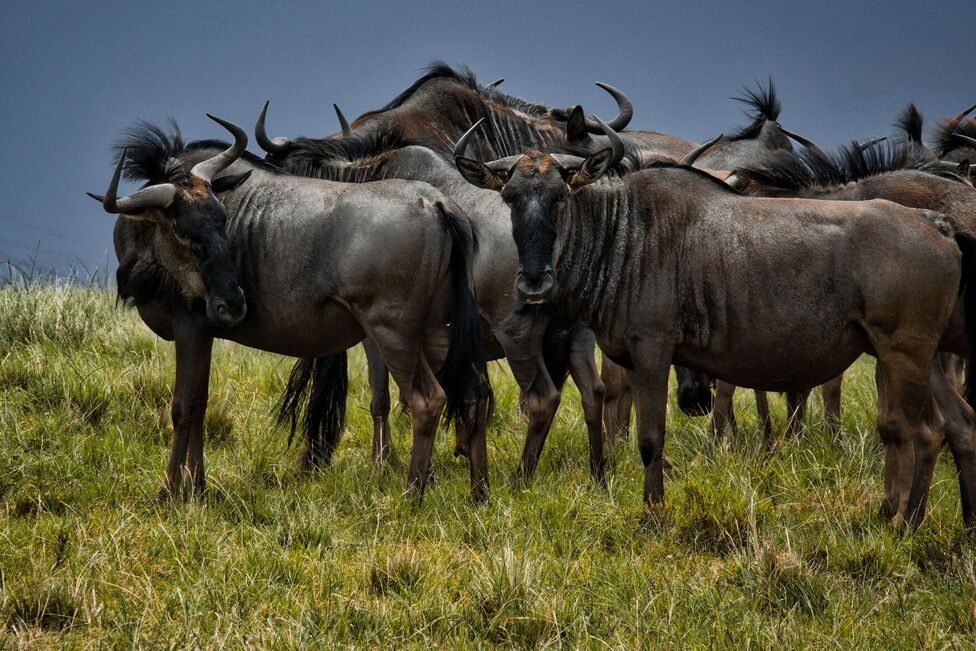
Zebras and wildebeest: Important members of the Mara ecosystem and a major part of the seasonal migration.
-
Hyenas and jackals: Predators and scavengers that play an important role in the ecosystem.
The Maasai Mara is also an excellent destination for birdwatching, with numerous resident and migratory bird species.
Wildlife sightings are never guaranteed. Animals move freely through their habitats, and sightings depend on factors such as season, weather, location and animal behaviour. An experienced safari guide can help visitors interpret the landscape and look for signs of wildlife.
3. The Great Wildebeest Migration
The Great Wildebeest Migration is one of the most famous natural wildlife movements in Africa. It involves large numbers of wildebeest, accompanied by zebras and other grazing animals, moving through the Serengeti-Mara ecosystem in search of fresh grazing and water.
The Mara region is particularly well known for the dramatic river crossings that may occur when migrating herds encounter rivers such as the Mara River.
These crossings can attract predators and create remarkable wildlife-viewing opportunities. However, they are natural events and cannot be scheduled or guaranteed for a particular day.
When should you visit for the migration?
The migration follows rainfall patterns and changing grazing conditions across the ecosystem. Large herds commonly reach the Maasai Mara during the middle and later parts of the year, but their timing and location vary.
If witnessing the migration is your main priority:
-
Plan your trip with some flexibility.
-
Consider spending several days in the Mara rather than only one night.
-
Work with a safari operator familiar with the region.
-
Understand that river crossings may not happen during your exact visit.
-
Enjoy the wider wildlife experience rather than focusing exclusively on the crossings.
The Maasai Mara remains a rewarding safari destination outside the migration season, with resident wildlife available throughout the year.
4. What Is the Best Time to Visit the Maasai Mara?
The Maasai Mara can be visited throughout the year. The best period depends on your interests, budget, preferred weather and the experiences you want to prioritise.
Dry season
The drier months generally offer favourable conditions for wildlife viewing. Vegetation may be shorter, and animals can be easier to spot around water sources.
This period is popular with safari travellers, so accommodation availability and prices may vary according to demand.
Green season
The greener months bring fresh vegetation and changing landscapes. The scenery can be especially attractive for photography, and birdwatching can be rewarding.
Some roads may become more challenging after heavy rainfall, so choosing suitable transport and accommodation is important.
Choosing your travel dates
Before booking, consider:
-
Your preferred travel month.
-
Whether the Great Migration is a priority.
-
Your accommodation budget.
-
The length of your safari.
-
Whether you are combining the Mara with other Kenyan destinations.
Rather than choosing dates based on a single wildlife event, consider the overall experience you want from your safari.
5. How Many Days Do You Need?
For a first visit, a two- or three-night stay is a useful starting point. It allows time for several game drives without making the journey feel unnecessarily rushed.
A longer stay may be preferable for travellers interested in photography, birdwatching, a slower safari experience or the Great Migration.
A typical three-day Maasai Mara safari could follow this outline:
Day 1: Travel to the Maasai Mara
Depart from Nairobi and travel towards the reserve. Depending on your departure time and road conditions, you may arrive in time for lunch followed by an afternoon game drive.
Day 2: Full-day wildlife exploration
Enjoy an early morning game drive when many animals are active. Return to your accommodation for breakfast or continue with a packed breakfast, depending on your itinerary. Spend the day exploring different wildlife areas before returning to camp or lodge.
Day 3: Morning game drive and return
Enjoy an early game drive, followed by breakfast. Begin the return journey to Nairobi, with suitable stops along the way.
This is an illustrative itinerary. Actual travel times, activities and game-drive arrangements depend on the accommodation, transport arrangements and package selected.
6. How Do You Get to the Maasai Mara?
Most visitors begin their journey in Nairobi. There are two main ways to reach the Maasai Mara.
By road
Travelling by road is a popular option for visitors who want to enjoy the scenery along the way. A safari vehicle, preferably a suitable 4x4, is commonly used for this journey.
Road travel allows flexibility and can be convenient for travellers booking a private safari or joining a scheduled group departure.
Travel time varies depending on the starting point, destination camp, road conditions and weather.
By air
Travelling by air is a convenient option for visitors who want to reduce the time spent on the road. Scheduled and charter flights operate between Nairobi and airstrips serving the Maasai Mara region.
After landing, visitors are normally transferred to their accommodation by a lodge or safari operator.
Flight availability, baggage restrictions and transfer arrangements should be confirmed before booking.
7. Where Should You Stay?
Accommodation in and around the Maasai Mara ranges from comfortable tented camps to luxury safari lodges.
Your choice should depend on your budget, preferred level of comfort, location and the type of safari experience you want.
Common accommodation options include:
-
Budget camps: Suitable for travellers looking for a more affordable safari experience with essential facilities.
-
Mid-range tented camps: Offer a balance between comfort, service and price.
-
Luxury tented camps: Provide enhanced facilities, personalised service and carefully designed safari experiences.
-
Safari lodges: Often offer permanent structures, restaurants, lounges and additional guest facilities.
When comparing accommodation, consider its location, park access arrangements, included meals, game-drive options and any additional charges.
It is also important to check whether the quoted package includes accommodation, park fees, transport, meals and activities.
8. What Should You Pack for Your First Safari?
Packing appropriately makes your safari more comfortable. Temperatures can vary between early mornings, daytime game drives and evenings.
We recommend packing the following:
-
Lightweight, comfortable clothing in neutral colours.
-
A warm jacket or fleece for early morning game drives.
-
Comfortable walking shoes.
-
A wide-brimmed hat or cap.
-
Sunglasses and sunscreen.
-
Insect repellent.
-
Personal medication and basic toiletries.
-
Binoculars for observing distant wildlife.
-
A camera, spare batteries and memory cards.
-
A reusable water bottle.
Avoid packing unnecessary heavy luggage, particularly if you are travelling by small aircraft. Check your airline's baggage allowance before departure.
9. Important Safari Etiquette and Safety Tips
A safari is an opportunity to observe wildlife in its natural environment. Responsible behaviour helps protect both visitors and animals.
Follow these basic guidelines:
-
Always follow your professional safari guide's instructions.
-
Remain inside the safari vehicle unless your guide confirms that it is safe to leave.
-
Keep a respectful distance from wildlife.
-
Avoid shouting, making sudden noises or disturbing animals.
-
Never feed wild animals.
-
Do not litter in the reserve or conservancies.
-
Respect local communities, cultural practices and private property.
-
Follow all reserve and conservancy regulations.
Remember that wild animals are unpredictable. Your guide's instructions should always take priority over getting a photograph or moving closer to an animal.
10. How Much Does a Maasai Mara Safari Cost?
The cost of a Maasai Mara safari varies according to several factors. There is no single price that applies to every traveller.
The main factors influencing the total cost include:
-
Number of safari days and nights.
-
Accommodation category.
-
Number of travellers sharing the vehicle.
-
Transport by road or air.
-
Applicable park or conservancy fees.
-
Meals and included activities.
-
Travel season and accommodation availability.
-
Private or group safari arrangements.
When comparing safari quotations, look beyond the headline price. Check what is included and excluded so that you can make an informed decision.
A clear quotation should explain the accommodation, transport, meals, park fees, game drives and any additional costs.
11. Can You Combine the Maasai Mara with Other Destinations?
Yes. The Maasai Mara can be included in a longer Kenya safari or a multi-country East African holiday.
Depending on your available time and interests, you may consider combining it with destinations such as:
-
Amboseli National Park: Known for its elephant populations and views of Mount Kilimanjaro.
-
Lake Nakuru National Park: Offers opportunities to explore diverse habitats and wildlife.
-
Lake Naivasha: A popular destination for birdwatching and selected nature activities.
-
Samburu National Reserve: Known for distinctive northern Kenyan wildlife species.
-
Serengeti National Park: A major part of the wider Mara-Serengeti ecosystem in Tanzania.
A multi-destination itinerary requires careful planning because travel distances, park fees and accommodation arrangements differ.
12. Frequently Asked Questions About the Maasai Mara
Is the Maasai Mara suitable for first-time safari travellers?
Yes. The Maasai Mara is a popular choice for first-time visitors because it offers diverse wildlife experiences, several accommodation options and established safari routes.
How many nights should I spend in the Maasai Mara?
Two or three nights provide a useful introduction. Travellers interested in a slower experience or the Great Migration may prefer a longer stay.
Can I see the Big Five in the Maasai Mara?
The reserve supports all five members of the traditional Big Five: lion, leopard, elephant, buffalo and rhinoceros. However, sightings of every species during one visit are not guaranteed.
Is the Great Migration visible throughout the year?
No. The migrating herds move through the wider Serengeti-Mara ecosystem according to changing environmental conditions. Their presence in the Maasai Mara is seasonal and varies from year to year.
Should I book a private or group safari?
A private safari offers more flexibility over your schedule and vehicle arrangements. A group safari can be a more economical option for travellers comfortable sharing a vehicle and following a scheduled itinerary.
What type of vehicle is used for a Maasai Mara safari?
Safari operators commonly use purpose-built 4x4 vehicles suitable for game drives. The exact vehicle depends on the package and operator.
Do I need a guide for a Maasai Mara safari?
A professional safari guide is strongly recommended. Guides help with navigation, wildlife identification, animal behaviour and responsible safari practices.
Plan Your Maasai Mara Safari with Sparwild
Your first Maasai Mara safari should be planned around your interests, travel dates, budget and preferred accommodation.
At Sparwild African Tours & Safaris, we help travellers explore Kenya through carefully planned safari experiences. Whether you are considering a short Maasai Mara getaway, a private wildlife safari or a longer East African holiday, we can help you find an itinerary suited to your travel plans.
Contact our team to discuss your preferred dates, number of travellers and safari requirements.
call +254703829961